Roman Reigns Necklace: Fixing Heavy Tribal Pendant Chains
Troubleshoot your Roman Reigns necklace replica. Learn how to prevent chain breakage, upgrade clasps, and properly support heavy tribal pendants.

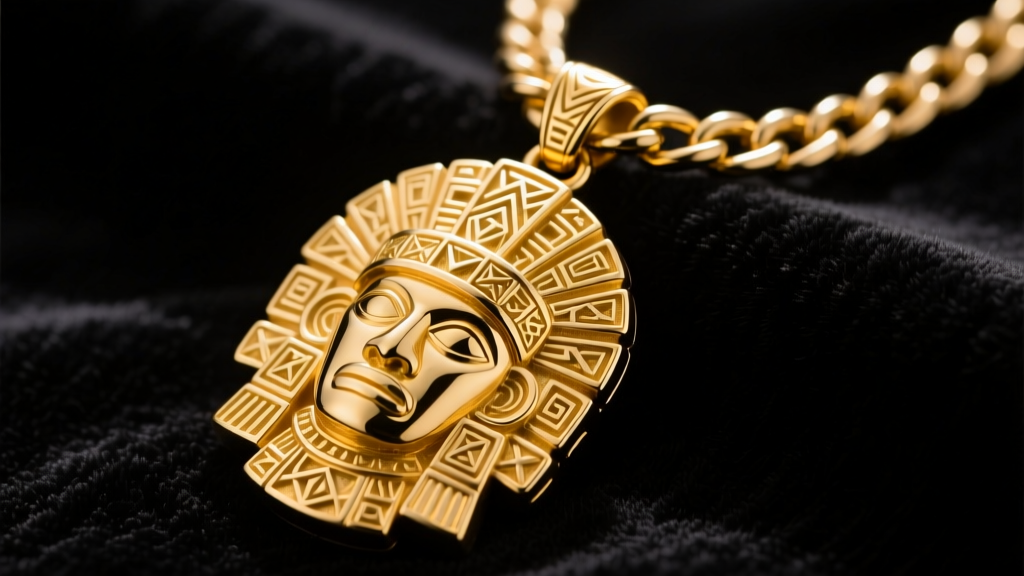
The Weight of the Tribal Chief: Why Heavy Pendants Fail
The cultural impact of WWE’s "Tribal Chief" persona has sparked a massive trend in custom, oversized championship-style jewelry. Fans and collectors frequently seek out a Roman Reigns necklace replica or custom Samoan tribal pendants to emulate this iconic look. However, the sheer mass of these pieces—often ranging from 150 grams to over 350 grams for solid metal versions—creates severe mechanical stress. Most mass-produced replicas are paired with inadequate chains, leading to a predictable cycle of frustration: snapped links, warped bails, and broken clasps.
When you wear a pendant of this magnitude, you are not just dealing with static weight; you are battling kinetic shock. Every step you take causes the heavy pendant to swing, generating G-force multipliers that concentrate immense tensile stress on the weakest points of the necklace assembly. In 2026, custom jewelers have adapted by engineering heavy-duty findings specifically for the "statement pendant" market, but consumers must know how to identify and upgrade these components to protect their investment.
Troubleshooting Chain Breakage and Stretching
The most common failure point for any heavy tribal pendant is the chain. A standard 3mm or 4mm chain, regardless of whether it is solid 14k gold or stainless steel, will eventually stretch, warp, or snap under a 200g+ load. To properly support a Roman Reigns necklace homage piece, you must evaluate both the chain style and its structural density.
Hollow vs. Solid Links
Many affordable replicas use hollow or semi-solid Cuban links to mimic the look of a massive chain without the prohibitive cost of solid gold. While visually impressive, hollow links lack the internal structural integrity to handle the pendulum effect of a heavy pendant. The links will crush inward at the clasp connection point or stretch into oval shapes over time. For pendants exceeding 100 grams, you must insist on solid core links or high-grade 316L stainless steel, which offers superior Vickers hardness compared to soft 24k or even 18k gold alloys.
| Chain Style | Recommended Thickness | Max Pendant Weight | Best For |
|---|---|---|---|
| Solid Cuban Link | 8mm - 14mm | 200g - 500g+ | Heavy Tribal / Championship Pendants |
| Franco Chain | 6mm - 10mm | 150g - 300g | Smooth drape, medium-heavy loads |
| Solid Rope Chain | 7mm - 12mm | 180g - 400g | High tensile strength, textured look |
| Figaro / Cable | N/A | Under 50g | Lightweight pendants only (Avoid for heavy loads) |
Fixing Clasp and Bail Weak Points
If your chain is thick enough but the necklace still fails, the issue lies in the findings—specifically the bail and the clasp. According to manufacturing guidelines from Rio Grande Jewelry Supply, the bail (the loop that connects the pendant to the chain) takes the brunt of the kinetic friction.
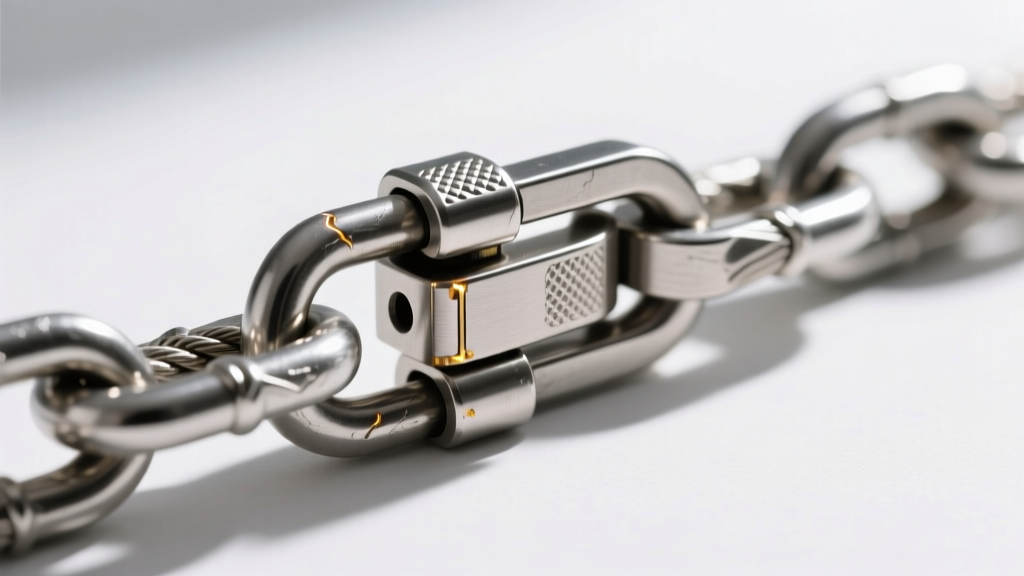
Upgrading the Bail
Most commercial replicas use a simple, unsoldered jump ring or a thin, cast-in-place bail to attach the pendant. Under the weight of a massive tribal motif, a standard jump ring will slowly pull apart, creating a gap that eventually drops the pendant. The Fix: Take the piece to a professional jeweler and have them laser-weld or torch-solder the jump ring completely shut. Better yet, have them remove the standard bail and install a heavy-duty "hidden bail" or a reinforced tube bail that distributes the weight across a wider surface area of the pendant's top edge.
The Clasp Solution
Lobster clasps are entirely unsuited for heavy pendants. The internal spring mechanism will fatigue, and the lever can easily catch on clothing and pull open. You must upgrade to a Box Clasp with a Figure-8 Safety Latch. The box mechanism locks the tongue into a secure housing, while the figure-8 wire acts as a secondary fail-safe. If the primary box mechanism is jarred open by a sudden movement, the safety latch catches the secondary ring on the opposite side of the chain, preventing the loss of your pendant.
Combating Metal Oxidation and Skin Strain
Wearing a 300-gram piece of metal around your neck introduces two distinct physiological problems: skin irritation from metal oxidation and physical neck strain.
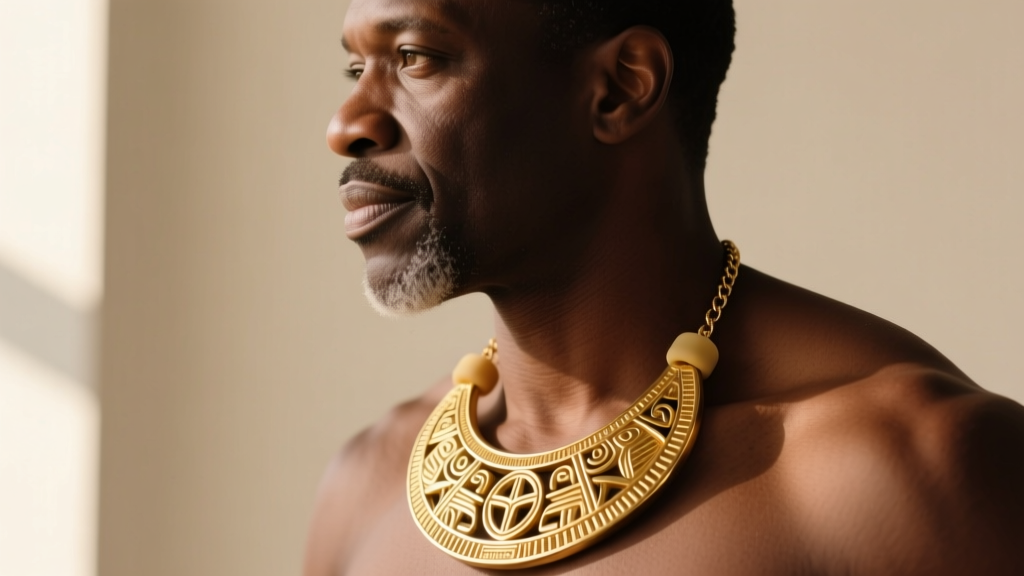
The "Green Neck" Phenomenon
Many budget-friendly Roman Reigns necklace replicas are crafted from brass or copper base metals and plated with a thin layer of gold or rhodium. When the heavy pendant rests against the sternum, it traps sweat and body heat. The acidity in human sweat reacts with the copper in the brass alloy, creating copper chloride, which leaves a stubborn green or black stain on the skin. The Fix: If you cannot afford a solid 14k gold or 316L surgical steel upgrade, you can temporarily seal the back of the pendant using a clear, jewelry-safe nano-coating or even a layer of clear polyurethane nail polish. However, as noted by the Gemological Institute of America (GIA), proper jewelry care dictates that base metals should be re-plated or sealed professionally to prevent long-term skin dermatitis.
Weight Distribution Techniques
To prevent the chain from cutting into the back of your neck (a common issue where the clasp rests), jewelers can add "comfort beads" or a smooth, contoured metal shield at the nape of the neck. Alternatively, wearing a high-collared shirt or a silicone necklace comfort guard can distribute the friction over a wider area, eliminating localized pressure points.
Stone Retention in Custom Tribal Pieces
Many tribal chief pendants feature intricate micro-pavé settings utilizing cubic zirconia (CZ) or lab-grown diamonds to mimic the ice seen on television. The extreme weight of the pendant causes the metal frame to flex slightly every time it swings against your chest. Over time, this micro-flexing warps the prongs, causing stones to pop out.
- Inspect Prongs Monthly: Use a 10x jeweler's loupe to check the prongs around the largest center stones. If the pendant has taken a hard impact against a table or steering wheel, the prongs may have lifted.
- Avoid Ultrasonic Cleaners on Glued Stones: Many mass-produced replicas use jewelry epoxy to secure stones rather than proper metal prongs. Submerging these in an ultrasonic cleaner or hot water will dissolve the adhesive, resulting in massive stone loss.
- Request Bezel Settings: If you are commissioning a custom Roman Reigns necklace tribute, request bezel or channel settings for the outer rows of stones. These settings enclose the metal around the gem's girdle, making them virtually immune to the kinetic shocks that destroy traditional prong settings.
Final Maintenance Protocol
Owning a heavy, statement-making tribal pendant requires a shift in how you handle your jewelry. Never pull the necklace off by tugging the pendant itself; always unclasp the box mechanism. Store the piece flat in a velvet-lined box rather than hanging it, as hanging a 300g pendant will cause the chain to slowly stretch under its own static weight over time. By respecting the metallurgy and mechanics of heavy jewelry, you can ensure your tribute piece remains as indestructible as the persona that inspired it.


