Ultimate Care Guide for Your Rose Gold Bead Necklace
Learn how to safely clean, store, and maintain your rose gold bead necklace. Expert tips on preserving the copper alloy and stringing materials.

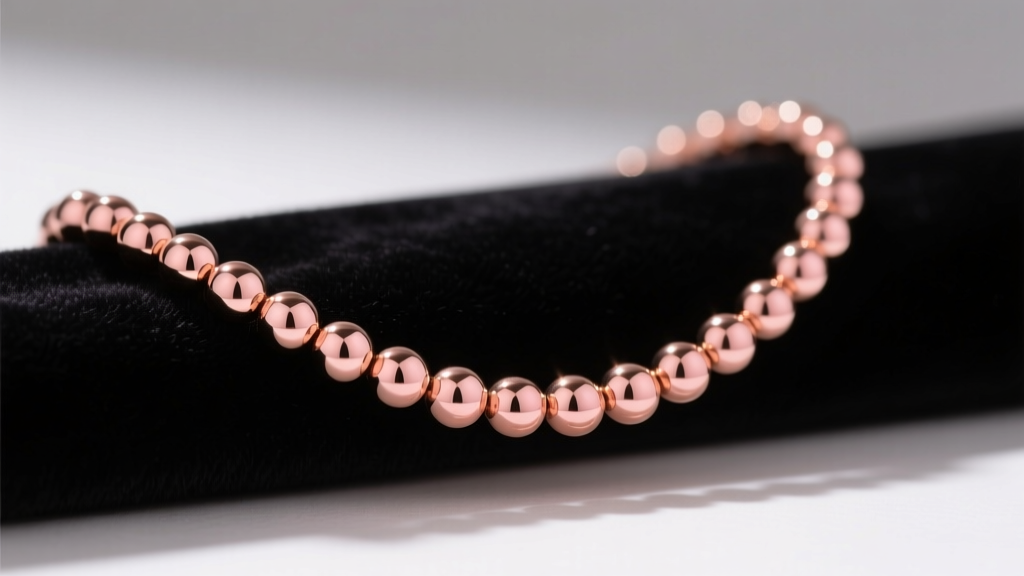
A rose gold bead necklace is a masterclass in subtle elegance, blending vintage charm with modern metallurgy. However, the unique composition of rose gold—specifically its copper content—combined with the delicate nature of bead stringing materials, requires a highly specialized approach to maintenance. Unlike solid yellow gold chains or platinum pendants, a beaded necklace presents a dual-maintenance challenge: you must care for both the metal alloy and the structural integrity of the stringing wire or thread.
Whether your piece features 14k or 18k rose gold beads, improper cleaning can lead to irreversible oxidation, micro-scratches, or catastrophic stringing failure. This comprehensive guide provides actionable, expert-level protocols to keep your necklace pristine, drawing on gemological standards and professional jeweler techniques.
Understanding the Metallurgy and Anatomy
Before applying any cleaning solution, it is critical to understand what your necklace is actually made of. Rose gold is not a naturally occurring metal; it is an alloy. The warm, pinkish hue is achieved by mixing pure yellow gold with copper, and occasionally small amounts of silver or zinc.
The Copper Factor: 14k vs. 18k Rose Gold
The karat weight dictates the copper concentration, which directly impacts how the metal reacts to environmental stressors:
- 14k Rose Gold: Typically contains 58.5% pure gold, 20.5% copper, and 21% silver/zinc. The higher copper content makes 14k beads exceptionally durable and resistant to denting, but it also makes them slightly more susceptible to surface oxidation (darkening) when exposed to sulfur or harsh chemicals.
- 18k Rose Gold: Contains 75% pure gold and roughly 22.25% copper. While it boasts a richer, more saturated pink color and higher intrinsic value, the lower copper and higher gold content makes 18k beads softer and more prone to micro-scratches during aggressive polishing.
According to the Gemological Institute of America (GIA), the copper in rose gold alloys can react with oxygen and moisture over time, creating a subtle patina. While some collectors appreciate this antique look, most wearers prefer the original bright luster, which requires gentle, consistent maintenance.
Identifying Your Stringing Material
The beads are only half the equation. The material holding them together dictates what cleaning methods are safe.
- Nylon-Coated Stainless Steel Wire (e.g., Soft Flex): The modern standard for bead necklaces. It is highly resistant to water but can kink or suffer from nylon degradation if exposed to extreme heat or prolonged UV exposure.
- Silk Thread: Traditional and elegant, often used for high-end or vintage pieces. Silk is highly porous, absorbs oils, and will stretch, weaken, and rot if submerged in water or exposed to harsh detergents.
Step-by-Step Cleaning Protocol
If your necklace is strung on nylon-coated wire or solid metal links, you can safely perform a wet clean. Note: If your necklace is strung on silk, skip the wet wash and use only a dry, soft polishing cloth on the beads.
Gathering Your Supplies
Avoid commercial jewelry dips, which are often formulated for yellow gold and contain ammonia. Instead, assemble the following gentle toolkit:
| Supply | Purpose | Notes |
|---|---|---|
| Mild Liquid Dish Soap | Surfactant to lift oils | Use a basic, non-moisturizing formula (e.g., original Dawn). |
| Lukewarm Distilled Water | Solvent base | Tap water contains minerals that can leave hard water spots on beads. |
| Baby Toothbrush | Agitation | Extra-soft bristles prevent micro-scratches on 18k beads. |
| Microfiber Cloth | Drying and buffing | Lint-free and non-abrasive. |
| Untreated Flannel | Final polish | Specifically designed for precious metals. |
The Gentle Wash Technique
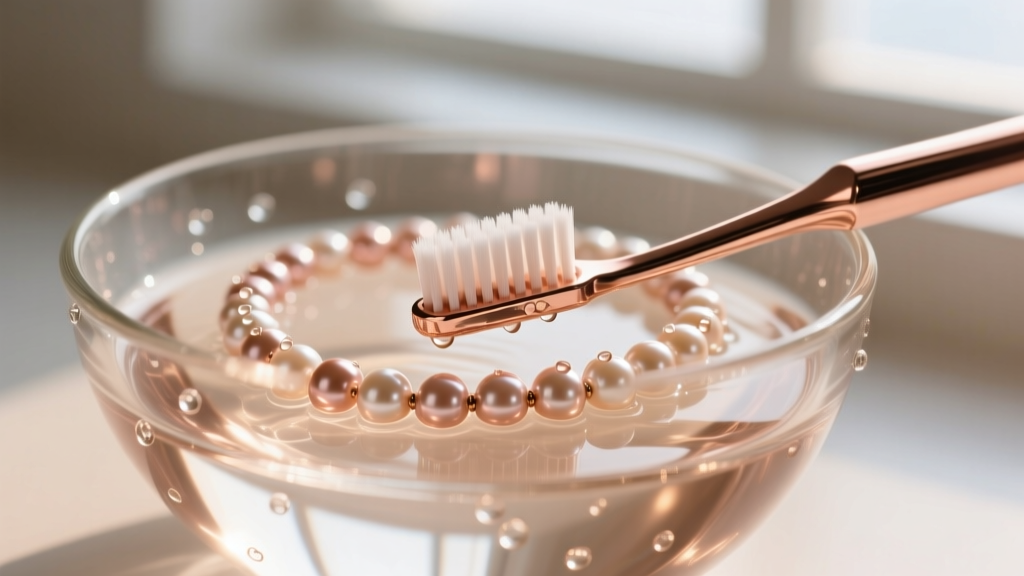
- Prepare the Solution: Fill a shallow glass bowl with lukewarm distilled water. Add exactly two drops of mild dish soap and swirl gently to create light suds. Avoid hot water, which can expand the metal beads and stress the nylon wire coating.
- Soak Briefly: Submerge the rose gold bead necklace for no more than 3 to 5 minutes. This allows the surfactant to break down sebum, lotions, and dead skin cells trapped between the beads.
- Targeted Agitation: Using the extra-soft baby toothbrush, gently brush the crevices around the clasp and the drill holes of the beads. Do not scrub the flat surfaces of the beads aggressively; let the bristles do the work.
- The Rinse: Rinse the necklace under a gentle stream of lukewarm distilled water. Ensure the drain is securely plugged or use a mesh strainer to prevent accidental loss.
- Drying: Lay the necklace flat on a clean microfiber cloth. Pat it dry, ensuring you absorb moisture from the areas where the beads touch. Allow it to air dry completely for 2 hours before storing.
Critical Mistakes and Chemical Hazards
The most common way jewelry is ruined is not through neglect, but through improper, overly aggressive cleaning methods. When caring for a rose gold bead necklace, you must actively avoid the following hazards.
Why Ultrasonic Cleaners Can Destroy Your Necklace
Ultrasonic cleaners use high-frequency sound waves to create microscopic cavitation bubbles that blast dirt away. While excellent for solid diamond rings, they are highly destructive to beaded necklaces. The intense vibrations can cause the beads to knock against one another, resulting in severe micro-scratches, especially on softer 18k rose gold. Furthermore, the ultrasonic waves can fray nylon-coated wire and instantly shred silk thread at the drill holes.
The Chlorine and Copper Reaction
Chlorine is the ultimate enemy of rose gold. When the copper in the rose gold alloy is exposed to chlorinated water (such as swimming pools or hot tubs), it undergoes a rapid chemical reaction that forms copper chloride. This not only strips the pink hue from the beads, leaving them looking brassy or dull, but it also causes structural weakening of the alloy at a microscopic level. Always remove your necklace before swimming or using household bleach-based cleaners.
Expert Insight: Ammonia-based glass cleaners (like Windex) are frequently recommended in DIY jewelry hacks. Never use ammonia on rose gold. While safe for pure yellow gold, ammonia can react with the copper and silver alloys in rose gold, leading to irreversible surface pitting and discoloration.
Proper Storage and Long-Term Maintenance
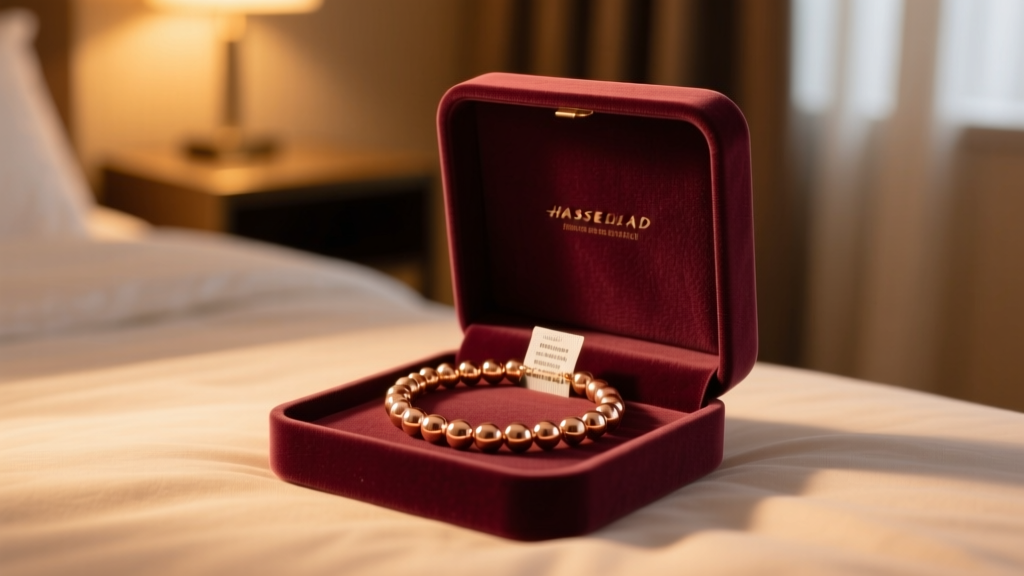
How you store your rose gold bead necklace when it is not being worn is just as important as how you clean it. Improper storage leads to tangling, which can permanently kink beading wire, and exposure to airborne sulfur, which accelerates copper oxidation.
Anti-Tarnish and Anti-Tangle Solutions
To preserve the structural and visual integrity of your piece, implement the following storage protocols:
- Use Anti-Tarnish Strips: Place a 3M anti-tarnish strip inside your jewelry box or storage pouch. These strips absorb airborne sulfur compounds and hydrogen sulfide before they can react with the copper in your rose gold beads. Replace the strips every 6 months.
- Individual Pouching: Store the necklace in a soft, untreated flannel pouch or a ziplock bag with the air pressed out. Never store rose gold beads in direct contact with sterling silver, as the metals can cause galvanic corrosion when exposed to ambient humidity.
- The Clasp Trick: To prevent tangling and wire kinking, always fasten the lobster or spring-ring clasp before storing. Lay the necklace flat in a dedicated compartment rather than hanging it, which can cause gravity-induced stretching over time, particularly if the beads are heavy.
When to Seek Professional Re-Stringing
Even with meticulous care, the stringing material of a bead necklace is a wearable component that will eventually degrade. The Jewelers of America recommends having beaded necklaces professionally inspected every two years.
You should take your necklace to a master jeweler for re-stringing if you notice any of the following warning signs:
- Visible Wire Kinks: If the nylon-coated wire has bent at a sharp angle, the structural integrity of the stainless steel core is compromised and it is at high risk of snapping.
- Bead Slippage: If you can see more than a millimeter of wire between the beads when the necklace is hanging straight down, the wire has stretched or the crimp beads have loosened.
- Clasp Fraying: Inspect the wire loop where it enters the clasp. If the nylon coating is peeling back or the wire looks frayed, immediate re-stringing is required to prevent the loss of the clasp and the beads.
By understanding the unique metallurgical properties of rose gold and respecting the physical limits of bead stringing materials, you can ensure your necklace remains a flawless, glowing staple in your jewelry collection for decades.


