Rosicrucian Cross Necklace: A Metal Comparison Guide
Compare metals for your rosicrucian cross necklace. Explore silver, gold, and brass properties, alchemical ties, and durability for daily wear.

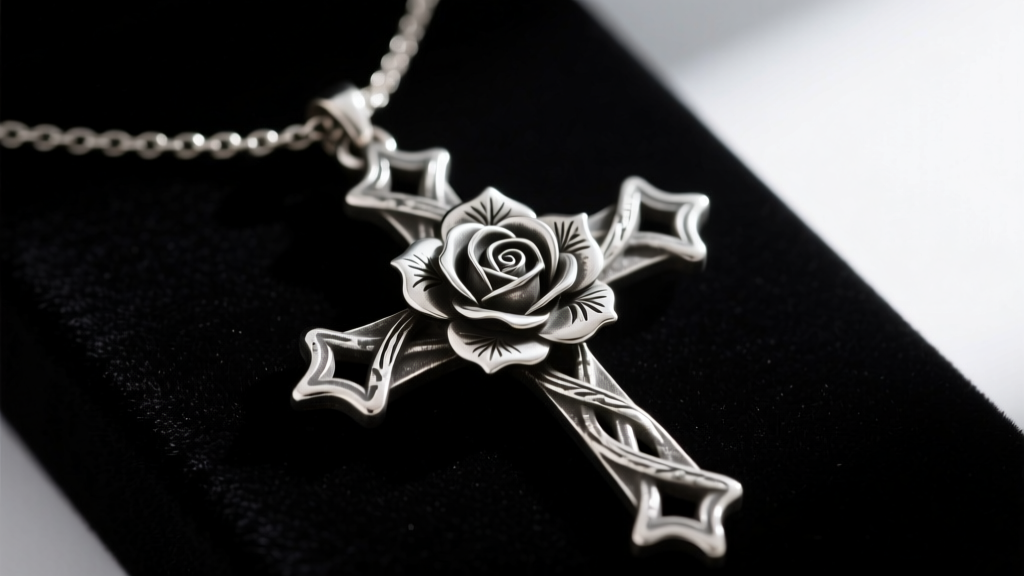
The Esoteric and Practical Weight of Material Choice
The Rosicrucian cross, often referred to as the Rose Cross, is a profound esoteric symbol representing the union of the divine and the earthly, the spiritual and the material. When selecting a rosicrucian cross necklace, the metal you choose is not merely an aesthetic decision; it is a functional and symbolic one. Historically, alchemists and mystics assigned specific planetary and energetic correspondences to different metals. Gold was tied to the Sun and perfection, silver to the Moon and intuition, while copper-based alloys like brass and bronze were linked to Venus and the transformative fires of the crucible. In 2026, modern jewelry wearers must balance these ancient alchemical traditions with contemporary metallurgical realities, such as Vickers hardness, oxidation rates, and skin reactivity. This guide breaks down the exact material properties you need to consider before investing in a talismanic piece you intend to wear daily.
Alchemical Roots: Brass and Bronze
For purists who want a necklace that reflects the historical, earthy origins of early Rosicrucian manuscripts, brass and bronze are the metals of choice. Brass is an alloy of copper and zinc (typically 67% Cu and 33% Zn), while bronze is primarily copper and tin. Copper is the alchemical metal of Venus, associated with love, harmony, and the very rose that sits at the center of the cross.
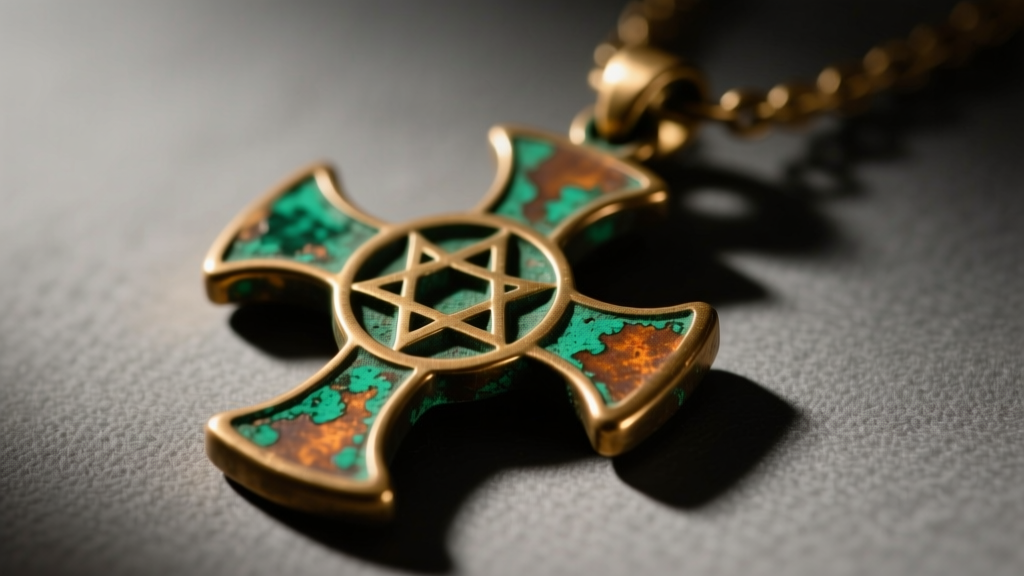
The Patina Process and Skin Reactivity
Brass and bronze are highly reactive. When exposed to the natural acidity of human sweat (which typically has a pH between 4.5 and 7.0), the copper in the alloy oxidizes, creating copper chloride. This results in the well-known 'green skin' effect. While harmless, it is undesirable for many. Furthermore, in high-sweat environments, brass can undergo dezincification, a corrosion process where zinc is selectively leached out, leaving a porous, brittle copper sponge. To mitigate this, many modern artisans seal raw brass pendants with micro-crystalline wax or a clear polyurethane coating. However, if you want the piece to develop a natural, darkened antiqued patina over time, you must leave it unsealed and polish it manually with a brass brush.
- Price Range: $30 - $90
- Best For: Occasional wear, historical accuracy, and intentional patina development.
- Failure Mode: Dezincification and structural weakening if worn during intense physical exertion.
The Lunar Standard: Sterling and Argentium Silver
Silver is the most popular choice for mystical and esoteric jewelry due to its brilliant luster and lunar associations. Standard Sterling Silver (stamped 925) consists of 92.5% pure silver and 7.5% copper. The copper adds necessary tensile strength, as pure silver (999) is too soft to hold the intricate detailing of the rose petals on a cross pendant. However, that same copper is responsible for silver's primary weakness: tarnish.
When exposed to sulfur compounds in the air or in household products, the copper in sterling silver reacts to form silver sulfide, creating a dark, dull layer on the surface. For a low-maintenance alternative, seek out Argentium Silver (usually 935 or 960 purity). According to The Silver Institute, Argentium replaces a portion of the copper alloy with germanium. This germanium forms a transparent, protective oxide layer on the surface of the metal, making it highly resistant to tarnish and firestain. For a daily-worn rosicrucian cross necklace that requires minimal polishing, Argentium is vastly superior to traditional 925 sterling.
The Solar Standard: 14k vs. 18k Solid Gold
Gold represents the solar principle, enlightenment, and incorruptibility. Because pure 24k gold is far too malleable for daily wear, it is alloyed with metals like silver, copper, and zinc. When commissioning or buying a solid gold rosicrucian cross necklace, the karat weight dictates both the color depth and the structural integrity of the piece.
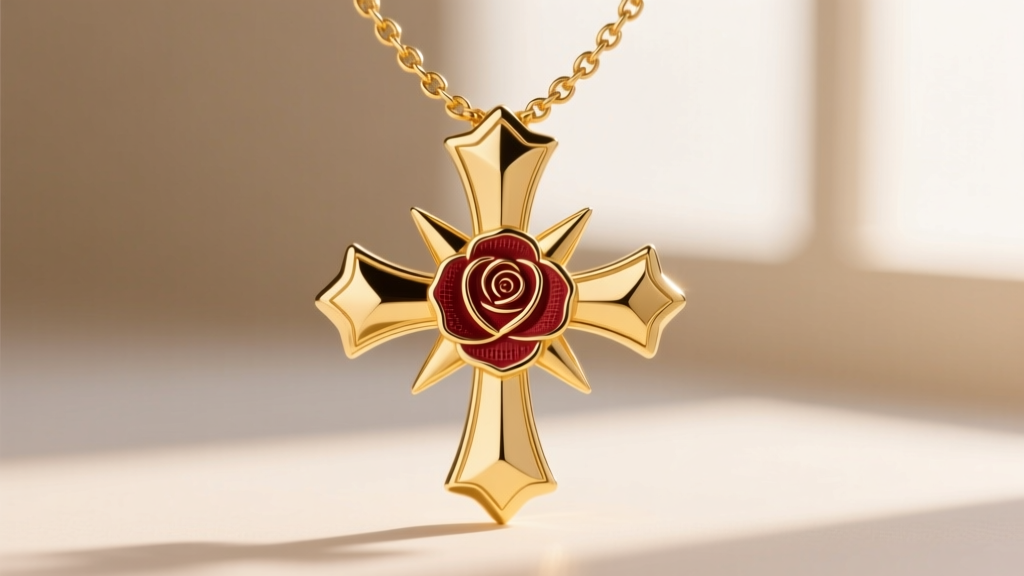
Vickers Hardness and Detail Retention
The intricacy of a Rosicrucian cross relies heavily on the sculpting of the central rose. 18k Gold (75% pure) offers a rich, buttery yellow hue that is unparalleled, but it sits lower on the Vickers Hardness (HV) scale, typically around 120-130 HV. Over years of friction against clothing, the high-polish details on an 18k pendant will slowly wear down. 14k Gold (58.5% pure), with a hardness of 130-160 HV, is significantly more durable. If your pendant features deep relief casting, micro-pavé diamonds in the cross arms, or delicate enamel work in the rose center, 14k gold will protect those structural elements far better over a lifetime of daily wear. The World Gold Council notes that 14k gold remains the optimal balance of precious metal value and mechanical durability for heavy pendants.
Material Comparison Matrix
| Material | Composition | Hardness (HV) | Alchemical Tie | Est. Price Range | Maintenance Level |
|---|---|---|---|---|---|
| Raw Brass | 67% Cu, 33% Zn | 60-80 HV | Venus / Earth | $30 - $90 | High (Polishing/Sealing) |
| Sterling Silver (925) | 92.5% Ag, 7.5% Cu | 65-75 HV | Moon / Intuition | $60 - $180 | Medium (Tarnish removal) |
| Argentium Silver (960) | 96% Ag, Germanium | 70-80 HV | Moon / Purity | $90 - $250 | Low (Highly tarnish-resistant) |
| 14k Yellow Gold | 58.5% Au, Ag, Cu, Zn | 130-160 HV | Sun / Vitality | $350 - $800 | Low (Occasional wash) |
| 18k Yellow Gold | 75% Au, Ag, Cu | 120-130 HV | Sun / Perfection | $600 - $1,500+ | Low (Careful wear) |
Chain Pairings, Bails, and Clasp Mechanics
A common failure point in esoteric jewelry is not the pendant itself, but the chain and clasp mechanics. A solid metal rosicrucian cross—especially in 14k gold or thick sterling silver—can easily weigh between 8 and 15 grams. Pairing a heavy pendant with a delicate 1mm cable chain is a recipe for a snapped chain and a lost talisman.
Always match the chain's tensile strength to the pendant's weight. A pendant weighing over 10 grams requires a minimum 2.5mm chain width and a heavy-duty clasp.
For a cross pendant, a 2.5mm to 3.5mm Rope Chain is ideal. The twisted links of a rope chain mimic the organic, intertwining thorns of a rose, providing a cohesive aesthetic while offering excellent structural integrity. Furthermore, inspect the bail (the loop connecting the pendant to the chain). A cast-in bail should have an inner diameter of at least 4mm to accommodate thicker chains. Finally, never use a spring-ring clasp for heavy pendants; the internal spring mechanism is prone to failure. Always upgrade to a lobster claw clasp or a box clasp with a safety figure-eight catch.
Care, Patina, and Energetic Cleansing
Because the Rosicrucian cross is often worn as a spiritual anchor, owners frequently subject the necklace to 'energetic cleansings' that can inadvertently damage the metal. Submerging your necklace in salt water is a common spiritual practice, but from a metallurgical standpoint, it is highly destructive. Saltwater accelerates the galvanic corrosion of copper alloys and will rapidly pit and degrade sterling silver and brass.
Instead, cleanse your piece using safe, non-corrosive methods. For physical cleaning, use a few drops of mild, phosphate-free dish soap and warm water, gently agitating with a soft-bristled baby toothbrush. If your rosicrucian cross features a center rose made of guilloché enamel or a porous gemstone like lapis lazuli or turquoise, never place it in an ultrasonic cleaner. The high-frequency vibrations can shatter the enamel or fracture the stone's internal matrix. For energetic cleansing, utilize sound frequencies (like a tuning fork or singing bowl) or pass the piece through the smoke of burning cedar or rosemary, which poses zero chemical threat to the alloy. By respecting both the mystical heritage and the physical properties of your chosen metal, your rosicrucian cross necklace will endure as a flawless, lifelong companion on your esoteric journey. For deeper historical context on the symbol itself, Britannica's archives on Rosicrucianism provide excellent foundational reading.


