The Rusted Chain Necklace: 2026 Alternative Gift Guide
Discover the best rusted chain necklace gifts for 2026. Learn how to choose safe oxidized metals, match occasions, and style distressed chain jewelry.

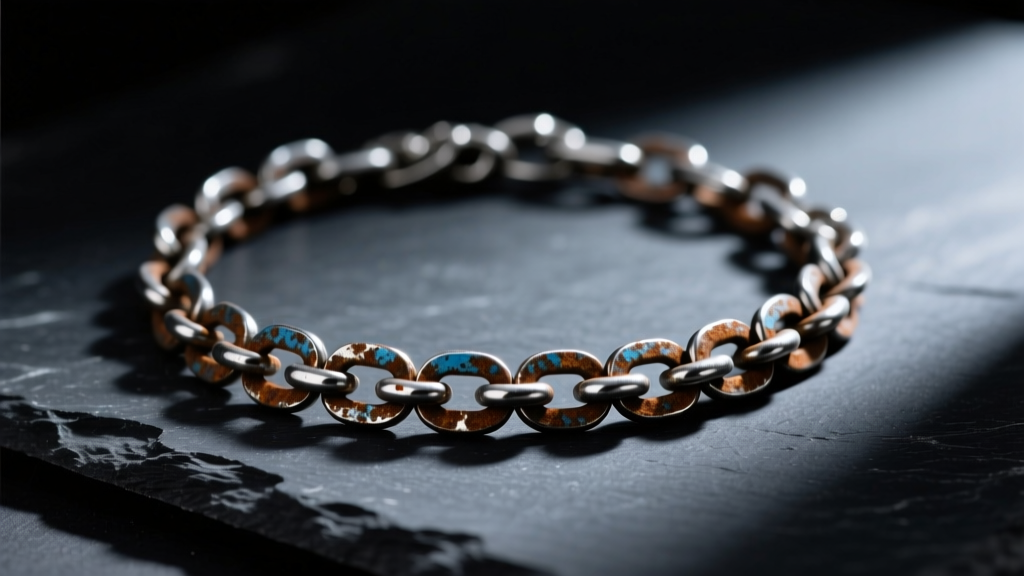
The Allure of the Distressed Aesthetic
In the landscape of 2026 jewelry trends, the pristine and polished have taken a backseat to the raw, the industrial, and the unapologetically distressed. The rusted chain necklace has emerged as a cornerstone of alternative fashion, bridging the gap between post-apocalyptic streetwear and high-end grunge aesthetics. However, gifting a piece of jewelry that looks weathered and decayed requires a deep understanding of metallurgy. You are not just buying a necklace; you are buying a controlled chemical reaction. This comprehensive gift guide will help you navigate the complexities of oxidized metals, ensuring your gift is both visually striking and dermatologically safe.
Material Science: Safe "Rust" vs. Toxic Oxidation
The most critical mistake amateur buyers make is assuming a "rusted" necklace is made of actual rusting iron. True iron oxide (rust) flakes, harbors bacteria, stains the skin an angry orange, and causes severe contact dermatitis. High-end jewelers achieve the rusted chain necklace aesthetic through controlled patinas and advanced coatings. According to the Gemological Institute of America (GIA), surface treatments on precious metals must be carefully managed to preserve the structural integrity of the alloy.
Oxidized Sterling Silver (925)
The gold standard for distressed jewelry is sterling silver treated with Liver of Sulfur (potassium sulfide). This chemical bath forces the copper content within the 925 silver alloy to oxidize rapidly, creating a dark, matte, brownish-black patina that mimics centuries of decay. The jeweler then selectively polishes the high points, leaving the "rust" and grime in the crevices of the chain links. This method is hypoallergenic, highly durable, and carries a premium price tag ($120–$400+).
Patinated Bronze and Copper
For a warmer, more authentic reddish-brown rust tone, artisans use bronze or copper chains. By exposing these metals to cupric nitrate or ammonia fumes, jewelers can force a rapid, stable patina that looks exactly like weathered Corten steel. Bronze is an excellent choice for a rusted chain necklace, but buyers must ensure the piece is sealed with a microcrystalline wax to prevent the wearer's skin acids from turning the patina green over time.
PVD-Coated Surgical Steel
For budget-conscious gifting or for recipients with extreme metal sensitivities, 316L surgical stainless steel coated with a rust-colored PVD (Physical Vapor Deposition) layer is the modern solution. PVD bonding occurs at a molecular level in a vacuum chamber, meaning the "rust" color will not flake or rub off onto the skin, unlike cheap electroplated alternatives.
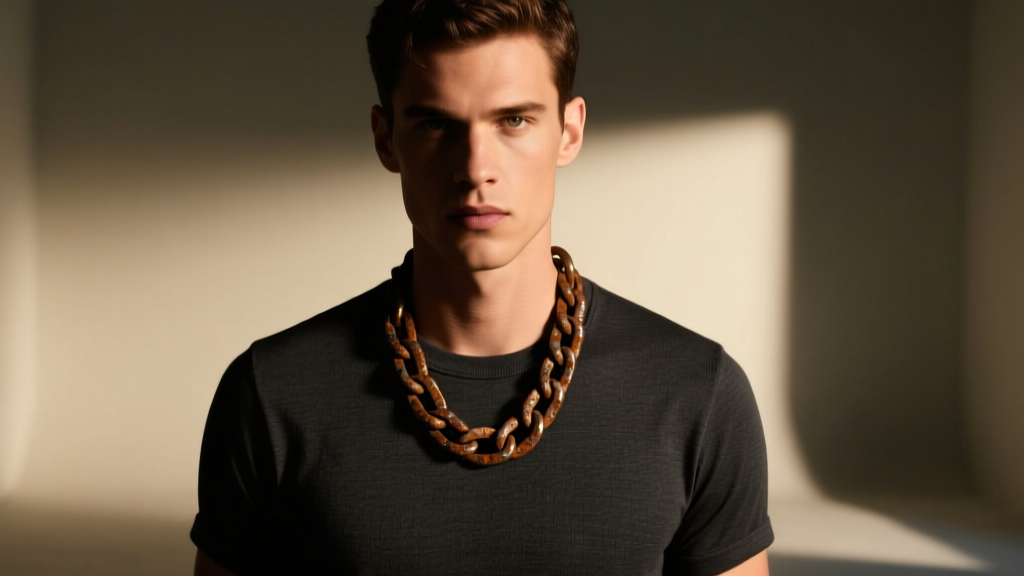
Occasion Matching: When to Gift a Rusted Chain
A rusted chain necklace is not a traditional gift. It carries a heavy, rebellious semiotics. Here is how to match this specific aesthetic to the right 2026 gifting occasions:
- Alternative & Industrial Weddings: Forget matching silver tie clips. A heavy, oxidized Cuban link chain is the perfect groomsmen gift for a warehouse or brutalist-architecture wedding. It serves as a wearable keepsake that aligns with a non-traditional dress code.
- The "Push" Present for Creatives: For the artist, musician, or tattooist in your life, a rusted chain signifies the beauty in imperfection and the grit required to create. It is an acknowledgment of their hard work and unconventional path.
- Milestone Birthdays (Goth/Grunge Aesthetics):strong> If the recipient leans into the 90s grunge revival or modern darkwear, a layered oxidized rope chain is a highly coveted accessory that elevates a simple vintage tee into a curated look.
- Anniversary of a Shared Struggle: The metaphor of a metal that has been put through fire and chemicals to achieve its unique beauty makes a rusted chain a profound symbol of resilience for couples celebrating a difficult but ultimately strengthening year together.
Sizing, Gauges, and Chain Profiles
When selecting a rusted chain necklace, the gauge (thickness) and profile dictate the visual weight and the price. Distressed finishes look best on chains with deep crevices that can "trap" the dark patina.
| Chain Profile | Gauge / Thickness | Best Material for "Rust" | Estimated Price Range | Best Gifting Scenario |
|---|---|---|---|---|
| Cuban Link | 4mm - 6mm (12-8ga) | Oxidized 925 Silver | $180 - $450 | Bold statement piece, streetwear enthusiasts |
| Rope Chain | 2mm - 3mm (16-14ga) | Patinated Bronze | $75 - $160 | Layering, subtle grunge, everyday wear |
| Figaro | 3mm - 4mm (14-12ga) | 316L Steel w/ PVD | $45 - $95 | Budget-friendly, active lifestyles |
| Box Chain | 1.5mm - 2.5mm (18-14ga) | Antiqued Brass | $40 - $110 | Pendant pairing, delicate alternative styling |
"The beauty of an oxidized chain lies in its topography. The dark sulfides settle into the valleys of the links, while the wearer's natural friction polishes the peaks over time. You aren't just giving them a necklace; you're giving them a canvas that they will finish themselves through wear." — Master Silversmith and Patina Specialist
Gifting Presentation: Packaging the Patina
Do not hand a rusted chain necklace in a glossy, bright white velvet box. The cognitive dissonance will ruin the unboxing experience. Instead, lean into the industrial aesthetic. Package the necklace in a waxed canvas pouch, a small reclaimed wood box, or wrap it in heavy kraft paper tied with a leather cord. Include a small, handwritten card on heavy cotton paper explaining the specific chemical process used to achieve the patina. This elevates the gift from "dirty metal" to "artisanal metallurgy" and demonstrates your deep thoughtfulness.
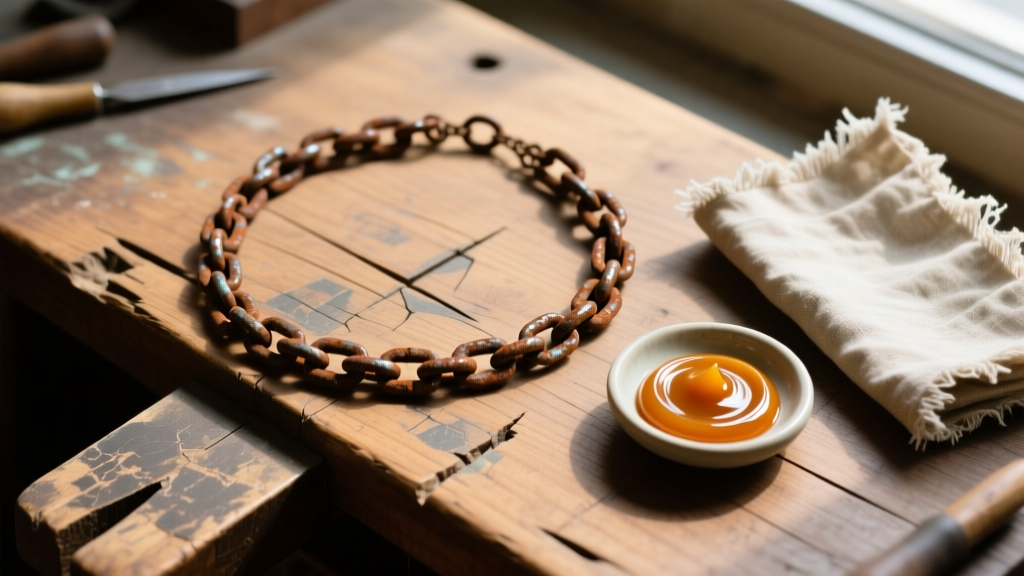
Care and Maintenance for Oxidized Finishes
The greatest risk when gifting a rusted chain necklace is the recipient accidentally destroying the patina. You must include care instructions with your gift. Traditional jewelry cleaning methods are the enemy of oxidized metals.
- Ban the Polishing Cloth: Standard silver polishing cloths contain mild abrasives and chemicals designed to strip tarnish. If the recipient uses one, they will wipe away the "rust" and reveal bright, shiny silver underneath.
- Avoid Ultrasonic Cleaners: The high-frequency vibrations and harsh chemical baths will strip the liver of sulfur patina from the crevices of the chain links in seconds.
- The Renaissance Wax Protocol: To preserve the distressed finish, the chain should be lightly coated in Renaissance Wax (a microcrystalline wax used by museum conservators). Advise the recipient to apply a thin layer with a soft microfiber cloth every six months to seal the oxidation against skin acids and environmental moisture.
- Shower and Swim Rules: While 925 silver and bronze won't structurally fail in water, chlorinated pools and hot springs (which contain high sulfur levels) will unpredictably alter the color of the patina, potentially turning it an unnatural, chalky grey.
Final Gifting Verdict
The rusted chain necklace is a masterclass in intentional imperfection. It is a gift that rejects mass-produced, high-polish conformity in favor of something that feels excavated, earned, and deeply personal. By understanding the difference between dangerous iron rust and artisanal silver sulfide patinas, and by matching the correct gauge and profile to the recipient's specific subculture, you are guaranteed to deliver a 2026 gifting experience that is as memorable as it is stylish. Choose the metal wisely, package it with grit, and let the wearer finish the masterpiece.


