How to Choose a Safe Children Birthstone Necklace: A Parent Guide
Discover how to choose a safe, hypoallergenic children birthstone necklace. Learn about chain types, stone materials, and age-appropriate lengths.

Why Material Safety is Non-Negotiable for Kids
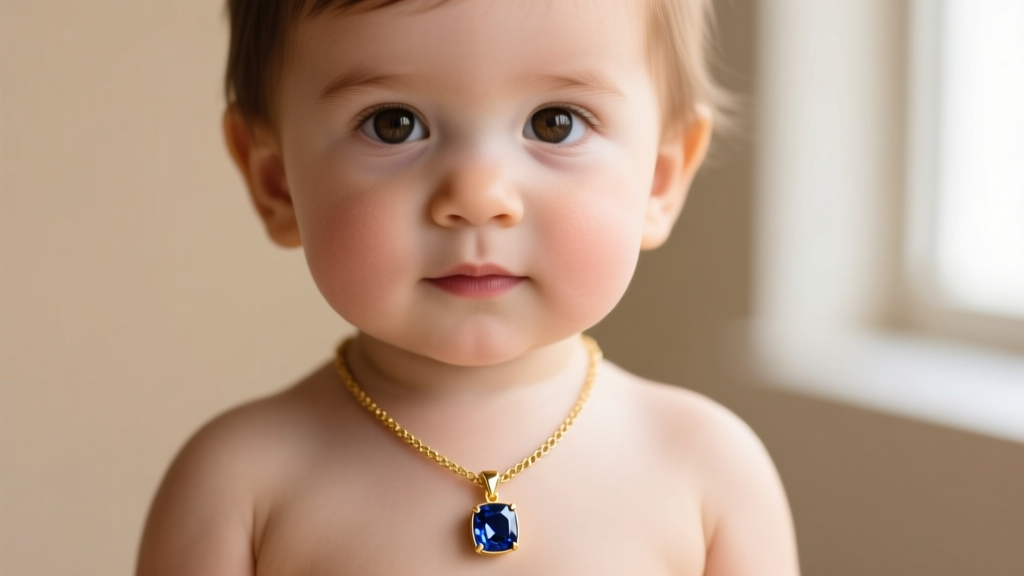
When shopping for a children birthstone necklace, the aesthetic appeal of the gemstone often takes center stage. However, as a parent or grandparent, your primary focus must be on material safety and structural integrity. Children's skin is significantly more sensitive than adult skin, and their habits—like putting objects in their mouths or tugging on chains—introduce unique risks.
According to the U.S. Consumer Product Safety Commission (CPSC), children's jewelry must adhere to strict limits on heavy metals like lead and cadmium. Furthermore, the ASTM F2923-14 standard outlines specific safety requirements for children's jewelry, particularly regarding choking hazards and toxic elements.
Beyond lead, you must also be wary of cadmium, a toxic heavy metal sometimes used as a cheap substitute for lead in low-quality, mass-imported children's jewelry. Cadmium exposure can cause severe kidney and bone damage. Always purchase from reputable jewelers who provide third-party assay certificates or explicit guarantees that their pieces are 100% nickel-free, lead-free, and cadmium-free, complying with the ASTM F2923-14 standard.
The Best Hypoallergenic Metals
To avoid contact dermatitis and nickel allergies, you must look beyond the surface plating. Gold-plated or gold-filled necklaces over a brass or nickel base will eventually wear down, exposing the child's skin to irritants. Instead, invest in solid, hypoallergenic metals:
- 14k or 18k Solid Gold: The gold standard for children's jewelry. It is highly resistant to tarnish and generally nickel-free (especially yellow gold).
- Platinum: Extremely durable and naturally hypoallergenic, though it comes at a premium price point.
- 316L Surgical Stainless Steel: An excellent, budget-friendly alternative that contains virtually no free nickel and withstands water exposure.
Decoding Birthstones: Genuine vs. Lab-Created vs. Simulated
The gemstone itself is the heart of the necklace. When choosing a children birthstone necklace, you will encounter three main categories of stones. Understanding the difference is crucial for both durability and budget.
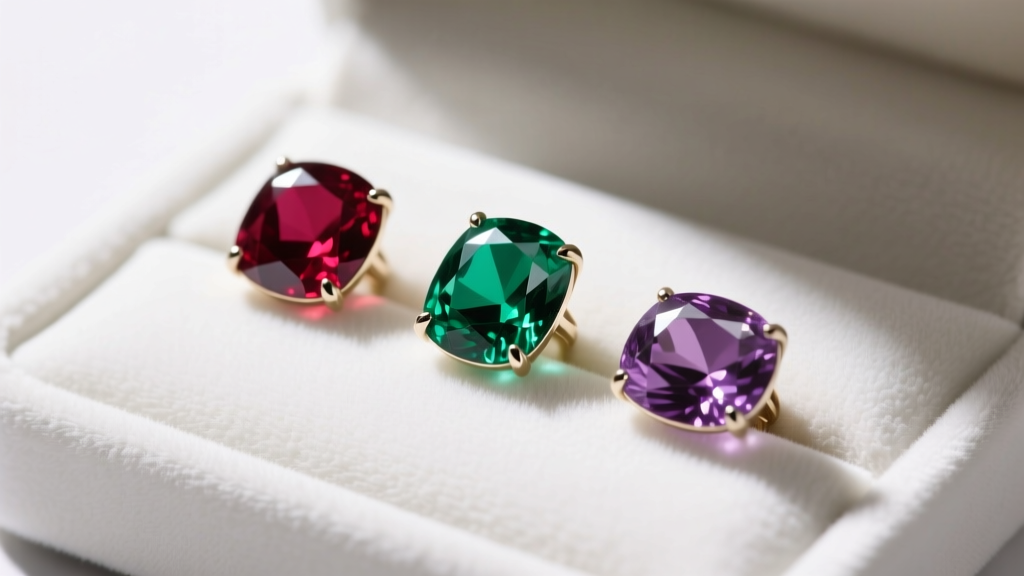
Genuine stones are mined from the earth and carry natural inclusions. Lab-created stones share the exact same chemical and physical properties as mined stones but are grown in controlled environments, making them more affordable and often clearer. Simulated stones (like cubic zirconia or colored glass) only mimic the color of the birthstone and lack the mineral hardness of the real deal.
Durability and the Mohs Scale
Kids are rough on jewelry. A stone's durability is measured on the Mohs scale of mineral hardness. According to the Gemological Institute of America (GIA), stones with a hardness below 7 are susceptible to scratching from everyday dust and play. Here is how common birthstones hold up:
| Birthstone | Month | Mohs Hardness | Kid-Friendly Rating |
|---|---|---|---|
| Garnet | January | 6.5 - 7.5 | Good |
| Amethyst | February | 7 | Good |
| Aquamarine | March | 7.5 - 8 | Excellent |
| Diamond | April | 10 | Unbreakable |
| Emerald | May | 7.5 - 8 | Fair (Brittle) |
| Pearl | June | 2.5 - 3 | Poor (Scratches easily) |
| Ruby | July | 9 | Excellent |
| Peridot | August | 6.5 - 7 | Good |
| Sapphire | September | 9 | Excellent |
| Opal | October | 5.5 - 6.5 | Poor (Fragile) |
| Citrine | November | 7 | Good |
| Blue Topaz | December | 8 | Excellent |
Pro Tip: If your child has a fragile birthstone like Pearl or Opal, opt for a high-quality lab-created alternative or a simulated stone set in a protective bezel setting to prevent chipping.
The Critical Importance of Bezel Settings
Never buy a children birthstone necklace with traditional prong settings. Prongs can easily snag on clothing, blankets, or playground equipment. More importantly, if a prong bends, the stone can pop out, creating a severe choking hazard for toddlers and younger children.
A bezel setting encircles the gemstone with a custom-fitted metal rim. This not only secures the stone firmly in place but also provides a smooth, snag-free profile that is safe for active play. Flush settings (where the stone is set directly into the metal) are also a safe alternative for older children.
Chain Mechanics: Preventing Snags and Strangulation
The chain is just as important as the pendant. For children under the age of 12, strangulation is a legitimate risk if a necklace gets caught on furniture or playground equipment.
Mandatory Breakaway Clasps
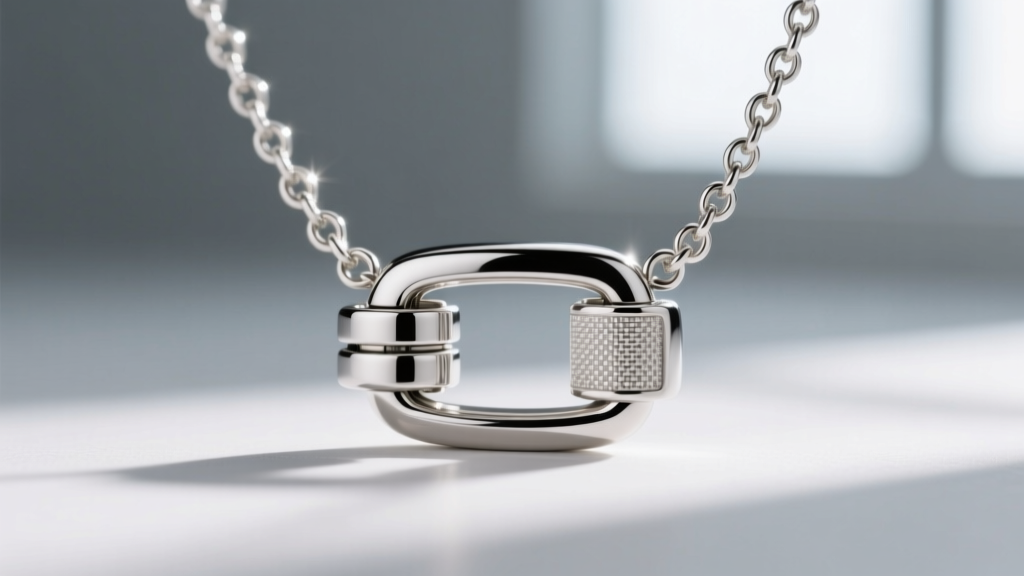
A true children's necklace must feature a breakaway clasp. These clasps are engineered to pop open when subjected to 3 to 5 pounds of lateral pressure. Magnetic breakaway clasps and specialized tension-release lobster clasps are the industry standards. If the chain is pulled, the clasp separates, keeping the child safe.
Choosing the Right Chain Style
Avoid delicate, easily tangled chains like snake chains or herringbone chains. These kink permanently when bent or slept on. Instead, choose structural chains that can withstand pulling:
- Box Chain: Made of square links, it is highly durable, resists kinking, and lies flat against the skin.
- Cable Chain: A classic, simple design that is easy to repair if a link breaks.
- Wheat Chain: Woven links provide excellent tensile strength, making it ideal for heavier gemstone pendants.
Sizing by Age: The Perfect Length for Growing Necks
Children grow rapidly, and a necklace that fits perfectly at age three will become a choker by age five. To maximize the lifespan of the jewelry, utilize adjustable chains or extension loops. Here is a general sizing framework based on age:
- Toddlers (Ages 1-3): 10 to 12 inches. (Must be worn only under strict supervision).
- Preschoolers (Ages 4-6): 12 to 14 inches.
- School-Age (Ages 7-11): 14 to 16 inches.
- Teens (Ages 12+): 16 to 18 inches (Standard adult lengths).
Always measure the child's neck with a soft measuring tape and add 2 inches for comfort. A necklace should easily slip over the head if the clasp fails, or sit comfortably without pressing into the skin.
Care, Storage, and Maintenance for Active Kids
Even the most durable children birthstone necklace requires consistent maintenance to retain its brilliance and structural safety. Teach your child the "Last On, First Off" rule: jewelry should be the last thing put on in the morning and the first thing taken off at night. This prevents the chain from catching on bedsheets or being crushed during sleep.
Remove the necklace before swimming in chlorinated pools or saltwater. Chlorine can degrade the copper and silver alloys in 14k gold, leading to microscopic stress fractures over time, while saltwater can pit surgical steel. Furthermore, never expose porous stones like pearls, opals, or turquoise to chemical sunscreens or bug sprays, as these liquids will permanently cloud the stone's surface.
Proper Storage Techniques
When not being worn, the necklace should never be tossed into a communal jewelry box where it can be scratched by harder gemstones like diamonds or sapphires. Store the piece in an individual soft cotton pouch or a ziplock bag with an anti-tarnish strip. For silver chains, wiping the metal down with a polishing cloth before storage removes the acidic oils from the skin that accelerate oxidation.
Clean the pendant monthly using a soft microfiber cloth, warm water, and a drop of mild, phosphate-free dish soap. Use a baby toothbrush to gently clean the back of the bezel setting where lotion and dead skin cells accumulate. Avoid ultrasonic cleaners entirely; the high-frequency vibrations can easily fracture treated gemstones or loosen the adhesive in simulated stones.
By prioritizing safety standards, choosing the right metals, and selecting protective settings, you can gift a beautiful, meaningful piece of jewelry that a child can safely wear and cherish for years to come.


