What Does Safety Pin Necklace Mean? Symbolism & Metal Guide
Discover what a safety pin necklace means, from punk rebellion to high fashion, and compare the best metals for durability and skin safety.

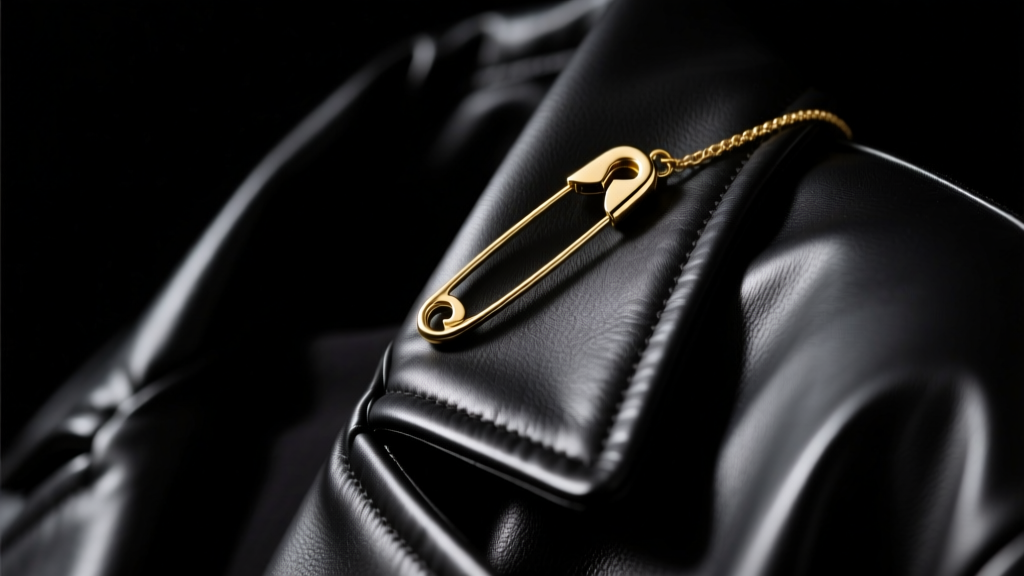
Decoding the Symbolism: What Does a Safety Pin Necklace Mean?
When navigating the landscape of alternative and statement jewelry, few motifs carry as much cultural weight as the humble safety pin. If you have ever found yourself asking, what does safety pin necklace mean, the answer is deeply rooted in subcultural history, high-fashion subversion, and modern social movements. Originally popularized in the 1970s London punk scene by icons like Richard Hell and designers like Vivienne Westwood, the safety pin was a symbol of anti-establishment rebellion and DIY ethos. It represented a rejection of consumerism, literally holding together torn clothing while metaphorically holding together a fractured youth culture.
According to the Victoria and Albert Museum's archives on punk fashion, the safety pin transformed from a mundane domestic utility into a powerful visual shorthand for anarchy and non-conformity. By 1994, the symbol was co-opted by high fashion when Elizabeth Hurley wore Gianni Versace’s iconic safety-pin dress, shifting the motif's meaning toward bold, unapologetic glamour. More recently, in the late 2010s, wearing a safety pin on a necklace or lapel evolved into a quiet symbol of solidarity and allyship with marginalized groups. Today, the meaning you project depends heavily on how the piece is crafted, sized, and ultimately, the metal from which it is forged.
The Metallurgical Reality: Why Material Dictates the Message
The symbolism of a safety pin necklace is quickly undermined if the piece degrades, bends, or causes contact dermatitis. Cheap, mass-produced novelty pins are typically stamped from zinc alloys or low-grade brass and plated with a microscopic layer of nickel or silver. When the plating wears off, the underlying metals react with sweat and sebum, leading to the dreaded 'green skin' effect and severe allergic reactions.
Nickel allergy is one of the most common causes of allergic contact dermatitis. The Mayo Clinic notes that prolonged skin contact with nickel-releasing alloys can cause chronic rashes, itching, and discoloration. In the European Union, the EN 1811 standard strictly limits nickel migration from jewelry to less than 0.5 µg/cm²/week. When choosing a safety pin pendant that rests against the sensitive skin of the décolletage, selecting hypoallergenic, nickel-free metals is not just a matter of comfort—it is a dermatological necessity.
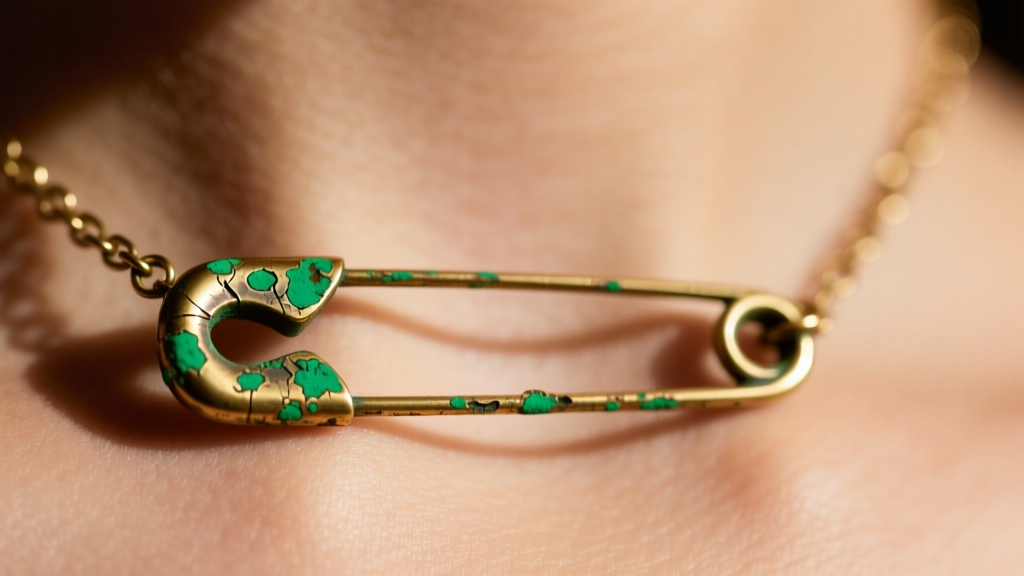
Material Comparison Chart: Alloys for the Anarchist and the Aristocrat
To balance the rebellious aesthetic of the safety pin with the durability required for daily wear, jewelers utilize specific metal grades. Below is a comparative breakdown of the most common materials used for safety pin necklaces, analyzing their structural integrity, skin safety, and market pricing.
| Material Grade | Vickers Hardness (HV) | Nickel Content | Avg. Price Range | Best Application |
|---|---|---|---|---|
| Zinc Alloy / Brass | 40 - 60 HV | High (in plating) | $10 - $25 | Costume wear, occasional use |
| 316L Surgical Steel | 150 - 190 HV | Trace (Safe) | $35 - $80 | Daily punk/grunge wear, high durability |
| Sterling Silver (925) | 60 - 70 HV | None | $90 - $180 | Elevated streetwear, vintage aesthetics |
| Grade-23 Titanium | 330 - 350 HV | None | $120 - $250 | Sensitive skin, ultra-lightweight strength |
| 14k Solid Gold | 120 - 140 HV | None (if alloyed properly) | $450 - $1,200+ | High-fashion homage, luxury heirlooms |
For a piece that mimics the utilitarian roots of punk, 316L Surgical Steel is the undisputed champion. It possesses the industrial gray hue of a hardware store safety pin but offers marine-grade corrosion resistance. Conversely, if you are channeling the Versace 1994 aesthetic, 14k Solid Gold elevates the subversive shape into a permanent luxury artifact.
Gauge Thickness and Structural Integrity
Beyond the alloy, the wire gauge (thickness) of the safety pin pendant fundamentally alters its visual weight and physical resilience. Standard utility safety pins are typically manufactured from 18-gauge (1.02mm) or 20-gauge (0.81mm) wire. While this is sufficient for piercing cotton, it is far too flimsy for a heavy pendant suspended on a chain.
The 14-Gauge Threshold
In fine and alternative jewelry, the 14-gauge (1.62mm) wire is considered the minimum threshold for a safety pin necklace intended for daily wear. At 14-gauge, the pin resists bending when caught on heavy winter layers or tugged accidentally. For oversized, statement-making pieces that rest on the outside of a leather jacket, designers often scale up to 10-gauge (2.58mm) or even 8-gauge (3.26mm) wire. These thicker gauges require advanced casting or heavy forging techniques, ensuring the 'clasp' and 'pinpoint' of the design remain structurally sound without snapping under lateral pressure.
Styling and Care by Metal Type
The maintenance of your safety pin necklace depends entirely on its metallurgical composition. Sterling silver (925) contains 7.5% copper, which reacts with sulfur in the air and skin to form silver sulfide, resulting in a dark patina. While some punk purists embrace this tarnished, grimy look as part of the aesthetic, it can be easily polished away with a microfiber cloth and a mild silver dip if a brighter finish is preferred.
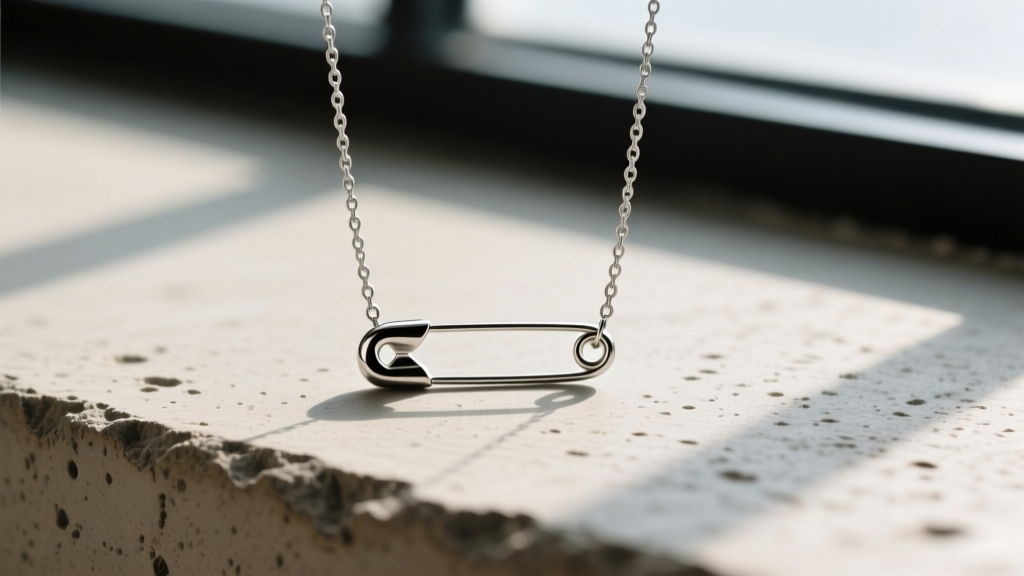
Titanium and surgical steel, on the other hand, are virtually maintenance-free. They do not oxidize or tarnish in normal atmospheric conditions, making them ideal for those who wear their jewelry in the shower, at the gym, or in humid climates. If you opt for a gold-plated brass safety pin, you must strictly avoid moisture and friction, as the gold layer (often less than 0.5 microns thick in budget pieces) will wear through to the reactive brass core within months of daily wear.
Final Verdict: Matching Metal to Your Message
Understanding what a safety pin necklace means requires looking past the shape and examining the substance. If your goal is to pay homage to the gritty, DIY origins of 1970s punk, a heavy-gauge 316L stainless steel pendant offers the perfect blend of industrial authenticity and modern skin safety. If the symbol represents a high-fashion tribute or a permanent marker of personal resilience, investing in a 14k solid gold or Grade-23 titanium casting ensures the piece will outlast the trends. By prioritizing material properties over cheap novelty manufacturing, you ensure that your rebellion—whether loud or quiet—is built to last.


