Best Sagittarius Necklace Materials: Metals & Gems Compared
Discover the best metals and gemstones for a Sagittarius necklace. Compare durability, Mohs hardness, and astrological properties for zodiac jewelry.

The Astrological Blueprint: What Defines Sagittarius Jewelry?
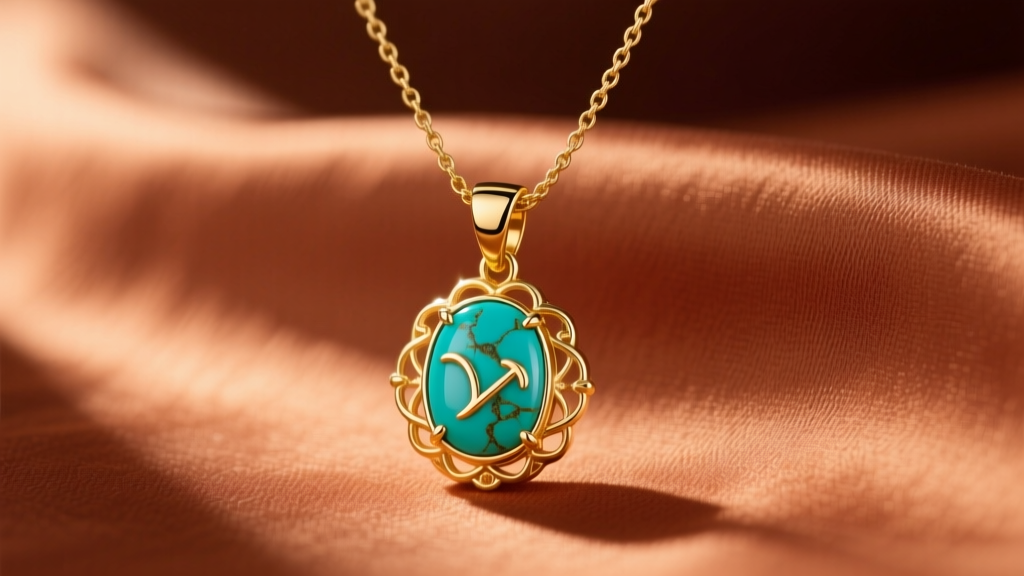
Sagittarius (November 22 – December 21) is a mutable fire sign ruled by Jupiter, the planet of expansion, luck, and wisdom. When selecting a Sagittarius necklace, the material properties of both the metal and the gemstone are just as critical as the astrological symbolism. Fire signs demand warmth in their metals and resilience in their stones to match their active, adventurous lifestyles. While the centaur archer is traditionally associated with vibrant blue and purple gemstones like turquoise and lapis lazuli, the structural integrity of these materials varies wildly. This guide breaks down the exact metallurgical and gemological properties you need to consider when investing in zodiac jewelry.
Metal Matrix: Comparing Gold, Brass, and Platinum for Fire Signs
Jupiter's influence dictates a preference for warm, radiant metals. Yellow gold, brass, and copper resonate with the fiery, optimistic energy of Sagittarius. However, their physical properties on the Mohs and Vickers scales dictate their longevity as a daily-wear pendant.
14K vs. 18K Yellow Gold
Pure 24K gold is far too soft (Vickers hardness of ~65) to securely hold a gemstone in a pendant setting. Therefore, alloyed gold is mandatory. 14K yellow gold (58.5% pure gold, alloyed with copper, silver, and zinc) offers a Vickers hardness of approximately 160, making it highly resistant to scratching and ideal for securing heavy turquoise cabochons. 18K yellow gold (75% pure gold) provides a richer, deeper yellow hue that better matches the Jupiterian aesthetic, but its lower hardness (~130 Vickers) means prongs will wear down faster over years of daily friction. According to the World Gold Council, the specific copper-to-silver ratio in the alloy also determines whether the 14K gold leans slightly green or rose-tinted, which can subtly alter the contrast against blue Sagittarius birthstones.
The Brass and Copper Alternative
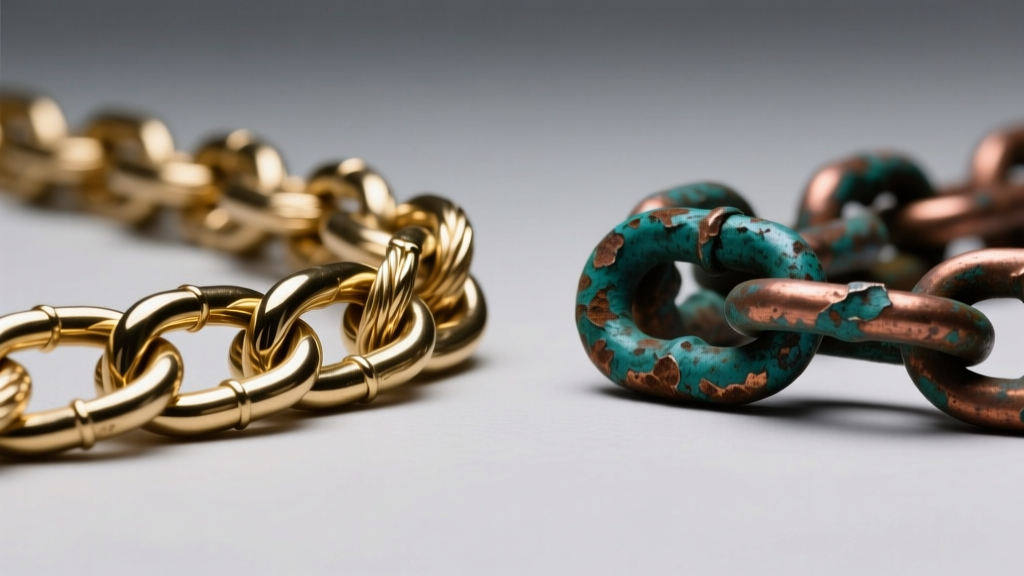
For budget-conscious buyers or those seeking an earthy, bohemian aesthetic, brass (an alloy of copper and zinc) and pure copper are popular choices. However, these base metals are highly reactive. When exposed to the slightly acidic pH of human sweat, copper oxidizes and leaves a green patina on the skin. If choosing a brass Sagittarius necklace, ensure the pendant backing is sealed with a clear jeweler's resin or rhodium-plated to prevent direct skin contact.
| Metal | Composition | Vickers Hardness | Tarnish Resistance | Best For |
|---|---|---|---|---|
| 14K Yellow Gold | 58.5% Au, 41.5% Cu/Ag/Zn | ~160 HV | High | Heavy gemstone pendants, daily wear |
| 18K Yellow Gold | 75% Au, 25% Cu/Ag | ~130 HV | High | Occasional wear, rich color contrast |
| 950 Platinum | 95% Pt, 5% Ru/Ir | ~135 HV | Very High | Heirloom pieces, high-impact durability |
| Jeweler's Brass | 85% Cu, 15% Zn | ~150 HV | Low (Oxidizes) | Statement pieces, budget-friendly |
Gemstone Durability & Properties: Turquoise, Topaz, and Lapis
The traditional Sagittarius color palette leans heavily into deep blues and purples. However, the crystalline structure of these stones requires specific setting techniques to prevent catastrophic failure.
Turquoise: The Traditional December Birthstone
Turquoise is the quintessential Sagittarius stone, prized for its sky-blue to robin's-egg coloration. However, it is a porous, cryptocrystalline phosphate mineral with a Mohs hardness of only 5 to 6. In its natural, untreated state, turquoise will absorb oils, lotions, and sweat, causing the stone to darken or turn green over time. For a necklace meant to be worn against the skin, you must seek out stabilized turquoise. The stabilization process (often using epoxy resins or the Zachery method) hardens the stone to a Mohs 7 and seals the pores. As noted by the Gemological Institute of America (GIA), stabilization is an accepted industry standard that preserves the stone's structural integrity without artificially dyeing it.
Blue Topaz: The Harder Alternative
For those who prefer a faceted, sparkling pendant, Blue Topaz (Mohs 8) is an excellent December alternative. While significantly harder than turquoise, topaz possesses perfect basal cleavage. This means that if the pendant is struck at a specific angle against a hard surface, the stone can split cleanly in half. Jewelers must use bezel settings or protective V-prongs at the vulnerable corners of a pear or marquise cut topaz to mitigate this cleavage risk. For more on its crystalline vulnerabilities, refer to the GIA Topaz Encyclopedia.
Lapis Lazuli: Porosity and Pyrite Inclusions
Lapis Lazuli (Mohs 5-5.5) is a metamorphic rock composed primarily of lazurite, calcite, and pyrite. The golden pyrite flecks are highly desirable, symbolizing the stars in the night sky—perfect for the philosophical Sagittarius. However, the calcite matrix is highly susceptible to acid erosion. Even mild citrus juices or acidic skin pH can etch the calcite, leaving dull, pitted spots on the surface of the pendant.
Chain Styles & Gauge Thickness for Pendant Weight
A common failure point in zodiac necklaces is the chain snapping under the weight of a heavy gemstone pendant. Sagittarius pendants, particularly those featuring large turquoise cabochons or solid silver archer motifs, can easily exceed 10 to 15 grams.
- 1.2mm (18-Gauge) Chains: Suitable only for lightweight pendants under 5 grams. Standard cable chains in this gauge will stretch and snap if subjected to the kinetic movement of an active Sagittarius wearer.
- 1.6mm (14-Gauge) Box Chains: The ideal baseline for medium-to-heavy pendants (10-20g). The interlocking square links of a box chain distribute tension evenly, preventing the weak-point stretching seen in oval-link cable chains.
- 2.0mm (12-Gauge) Wheat Chains: Recommended for massive statement pieces over 25 grams. The woven, braided structure of a wheat chain offers superior tensile strength and a luxurious, textured aesthetic that complements the ruggedness of raw brass or copper.
Care and Maintenance Protocols
Maintaining a Sagittarius necklace requires a tailored approach based on the specific metal-gemstone pairing. Never use ultrasonic cleaners or steamers on turquoise, lapis lazuli, or opal pendants; the high-frequency vibrations can shatter porous stones or detach them from their bezels. Instead, use a dry, untreated microfiber cloth for daily polishing. For 14K gold and platinum chains, a mild solution of warm water and phosphate-free dish soap, applied with a soft baby toothbrush, will remove sebum buildup without damaging the metal's finish. By aligning the astrological significance of the Sagittarius sign with rigorous material science, you ensure your necklace is not just a symbolic talisman, but a durable, lifelong accessory.


