The Sam's Grandma Necklace Trend: 2026 Style Guide
Decode the viral sam's grandma necklace trend. Learn exact layering proportions, vintage material grades, and heirloom styling tips for 2026.

The Anatomy of the Viral Heirloom Aesthetic
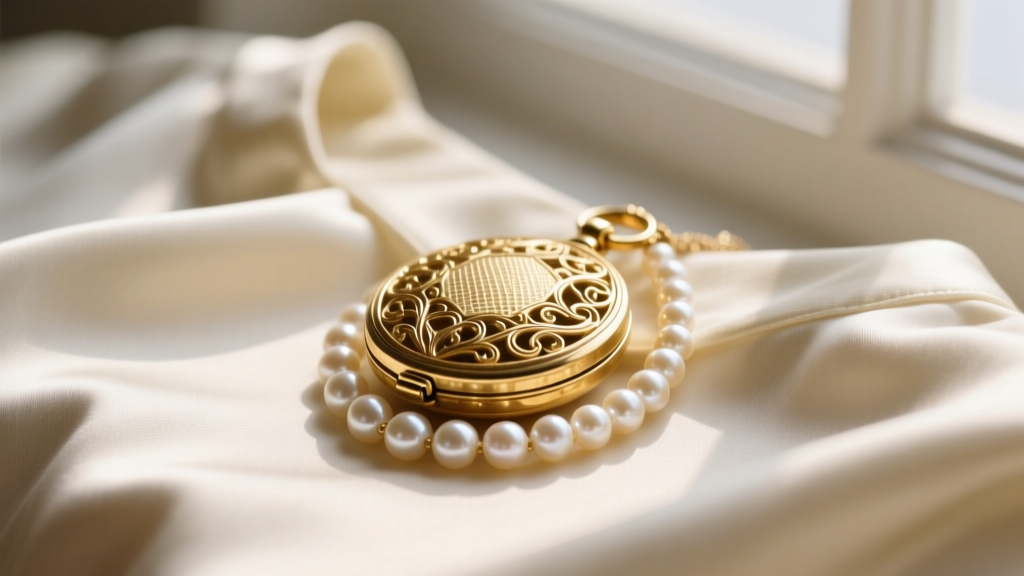
Over the past eighteen months, the sam's grandma necklace phenomenon has completely disrupted the traditional layering rules of fine jewelry. What began as a niche styling quirk on social media—characterized by an eclectic, inherited-looking mix of vintage lockets, irregular pearls, and mixed-metal chains—has cemented itself as a dominant 2026 style movement. Unlike the minimalist, uniform gold chains that defined the early 2020s, this trend embraces the 'Grandmacore' ethos: heavy sentimental value, mixed metallurgy, and deliberate imperfection.
To truly understand this aesthetic, we must look beyond simple nostalgia. The modern interpretation relies on a highly specific juxtaposition of textures and eras. It is not merely about wearing old jewelry; it is about engineering a curated, multi-generational look that feels effortlessly inherited rather than intentionally purchased.
Core Components & Material Grades
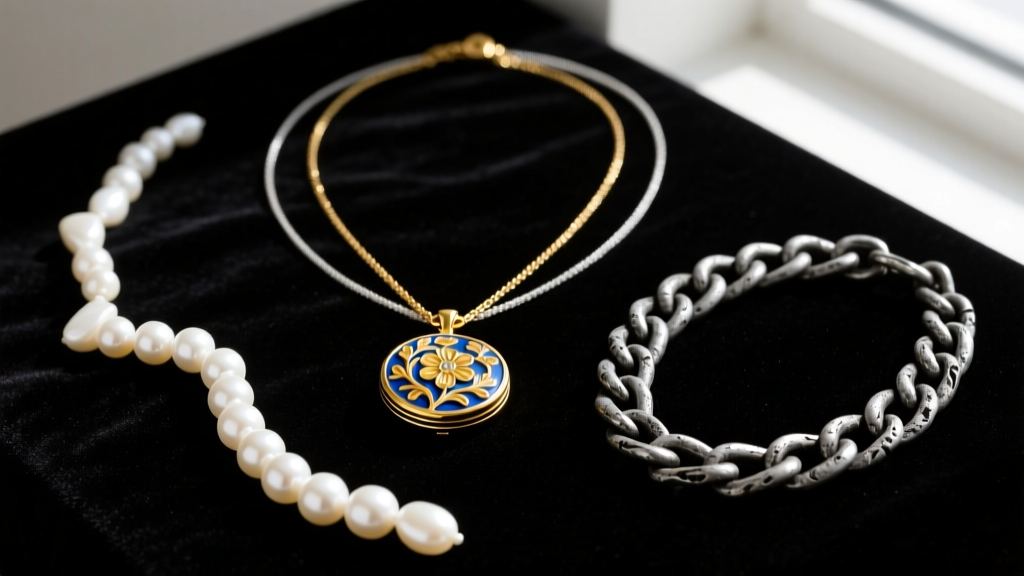
- Guilloché Enamel Lockets: The centerpiece is often a late-Victorian or Edwardian-era locket featuring guilloché enamel (a translucent enamel applied over an engraved metal base). These pieces typically range from 15mm to 25mm in diameter and are crafted in 9k (375) or 14k (585) yellow gold.
- Baroque & Keshi Pearls: Perfectly round Akoya pearls are avoided. Instead, the trend demands irregular, high-luster freshwater baroque pearls (8-12mm) or keshi pearls, which offer an organic, asymmetrical silhouette that contrasts beautifully with structured gold.
- Mixed-Metal Chains: A hallmark of the sam's grandma necklace trend is the intentional mixing of yellow gold and oxidized sterling silver. This mimics the reality of inheriting pieces from different relatives over decades.
Layering Framework: Replicating the Exact Proportions
The success of this layered look hinges entirely on precise length and weight distribution. If the chains are too similar in length, they will tangle and obscure the pendants. If the gauges are too heavy, the look shifts from 'vintage heirloom' to 'streetwear.' Below is the definitive framework for achieving the viral 3-strand silhouette.
| Strand Position | Length | Chain Type & Gauge | Pendant / Focal Point |
|---|---|---|---|
| Inner (Choker) | 15 - 16 inches | 1.2mm Rope or Cable Chain (Gold) | 15mm Enamel Locket or Moss Agate Cabochon |
| Middle (Princess) | 20 - 22 inches | Knotted Silk Thread or 2.0mm Box Chain | 8-10mm Irregular Baroque Pearls |
| Outer (Matinee) | 26 - 28 inches | 3.5mm Curb or Figaro Chain (Oxidized Silver) | None, or a small 10mm signet drop |
By anchoring the heaviest visual weight (the pearls) at the 20-inch mark and utilizing a delicate 1.2mm chain for the locket, you allow each piece to occupy its own spatial zone on the décolletage. The outer oxidized silver chain acts as a framing device, drawing the eye inward toward the gold and pearl elements.
Market Breakdown: Authentic Vintage vs. Modern Reproductions
As the sam's grandma necklace trend has scaled, the market has bifurcated into authentic estate jewelry and contemporary 'vintage-inspired' reproductions. Understanding the difference is critical for both pricing and longevity.
Price & Quality Matrix
| Category | Material Reality | Price Range (USD) | Pros & Cons |
|---|---|---|---|
| Authentic Estate (1880-1950) | Solid 9k/14k Gold, Natural Pearls, Glass/Paste Stones | $450 - $1,800+ | Pro: True heirloom quality, holds value. Con: Fragile clasps, risk of stone loss. |
| Mid-Tier Artisan (2020s) | 14k Gold Vermeil (2.5µm), Freshwater Pearls, 925 Silver | $120 - $280 | Pro: Modern durability, accessible. Con: Vermeil will eventually wear off. |
| Fast Fashion 'Grandmacore' | Gold-plated Brass, Acrylic Pearls, Base Metals | $25 - $60 | Pro: Trend access. Con: Skin irritation, rapid tarnishing, zero resale value. |
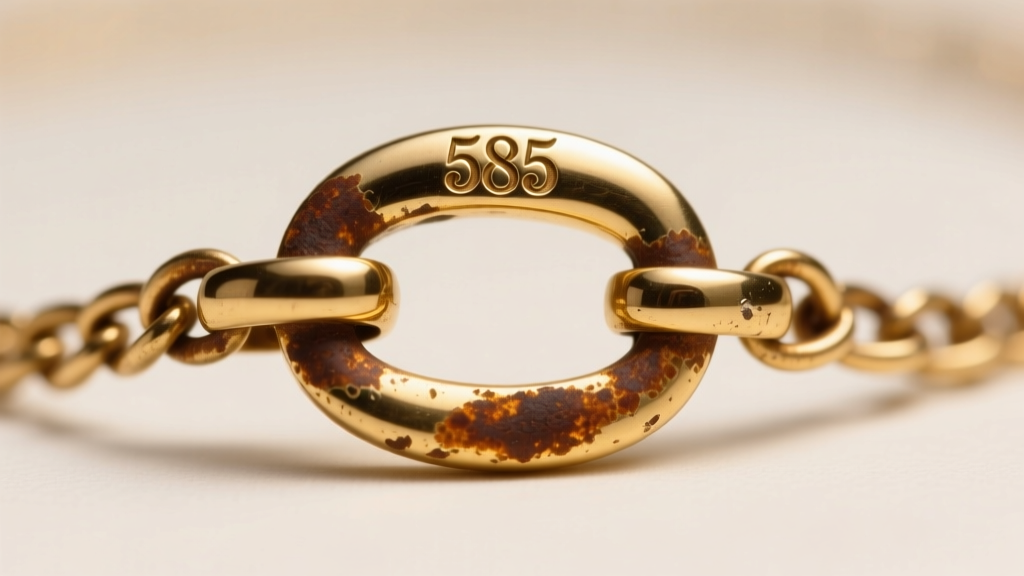
When shopping for authentic vintage pieces, always verify the hallmarks. According to the Gemological Institute of America (GIA), European vintage pieces will often bear numerical hallmarks like '375' for 9k gold or '585' for 14k gold, whereas American pieces from the same eras might only bear a maker's mark or a simple '14K' stamp. Furthermore, be highly cautious of 'foil-backed' stones in antique lockets; these are often glass or early synthetics designed to mimic the sparkle of diamonds or garnets, and they are extremely vulnerable to moisture.
When sourcing authentic estate pieces, platforms like 1stDibs or verified vintage dealers on Etsy are preferable to unvetted auction sites. Pay close attention to the clasp mechanisms: a true Victorian piece will feature a simple 'C' clasp or a push-in box clasp, whereas a modern lobster clasp on an 'antique' chain is an immediate indicator that the piece has been heavily altered or is a reproduction.
Maintenance & Care for Mixed-Metal Heirlooms
'The most common mistake collectors make with inherited jewelry is treating a 130-year-old Victorian locket with the same aggressive cleaning methods used for modern, solid-cast jewelry.' — Archive Jewelry Conservation Guidelines
Maintaining the sam's grandma necklace aesthetic requires a nuanced approach to jewelry care, particularly because the trend relies heavily on organic materials like pearls and porous gemstones (such as turquoise, opal, or moss agate).
- Never Use Ultrasonic Cleaners: Ultrasonic waves will shatter foil-backed antique stones and strip the nacre off older, delicate freshwater pearls.
- Pearl Hydration: Pearls are organic and require moisture. Wearing them against the skin provides natural oils that maintain their luster. Storing them in airtight plastic bags will cause them to dry out and crack.
- Oxidation Preservation: The dark, tarnished look of the outer silver chain is intentional. Do not use silver dip or polishing cloths on the oxidized links, as this will strip the blackened patina from the crevices, ruining the 'inherited' aesthetic.
For a comprehensive guide on maintaining organic gems, the GIA Pearl Care Guide strongly recommends wiping pearls with a soft, damp cloth after every wear to remove acidic skin oils and perfumes that can degrade the nacre over time.
Additionally, when storing your layered stack, keep the oxidized silver chain separate from the gold and pearls. Prolonged contact between disparate metals in humid environments can trigger galvanic corrosion, which will permanently pit the surface of the softer gold alloys.
Final Verdict: Is the Trend Here to Stay?
The sam's grandma necklace trend is not a fleeting micro-trend; it represents a fundamental shift in how younger consumers value jewelry. Moving away from the mass-produced, hyper-polished uniformity of the past decade, modern collectors are seeking narrative, texture, and individuality. By mastering the precise layering proportions and understanding the material realities of estate jewelry, you can build a layered necklace stack that feels deeply personal, historically grounded, and effortlessly chic for 2026 and beyond.


