Scapular Necklace Meaning: Devotional Jewelry Buying Guide
Discover the scapular necklace meaning and learn how to choose the right devotional medal, metal grade, and chain length in our expert buying guide.

The True Scapular Necklace Meaning: Sacramental vs. Fashion
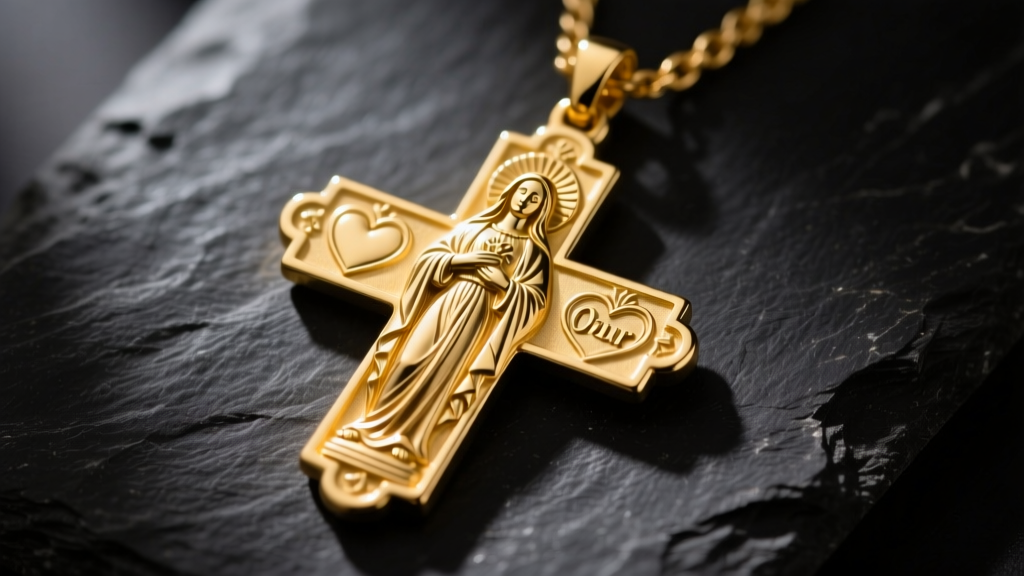
When exploring devotional jewelry, understanding the scapular necklace meaning is the critical first step before making a purchase. Unlike standard fashion crosses or saint medals, a scapular medal is a profound sacramental in the Catholic tradition. Historically, the Brown Scapular of Our Lady of Mount Carmel consisted of two small pieces of brown wool cloth connected by strings, worn over the shoulders. However, in 1910, Pope St. Pius X granted an indult allowing the faithful to substitute the cloth scapular with a scapular medal for practical and hygienic reasons, particularly in tropical climates or during military service.
According to the New Advent Catholic Encyclopedia, a valid scapular medal must feature the image of the Sacred Heart of Jesus on one side and the Blessed Virgin Mary (typically Our Lady of Mount Carmel) on the other. It is not merely a decorative pendant; it is a physical sign of a spiritual commitment, requiring the wearer to be formally enrolled by a priest or deacon. Therefore, when buying a scapular necklace, you are not just selecting a piece of jewelry—you are investing in a lifelong sacramental that demands both theological accuracy and physical durability.
Material Grades: Choosing Metals for 24/7 Devotion
Because a scapular is intended to be worn constantly—including while sleeping, showering, and exercising—the metal composition is the most important factor in your buying decision. Many mass-market religious goods stores sell plated metals that will degrade within months under continuous exposure to sweat and water.
| Metal Type | Composition | 24/7 Wearability | Maintenance Required |
|---|---|---|---|
| Solid 14k Gold | 58.5% Pure Gold | Excellent | Minimal; occasional soap wash |
| Solid 18k Gold | 75% Pure Gold | Very Good | Prone to scratching during manual labor |
| .925 Sterling Silver | 92.5% Silver, 7.5% Copper | Fair to Good | High; requires regular polishing to remove tarnish |
| Gold Vermeil | .925 Silver base, 2.5μm Gold | Poor | Plating will wear off in 6-12 months with daily wear |
| Surgical Steel | Iron, Chromium, Nickel/Moly | Excellent | None, but lacks sacramental tradition |
The Problem with Gold Vermeil and Plated Silver
If you are buying a scapular necklace for daily devotion, avoid gold vermeil or gold-plated brass. The constant friction against the skin, combined with the acidic pH of human sweat, will strip the microscopic gold layer away, leaving a dull, discolored base metal. If your budget does not allow for solid 14k gold, opt for rhodium-plated .925 sterling silver. Rhodium is a platinum-group metal that provides a hard, tarnish-resistant barrier over the silver, significantly extending the life of the piece.
Sizing and Proportions: Medal Dimensions
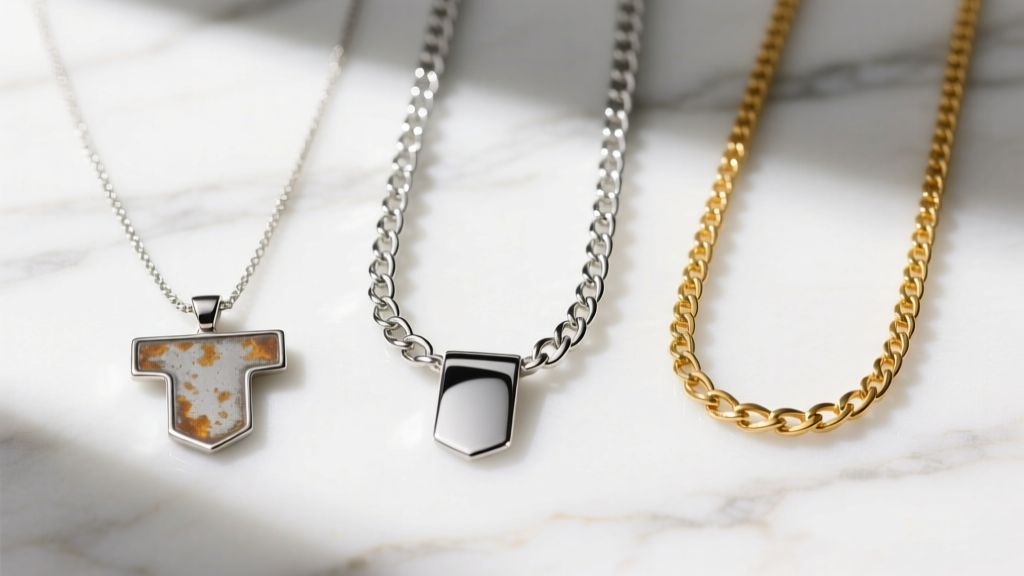
Scapular medals do not have a universally mandated size, but they must be large enough for the engravings of the Sacred Heart and the Blessed Virgin to be distinctly recognizable. When browsing jewelry listings, pay close attention to the millimeter (mm) dimensions of the pendant.
- 12mm - 15mm (Dainty/Minimalist): Ideal for layering with other delicate necklaces or for young children receiving their first scapular. The detailing is often simplified due to the small surface area.
- 16mm - 20mm (Standard): The most common size for adult women and men seeking a subtle, everyday piece. This size provides enough canvas for deep-relief casting or hand-engraving.
- 22mm - 30mm+ (Statement/Masculine): Preferred by men or those wearing the necklace over clothing. These larger medals require thicker chains to maintain visual balance and structural integrity.
Chain Styles and Clasp Durability
The chain is the structural backbone of your scapular necklace. A broken chain means a lost sacramental. The United States Conference of Catholic Bishops (USCCB) emphasizes treating sacramentals with reverence, which includes maintaining them in good repair so they are not discarded carelessly.
Chain Link Profiles
Box Chains: Composed of interlocking square links, box chains are the gold standard for 24/7 devotional wear. They are highly resistant to kinking and can withstand the tension of tossing and turning in your sleep. A 1.2mm to 1.5mm box chain is virtually indestructible under normal wear.
Cable Chains: The traditional oval-link chain. While classic, delicate cable chains (under 1.0mm) are prone to snapping if caught on clothing or hair. If you prefer a cable chain, ensure the links are soldered (welded shut) rather than simply bent closed.
Rolo Chains: Featuring uniform round links, rolo chains offer a middle ground between the durability of a box chain and the classic look of a cable chain. A 1.5mm rolo chain is an excellent, robust choice.
Clasp Mechanisms
Always check the clasp type before purchasing. Lobster claw clasps feature a secure, spring-loaded lever that is easy to operate and highly resistant to accidental opening. Avoid spring ring clasps for 24/7 wear; their tiny internal springs frequently fail, and the thin retaining rings can easily bend open under pressure.
Craftsmanship: Die-Struck vs. Cast Medals
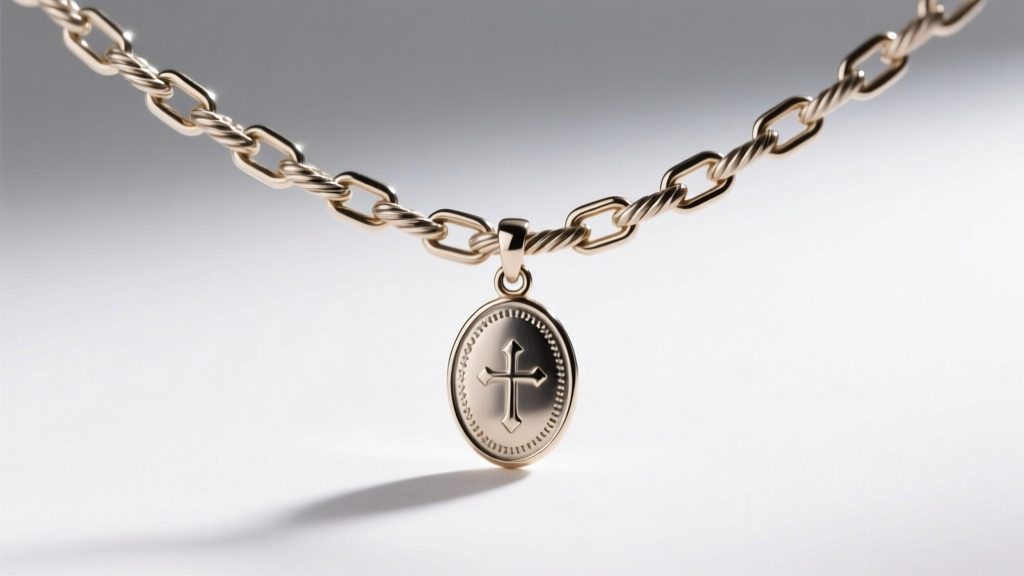
The manufacturing method of the medal dictates the crispness of the religious iconography. Die-struck medals are created by stamping a sheet of precious metal with immense pressure using a hardened steel die. This process compresses the metal, resulting in incredibly sharp, high-contrast details and a denser, more durable pendant. Cast medals, made via the lost-wax method, are more common in modern jewelry but can sometimes suffer from soft, rounded edges or minor porosity (tiny surface pits) if not finished by a master jeweler. When buying, look for product descriptions that specify 'die-struck,' 'deep relief,' or 'hand-finished castings' to ensure the faces of Jesus and Mary are rendered with the reverence they deserve.
Price Tiers and Market Expectations
Understanding the fair market value of a scapular necklace prevents you from overpaying for plated metals or underpaying for suspiciously cheap 'solid gold' claims.
- $35 - $80: High-quality .925 Sterling Silver (often rhodium-plated) with a sturdy box chain. Excellent entry-level choice.
- $90 - $180: 10k or 14k Gold Vermeil over heavy silver, or lightweight 10k solid gold. (Again, vermeil is not recommended for showering).
- $250 - $450: Solid 14k Gold with a durable 1.2mm chain. This is the 'sweet spot' for a lifelong, worry-free devotional piece that will outlast the wearer.
- $600+: Heavyweight 18k Gold or large, intricately hand-engraved artisan pieces from specialized religious jewelers.
Final Thoughts on Wearing Your Faith
Ultimately, the scapular necklace meaning transcends the precious metals and chain gauges discussed in this guide. It is a tangible reminder of spiritual protection and Marian devotion. However, because it is meant to be a constant companion in your daily life, investing in the right materials—specifically solid 14k gold or rhodium-plated sterling silver on a soldered box chain—ensures that your sacramental remains intact, beautiful, and ready to be passed down as a family heirloom for generations to come. Always remember to have your newly purchased medal blessed and to complete the formal enrollment process with your local parish priest to fully actualize its spiritual significance.


