Sea Necklace Materials: Oceanic Gems & Saltwater Metals Compared
Discover the best materials for a sea necklace. Compare oceanic gems, saltwater-resistant metals, and hardware for ultimate coastal durability.

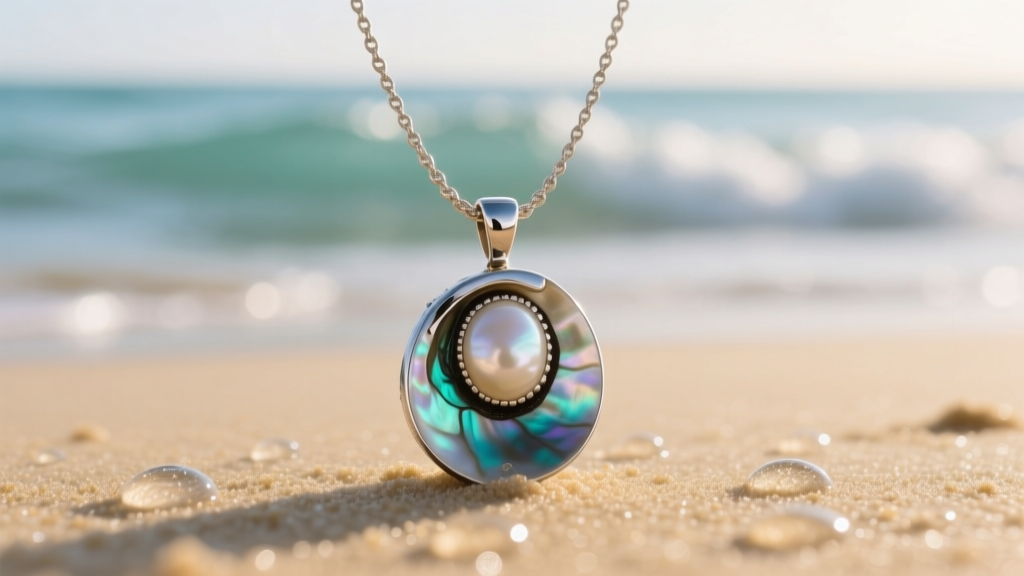
The Anatomy of a True Sea Necklace
A true sea necklace must bridge the gap between coastal aesthetics and harsh environmental durability. Whether you are designing a piece inspired by marine life or engineering a functional pendant to be worn while swimming in the ocean, the material selection process is unforgiving. Saltwater is a highly corrosive electrolyte, rich in chloride ions that rapidly degrade inferior metals and porous organic gems. Furthermore, coastal environments introduce abrasive silica (sand), UV radiation, and chemical contaminants like sunscreen. To build or buy a sea necklace that survives the tide, we must evaluate materials through the lens of metallurgical stability and gemological hardness.
Organic Marine Materials: Aesthetics vs. Durability
Organic gems are the soul of many ocean-inspired jewelry pieces. However, their biological origins make them inherently vulnerable to the very environment they represent.
Mother of Pearl and Abalone
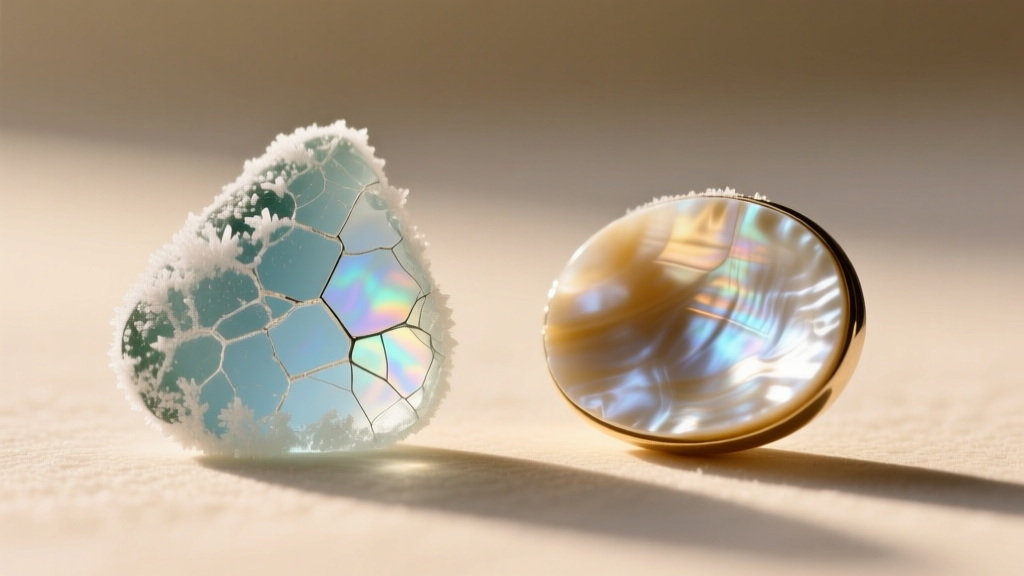
Nacreous materials like Mother of Pearl (MOP) and Abalone are calcium carbonate composites. According to the Gemological Institute of America (GIA), these organic gems rank between 2.5 and 4.5 on the Mohs hardness scale. This makes them highly susceptible to micro-scratching from airborne sand and coastal grit. More critically, calcium carbonate reacts violently with acids. The pH of human sweat, combined with the chemical filters in modern sunscreens (like avobenzone and octocrylene), can etch the surface of an abalone sea necklace pendant, permanently dulling its iridescence. If using nacreous materials, they must be set in protective bezels and reserved for occasional, non-submerged coastal wear.
Authentic Sea Glass
Unlike nacre, authentic sea glass is essentially amorphous silica, sharing the physical properties of quartz and glass. It boasts a Mohs hardness of 5.5 to 7.0, making it highly resistant to sand abrasion. The defining characteristic of sea glass—its frosted surface—is created by decades of tumbling in a high-pH saltwater environment, which leaches sodium from the glass surface. While structurally sound for ocean submersion, the micro-pitting that creates the frost can trap body oils and zinc oxide from sunscreens. A genuine sea glass sea necklace requires periodic ultrasonic cleaning or gentle scrubbing with a soft-bristle brush and mild dish soap to maintain its luminous, frosted glow.
Saltwater-Resistant Metals for Coastal Wear
The chain and setting of your sea necklace dictate its structural lifespan. Chloride ions in seawater aggressively attack the grain boundaries of susceptible alloys, leading to pitting and catastrophic failure.
Marine-Grade Stainless Steel (316L vs. 304)
Not all stainless steel is created equal. Standard 304 stainless steel, commonly used in affordable fashion jewelry, lacks the necessary elements to resist prolonged saltwater exposure. For a functional sea necklace, 316L marine-grade stainless steel is the absolute minimum requirement. As detailed in metallurgical resources like Britannica's guide to stainless alloys, 316L contains 2% to 3% molybdenum. This specific addition dramatically increases the alloy's resistance to pitting corrosion from chloride environments. The "L" denotes low carbon, which prevents carbide precipitation during welding, ensuring the structural integrity of cast or soldered pendants.
Titanium and Niobium
For the ultimate saltwater immunity, Grade 2 or Grade 4 commercially pure titanium is unmatched. Titanium forms a passive, self-healing titanium dioxide (TiO2) layer upon exposure to oxygen. Even if scratched by a rock while surfing, the oxide layer reforms instantly in the presence of water, rendering it completely impervious to saltwater corrosion. Niobium offers similar corrosion resistance and is highly valued for its ability to be anodized into vibrant, permanent oceanic colors (blues, teals, and purples) without the use of easily degraded surface dyes or enamels.
Solid Gold: 14k vs. 18k in Marine Environments
Pure 24k gold is entirely immune to saltwater tarnish, but it is too soft for jewelry. When alloying gold, the karat weight changes its physical durability. 18k gold (75% pure gold) offers rich color but is relatively soft, making it prone to deep gouging from beach sand. 14k gold (58.5% pure gold) contains higher percentages of copper, silver, and zinc. This higher alloy content not only lowers the price point but significantly increases the Vickers hardness of the metal, making 14k solid gold the superior choice for a rugged, everyday sea necklace chain. Never use gold-plated brass or copper-core gold-filled wires for ocean wear; once the microscopic outer layer is breached by saltwater, galvanic corrosion will rapidly destroy the base metal from the inside out.
Comprehensive Material Comparison Matrix
Use the following data table to evaluate materials based on specific coastal stressors.
| Material | Mohs Hardness | Saltwater Immersion | Sunscreen / Acid Resistance | Best Application |
|---|---|---|---|---|
| 316L Stainless Steel | 5.5 | Excellent | Excellent | Heavy-duty chains, clasps, structural bezels |
| Grade 2 Titanium | 6.0 | Flawless | Flawless | Hypoallergenic pendants, anodized components |
| 14k Solid Gold | 3.5 - 4.0 | Excellent | Good (may tarnish from copper alloys) | Premium chains, fine coastal layering pieces |
| Authentic Sea Glass | 5.5 - 7.0 | Excellent | Moderate (traps oils in frost) | Statement pendants, wire-wrapped focal beads |
| Mother of Pearl | 2.5 - 4.5 | Poor (degrades over time) | Poor (etches from acids) | Occasional wear, protected inlay settings |
Stringing and Hardware: The Hidden Failure Points
A sea necklace is only as strong as its weakest link, and in coastal jewelry, the failure point is almost always the stringing material or the clasp mechanism.
Synthetic vs. Organic Cords
Traditional silk cord, while beautiful for pearl knotting, is a protein-based fiber that rapidly degrades when exposed to saltwater, high humidity, and UV light. It will stretch, rot, and eventually snap. For a functional ocean necklace, you must engineer the stringing with synthetic alternatives. Ultra-High-Molecular-Weight Polyethylene (UHMWPE), sold under brand names like Dyneema or Spectra, offers a strength-to-weight ratio up to 15 times greater than steel. It is completely inert, waterproof, and UV-resistant, making it the gold standard for stringing heavy sea glass or shell pendants. Alternatively, nylon-coated marine-grade stainless steel beading wire provides necessary rigidity for structured collar necklaces.
Clasp Mechanics in High Humidity
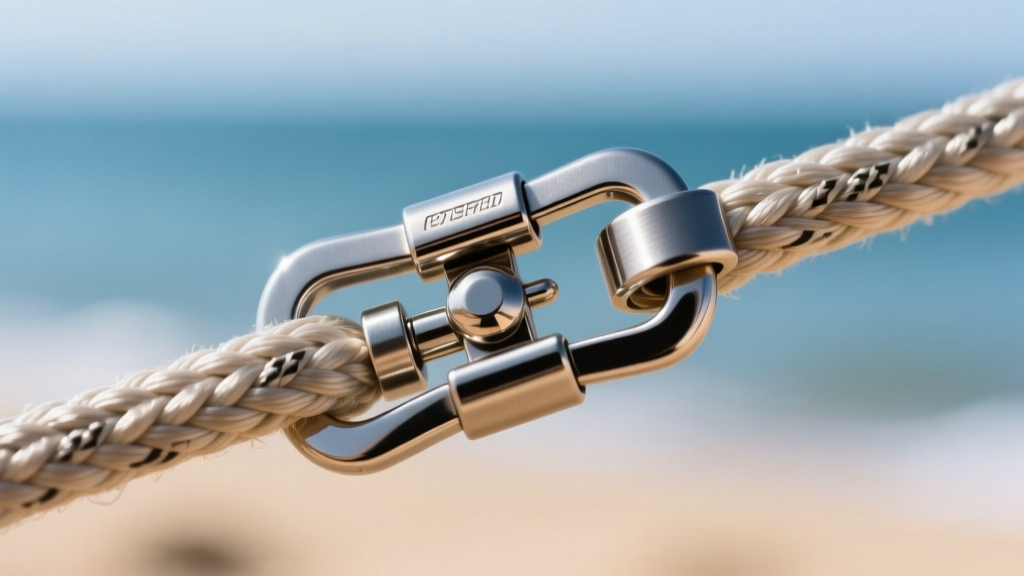
Standard spring-ring clasps rely on a tiny internal steel spring. In a saltwater environment, moisture penetrates the microscopic gap in the clasp housing, rusting the spring solid within weeks. To prevent this, utilize solid-cast titanium or 316L stainless steel lobster clasps, magnetic neodymium clasps encased in marine-grade silicone, or traditional S-hooks forged from solid 14k gold. Eliminating internal moving parts is the most reliable way to ensure your clasp survives repeated ocean submersion.
Expert Care and Maintenance Protocol
Even the most robust materials require specific maintenance to retain their structural and aesthetic integrity after coastal exposure.
- The Freshwater Flush: Immediately after ocean wear, submerge the sea necklace in distilled or clean tap water for 5 minutes. This halts the evaporation process that leaves behind highly concentrated, corrosive salt crystals in the crevices of your settings.
- Ultrasonic Warnings: Never place organic marine gems (abalone, MOP, coral, or natural pearls) in an ultrasonic cleaner. The high-frequency cavitation bubbles will shatter the delicate nacreous layers. Ultrasonic cleaning is strictly reserved for bare 316L steel, titanium, and solid sea glass.
- Drying Protocol: Do not air-dry on a towel, as trapped moisture promotes localized corrosion in alloy joints. Use a low-heat hair dryer or compressed air to force water out of jump rings and clasp housings before storing in a low-humidity environment.
Final Thoughts on Coastal Engineering
Designing or selecting the perfect sea necklace requires a compromise between raw organic beauty and synthetic durability. By prioritizing molybdenum-enriched 316L stainless steel, inert titanium, and high-hardness silica glass, while completely avoiding porous calcium carbonates and plated base metals, you ensure your jewelry withstands the relentless power of the ocean. True coastal jewelry is not just inspired by the sea; it is engineered to survive it.


