Shark Necklace Value Guide: Pricing, Metals & What to Pay
Discover the true value of a shark necklace. Compare pricing tiers, metal grades, and ethical sourcing to ensure you never overpay for surf jewelry.

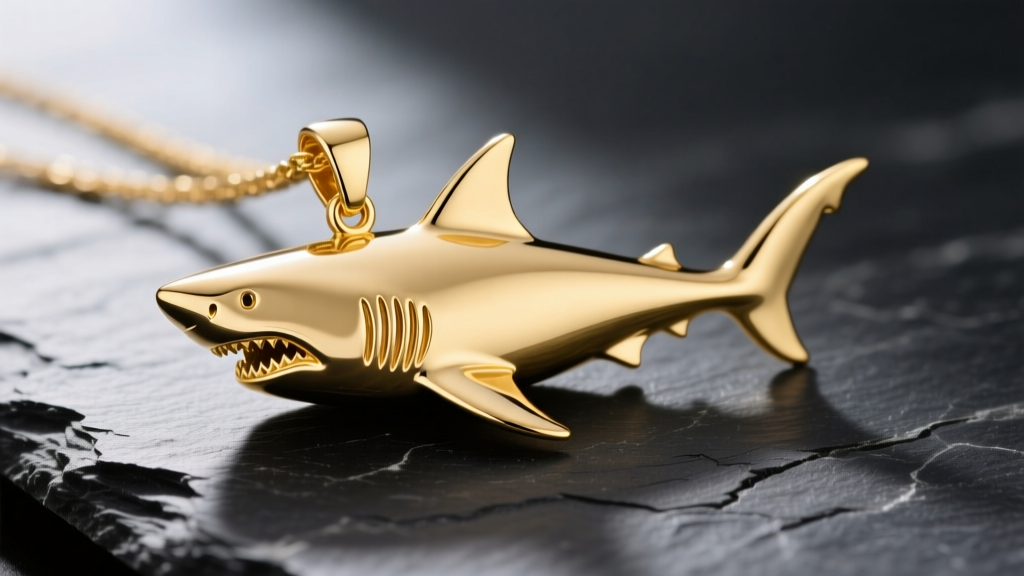
The shark necklace has fully transcended its 1970s surf-culture origins to become a permanent fixture in modern streetwear, high fashion, and everyday minimalist jewelry. However, as the aesthetic continues to dominate trend forecasts into 2026, the market has become heavily saturated. Today’s buyers are faced with a massive spectrum of options, ranging from $12 dropshipped zinc-alloy trinkets to $2,500 artisan-cast solid gold pieces.
How do you assess the true value of a shark necklace? Whether you are looking at a great white silhouette, a hammerhead profile, or a fossilized megalodon tooth, understanding the metallurgy, casting techniques, and ethical sourcing behind the piece is the only way to ensure you are paying a fair price. This comprehensive value assessment breaks down exactly what you should expect to pay based on materials, craftsmanship, and market positioning.
The Material Matrix: What Justifies the Price Tag?
The single largest factor in determining the baseline value of any shark pendant is the metal composition. Mass-market brands often use deceptive marketing terms like "silver-tone" or "gold-plated" to mask base metals that will degrade within months. According to the FTC Jewelry Guides, strict standards govern how metals can be stamped and advertised, yet fast-fashion brands frequently skirt these rules by omitting stamps entirely.
| Material Grade | Expected Price Range | Longevity & Wear | Value Verdict |
|---|---|---|---|
| Zinc Alloy / Brass (Flash Plated) | $15 - $40 | Poor. Plating (under 0.5 microns) wears off in weeks, exposing skin to nickel and copper. | Low Value. Avoid if you have sensitive skin or want longevity. |
| 925 Sterling Silver (Solid) | $60 - $150 | Excellent. Can tarnish but is easily polished. Will last generations. | High Value. The sweet spot for budget-conscious buyers seeking real precious metal. |
| 14k Solid Gold (585) | $350 - $800 | Superior. Highly resistant to tarnish and corrosion. Ideal for daily ocean wear. | Premium Value. Best for heirloom pieces and daily surfers. |
| Titanium / Surgical Steel | $45 - $90 | Exceptional. Hypoallergenic and virtually indestructible, but lacks precious metal resale value. | Niche Value. Great for active lifestyles on a strict budget. |
When evaluating a sterling silver shark necklace, always look for the "925" stamp on the bail (the loop that connects the pendant to the chain). If a piece is marketed as silver but lacks this stamp, you are likely overpaying for a base-metal replica.
Real Shark Teeth vs. Metal Replicas: An Ethical and Financial Breakdown
A major subcategory of the shark necklace market involves actual shark teeth. The value and ethics of these pieces vary wildly depending on whether the tooth is fossilized, sourced from modern bycatch, or illegally harvested. The Convention on International Trade in Endangered Species (CITES) strictly regulates the trade of many modern shark species, making the unverified sale of contemporary great white or whale shark teeth not only unethical but potentially illegal.
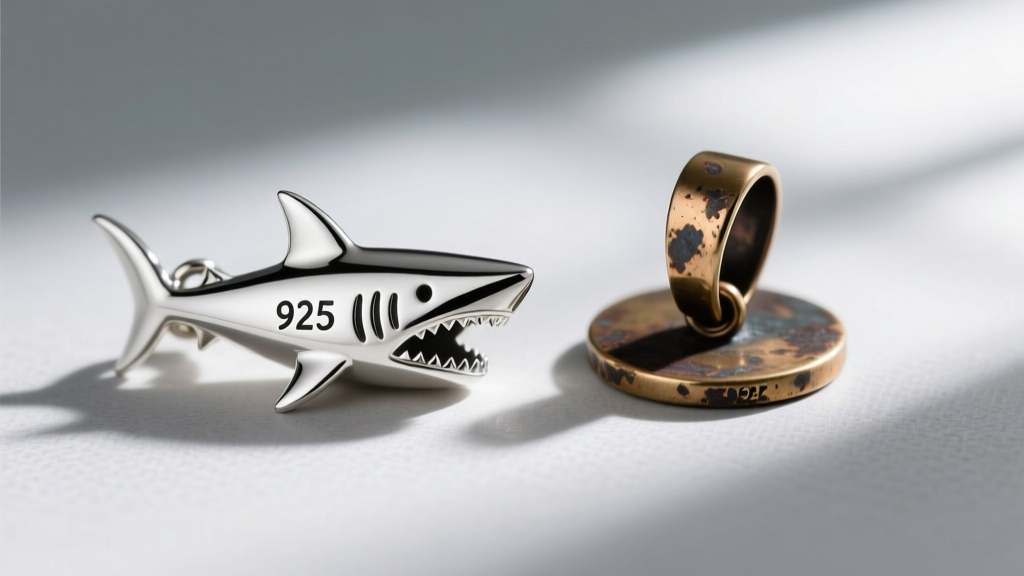
The Ethical Standard: True collectors and high-end jewelers exclusively use fossilized shark teeth (such as the Otodus megalodon or extinct Carcharodon carcharias) or legally documented bycatch from regulated fisheries. If a vendor cannot provide the provenance of a modern shark tooth, the financial and ethical value of the necklace drops to zero.
Metal replicas offer a guilt-free alternative, but their value depends on the manufacturing method. Die-stamped shark pendants (where metal is pressed into a mold) often feature flat, lifeless profiles and visible seam lines. Conversely, lost-wax cast pieces—where a 3D-printed or hand-carved wax model is used to create a mold—result in fully three-dimensional, highly detailed sharks with textured gills and realistic fins. Lost-wax casting commands a 30% to 50% premium over die-stamping, but the artistic value is vastly superior.
Chain and Clasp Value: The Hidden Cost Centers
A common trap when assessing a shark necklace is focusing entirely on the pendant while ignoring the chain. A $400 solid gold shark tooth pendant strung on a hollow, gold-plated brass chain is a massive failure in value engineering. The chain and clasp are the primary failure points in any necklace.
- Jump Ring Gauge: The jump ring (the small circle connecting the pendant to the chain) should be at least 18-gauge or 20-gauge wire. Thinner 22-gauge rings will easily pull apart if the pendant snags on a wetsuit or clothing.
- Chain Construction: Avoid "hollow" rope or curb chains. They are lightweight and prone to crushing. A solid 14k cable or box chain weighing between 2 to 4 grams provides the necessary tensile strength to hold a heavy metal or fossilized shark pendant.
- Clasp Mechanics: Spring ring clasps are standard on budget chains but fail frequently due to weak internal springs. A high-value necklace will feature a lobster clasp or a secure toggle clasp, ensuring the heavy pendant remains safely around your neck.
The 3-Tier Pricing Framework
To determine if you are getting a fair deal, place the shark necklace you are considering into one of the three current market tiers.
Tier 1: Fast Fashion & Mass Market ($15 - $45)
At this level, you are paying for the design, not the materials. These necklaces are typically made from zinc alloys or brass with microscopic "flash" gold or rhodium plating (usually less than 0.2 microns thick). The shark designs are often stolen from independent artists and mass-produced in overseas factories. While fine for a temporary festival accessory, the cost-per-wear is actually quite high, as these pieces will tarnish, turn your skin green, and break within a few months of daily wear.
Tier 2: Independent Surf Brands & Artisan Silversmiths ($70 - $250)
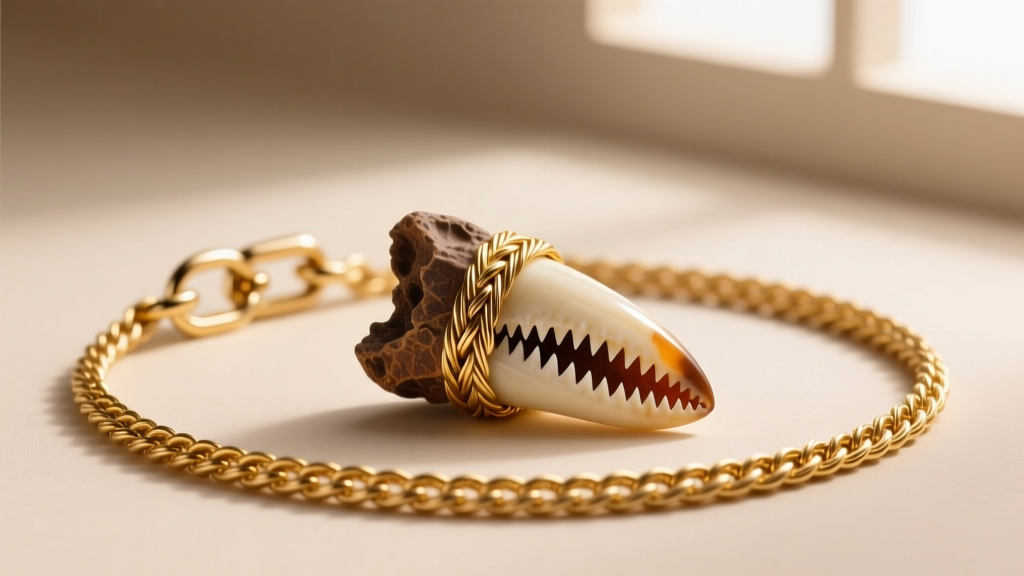
This is the highest value tier for the average consumer. Brands in this space use solid 925 sterling silver, heavy gold vermeil (a minimum of 2.5 microns of gold over sterling silver), or ethically sourced fossilized teeth wrapped in custom wire. You are paying for original CAD designs, quality lost-wax casting, and durable chains. A well-crafted 925 silver great white pendant on a solid cable chain should cost around $110 to $140. Anything significantly higher in this tier should include unique gemstone accents (like a sapphire eye) or intricate hand-engraving.
Tier 3: Fine Jewelry & Master Casters ($400 - $2,000+)
At the top tier, you are investing in solid 14k or 18k gold, platinum, or masterfully preserved megalodon fossils encased in custom gold bezels. According to the Gemological Institute of America (GIA), the purity of gold alloys directly impacts both the color and durability of the piece. A 14k gold shark pendant offers the perfect balance of rich color and structural hardness to protect delicate fins from bending. Pricing here is dictated by the daily melt value of gold, the weight of the piece (typically 4 to 10 grams for a standard pendant), and the jeweler's bench time.
How to Spot a Low-Value Shark Pendant
Before purchasing, run the necklace through this quick physical inspection checklist to avoid overpaying for disguised junk:
- Check the Seams: Run your fingernail along the edge of the shark's dorsal fin and tail. If you feel a raised, sharp line, the piece was cheaply die-cast and poorly finished. High-value cast pieces are seamlessly filed and polished.
- Inspect the Bail: Look at the loop that holds the chain. Is it soldered shut, or is it a split ring? Split rings on heavy pendants will eventually pull open, resulting in a lost necklace.
- Beware of "Tibetan Silver": This is a common marketing trick. Tibetan silver contains zero actual silver; it is a copper-nickel-zinc alloy that will rapidly oxidize and potentially cause severe contact dermatitis.
- Weigh the Piece: A solid metal shark pendant should have a noticeable, reassuring heft. If it feels exceptionally light, it is likely hollow-cast or made from plastic resin with a metallic spray coating.
Ultimately, a shark necklace is a bold statement piece that bridges the gap between oceanic reverence and personal style. By prioritizing solid metals, ethical sourcing, and robust chain hardware, you can secure a piece that holds its aesthetic and financial value for decades, rather than a fleeting trend that ends up tarnished in the back of a drawer.


