The Significance of Sideways Cross Necklace: History & Styling
Discover the significance of sideways cross necklace jewelry. Explore its historical roots, modern styling tips, and the best metals for everyday wear.

Introduction: More Than Just a Trend
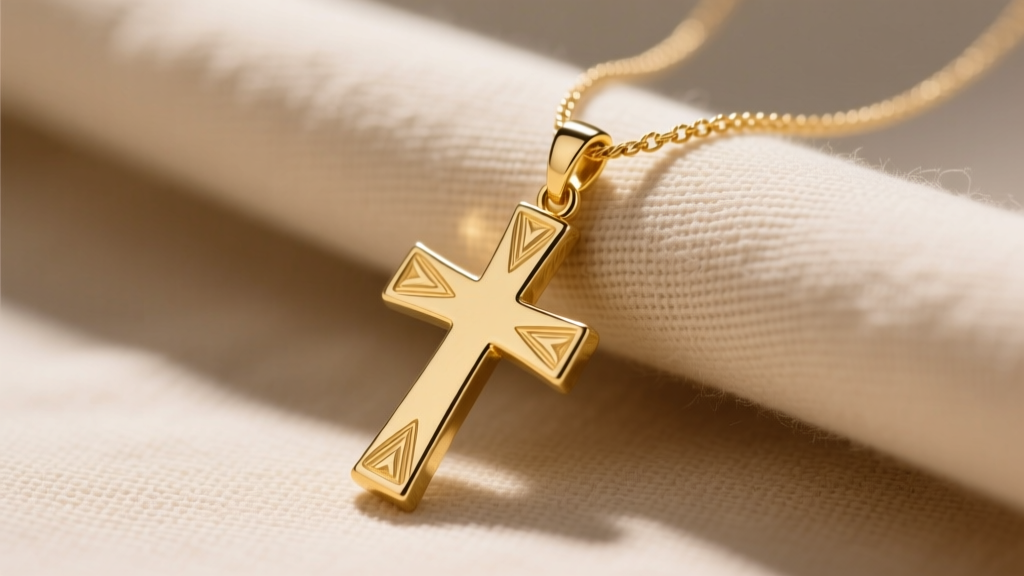
When browsing modern jewelry collections, you will inevitably encounter the horizontal cross pendant. While traditional vertical crosses have dominated religious and fashion jewelry for centuries, the sideways orientation offers a distinct aesthetic and symbolic shift. For beginners entering the world of symbolic jewelry, understanding the significance of sideways cross necklace designs is essential before making a purchase. This guide breaks down the historical context, metallurgical standards, and precise styling mechanics you need to know to choose, wear, and care for a horizontal cross pendant in 2026.
The True Significance of Sideways Cross Necklace Designs
The meaning behind a sideways cross is multifaceted, bridging ancient theology and contemporary minimalism. To understand its appeal, we must separate historical myth from modern symbolism.
The Historical and Theological Context
A common misconception is that the sideways cross is directly tied to the crucifixion of Saint Peter. According to historical tradition and texts documented by sources like Britannica's guide to religious symbols, Saint Peter requested to be crucified upside down (the inverted or Petrine cross) because he felt unworthy to die in the same manner as Jesus. The sideways cross, however, does not have a direct, dogmatic link to this specific event. Instead, the horizontal cross has historically appeared in various monastic orders and architectural elements to represent the 'keys to the kingdom' crossed, or simply as a structural variation of the traditional Latin cross.
Modern Minimalist Interpretations
In contemporary fashion, the significance of sideways cross necklace jewelry has evolved. Stripped of strict orthodox dogma, the horizontal orientation represents the horizon, earthly balance, and the intersection of different life paths. It appeals to those who want to wear a symbol of faith, hope, or grounding without the overt, traditional religious statement of a vertical crucifix. It sits flush against the collarbone, following the natural horizontal lines of the body, making it a staple in minimalist and 'quiet luxury' aesthetics.
Metallurgy 101: Selecting the Right Material
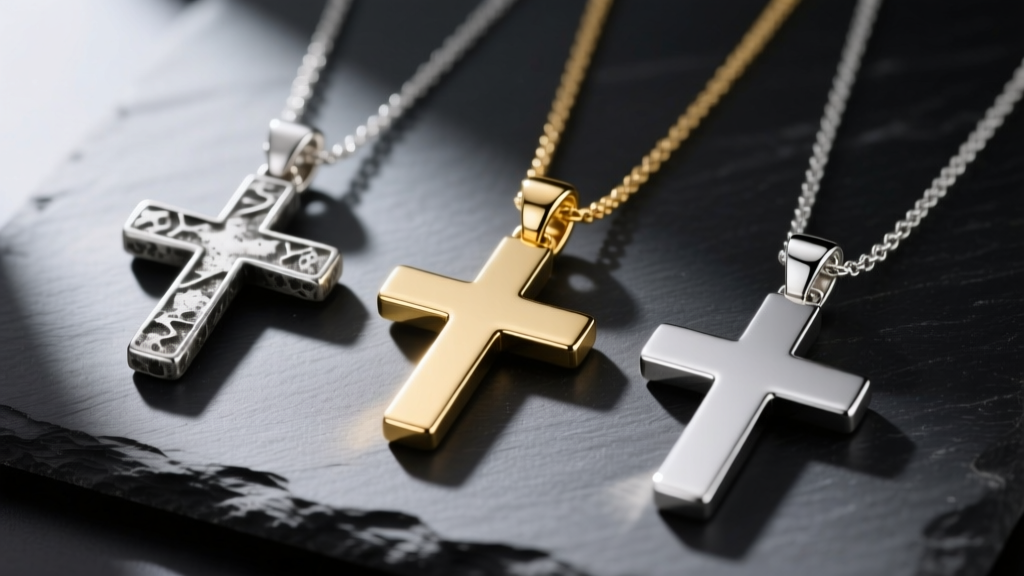
The longevity of your pendant depends entirely on its metallurgical composition. Because cross pendants often feature sharp corners and thin arms, they are prone to bending or snapping if cast in metals that are too soft. Here is a breakdown of the most common materials used for horizontal crosses.
| Metal Type | Durability & Characteristics | Best For | Average Price Range |
|---|---|---|---|
| Sterling Silver (.925) | Contains 92.5% silver and 7.5% copper. Prone to tarnishing but easily polished. Can bend if the cross arms are too thin. | Budget-friendly buyers and occasional wear. | $35 - $85 |
| Gold Vermeil | Sterling silver base plated with gold. The FTC requires a minimum of 2.5 microns of gold thickness for the 'vermeil' label. | Everyday wearers who want the look of gold without the solid gold price tag. | $60 - $140 |
| Solid 14k Gold | 58.5% pure gold alloyed with metals like zinc and copper. Highly resistant to tarnish, scratching, and bending. The industry standard for fine jewelry. | Lifetime wear, showering, and sleeping. | $250 - $550 |
| Solid 18k Gold | 75% pure gold. Richer yellow hue but softer than 14k. Thin arms on an 18k sideways cross may warp under physical stress. | Special occasion wear and high-end luxury collectors. | $400 - $900+ |
According to the Gemological Institute of America (GIA), 14k gold remains the optimal choice for pendants with intricate or elongated shapes, like a horizontal cross, because the higher alloy content provides necessary structural rigidity. If you opt for vermeil, always verify the micron thickness; anything less than 2.5 microns is considered 'flash plating' and will wear off within months of daily use.
Chain Mechanics: Width, Bail, and Friction
A common mistake beginners make is pairing a delicate sideways cross with an overly thick or heavy chain. The mechanics of the pendant's bail (the loop that connects the cross to the chain) dictate which chains are safe to use.
- The Jump Ring Bail: Most minimalist sideways crosses use a simple soldered or unsoldered jump ring. If your chain is thicker than 2.0mm, the metal-on-metal friction will eventually saw through the jump ring, causing you to lose the pendant. Stick to 1.0mm - 1.5mm chains.
- Cable Chains: The classic choice. The uniform oval links allow the horizontal cross to lay flat against the chest without twisting.
- Box Chains: While incredibly strong, box chains can sometimes catch on the sharp 90-degree corners of a cross pendant. If you choose a box chain, ensure the edges of the links are rounded (diamond-cut).
- Rolo Chains: Featuring round, interlocking links, rolo chains offer a vintage feel but add visual weight. They pair best with slightly chunkier, matte-finished sideways crosses rather than delicate, high-polish designs.
Layering Math: How to Stack a Horizontal Cross
The horizontal orientation of the cross makes it an exceptional anchor piece for a layered necklace stack. Because it spans outward rather than dropping downward, it prevents the 'tangled pendant' issue common with vertical layering.
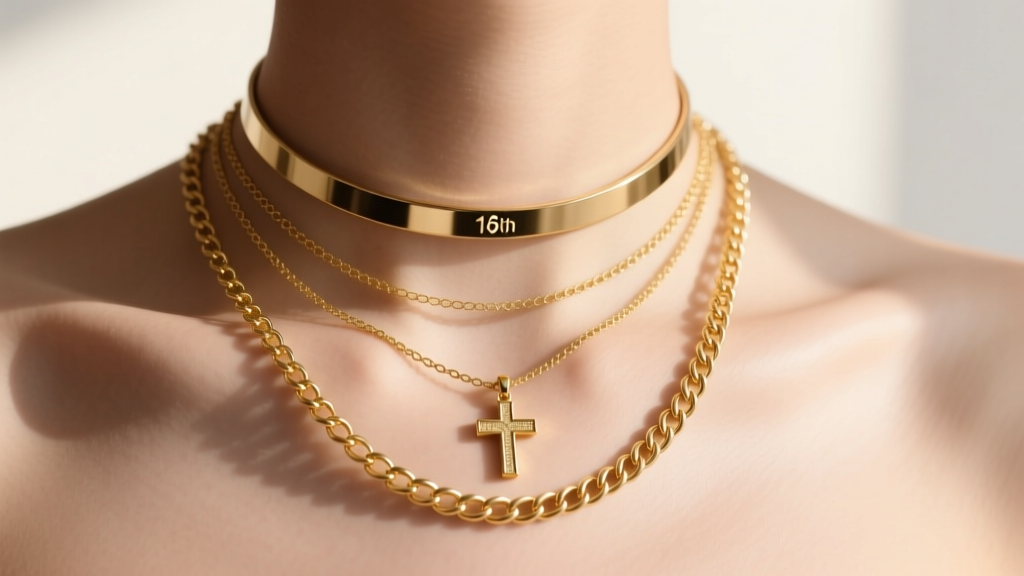
The Perfect 3-Piece Stack Formula
To achieve a balanced, professional-looking stack, you must maintain a strict 2-inch length variance between each chain.
- Layer 1 (14 to 16 inches): A simple, lightweight choker. A 1.2mm gold cable chain or a delicate pearl strand sits right at the base of the neck.
- Layer 2 (18 inches): Your sideways cross pendant. At 18 inches, the horizontal arms of the cross will sit perfectly in the hollow of the collarbone, acting as the visual centerpiece.
- Layer 3 (20 to 22 inches): A longer, textured chain (like a rolo or paperclip chain) or a secondary pendant (like a simple gold disc or solitaire diamond drop) to draw the eye downward.
Price Guide and Investment Tiers
Understanding the market pricing for sideways cross necklaces will help you avoid overpaying for inferior materials or underestimating the cost of solid gold.
- Fashion & Entry-Level ($20 - $50): Typically brass or stainless steel with thin gold plating. Acceptable for testing the trend, but expect skin discoloration or tarnishing within a season.
- Demi-Fine ($60 - $150): Sterling silver or high-quality gold vermeil. This is the sweet spot for beginners who want a premium look and decent longevity, provided they follow proper care routines.
- Fine Jewelry ($250 - $800+): Solid 14k or 18k gold, potentially featuring small pavé diamonds along the horizontal arms. This is an heirloom-tier investment that will outlast decades of daily wear.
Care and Maintenance for Cross Pendants
Because a sideways cross features multiple crevices where the arms intersect, it is a magnet for lotion buildup, dead skin cells, and environmental dust. To maintain the brilliance of your pendant, follow these specific care protocols based on your metal choice. For sterling silver and vermeil, use a specialized jewelry polishing cloth infused with anti-tarnish agents. Avoid liquid chemical dips, as they can strip the gold plating off vermeil or remove intentional oxidation (darkening) from silver crevices. For solid gold, a simple soak in warm water with a few drops of mild dish soap, followed by a gentle scrub with a baby-bristle toothbrush, will safely dislodge debris from the corners of the cross without scratching the metal. Always refer to the Federal Trade Commission's Jewelry Guides if you need to verify the legal definitions of the metal stamps and hallmarks on your piece.
Final Thoughts
The significance of sideways cross necklace jewelry lies in its unique ability to bridge the gap between deep personal meaning and sleek, modern design. By understanding the historical nuances, selecting the appropriate metal grade for your lifestyle, and pairing it with the correct chain mechanics, you can elevate this symbolic piece from a fleeting trend to a permanent staple in your everyday wardrobe. Whether worn alone as a subtle statement of balance or layered as the centerpiece of a curated stack, the horizontal cross remains a timeless testament to intersecting paths and grounded elegance.


