How to Tie and Style a Silk Scarf Necklace: Beginner Guide
Discover how to tie, style, and wear a silk scarf necklace. Learn about momme weights, knot techniques, and hardware for an elegant, effortless look.


The silk scarf necklace is a masterclass in accessible luxury. Unlike rigid metal chains or heavy gemstone pendants, a silk scarf necklace offers unparalleled versatility, softening harsh necklines and injecting a burst of color or pattern into any outfit. Whether you are repurposing a vintage Hermès square or investing in a modern, minimalist twilly, mastering the art of the scarf necklace requires an understanding of fabric weights, precise dimensions, and the right hardware. This beginner-friendly guide will walk you through everything from decoding silk momme weights to executing three essential knots that will instantly elevate your jewelry rotation.
Understanding the Anatomy: Twilly vs. Skinny vs. Square
Before you begin tying, it is crucial to identify the type of silk scarf you are working with. The dimensions of the silk dictate which knots are physically possible and how the final necklace will drape against your collarbone.
The Twilly
Measuring approximately 34 inches long by 2 inches wide, the twilly is the most popular format for scarf necklaces. Its compact size makes it ideal for choker-style wraps, tight braids, and delicate bows. Because it lacks excessive bulk, the twilly sits flush against the skin, mimicking the profile of a ribbon choker or a thin silk cord.
The Skinny Scarf
Often measuring 70 inches by 2.5 inches, the skinny scarf (sometimes called a bandeau) provides the length needed for dramatic, sweeping drapes or multiple loops around the neck. This style is perfect for creating a 'lariat' effect, where the long tails cascade down the chest, drawing the eye vertically and elongating the torso.
The Folded Square
A standard 36x36-inch silk square can be transformed into a necklace through careful folding. By folding the square diagonally and then rolling it tightly from the longest edge toward the opposite point, you create a custom, thicker cord. This method yields a more substantial, rope-like necklace that holds complex knots exceptionally well.
Decoding Silk Momme Weight
According to the MasterClass silk fabric guide, momme (abbreviated as mm) is the standard unit used to measure the weight and density of silk fabric. Think of it like thread count in cotton; a higher momme weight indicates a heavier, more durable, and more opaque silk. For scarf necklaces, the momme weight directly impacts how the fabric holds a knot.
| Momme Weight | Drape Quality | Best Scarf Style | Knot Complexity |
|---|---|---|---|
| 12mm - 14mm | Lightweight, airy, slightly sheer | Twilly, thin ribbons | High (holds tight, intricate bows) |
| 16mm - 19mm | Medium weight, fluid drape | Skinny scarves, folded squares | Medium (ideal for slides and drapes) |
| 22mm - 25mm | Heavy, structured, luxurious | Large squares, winter silks | Low (too bulky for tight knots) |
For beginners, a 16mm silk twill is the ultimate sweet spot. It possesses enough body to prevent the knot from slipping, yet remains supple enough to thread through metal hardware without fraying.
Essential Hardware for Scarf Necklaces
While you can certainly rely on knots alone, integrating jewelry hardware transforms a simple piece of fabric into a structured, intentional necklace. Investing in a few key findings will vastly expand your styling options.
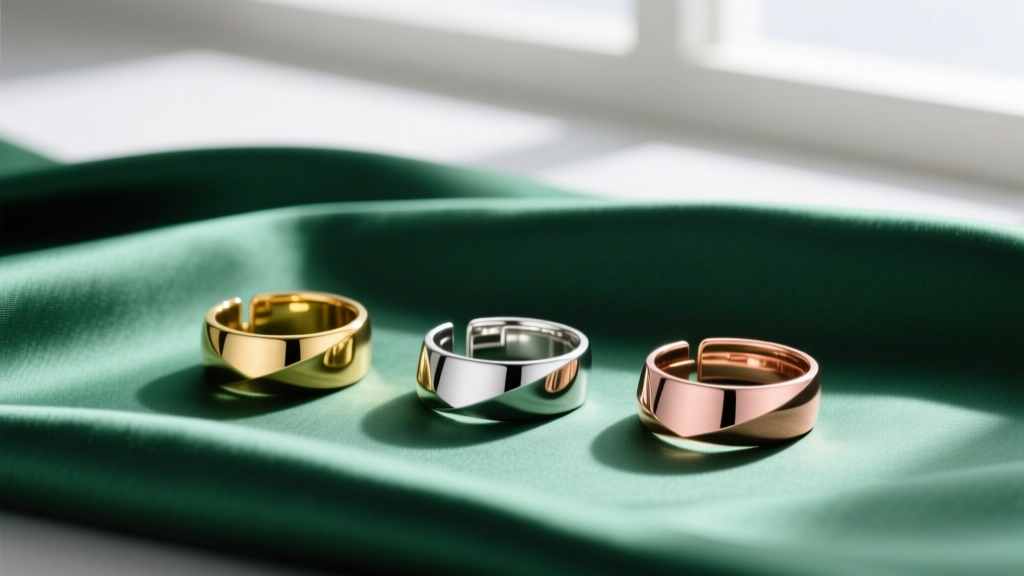
- Scarf Slide Rings: These are open or hinged metal rings (typically 1 to 1.5 inches in diameter) designed to gather the silk. Look for 18k gold-vermeil over brass or rhodium-plated sterling silver to avoid tarnishing the delicate silk fibers. Expect to pay between $25 and $60 for high-quality slides.
- Leather Cord Integrations: For a bohemian edge, you can weave a thin silk twilly through a leather cord necklace, securing the ends with metallic crimp beads.
- Magnetic Clasps: If you struggle with tying symmetrical bows, magnetic tube clasps with loops on each end allow you to tie the silk to the loops and simply snap the necklace shut behind your neck.
Step-by-Step Knot Tutorials for Beginners
As highlighted in Vogue's comprehensive scarf styling guide, the secret to a polished scarf necklace lies in the tension of the knot. Pulling too tightly creates a harsh, wrinkled bulb, while leaving it too loose risks the scarf unraveling throughout the day. Here are three foundational techniques to master.
1. The Parisian Slide
This is the most foolproof method for beginners and requires a scarf slide ring or a simple metal bangle. Fold your skinny scarf or twilly in half to create a loop at one end. Drape the scarf around your neck so the loop rests on one side and the two loose tails hang on the other. Take the two loose tails, cross them over each other, and thread them down through the loop. Pull gently to tighten against your collarbone, then slide a metal ring over the knot to conceal it and add a flash of metallic hardware.
2. The Braided Choker
Best executed with a 34-inch twilly, this style creates a textured, rope-like effect. Start by folding the twilly in half. Hold the folded end at the nape of your neck and bring the two ends to the front. Twist each individual strand clockwise, then wrap them around each other counter-clockwise. This opposing tension locks the braid in place. Secure the ends at the back of your neck with a tight double knot or a small, clear elastic band hidden beneath your hair.
3. The Asymmetrical Side Knot
For a relaxed, effortlessly chic look, drape a long skinny scarf unevenly around your neck, leaving one side roughly 12 inches longer than the other. Take the longer end and wrap it around the shorter end twice, pulling it through the gap to create a simple overhand knot. Slide the knot to the side of your neck, just below the earlobe, and gently tug the tails to adjust the drape. This draws attention to the jawline and pairs beautifully with swept-up hairstyles.
Matching Your Scarf Necklace to Necklines
The silhouette of your clothing dictates the volume and length of your silk scarf necklace. A mismatched pairing can result in a cluttered neckline or a completely lost accessory.

- V-Necklines: Opt for a lariat-style drape or a long, asymmetrical knot that follows the V-shape of the garment. Avoid thick, choker-style wraps, which will visually cut off the elongating effect of the V-neck.
- Crew Necks: A tightly tied twilly choker or a Parisian slide knot resting exactly at the hollow of the throat provides a sharp, contrasting focal point against the high, rounded hem of the shirt.
- Boat Necks and Off-the-Shoulder: These wide necklines expose a vast expanse of the collarbone and chest. Use a heavily folded square silk scarf tied in a loose, voluminous bow to fill the negative space without looking sparse.
Caring for Your Silk Investment
Silk is a natural protein fiber that requires specific care to maintain its luster and structural integrity. When worn as a necklace, the silk is constantly exposed to perfumes, body oils, and friction from metal hardware.
Always apply your fragrance and hairspray before putting on your silk scarf necklace to prevent alcohol-based chemicals from degrading the dye. When it comes time to clean the scarf, avoid standard alkaline laundry detergents, which will strip the silk of its natural sericin coating. Instead, hand wash the piece in cold water using a pH-neutral detergent specifically formulated for delicates. Never wring or twist the silk; gently press the water out between two clean, dry towels.
Finally, never hang your silk scarves on wire hangers or sharp hooks, as this will distort the fibers and leave permanent creases. Store your scarf necklaces by loosely rolling them and placing them in a dedicated drawer or a breathable cotton pouch to protect them from dust and direct sunlight.
Mastering the silk scarf necklace is not about memorizing a dozen complex sailor knots. It is about understanding the interplay between the fabric's weight, the geometry of your neckline, and the strategic use of metallic hardware to anchor your look.


