Silpada Green Stone Necklace: Material & Gem Guide
Discover the gemstone properties, sterling silver settings, and care tips for your Silpada green stone necklace in our expert material guide.

Decoding the 'Green Stone' in Silpada Jewelry
When collectors and vintage jewelry enthusiasts search for a silpada green stone necklace, they are often referring to a specific era of Silpada's artisan-crafted sterling silver collections. Because Silpada frequently utilized descriptive naming conventions rather than strict gemological titles in their vintage catalogs, 'green stone' can refer to a variety of distinct minerals. As the secondary market for discontinued and vintage Silpada designs surges in 2026, understanding the exact material composition of your necklace is no longer just a matter of curiosity—it is critical for proper maintenance, valuation, and wearability.
Silpada's hallmark is its high-quality .925 sterling silver, but the green cabochons set within these bezels vary wildly in their chemical stability, hardness, and porosity. To properly care for your necklace, we must first identify which green stone you are actually wearing.
The Four Most Common 'Green Stones'
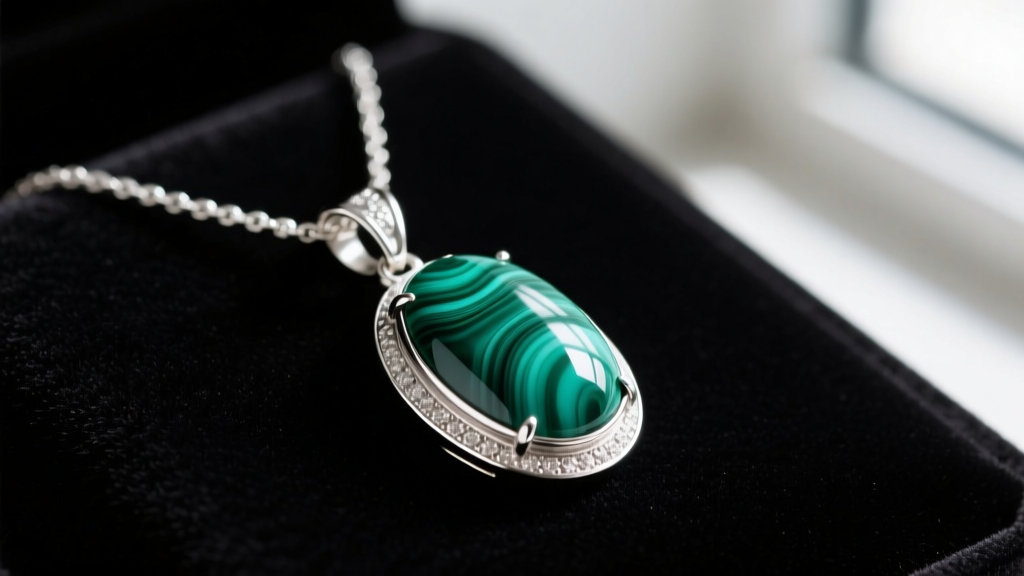
- Malachite: Recognizable by its opaque, banded green patterns. It is a copper carbonate hydroxide mineral, making it incredibly sensitive to chemicals.
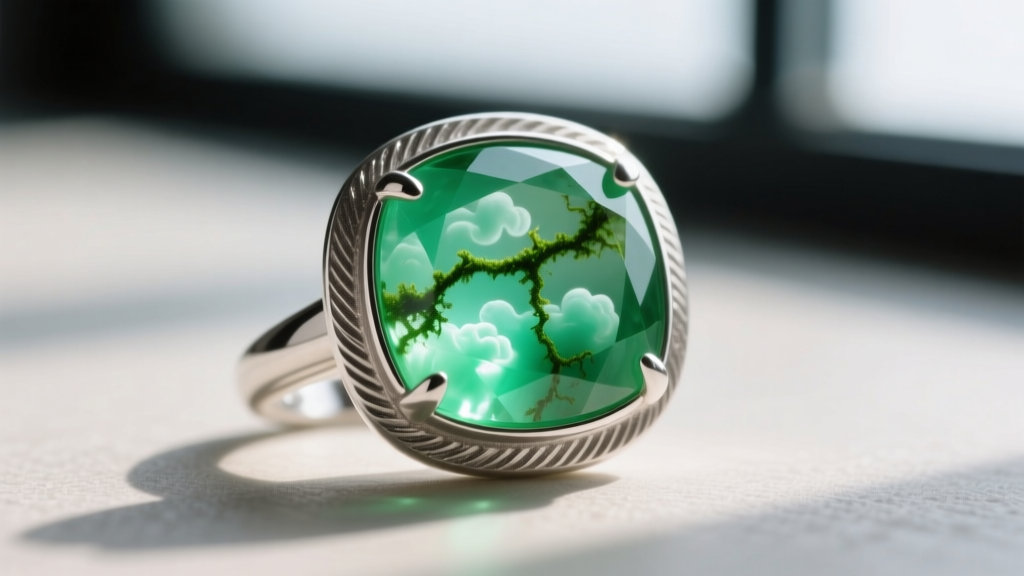
- Chrysoprase: A translucent to semi-opaque apple-green variety of chalcedony, colored by nickel impurities. It has a waxy luster and is significantly harder than malachite.
- Green Onyx (Dyed Agate): Often featuring deep, uniform emerald or forest green hues with subtle banding. Most commercial 'green onyx' is actually agate that has been dyed, which affects its long-term lightfastness.
- Jade (Nephrite): A tough, fibrous mineral that Silpada occasionally used in heavier, sculptural pendants. It ranges from mottled spinach green to deep celadon.
Gemological Properties & Hardness Comparison
The durability of your necklace depends heavily on the Mohs hardness and porosity of the specific green stone. A stone with low hardness and high porosity requires entirely different wear habits than a dense, hard chalcedony. Below is a material comparison chart detailing the physical properties of the stones most frequently found in these vintage silver settings.
| Gemstone | Mohs Hardness | Porosity | Chemical Sensitivity | Light Sensitivity |
|---|---|---|---|---|
| Malachite | 3.5 - 4.0 | High | Extreme (Acids, Ammonia) | Low |
| Chrysoprase | 6.5 - 7.0 | Low | Moderate (Harsh Alkalis) | High (Can fade) |
| Green Onyx | 6.5 - 7.0 | Low | Moderate (Dye leaching) | Moderate |
| Nephrite Jade | 6.0 - 6.5 | Very Low | Low | None |
According to the Gemological Institute of America (GIA), malachite's low hardness and perfect cleavage make it highly vulnerable to scratching and fracturing, demanding protective bezel settings—which is exactly why vintage Silpada designs almost exclusively utilized thick silver bezels for this stone.
The .925 Sterling Silver Setting: Tarnish & Metallurgy
The metalwork of a Silpada necklace is always .925 sterling silver, meaning it consists of 92.5% pure silver and 7.5% alloy metals, usually copper. While pure silver is highly resistant to oxidation, the copper alloy is prone to reacting with sulfur and moisture in the air, resulting in silver sulfide—the black tarnish that accumulates over time.
In 2026, many vintage pieces have developed a deep, natural patina. While some collectors prize this antique look, those who prefer a bright shine face a unique challenge when the silver is paired with a porous green stone like malachite. The intersection of a tarnishing metal and a chemically sensitive gemstone creates a specific care conundrum that ruins countless necklaces every year.
Why Liquid Silver Dips Are Disastrous
Commercial liquid silver cleaners rely on thiourea and mild acids (or sometimes ammonia) to strip tarnish instantly. If your necklace features malachite, never use a liquid dip. Malachite is a copper-based mineral. When exposed to the acids or ammonia in silver dips, the surface of the malachite will chemically react, resulting in permanent pitting, color stripping, and a dull, chalky finish that cannot be polished out. For a comprehensive breakdown of mineral sensitivities, Mindat.org's mineral database explicitly warns against exposing copper carbonates to acidic solutions.
Advanced Care Protocols by Stone Type
To maintain both the brilliance of the .925 silver and the integrity of the green cabochon, you must adopt a targeted cleaning protocol based on your stone's porosity.
Protocol A: For Malachite and Porous Stones
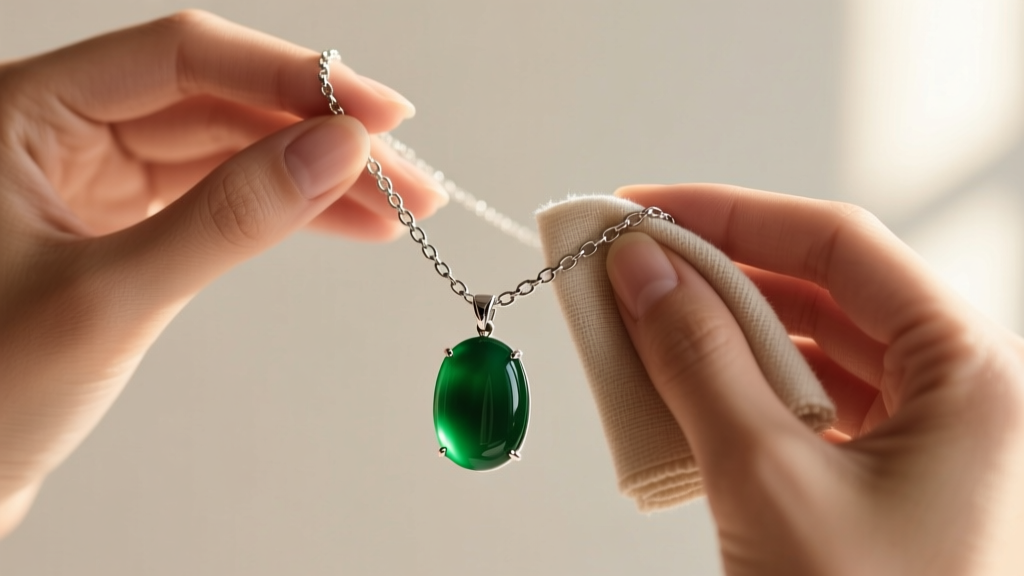
- Dry Polishing Only: Use a treated, dry silver polishing cloth (such as a Sunshine cloth) to gently buff the silver bezel and chain.
- Mask the Stone: Keep the cloth strictly on the metal. If the treated chemicals from the cloth transfer to the malachite, wipe the stone immediately with a damp, untreated microfiber cloth.
- Stone Cleaning: Clean the malachite cabochon using only lukewarm water and a drop of mild, phosphate-free dish soap. Dry immediately to prevent water spotting.
Protocol B: For Chrysoprase, Jade, and Green Onyx
- Mild Ultrasonic (With Caution): While chrysoprase and jade can technically withstand brief ultrasonic cleaning, it is generally safer to avoid it if the silver setting is older, as the high-frequency vibrations can loosen the adhesive or mechanical grip of the bezel.
- Soft Brushing: Use an extra-soft baby toothbrush with mild soapy water to clean the crevices where the silver bezel meets the stone's girdle.
- Chrysoprase Storage: Because chrysoprase is sensitive to prolonged heat and direct sunlight (which can cause the nickel-colored green to fade to a dull gray), store this necklace in a dark, climate-controlled jewelry box.
Structural Integrity: Bezel vs. Prong Settings
When evaluating a vintage or contemporary silpada green stone necklace for purchase, always inspect the setting mechanics. Silpada's artisans were renowned for their heavy, sculptural bezel settings. A bezel setting involves a continuous rim of silver that wraps entirely around the girdle (edge) of the cabochon.
For stones with a Mohs hardness below 5 (like malachite), a bezel is not just an aesthetic choice; it is a structural necessity. Prong settings leave the edges of the stone exposed to impacts. Because malachite has perfect cleavage, a single sharp knock against a granite countertop can cleave the stone cleanly in half. The thick silver bezels characteristic of mid-2000s Silpada designs act as a shock absorber, protecting the vulnerable edges of softer green cabochons from daily wear and tear.
Final Thoughts on Material Longevity
Owning a green stone and sterling silver necklace requires a shift in how you view jewelry maintenance. It is not a 'wear it and forget it' accessory. By understanding the exact gemological properties of your specific green cabochon and respecting the chemical realities of .925 sterling silver, you can preserve these stunning artisan pieces for decades. Whether your stone is a banded malachite or a translucent chrysoprase, targeted, dry-care methods will ensure your necklace remains a vibrant staple in your collection.


