2026 Silpada Silver Necklace Buying Guide & Style Tips
Discover our 2026 Silpada silver necklace buying guide. Learn what to look for in sterling silver grades, clasps, and pricing before you buy.

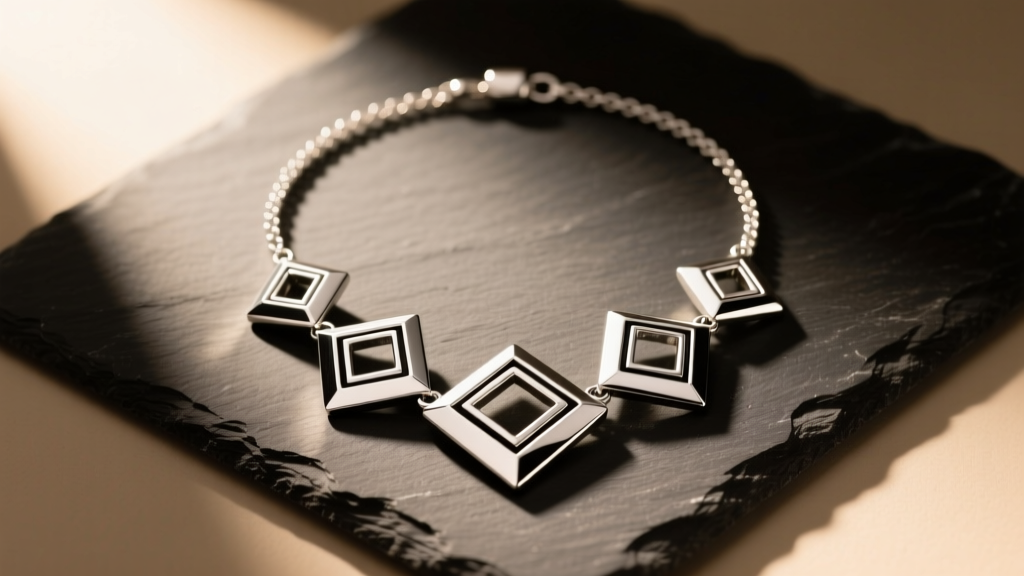
Few brands have maintained their reputation for artisan-crafted, high-quality sterling silver jewelry quite like Silpada. As we navigate the jewelry market in 2026, the demand for a Silpada silver necklace remains exceptionally high, driven by the brand's commitment to bold designs, ethical sourcing, and durable metallurgy. However, investing in premium silver requires more than just picking a pretty pendant. Understanding the nuances of silver alloys, clasp mechanics, and chain structures is essential to making a purchase that will last a lifetime.
This comprehensive buying guide will walk you through exactly what to look for when shopping for a Silpada silver necklace, ensuring you get the best value, fit, and longevity from your jewelry.
The Metallurgy: Understanding Silpada's Sterling Silver
When you purchase a Silpada silver necklace, you are investing in genuine .925 sterling silver. Pure silver (99.9%) is too malleable for everyday jewelry; it bends, scratches, and loses its shape. To solve this, Silpada utilizes the industry-standard sterling alloy, which consists of 92.5% pure silver and 7.5% copper or other strengthening metals.
According to the Gemological Institute of America (GIA), this specific ratio provides the perfect balance of luster and tensile strength. When inspecting a potential purchase, always look for the '.925' stamp, usually located on the back of the pendant or on the small metal tag near the clasp. Silpada also includes their distinct maker's mark, which guarantees the piece has passed their rigorous quality control standards for casting and soldering.
Why the 7.5% Alloy Matters
The copper alloy is what gives a Silpada silver necklace its structural integrity, allowing for the brand's signature heavy, sculptural statement pieces. However, copper is also the element responsible for tarnishing when exposed to sulfur and moisture. Understanding this metallurgical reality is the first step in proper jewelry care, which we will cover later in this guide.
Decoding the Finishes: Rhodium, Oxidized, and High Polish
Silpada is renowned for offering diverse surface finishes that drastically change the maintenance requirements and visual impact of a necklace. Choosing the right finish depends on your lifestyle and aesthetic preferences.
Rhodium-Plated Sterling Silver
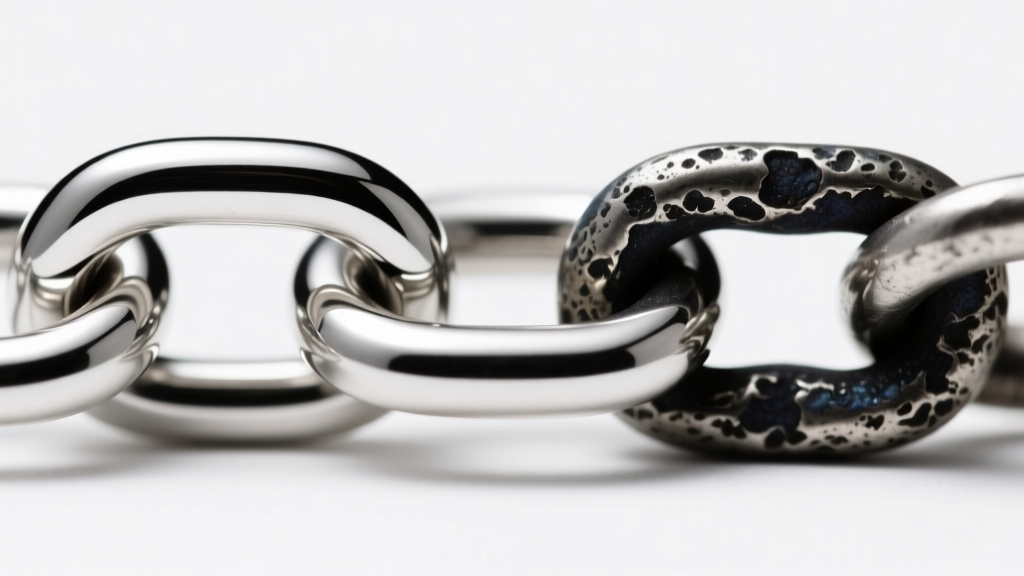
Rhodium is a precious metal in the platinum family. When Silpada applies a microscopic layer of rhodium over their sterling silver, it creates a brilliant, mirror-like shine that is highly resistant to tarnish. If you live in a humid climate or frequently forget to store your jewelry in anti-tarnish bags, a rhodium-plated Silpada silver necklace is your best option. The trade-off is that rhodium can eventually wear off over several years of heavy friction, requiring professional re-plating.
Oxidized (Antiqued) Silver
Oxidation is a controlled chemical process that darkens the silver, usually in the recessed areas of a textured or stamped design. This finish highlights the intricate, artisan-crafted details of Silpada's geometric and nature-inspired pendants. Oxidized silver is incredibly low-maintenance; it does not show traditional yellow or black tarnish, making it ideal for everyday wearers who want a vintage or edgy aesthetic.
High-Polish Raw Silver
Unplated, highly polished silver offers the warmest, most traditional white-metal glow. While it requires more frequent polishing with a microfiber cloth to maintain its brilliance, many collectors prefer raw silver because it develops a unique patina over time, telling the story of the wearer.
Chain Structures and Clasp Mechanics
A pendant is only as secure as the chain and clasp holding it. Silpada engineers their hardware to match the weight of their specific designs. Here is what you need to evaluate regarding structural integrity:
- Cable and Rolo Chains: These feature uniform, interlocking circular or oval links. They are highly resistant to kinking and are the standard choice for medium-weight pendants.
- Box Chains: Composed of square links connected to form a smooth, continuous tube. Box chains are incredibly strong and rarely snag on clothing, making them perfect for heavier, solid silver drops.
- Omega and Snake Chains: These are rigid, fluid chains that lay perfectly flat against the collarbone. While visually striking for minimalist looks, they are prone to permanent kinking if bent sharply or slept in.
The Importance of the Clasp
For lightweight to medium chains, Silpada typically uses lobster claw clasps, which feature a secure internal spring mechanism. For their heavy, oversized statement necklaces, you will frequently find toggle clasps. A toggle clasp consists of a T-shaped bar that slides through a circular ring. The weight of the heavy silver chain keeps the bar pulled taut against the ring, creating a secure lock. However, if you shorten a toggle necklace too much, the lack of downward tension can cause the clasp to slip.
Sizing and Proportions: Finding Your Perfect Length
Choosing the correct length is critical for how a Silpada silver necklace interacts with your wardrobe. The brand offers standardized lengths, each serving a distinct styling purpose.
| Length | Style Name | Best Neckline Pairing | Ideal Silpada Pendant Type |
|---|---|---|---|
| 16 Inches | Choker / Collar | Scoop neck, V-neck, Off-shoulder | Small geometric drops, simple silver beads |
| 18 Inches | Princess | Crew neck, Button-down shirts | Medium statement pieces, initial pendants |
| 20 to 24 Inches | Matinee | Turtlenecks, High-neck blouses | Large sculptural pendants, long lariats |
| 30+ Inches | Opera / Rope | Deep V-neck, Evening wear | Layered strand necklaces, heavy bead strands |
When buying online, use a flexible measuring tape to simulate the drop length on your own chest. A heavy Silpada pendant on an 18-inch chain will sit lower than a lightweight one due to the gravitational pull on the silver links.
Pricing Tiers and Value Assessment in 2026
Silpada operates in the premium artisan space. When evaluating the price of a Silpada silver necklace, you are paying for the design copyright, the ethical sourcing of the metals, and the structural durability of the casting.
Entry-Level ($45 - $85)
In this tier, you will find delicate cable chains with small, stamped silver charms, minimalist bar necklaces, and lightweight solitaire pendants. These are excellent for everyday layering and offer a low cost-per-wear.
Mid-Tier Statement ($90 - $180)
This is Silpada's sweet spot. Expect substantial rolo chains, mixed-metal accents (like silver intertwined with bronze or gold vermeil), and medium-sized cast pendants featuring semi-precious stones like turquoise, lapis lazuli, or mother-of-pearl inlays.
Heritage and Sculptural ($190 - $350+)
The highest tier features massive, solid sterling silver collars, intricate multi-strand bead necklaces, and heavily oxidized artisan pieces that require hours of hand-finishing. These pieces act as the focal point of an outfit and are often treated as wearable art.

Authenticity and Care: Protecting Your Investment
The Federal Trade Commission (FTC) Jewelry Guides strictly regulate the marking of precious metals. A genuine Silpada piece will always bear the '.925' hallmark. If you are purchasing from a secondary market or vintage reseller, verify the presence of this stamp and the Silpada maker's mark to ensure authenticity.
The Golden Rules of Silver Care
To keep your necklace looking pristine, follow these expert maintenance protocols:
- Avoid Sulfur Exposure: Sulfur is the primary catalyst for silver tarnish. Remove your necklace before visiting hot springs, handling rubber bands, or using sulfur-based skincare products.
- The Last On, First Off Rule: Always put your silver necklace on after applying perfumes, lotions, and hairsprays. The alcohols and oils in cosmetics can degrade rhodium plating and accelerate the oxidation of raw silver.
- Proper Storage: Never store silver in humid environments like a bathroom. Keep your necklace in an airtight ziplock bag with a 3M anti-tarnish strip, or wrap it in a Pacific Silvercloth to actively absorb atmospheric sulfur.
- Polishing Technique: Use a dedicated, chemically treated silver polishing cloth. Never use paper towels or tissues, as the wood fibers can cause micro-scratches on high-polish finishes.
Final Verdict: Is a Silpada Silver Necklace Worth It?
For buyers seeking mass-produced, paper-thin jewelry, Silpada is not the right fit. However, if you value substantial weight, artisan-crafted designs, and rigorous metallurgical standards, a Silpada silver necklace is an exceptional investment. By paying close attention to the alloy finish, selecting the appropriate chain structure for your lifestyle, and adhering to proper storage protocols, your sterling silver piece will remain a cornerstone of your wardrobe for decades to come.


