Is Silver a Necklace Material That Tarnishes? 2026 Gift Guide
Gifting sterling silver? Learn the science of tarnish, how to pick .925 grades, and match the perfect silver necklace to every 2026 occasion.
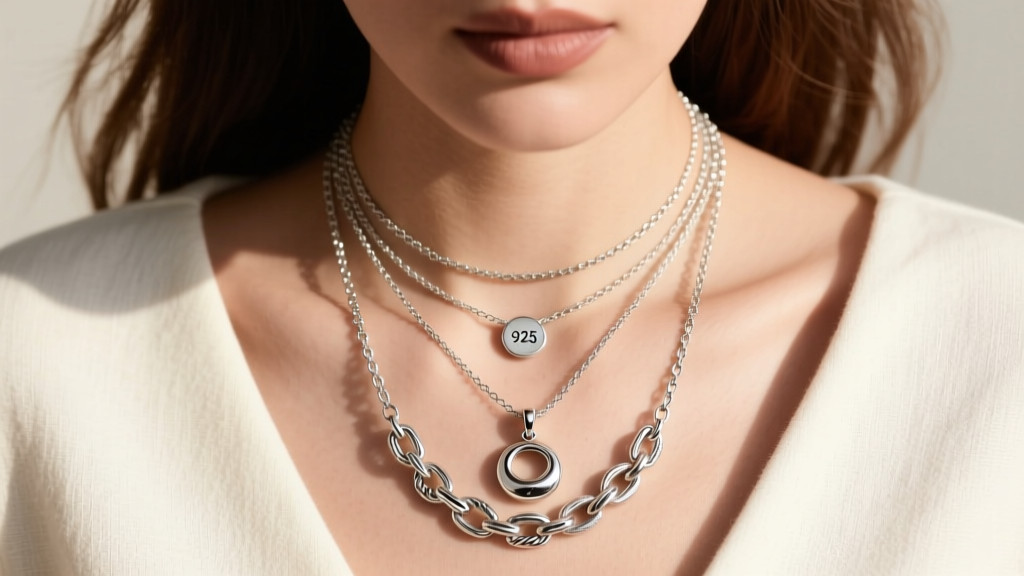
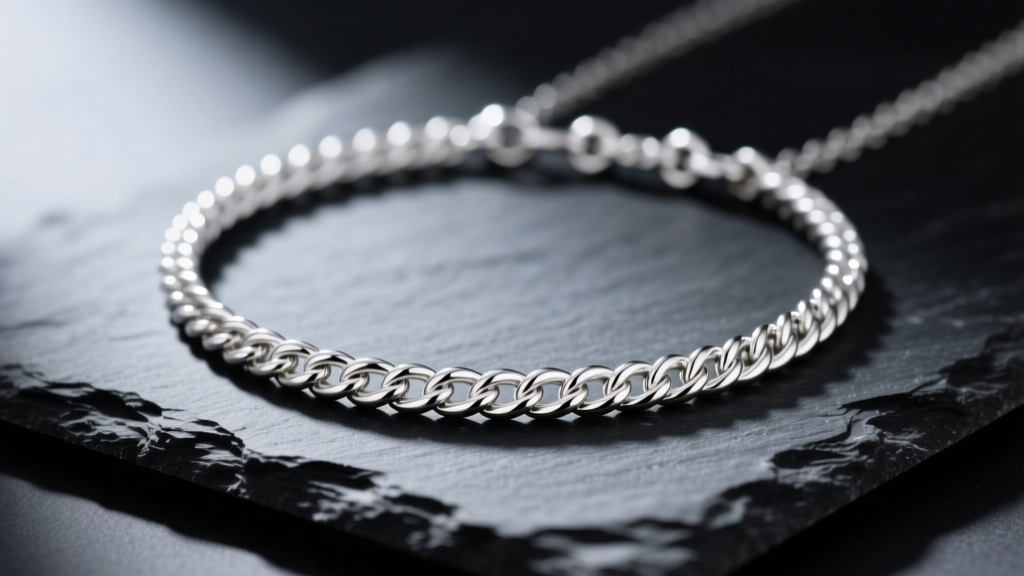
Gifting jewelry is an art form that requires balancing aesthetic appeal, emotional resonance, and practical longevity. When browsing for the perfect piece, many gift-givers inevitably ask: is silver a necklace material that will tarnish and ultimately disappoint the recipient? The short answer is yes, silver does react to its environment. However, with modern metallurgical advancements and proper care protocols, tarnish is entirely manageable. In 2026, silver remains one of the most versatile, brilliant, and accessible precious metals for gifting, provided you understand what you are buying.
This comprehensive guide breaks down the science of silver tarnish, decodes metal grades, and provides a strategic matrix for matching the perfect silver necklace to specific life occasions. Whether you are shopping for a milestone anniversary or a thoughtful graduation gift, understanding these specifics will ensure your present stands the test of time.
The Science of Silver Tarnish: Why It Happens
To gift silver confidently, you must first understand the chemistry of tarnish. A common misconception is that silver tarnishes due to oxygen exposure, much like iron rusting. According to the Encyclopedia Britannica, pure silver is actually highly resistant to oxidation. The dark, dull layer that forms on silver jewelry is silver sulfide (Ag2S).
This chemical reaction occurs when silver is exposed to hydrogen sulfide gas, which is naturally present in the air, as well as in everyday items like wool, rubber bands, and certain foods (such as eggs and onions). Furthermore, the alloying metals used to strengthen silver—primarily copper—are highly reactive to moisture and airborne pollutants. When you gift a silver necklace, you are gifting a living metal that interacts with its environment, making the recipient's lifestyle a crucial factor in your selection.
Decoding the Grades: .925 vs. .999 vs. Argentium
Not all silver is created equal. The stamp on the clasp dictates the necklace's durability, luster, and susceptibility to tarnish. Here is what you need to look for when inspecting product specifications:
- .999 Fine Silver: Composed of 99.9% pure silver. While it boasts a brilliant, bright white luster and is highly tarnish-resistant, it is far too soft for daily-wear chains. It is best reserved for bezel-set pendants or earrings, not the chain itself.
- .925 Sterling Silver: The global standard for jewelry, consisting of 92.5% silver and 7.5% copper. The copper provides the necessary tensile strength for delicate chain links but is the primary culprit behind tarnish. According to the Gemological Institute of America (GIA), sterling silver offers the best balance of workability and durability for intricate necklace designs.
- Argentium Silver: A modern marvel for gifting. Argentium replaces a portion of the copper alloy with germanium. This creates a transparent germanium oxide layer on the surface that drastically slows down silver sulfide formation. If your recipient hates polishing jewelry, an Argentium silver necklace is a premium, low-maintenance gift.
Chain Durability: Selecting the Right Link Style
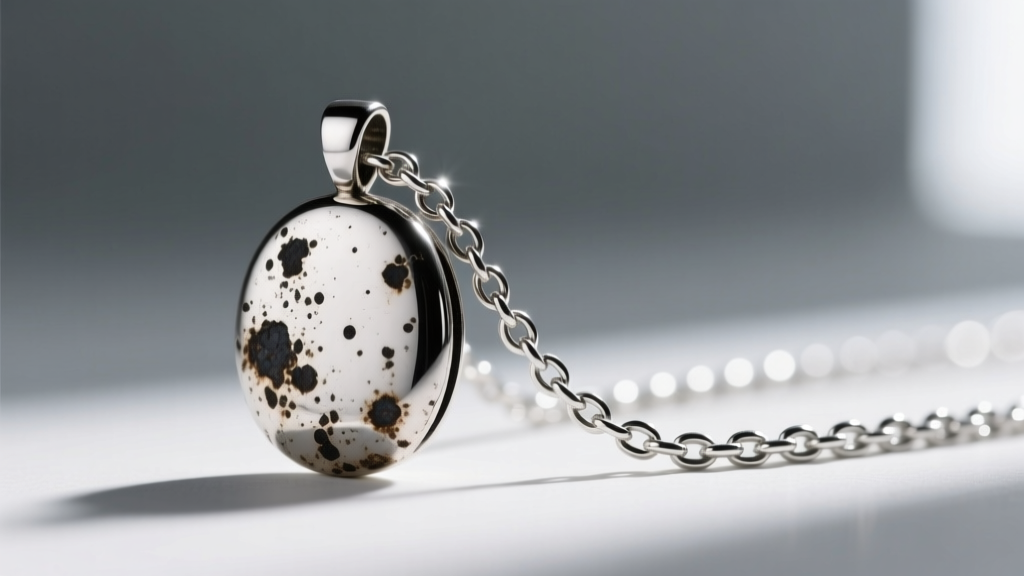
A pendant is only as good as the chain that holds it. When gifting a silver necklace, the chain style dictates both the aesthetic and the structural integrity of the piece. Avoid gifting delicate chains to recipients with active lifestyles or long hair, which can easily snag and snap thin links.
Top Chain Styles for Gifting
- Box Chain: Composed of square, interlocking links. This is the most durable option for holding heavy pendants. It resists kinking and is relatively easy to clean if tarnish settles into the crevices.
- Rope Chain: Twisted links that mimic a rope. It offers exceptional light reflection and a luxurious drape, but the tight spirals can trap polishing compounds and skin oils, requiring more frequent ultrasonic cleaning.
- Cable Chain: The classic oval-link design. It is lightweight and traditional, but the thin wire used in delicate cable chains is prone to stretching and snapping if pulled.
- Snake Chain: Features tightly joined wavy rings that form a smooth, tubular surface. While incredibly sleek and modern, snake chains are notoriously fragile; once kinked, the structural damage is usually irreversible.
The 2026 Occasion-Matching Gift Matrix
Matching the necklace style to the occasion elevates a simple gift into a deeply considered gesture. Use this matrix to align your silver selection with the recipient's milestone.
| Occasion | Recommended Style | Chain Type | Estimated Price Range |
|---|---|---|---|
| Anniversary (1st-5th) | Lab-grown diamond solitaire pendant | 18-inch Box Chain | $150 - $450 |
| Graduation | Engraved horizontal bar pendant | 16-inch Cable Chain | $60 - $120 |
| Milestone Birthday | Bezel-set birthstone charm | 17-inch Rope Chain | $90 - $220 |
| Holiday / Secret Santa | Minimalist geometric disc | 18-inch Figaro Chain | $45 - $85 |
| Mother's Day | Interlocking circles / family tree | 20-inch Rolo Chain | $110 - $250 |
Anti-Tarnish Technology: Rhodium and E-Coating
If you are purchasing a .925 sterling silver necklace and want to guarantee it arrives (and stays) brilliantly white, look for pieces treated with modern anti-tarnish technologies. The most common is rhodium plating. Rhodium is a platinum-group metal that provides a mirror-like finish and acts as an impermeable barrier against hydrogen sulfide.
When reviewing product details, check the plating thickness. A high-quality rhodium flash on a necklace should be between 0.75 and 1.0 microns thick. Anything thinner will wear off within months of daily friction. Alternatively, some 2026 collections utilize clear nano-ceramic e-coatings, which are hypoallergenic and provide a flexible, invisible shield that prevents tarnish without altering the natural warm undertone of un-plated silver.
The Ultimate Gifting Touch: Include a Care Protocol
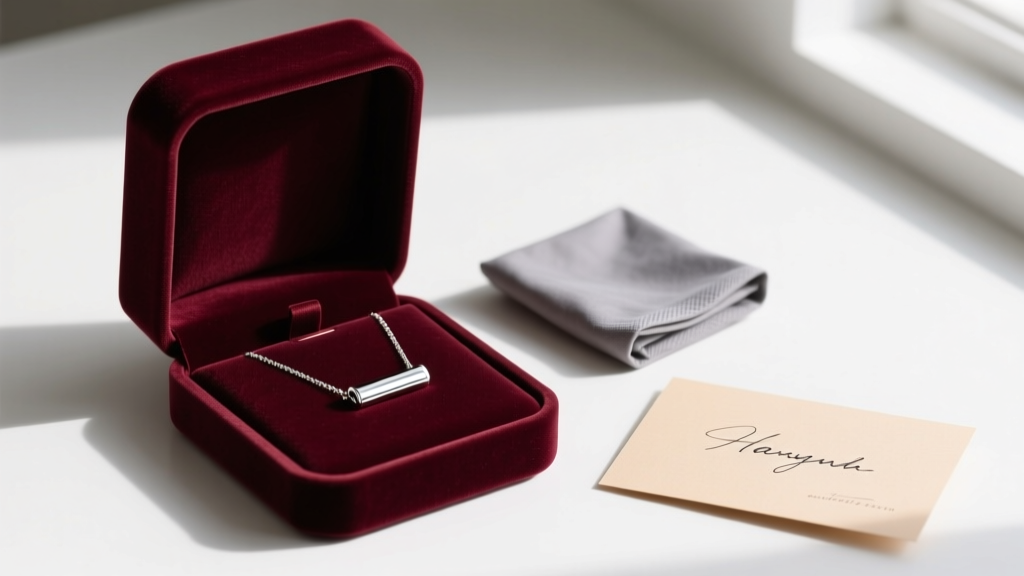
The difference between a good gift and an unforgettable one lies in the presentation and aftercare. Never gift a silver necklace without including a maintenance kit. At a minimum, include a high-quality microfiber silver polishing cloth treated with anti-tarnish compounds (such as the Sunshine Cloth).
The "No-Fail" Electrochemical Cleaning Method
For a truly expert touch, write out this deep-cleaning recipe on a card to accompany your gift. It is a safe, non-abrasive way to reverse heavy silver sulfide buildup without scrubbing away the metal or damaging gemstone settings:
- Line a glass bowl with aluminum foil, shiny side up.
- Place the tarnished silver necklace in the bowl, ensuring it touches the foil.
- Sprinkle two tablespoons of baking soda over the jewelry.
- Pour boiling water into the bowl until the piece is submerged. (The water will bubble and release a sulfur smell—this means the chemical reaction is working).
- After 3 to 5 minutes, remove the necklace with wooden tongs, rinse with distilled water, and pat dry with a lint-free cloth.
By understanding the metallurgy of silver, selecting the appropriate chain architecture, and providing the tools for long-term care, you transform a simple silver necklace into a lifelong heirloom. In 2026, silver remains an undeniable powerhouse in the jewelry box, provided it is chosen and gifted with intention.


