The Skills Necklace OSRS: Real-World Material Guide
Discover the best metals, resins, and chain gauges for crafting a screen-accurate Skills Necklace OSRS replica. Compare materials for cosplay props.

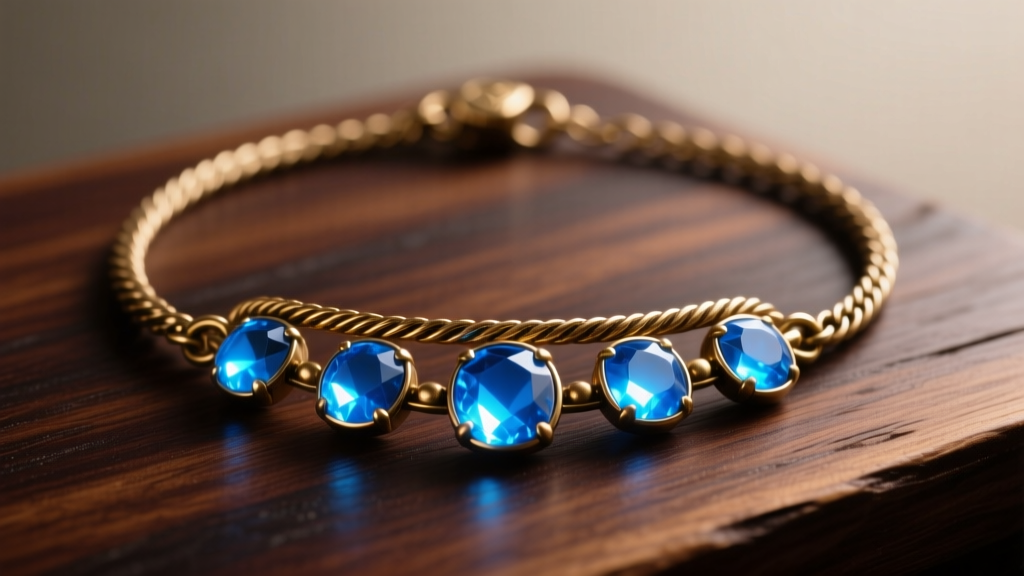
Translating Gielinor to Reality: The Material Science of Prop Jewelry
For dedicated cosplayers and prop-makers, translating 2D pixel art into tangible, wearable jewelry is a rigorous exercise in material science. The Skills Necklace OSRS is one of the most iconic utility items in Old School RuneScape, prized for its teleportation charges and skill boosts. However, its rugged, medieval-fantasy aesthetic presents unique challenges for real-world replication. Creating a screen-accurate, durable replica requires a deep understanding of metallurgy, polymer chemistry, and lapidary techniques. This guide breaks down the exact material properties, gauge sizes, and fabrication methods needed to craft a high-quality Skills Necklace replica that survives convention floors and daily wear.
Decoding the Chain: Base Metal Alloys & Gauge Specifications
The in-game sprite of the Skills Necklace suggests a heavy, utilitarian chain capable of supporting a substantial pendant. A flimsy 20-gauge fashion chain will immediately break the illusion. For a prop of this caliber, you need a 5mm to 6mm cable or curb chain constructed from 14-gauge or 12-gauge wire. The jump rings connecting the chain to the pendant bail should be no smaller than 8mm in inner diameter (ID) to allow the pendant to articulate freely.
Material Comparison: Chain & Bail Metals
Choosing the right alloy dictates the necklace's weight, skin safety, and ability to take an antique patina. Below is a comparison of the most viable metals for fantasy prop chains, sourced from industry standards at suppliers like Rio Grande.
| Metal Alloy | Hardness (Vickers) | Patina Reaction | Pros & Cons for Props |
|---|---|---|---|
| Yellow Brass (C260) | 100-150 HV | Excellent (Ammonia/Salt) | Pros: Authentic gold-like hue, easy to solder, takes aggressive antiquing. Cons: Contains zinc; can cause green skin without sealing. |
| Silicon Bronze | 180-220 HV | Good (Liver of Sulfur) | Pros: High tensile strength, historically accurate for medieval props, hypoallergenic. Cons: Harder to file and polish by hand. |
| 316L Stainless Steel | 200-240 HV | Poor (Chemical resistant) | Pros: Extremely durable, zero skin irritation, won't tarnish. Cons: Cannot be chemically blackened; requires heat-bluing for dark effects. |
| Sterling Silver (.925) | 60-90 HV | Excellent (Liver of Sulfur) | Pros: Premium feel, easy to cast and solder, highly valuable. Cons: Expensive, too soft for heavy convention wear, dents easily. |
Expert Recommendation: For the ultimate balance of screen-accuracy, durability, and antiquing potential, Yellow Brass (C260) is the superior choice. It mimics the warm, unpolished gold tones seen in fantasy concept art and responds beautifully to chemical darkening.
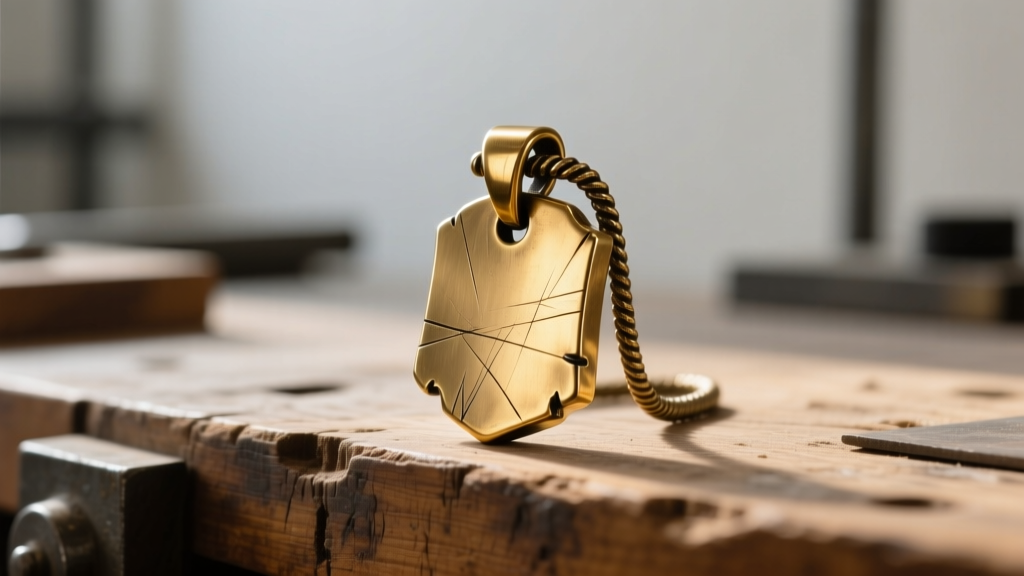
Fabricating the Pendant Base: Casting vs. Electroforming
The Skills Necklace pendant features a complex, geometric housing designed to cradle the central 'skill' gems. Replicating this base requires advanced fabrication techniques. You have two primary routes: traditional lost-wax casting or modern SLA 3D printing combined with copper electroforming.
Route A: Lost-Wax Casting in Brass
For a solid, heirloom-quality piece, lost-wax casting is the gold standard. You begin by carving the pendant from jeweler's wax or printing a master in castable resin. The master is invested in a plaster-like material and burned out in a kiln at 1,350°F. Molten brass (melting point ~1,700°F) is then centrifugally forced into the flask.
Crucial Detail: Brass shrinks approximately 1.5% to 2% upon cooling. Your original master must be scaled up by 1.02x in your CAD software to ensure the final gemstone seats fit perfectly.
Route B: SLA Printing & Copper Electroforming
If you lack a foundry setup, high-resolution SLA (Stereolithography) printing using a tough engineering resin (like Formlabs Tough 2000) provides incredible detail. Once printed and cured, the model is painted with conductive copper paint and submerged in a copper sulfate electrolyte bath. Over 48 to 72 hours, pure copper builds up a 1mm to 2mm thick shell. This method yields a lightweight but structurally rigid pendant that can be brass-plated or chemically patinated.
The 'Skill' Gems: Polymer Chemistry & Luminescence
The defining feature of the Skills Necklace OSRS is its glowing gemstones, representing the magical energy used for teleportation. Standard glass or cubic zirconia will not suffice; the gems require internal luminescence and a slightly rugged, hand-cut appearance.
Resin vs. Glass: Achieving the In-Game Glow
To replicate the ethereal glow, we must compare modern jewelry polymers against traditional lapidary materials. Data from polymer manufacturers like Smooth-On highlights the mechanical differences:
- Deep-Pour Epoxy Resin (Shore D 80): Offers high optical clarity and a slow cure time (24-48 hours), allowing trapped air bubbles to escape. Ideal for embedding photoluminescent strontium aluminate powders. It is highly scratch-resistant but can yellow under prolonged UV exposure if not HALS-stabilized.
- UV-Curing Jewelry Resin (Shore D 75): Cures in minutes under a 36W UV lamp. Excellent for quick, small gemstone pours. However, it is prone to thermal shock and can become brittle if poured in layers thicker than 5mm without intermediate curing.
- Dichroic Glass with LED Backing: For high-end replicas, cutting dichroic glass on a diamond lapidary saw provides unparalleled refractive brilliance. By hollowing out the back of the pendant base, you can mount a 3mm SMD LED powered by a concealed CR927 coin cell battery in the clasp.
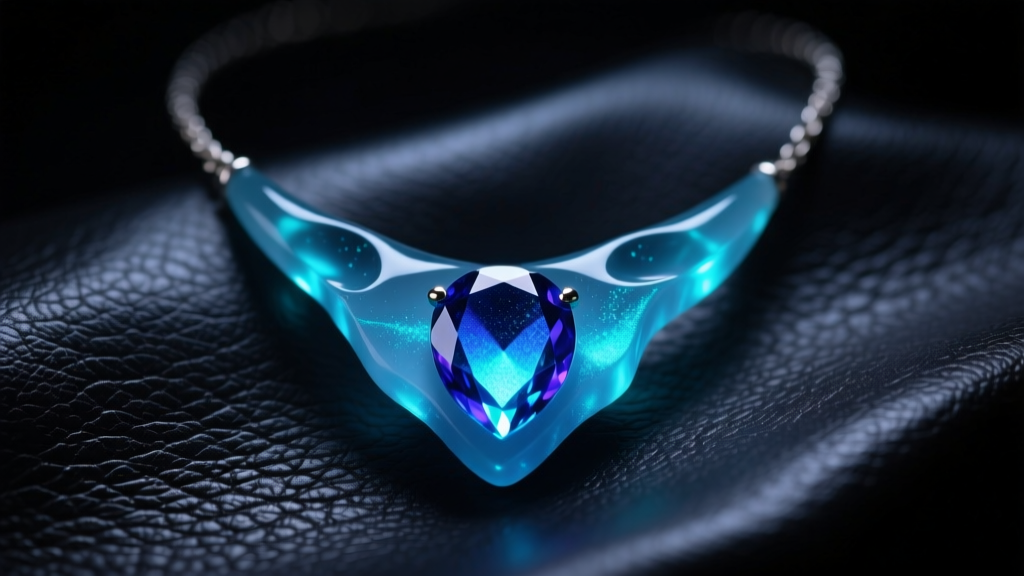
Formulating the Luminescent Mixture
If opting for epoxy resin, the 'glow' is achieved by suspending strontium aluminate powder (Eu,Dy doped) in the resin matrix. Unlike older zinc sulfide powders that fade in minutes, strontium aluminate absorbs ambient light and emits a vibrant cyan or aqua glow for up to 12 hours.
Mixing Ratio: Use exactly 15% to 20% powder by weight relative to the mixed resin. Exceeding 25% compromises the resin's structural integrity, resulting in a chalky, brittle gemstone that will shatter if dropped on a convention center floor.
Antiquing and Patina: The Gielinor Aesthetic
Items in OSRS look like they have survived centuries of monster slaying and skill grinding. A polished, shiny brass chain looks entirely out of place. You must apply a forced patina to age the metal rapidly.
The Liver of Sulfur (LOS) Method: Dissolve a pea-sized amount of LOS gel in 250ml of warm (not hot) distilled water. Submerge the brass or bronze chain for 30 to 60 seconds. The metal will transition from yellow to gold, to copper, and finally to a deep, iridescent black. Immediately quench the chain in a baking soda and water solution to halt the chemical reaction.
Once blackened, use 0000-grade steel wool or a fine abrasive pad to gently buff the high-contact areas (the tops of the chain links and the raised edges of the pendant). This leaves the dark oxidation in the recesses and file marks, creating a realistic, centuries-old contrast that perfectly matches the game's gritty art style.
Wearability, Sealing, and Skin Safety
Brass and bronze contain copper and zinc, which react with the acidity in human sweat, inevitably leaving a green stain on the wearer's neck. While harmless, it is highly undesirable for cosplay. To solve this without losing the antique patina, you must seal the metal.
Apply two thin coats of a jewelry-specific polymer sealant, such as ProtectaClear or Everbrite. These coatings are self-leveling, completely invisible when dry, and prevent metal-to-skin contact while protecting the forced patina from wearing off during convention weekends. Ensure the sealant is fully cured for 72 hours before wearing the Skills Necklace to prevent skin sensitization.
Final Thoughts on Prop Durability
Crafting a Skills Necklace OSRS replica is a masterclass in balancing historical metalworking techniques with modern polymer chemistry. By selecting 14-gauge brass cable chains, utilizing lost-wax casting for the pendant housing, and formulating a precise strontium-doped epoxy gemstone, you elevate a simple gaming prop into a museum-quality piece of wearable art. Always prioritize structural integrity at the jump rings and bail—after all, you wouldn't want to lose your teleportation charges in the middle of a crowded convention hall.


