Crafting the Perfect Skull Pearl Necklace: Technical Guide
Explore the technical anatomy of a skull pearl necklace, from lost-wax casting and metal alloys to pearl grading, nacre thickness, and chain mechanics.

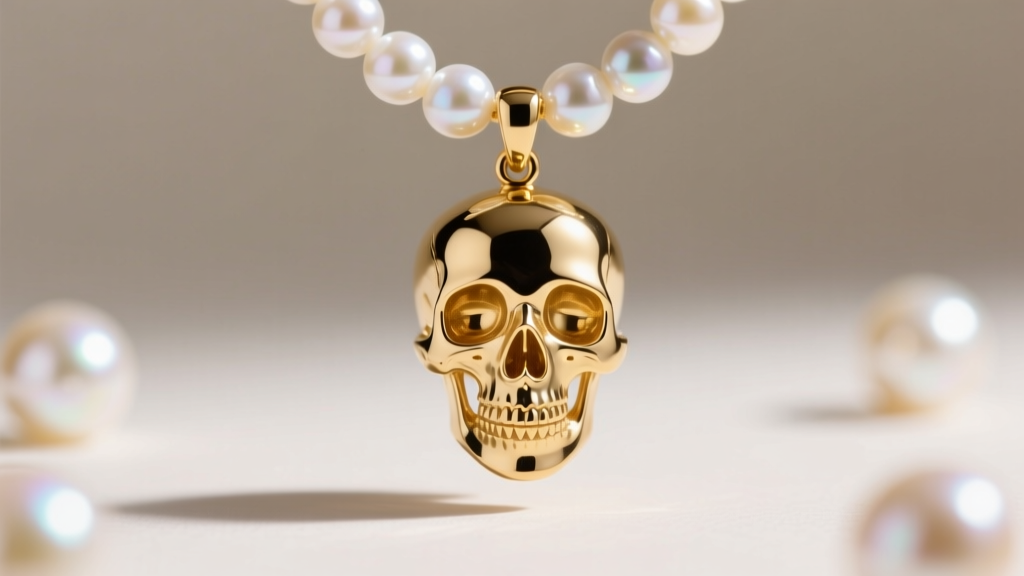
The skull pearl necklace represents a masterclass in aesthetic juxtaposition. It merges the macabre, structural geometry of the human skull with the organic, iridescent elegance of nacreous pearls. However, executing this design flawlessly requires a deep understanding of both metallurgy and gemology. As a jewelry technician, I frequently see this concept fail due to poor weight distribution, improper alloy selection, or the use of low-grade pearls that degrade over time. This expert deep dive deconstructs the technical anatomy of a high-end skull pearl necklace, providing actionable frameworks for designers, bench jewelers, and discerning collectors.
Metallurgical Foundations: Casting the Skull Motif
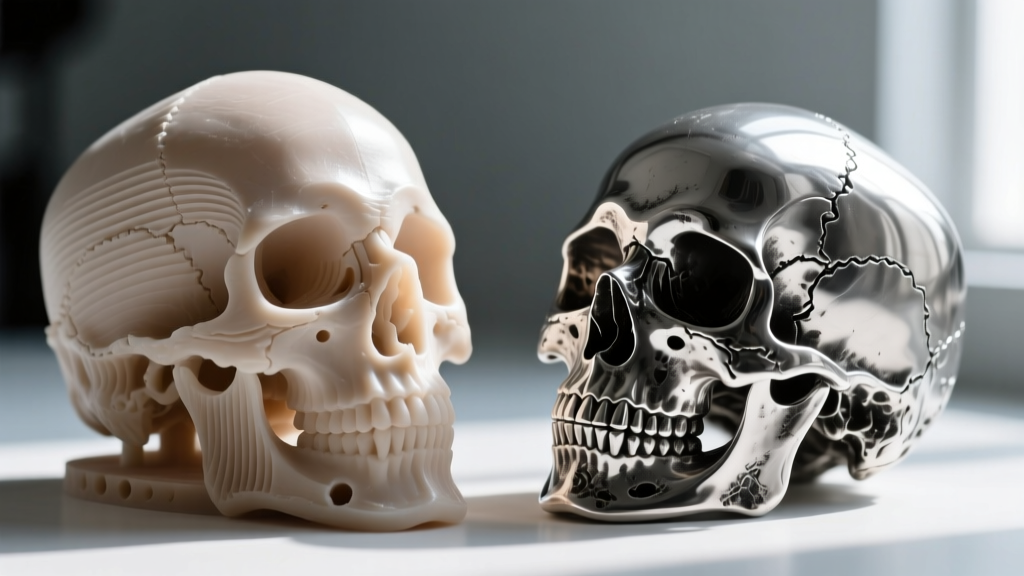
The skull pendant is the structural anchor of the necklace. Because of its intricate undercuts—such as eye sockets, nasal cavities, and dental detailing—the manufacturing method dictates the final fidelity of the piece. While basic stamping is insufficient for 3D skulls, the industry relies on two primary techniques: traditional lost-wax casting and CAD-assisted resin printing.
Lost-Wax Casting and Burnout Protocols
For high-volume or artisanal production, the wax model is encased in a gypsum-bonded investment powder. The burnout phase is critical; the kiln must reach exactly 1,350°F (732°C) for sterling silver to ensure complete wax elimination without cracking the investment mold. If the burnout is rushed, carbon residue remains in the mold, resulting in porosity (tiny surface pits) on the skull’s cranium, which ruins the polishing stage.
Alloy Selection and Surface Patination
The choice of metal drastically alters the skull's visual impact and longevity:
- 925 Sterling Silver: The most common choice. To emphasize the skull's crevices, bench jewelers apply a liver of sulfur solution to induce oxidation, creating a blackened patina. The high points (cheekbones, brow ridge) are then polished to a mirror finish. However, unsealed oxidized silver will tarnish against the skin's pH.
- 14k Yellow Gold (58.5% Au): Offers superior hardness (Vickers hardness ~135) compared to 18k gold, making it resistant to the denting that can occur if the heavy skull pendant swings and strikes a surface.
- Platinum (950 Pt): Rarely used for skulls due to its extreme density, which makes the pendant uncomfortably heavy, but it offers unmatched tensile strength and a naturally white, non-tarnishing finish.
Pearl Selection and Grading Metrics
Pairing a skull with pearls requires careful gemological selection. The organic nature of pearls (composed of calcium carbonate and conchiolin) makes them highly vulnerable to the very chemicals used to finish the metal skull. According to the Gemological Institute of America (GIA), pearl quality is judged on seven factors, but for a skull necklace, luster and nacre thickness are paramount.
Akoya vs. Freshwater vs. Tahitian
While freshwater pearls are abundant, they often lack the sharp, mirror-like luster required to contrast with darkened metal. Akoya pearls are the technical superior choice for this design. Their aragonite platelets are more tightly aligned, producing a crisp reflection. For a high-end skull pearl necklace, specify Akoya pearls with a minimum nacre thickness of 0.4mm. Anything thinner risks peeling when subjected to the friction of silk knotting or metal bead caps.
Drilling and Stringing Mechanics
Pearls in these necklaces are typically drilled to 0.8mm or 1.0mm to accommodate heavy-duty silk thread (size F or G) or flexible beading wire. If the skull pendant features a large bail, the adjacent pearls must be protected with 14k gold or platinum bead caps to prevent the metal bail from acting as a saw against the pearl's drill hole, which can eventually fracture the nacre.
Chain Mechanics and Clasp Engineering
A solid cast sterling silver skull pendant (approx. 20mm x 25mm) can weigh between 12 and 18 grams. This concentrated kinetic load requires a chain with high tensile strength. Delicate cable chains or herringbone chains will inevitably kink or snap under the pendulum effect of a heavy skull.
| Chain Style | Tensile Strength | Abrasion on Pearls | Recommendation |
|---|---|---|---|
| Wheat (Spiga) | High | Low (Smooth links) | Excellent for heavy skulls |
| Box Chain | Medium-High | Medium (Sharp edges) | Good, but requires polished edges |
| Rope Chain | Very High | High (Textured surface) | Avoid; acts like a file on nacre |
| Cable Chain | Low | Low | Poor; links will stretch and snap |
For the clasp, a standard spring-ring is mechanically inadequate. A heavy-duty lobster clasp with a soldered jump ring on the opposing end is mandatory. For pearl strands, a bayonet clasp or a hidden box clasp with a figure-eight safety catch provides the highest security without disrupting the visual flow of the pearls.
Pricing Tiers and Market Valuation
Understanding the cost breakdown of a skull pearl necklace prevents overpaying for inferior craftsmanship. The market is segmented into three distinct tiers based on material integrity and gemological grading.
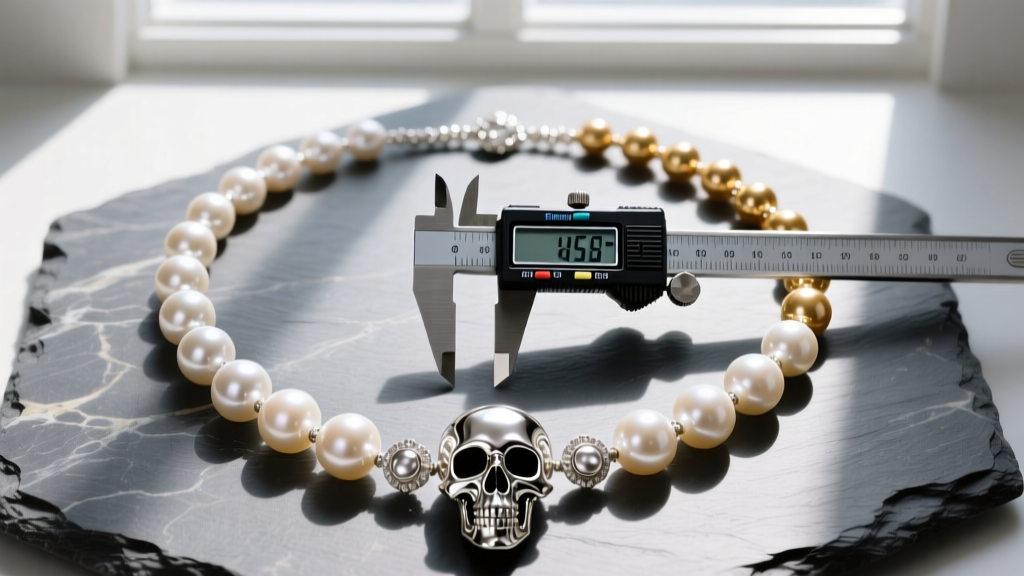
- Entry-Level ($150 - $350): Features cast 925 silver skulls with commercial-grade freshwater pearls (potato or button shapes). Often strung on nylon-coated steel wire without individual knotting. The silver may be rhodium-plated rather than oxidized, losing the macabre depth.
- Mid-Tier Artisan ($400 - $900): Hand-finished oxidized silver or 10k/14k gold skulls paired with AAA-grade round Akoya pearls (6.0mm - 7.5mm). Hand-knotted on silk with gold bead caps. Sourced from specialized jewelry casting houses ensuring zero porosity.
- Haute Joaillerie ($1,500 - $5,000+): 18k gold or platinum skulls, sometimes featuring micro-pavé diamond accents in the eye sockets. Paired with Hanadama-certified Akoya pearls or peacock Tahitian pearls. Custom-engineered bayonet clasps.
Care, Maintenance, and Chemical Vulnerabilities
"The greatest enemy of a skull pearl necklace is the ultrasonic cleaner. The cavitation bubbles will fracture the pearl's nacre and strip the intentional oxidation from the skull's crevices simultaneously."
Maintaining this specific jewelry hybrid requires a bifurcated approach. The metal skull and the organic pearls have opposing chemical vulnerabilities.
Cleaning the Metal Skull
If the skull is oxidized silver, never use liquid silver dips (thiourea-based solutions). These will strip the black patina from the eye sockets and teeth, leaving the skull flat and lifeless. Instead, use a treated silver polishing cloth strictly on the raised, high-polish areas, avoiding the recessed details.
Cleaning the Pearls
Pearls rank a mere 2.5 to 4.5 on the Mohs hardness scale. They are highly susceptible to acids, including the lactic acid in human sweat. After wearing the necklace, wipe the pearls with a damp, lint-free microfiber cloth. If the silk thread stretches or shows signs of fraying (typically every 18 to 24 months with regular wear), the strand must be professionally re-knotted to prevent a catastrophic break that would scatter the pearls and send the heavy skull pendant crashing to the floor.
By respecting the metallurgical limits of the casting process and the gemological fragility of the nacre, a skull pearl necklace transcends mere novelty, becoming a structurally sound, heirloom-grade artifact of contemporary jewelry design.


