The Ultimate Guide to Choosing a Small Tennis Necklace
Discover how to choose the perfect small tennis necklace. Learn about stone sizes, metal grades, clasp security, and lab-grown vs. natural diamonds.

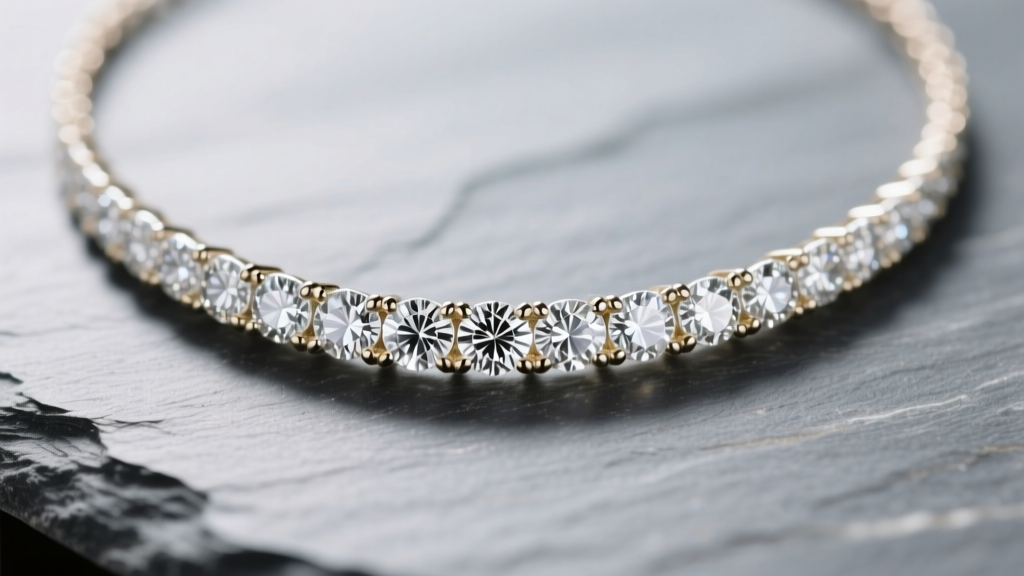
The Rise of the Delicate Diamond Line
In the landscape of fine jewelry, the classic tennis necklace has long been a symbol of red-carpet glamour. However, as we move through 2026, the industry has seen a massive shift toward 'quiet luxury' and everyday wearability. Enter the small tennis necklace—a refined, lightweight iteration of the iconic diamond line that offers brilliant sparkle without the overwhelming weight or price tag of its full-sized counterpart. Whether you are investing in natural diamonds or exploring the impeccable quality of modern lab-grown stones, buying a petite tennis necklace requires a distinct set of considerations. This comprehensive buying guide will walk you through the exact specifications, structural vulnerabilities, and styling frameworks you need to know before making a purchase.
What Qualifies as a 'Small' Tennis Necklace?
To shop intelligently, you must first understand the millimeter (mm) and carat total weight (CTW) metrics that define this category. A traditional tennis necklace typically features stones ranging from 4.0mm to 6.0mm, resulting in a heavy, highly visible piece. A small (or 'baby') tennis necklace utilizes much smaller melee or semi-melee diamonds.
- Stone Diameter: Typically ranges from 2.0mm to 3.5mm.
- Carat Total Weight (CTW):strong> Generally falls between 1.50 CTW and 5.00 CTW for a standard 16-inch length.
- Visual Impact: Provides a continuous 'whisper' of light rather than a bold, chunky statement.
Understanding the correlation between millimeter size and carat weight is crucial for verifying a jeweler's claims. Below is a standard conversion chart for a 16-inch necklace:
| Stone Size (mm) | Approximate CTW (16-inch) | Best Use Case |
|---|---|---|
| 2.0mm | 1.80 - 2.20 CTW | Ultra-delicate layering, minimalist everyday wear |
| 2.5mm | 2.80 - 3.40 CTW | The 'sweet spot' for subtle solo wear and stacking |
| 3.0mm | 4.00 - 4.80 CTW | Noticeable sparkle, ideal for professional settings |
| 3.5mm | 5.50 - 6.50 CTW | Transitional piece, borders on traditional sizing |
Diamond Quality: The 4Cs for Petite Stones
When dealing with stones under 0.15 carats each, the traditional hierarchy of the 4Cs (Cut, Color, Clarity, Carat) shifts dramatically. According to the Gemological Institute of America (GIA), the cut remains the most critical factor for light performance, but color and clarity grading become less stringent for small diamonds.
Color and Clarity Realities
Because small diamonds are not individually graded with full dossiers by major labs, they are sold in 'parcels' based on visual matching. For a small tennis necklace, you do not need to pay the premium for D-F color or VVS clarity. Target Color: G-H (Near Colorless). Once set in a continuous line, the human eye cannot distinguish between a D and an H color in a 2.5mm stone. Target Clarity: SI1 to VS2. Inclusions in stones this small are virtually impossible to see without 10x magnification. Paying for flawless clarity in a petite tennis necklace is a poor allocation of your budget.
The Primacy of Cut
What you must demand is an Excellent or Ideal cut. A poorly cut 2.5mm diamond will look like a dull piece of glass. Ensure your jeweler guarantees that the melee diamonds are precision-cut to maximize brilliance, as the collective sparkle of 60+ well-cut small stones is what gives the necklace its signature fire.
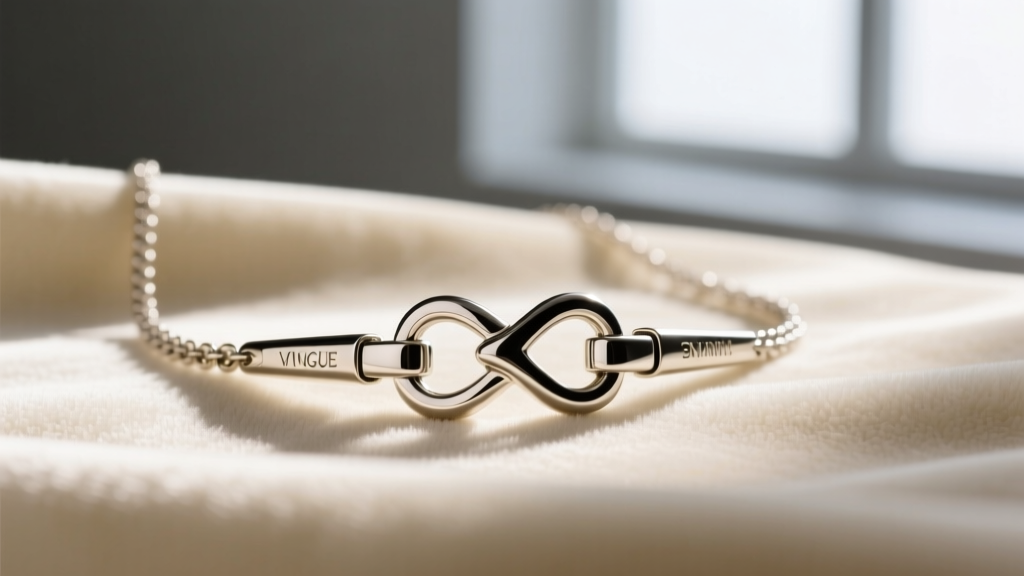
Metal Selection and Prong Architecture
The structural integrity of a small tennis necklace is heavily dependent on the metal alloy and the setting style. Because the links between the stones are incredibly thin, metal tensile strength is paramount.
14k vs. 18k Gold vs. Platinum
While 18k gold and platinum are the darlings of high jewelry, 14k gold is often the superior choice for the delicate chain links of a small tennis necklace. 14k gold contains a higher percentage of alloy metals (like zinc and copper), giving it greater tensile strength and resistance to stretching under the constant friction of daily wear. Platinum, while excellent for holding prongs, is a dense, heavy metal; if the links are too thin, the weight of the platinum can actually cause the chain to stretch over time.
Shared Prong vs. Bezel Settings
Most small tennis necklaces utilize a shared prong (or three-prong) setting. This minimizes the amount of metal visible, allowing maximum light to enter the sides of the stone. However, three-prong settings require the prongs to be slightly thicker to compensate for the lack of a fourth anchor point. Alternatively, a bezel setting offers unparalleled security for active lifestyles, wrapping each small diamond in a thin rim of metal, though it will reduce the overall sparkle by roughly 15%.
The Security Checklist: Clasps and Safeties
The American Gem Society (AGS) frequently highlights clasp failure as a leading cause of jewelry loss. For a valuable diamond line, the clasp mechanism is non-negotiable.
- The Box Clasp: The industry standard. A wedge-shaped tongue clicks securely into a boxed enclosure. It provides a seamless look but must be paired with a safety.
- The Figure-8 Safety Catch: This is a secondary wire hinge that snaps over a small pin on the opposite side of the clasp. Never buy a tennis necklace without at least one figure-8 safety catch. If the primary box mechanism is snagged or bent, the figure-8 wire will prevent the necklace from falling off.
- The Lobster Alternative: For ultra-delicate 2.0mm necklaces, a high-quality 14k lobster clasp is sometimes preferred over a heavy box clasp to maintain the lightweight drape of the piece.
Troubleshooting: The 'Flipping' Phenomenon
A common frustration with small tennis necklaces is 'flipping'—where the heavier clasp migrates from the back of the neck to the front, while the diamond line slides to the back. This happens because a 2.5mm diamond line is exceptionally lightweight, and a diamond-encrusted box clasp acts as a counterweight. The Fixes: 1. Size Down: Wear the necklace tighter (e.g., 15 inches instead of 16). Resting snugly on the collarbone prevents the chain from having the physical space to rotate. 2. Counterweights: Ask your jeweler to add a tiny, discreet gold 'counterweight bead' on the chain exactly two inches away from the clasp to balance the drape. 3. Lightweight Clasps: Opt for a plain metal box clasp rather than one set with diamonds to reduce the weight differential.
Natural vs. Lab-Grown: 2026 Market Realities
The decision between natural and lab-grown diamonds is highly personal, but the small tennis necklace category is where lab-grown stones truly dominate the value proposition. Because creating a perfectly matched parcel of 60+ natural diamonds with identical color and clarity is incredibly rare and expensive, natural small tennis necklaces carry a massive 'matching premium.' Lab-grown diamonds, cultivated in controlled environments, offer flawless consistency in color and cut at a fraction of the cost.
| Feature | Natural Diamonds | Lab-Grown Diamonds |
|---|---|---|
| Price (3.00 CTW, 16-inch) | $6,500 - $12,000+ | $1,200 - $2,800 |
| Color Matching | Slight variations possible | Perfectly uniform |
| Resale Value | Moderate retention | Minimal retention |
| Origin | Mined (Ensure Kimberley Process) | CVD or HPHT Laboratory |
Styling and Layering Frameworks
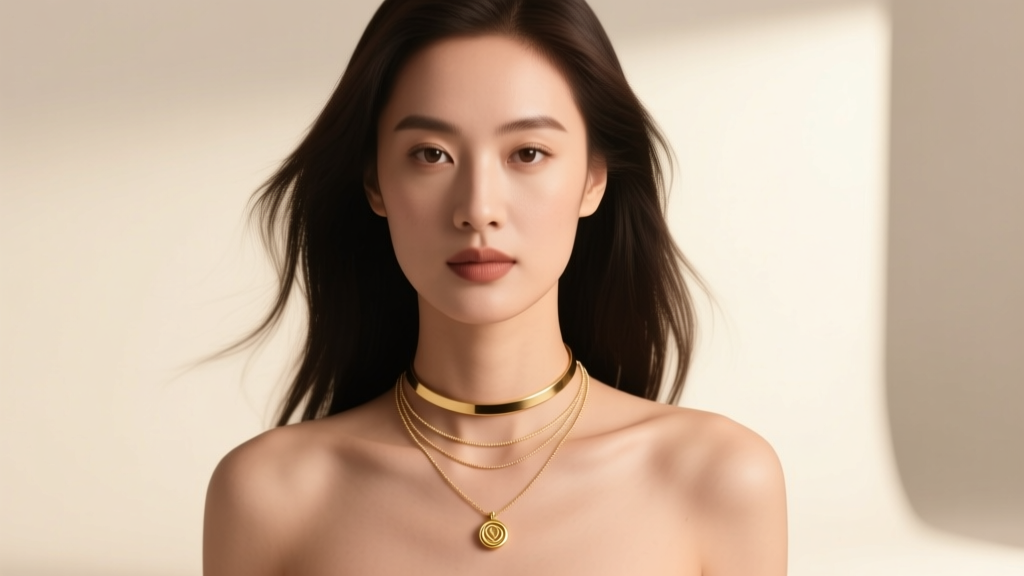
The versatility of the small tennis necklace lies in its ability to act as both a standalone statement of elegance and a foundational layering piece. The Collarbone Anchor (15-16 inches): Worn alone, a 2.5mm necklace at this length draws the eye directly to the décolletage. It pairs perfectly with V-necklines, wrap dresses, and open-collared silk blouses. The Layering Stack: To build a modern 2026 stack, use the small tennis necklace as your 'sparkle base.' Pair a 15-inch 2.0mm tennis necklace with a 17-inch textured gold rope chain and a 19-inch pendant necklace featuring a single, larger gemstone (like a bezel-set sapphire or a solitaire diamond). The varying textures and lengths prevent tangling while creating a rich, curated aesthetic.
Final Verdict
Investing in a small tennis necklace is an exercise in balancing delicate aesthetics with robust engineering. By prioritizing an excellent cut over unnecessary clarity grades, opting for the tensile strength of 14k gold or secure platinum prongs, and demanding a box clasp with a figure-8 safety, you ensure your piece will survive the rigors of daily wear. Whether you choose the romantic history of natural diamonds or the flawless consistency of lab-grown stones, a well-chosen petite tennis necklace remains the ultimate tool for effortless, everyday brilliance.


