Sterling vs Argentium: Choosing the Best Snake Necklace Silver
Compare sterling, Argentium, and fine silver for your next snake necklace. Discover which silver alloy prevents kinking and tarnish.

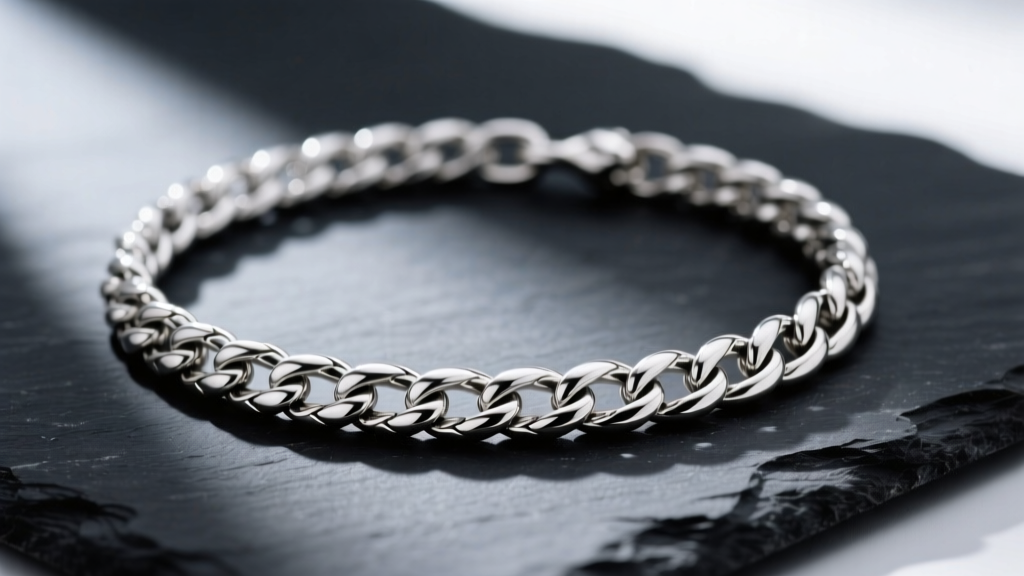
When shopping for a sleek, liquid-metal aesthetic, a snake necklace silver design is often the top choice. The continuous, tubular weave of a snake chain offers a modern, sophisticated drape that cable or box chains simply cannot match. However, this unique structural design makes the chain notoriously unforgiving. Unlike open-link chains, a snake chain behaves like a rigid, flexible spring. The metallurgical properties of the silver alloy used to craft it will entirely dictate its lifespan, its resistance to permanent kinking, and its daily maintenance requirements.
In this comprehensive material guide, we dissect the specific silver alloys used in modern snake chain manufacturing. By understanding the Vickers hardness, tarnish rates, and work-hardening properties of these metals, you can make an informed investment that survives daily wear.
The Anatomy of a Silver Snake Chain
Before comparing alloys, it is crucial to understand why the snake weave demands specific material properties. A snake chain is constructed from slightly wavy, interlocking rings that are tightly pressed and drawn through a die to form a smooth, continuous tube. This process, known as work-hardening, significantly increases the tensile strength of the metal but reduces its ductility.
Because the links are flush against one another, there is virtually no room for debris, moisture, or skin oils to escape once trapped. Furthermore, the rigid nature of the tubular weave means that if the chain is bent past its yield point, it will not simply bend back; it will permanently kink, fracturing the internal links. Therefore, the ideal silver alloy for a snake chain must possess high structural memory and exceptional tarnish resistance.
Material Breakdown: 3 Silver Alloys Compared
Not all silver is created equal. According to metallurgical standards outlined by The Silver Institute, the addition of specific alloying metals drastically alters how silver behaves when drawn into fine wire and woven. Below is a comparative analysis of the three most common silver types used in snake chains.
| Alloy Type | Composition | Vickers Hardness (Annealed) | Tarnish Resistance | Kink Recovery | Avg. Price (18") |
|---|---|---|---|---|---|
| Sterling 925 | 92.5% Ag, 7.5% Cu | 65 - 75 HV | Moderate (Requires polishing) | Good (if work-hardened) | $45 - $110 |
| Argentium 960 | 96% Ag, 4% Cu + Germanium | 85 - 95 HV (Work-hardened) | Exceptional (Firescale resistant) | Excellent (High spring-back) | $90 - $220 |
| Fine 999 | 99.9% Pure Silver | 25 HV | High (No copper to oxidize) | Poor (Will kink permanently) | Rarely used |
Sterling 925: The Industry Standard
Sterling silver remains the most common material for a snake necklace silver design. The 7.5% copper content provides the necessary hardness for the chain to hold its tubular shape and spring back from minor bends. However, copper is highly reactive to sulfur and moisture in the air, leading to copper sulfide tarnish. Because polishing the microscopic grooves of a snake chain is incredibly difficult, sterling silver snake chains require frequent, meticulous maintenance to prevent deep-set black oxidation.
Argentium 960: The Modern Masterpiece
For a premium snake chain, Argentium silver is the undisputed champion. By replacing a portion of the copper with the metalloid germanium, Argentium forms a transparent, self-healing layer of germanium dioxide on the surface. This completely blocks tarnishing agents. More importantly for snake chains, Argentium can be work-hardened to a higher degree than sterling without becoming brittle, giving it superior "spring-back" memory when flexed. As noted in educational resources by the Gemological Institute of America (GIA), modern silver alloys with germanium additions represent a significant leap in jewelry longevity.
Fine 999 Silver: A Structural Liability
While pure silver is highly valued for its hypoallergenic properties and bright luster, it is far too soft for a snake weave. A 999 fine silver snake chain will lack the structural rigidity to support its own weight and will kink permanently the first time it is bent or slept in. Avoid fine silver for any tightly woven, tubular chain style.
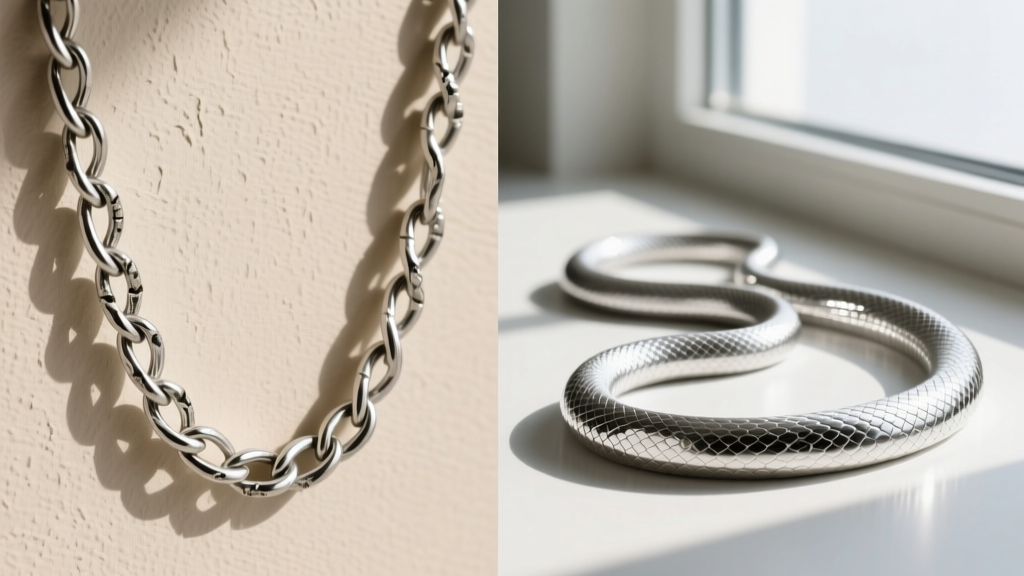
The Kink Factor: Metallurgy and Yield Points
The most common cause of death for a snake chain is kinking. When a snake chain is folded sharply, the tightly packed links on the inside of the bend are crushed together, while the links on the outside are stretched beyond their elastic limit.
This is where the concept of work-hardening becomes critical. During manufacturing, the silver wire is drawn through progressively smaller dies, and the finished chain is pulled through a sizing plate. This aligns the metal's crystalline structure, increasing its yield strength. Sterling 925 responds beautifully to work-hardening. However, if a jeweler attempts to resize or solder a sterling snake chain and accidentally anneals (softens) the metal with a torch, the chain will lose its rigidity and kink immediately upon wearing. Argentium silver, conversely, possesses a higher thermal threshold and retains its structural memory better during minor jewelry repairs.
Rhodium Plating: A Double-Edged Sword
Many commercial sterling silver snake chains are flash-plated with rhodium to mimic the look of white gold and provide a temporary barrier against tarnish. While this looks stunning in the display case, it introduces a long-term structural vulnerability.
- Micro-Cracking: Rhodium is a hard, brittle metal. As the snake chain flexes around the neck, the rhodium plating develops microscopic stress fractures.
- Moisture Trapping: Once fractured, sweat and moisture seep between the rhodium and the sterling silver, causing localized galvanic corrosion that is impossible to polish out.
- Replating Nightmares: Replating a snake chain is notoriously expensive and risky. The chain must be ultrasonically cleaned first, but ultrasonic vibrations can loosen the tight weave of a snake chain, causing it to "unravel" or stretch permanently.
Expert Recommendation: Opt for a bare, high-polish Argentium silver snake chain over a rhodium-plated sterling one. The natural bright white luster of Argentium eliminates the need for plating, ensuring the chain flexes naturally without the risk of flaking metal.

Clasp Mechanics and Solder Points
A snake chain is only as strong as its weakest link, which is almost always the solder joint connecting the rigid tubular chain to the flexible jump ring of the clasp. Because the snake chain does not articulate freely at the end-cap, the torque applied when taking the necklace on and off is concentrated entirely on this single solder point.
When evaluating a snake necklace silver piece, inspect the end-caps. High-quality manufacturers use laser welding or specialized silver solder with a high shear strength to attach the end-caps. Additionally, look for a lobster clasp with a sturdy, thick jump ring rather than a flimsy spring ring, which can easily deform and pull the solder joint apart.
Care and Maintenance Matrix
Maintaining the liquid-metal look of a silver snake chain requires specific protocols. The tight grooves easily trap cosmetics, sebum, and environmental pollutants. Follow this strict maintenance framework to preserve the chain's integrity:
What to AVOID
- Ultrasonic Cleaners: Never put a snake chain in an ultrasonic cleaner. The high-frequency cavitation can force moisture deep into the core of the chain, leading to internal oxidation that turns the chain stiff and brittle.
- Harsh Silver Dips: Acidic liquid silver dips will strip the polished finish, leaving the chain with a dull, matte, and frosty appearance that attracts dirt faster.
- Sleeping in the Chain: The localized pressure of your neck against a pillow while sleeping is the primary cause of sharp, irreversible kinks.
The Proper Cleaning Protocol
- Degrease: Wash the chain in warm water with a few drops of mild, phosphate-free dish soap (like Dawn) to remove skin oils.
- Directional Polishing: Use a high-quality microfiber or specialized silver polishing cloth. Crucial: Always wipe lengthwise along the chain, parallel to the weave. Wiping in circular motions will catch the microscopic edges of the links, causing fraying and a "fuzzy" appearance.
- Drying: Pat dry with a lint-free cloth and use a hairdryer on a cool setting to ensure no moisture remains trapped in the core.
Final Verdict: Which Silver Snake Necklace Should You Buy?
If you are investing in a snake necklace silver design intended for daily or frequent wear, Argentium 960 silver is the superior choice. Its germanium-enriched composition offers unparalleled tarnish resistance, saving you from the tedious and risky process of polishing the chain's tight grooves. Furthermore, its higher work-hardened tensile strength provides the best defense against the dreaded permanent kink.
If your budget restricts you to Sterling 925, ensure you purchase from a reputable jeweler who properly work-hardens their chains, and commit to a strict lengthwise polishing routine. Avoid rhodium plating and fine silver entirely. By respecting the metallurgy of the weave, your silver snake chain will retain its fluid, mirror-like drape for decades.


