Snow Globe Necklace Buying Guide: Styles, Materials & Care
Discover how to choose the perfect snow globe necklace. Our 2026 buying guide covers glass types, liquid matrices, chain gauges, and sealing mechanisms.

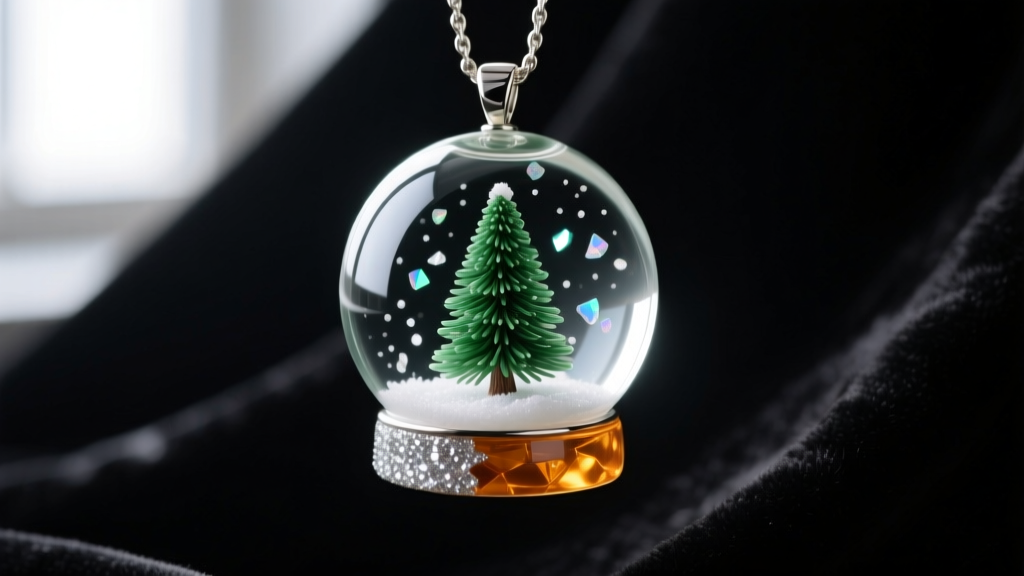
The snow globe necklace has undergone a radical transformation. Once relegated to the realm of cheap plastic souvenirs and novelty gift shops, the modern snow globe pendant has evolved into a legitimate category of artisan and fine jewelry. As of 2026, jewelry makers are utilizing borosilicate glass, precious metal bezels, and advanced fluid dynamics to create wearable, kinetic art. However, because these pieces contain liquid and moving parts, they are inherently more fragile than standard gemstone pendants.
Whether you are investing in a custom resin-casted piece or a fine-jewelry diamond-dust globe, understanding the structural anatomy of these necklaces is critical. This comprehensive buying guide breaks down the material science, fluid mechanics, and hardware requirements you must evaluate before making a purchase.
Dome Materials: Borosilicate Glass vs. Optical Resin
The clarity and scratch resistance of the dome dictate the lifespan of your necklace. Mass-market manufacturers often use injection-molded acrylic, but serious artisans and jewelers rely on two primary materials:
Borosilicate Glass
Borosilicate glass (the same material used in high-end laboratory beakers) is the gold standard for premium snow globe necklaces. It rates around a 6 on the Mohs hardness scale, meaning it will not scratch from everyday contact with clothing or skin oils. It also possesses a high refractive index, providing a crystal-clear, magnifying view of the interior scene. The primary drawback is weight and impact vulnerability; a 25mm borosilicate dome can weigh upwards of 15 grams before liquid and hardware are added.
Optical-Grade UV Resin
For intricate, non-spherical shapes (like teardrops or geometric polyhedrons), artisans use optical-grade polyurethane or UV resins. While these offer incredible design versatility and are shatterproof, they rate much lower on the Mohs scale (typically 2 to 3). Over time, acrylic and resin domes will accumulate micro-scratches, leading to a cloudy appearance if cleaned with abrasive cloths.
The Liquid Matrix: What is Actually Inside?
The 'snow' in a modern snow globe necklace is rarely actual snow or cheap plastic glitter. High-end pieces use synthetic mica flakes, micro-glass beads, or even crushed diamond dust. However, the behavior of these particles is entirely dependent on the liquid suspension matrix. The viscosity of the liquid determines how fast the snow falls and whether it clumps.
| Liquid Matrix | Composition | Pros | Cons & Risks |
|---|---|---|---|
| Distilled Water + Glycerin | 80-90% distilled water, 10-20% vegetable glycerin | Provides the most natural, graceful snow fall. Inexpensive and non-toxic. | Can grow algae if exposed to constant UV light. Freezes at 0°C, which can shatter the glass dome. |
| Mineral Oil | Purified, cosmetic-grade liquid paraffin | Will not rust interior metal armatures. Very low freezing point. | High viscosity can cause mica 'snow' to clump. Can degrade cheap rubber O-ring seals over time. |
| Propylene Glycol | Synthetic glycol compound | Anti-microbial properties prevent algae. Excellent temperature stability. | Expensive to source. Requires precise chemical balancing to prevent interior fogging. |
Expert Tip: If you are buying a necklace with a metallic interior element (like a silver tree or gold figurine), ensure the maker uses mineral oil or a specialized glycol. Water-based matrices, even when distilled, will eventually cause base metals and low-karat gold alloys to oxidize and tarnish from the inside out.
Sealing Mechanisms and Common Failure Modes
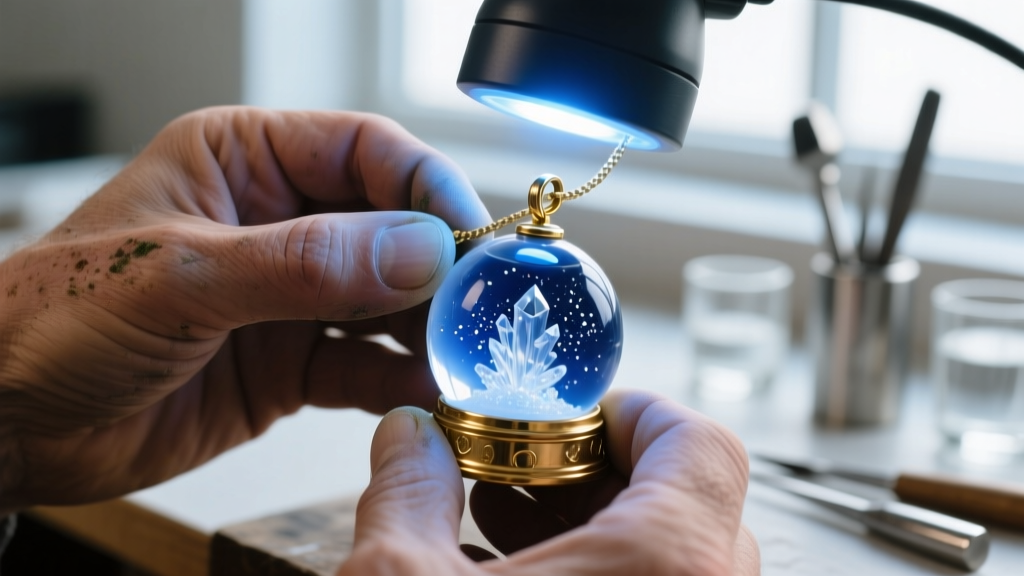
The most common reason a snow globe necklace is discarded is not broken glass, but a failed seal. Evaporation and leaking are the enemies of kinetic jewelry. When evaluating a piece, look closely at how the dome is mated to the metal base.
- Cork & Rubber Stoppers (Avoid): Common in cheap, vintage-style globes. Cork dries out and shrinks, while cheap rubber becomes brittle when exposed to skin oils and perfumes.
- Silicone O-Rings (Good): A food-grade silicone O-ring compressed between the glass lip and a threaded metal base provides a reliable, replaceable seal. However, the threads must be perfectly machined to maintain even pressure.
- UV Resin Welding (Best): Top-tier artisans in 2026 use a two-part epoxy or UV-cured jewelry resin to permanently bond the glass dome to the metal bezel. This creates a watertight, monolithic seal that is impervious to temperature fluctuations.
Troubleshooting Cloudiness: If an older globe necklace develops an internal fog, it is usually due to a micro-leak that allowed water to evaporate, leaving behind mineral deposits on the inside of the glass. Unfortunately, unless the pendant features a removable screw-top plug, internal cleaning is impossible without destroying the piece.
Chain Selection: Supporting the Kinetic Weight
A standard gemstone pendant weighs between 3 and 8 grams. A 25mm glass snow globe pendant, filled with liquid and capped with a brass or silver bezel, routinely weighs between 20 and 35 grams. This massive weight disparity causes catastrophic failures when paired with delicate chains.
According to jewelry manufacturing standards outlined by suppliers like Rio Grande, chain gauge (thickness) directly correlates to tensile strength. Here is how to match your chain to your globe:
The Gauge Guide for Heavy Pendants
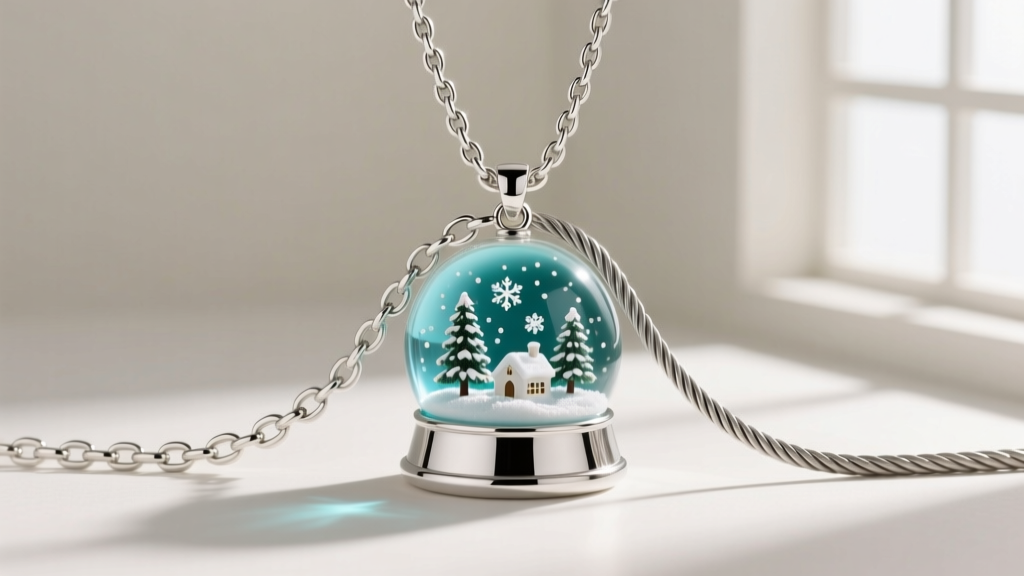
- 22 to 20 Gauge (0.6mm - 0.8mm): Do not use. These delicate chains will stretch, kink, or snap under the swinging momentum of a 30-gram glass dome.
- 18 Gauge (1.0mm): The minimum acceptable thickness for small (15mm-20mm) globes. Opt for a Rolo or Wheat chain, which feature interlocking links that distribute weight evenly.
- 16 to 14 Gauge (1.3mm - 1.6mm): Required for large (25mm+) statement globes. A heavy Cuban link or thick Cable chain is necessary to support the pendant without warping.
Furthermore, avoid spring-ring clasps. The internal spring mechanism in a standard spring-ring clasp is not rated for the dynamic shock load of a heavy pendant bouncing against the chest. Always upgrade to a lobster claw or a magnetic neodymium clasp with a safety catch.
Pricing Tiers: What Should You Expect to Pay?
The market for snow globe necklaces is highly stratified. Understanding these tiers will help you identify genuine craftsmanship over dropshipped novelties.
- The Novelty Tier ($15 - $35): Mass-produced in overseas factories. Features acrylic domes, alloy bases plated in silver or gold, and water-based liquids with standard polyester glitter. Seals are usually glued corks. Expect a lifespan of 1 to 2 years before leaking or clouding occurs.
- The Artisan Tier ($80 - $180): Handcrafted by independent jewelers. Features borosilicate glass, sterling silver or solid brass bezels, and custom 3D-printed or hand-sculpted interior scenes. Sealed with UV resin. The 'snow' is often genuine mica or crushed opal. These are heirloom-quality pieces if cared for properly.
- The Fine Jewelry Tier ($300 - $1,000+): Created by luxury houses and master goldsmiths. Domes are made of rock crystal or sapphire glass. Bases are cast in 14k or 18k solid gold. The interior elements feature pave-set diamonds, and the suspension liquid may contain real gold leaf or diamond dust.
Long-Term Care and Maintenance
To maintain the optical clarity and structural integrity of your snow globe necklace, you must treat it as a precision instrument rather than standard jewelry. The Gemological Institute of America (GIA) recommends keeping complex jewelry away from harsh chemicals, but snow globes require extra precautions regarding temperature and UV exposure.
- Avoid Thermal Shock: Never wear a liquid-filled glass pendant in a sauna, hot tub, or leave it on the dashboard of a car. The liquid inside will expand when heated. Because glass and metal expand at different rates, thermal shock will either shatter the dome or blow out the seal.
- UV Degradation: If your globe contains organic elements (like real dried flowers) or a water/glycerin mix, prolonged exposure to direct summer sunlight can cause the interior to turn yellow or develop bacterial blooms. Store the necklace in a dark jewelry box when not in use.
- Shaking Technique: To activate the snow, gently invert the pendant or give it a soft flick. Vigorous shaking can cause the liquid to cavitate, creating micro-bubbles that can become trapped under the bezel lip, obstructing your view.
By prioritizing borosilicate glass, proper fluid matrices, and heavy-gauge chains, you can find a snow globe necklace that is not just a fleeting novelty, but a captivating, enduring piece of wearable kinetic art.


