Beginner's Guide to Buying a Snowflake Obsidian Necklace
Discover how to choose, authenticate, and style your first snowflake obsidian necklace with our expert beginner's guide to this striking volcanic gem.

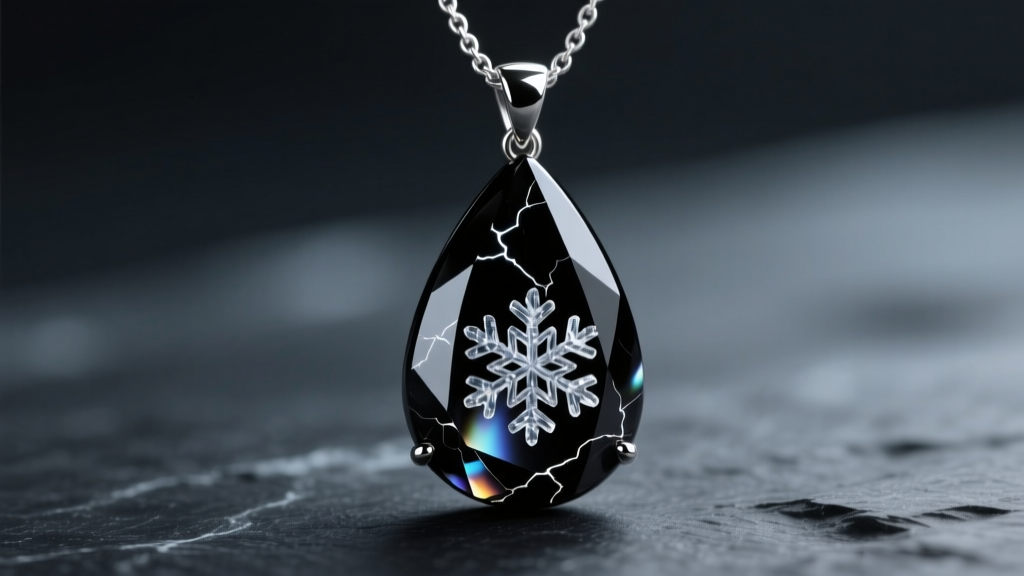
If you are stepping into the world of gemstone jewelry for the first time, a snowflake obsidian necklace is one of the most captivating, grounding, and visually striking pieces you can acquire. Unlike traditional crystalline gems like diamonds or sapphires, obsidian is a volcanic glass born from fire and rapid cooling. The 'snowflake' variety features stark white or grayish patches against a deep black canvas, creating a natural contrast that feels both ancient and modern.
However, buying your first snowflake obsidian pendant requires more than just picking a pretty stone. Because it is a natural glass, it has unique vulnerabilities, specific care requirements, and a market flooded with convincing fakes. This beginner-friendly explainer will walk you through the geology, authentication, setting selection, and everyday care of snowflake obsidian, ensuring your investment is both genuine and built to last.
What Exactly is Snowflake Obsidian?
To understand how to care for and wear this stone, you first need to understand how it forms. Obsidian is an igneous rock that forms when felsic lava cools so rapidly that atoms do not have time to arrange themselves into a crystalline structure. The result is a natural, amorphous glass. According to Encyclopædia Britannica, this rapid cooling typically occurs at the edges of rhyolitic lava flows or volcanic domes.
The 'snowflake' pattern is a specific geological phenomenon. Over time, the amorphous glass begins to slowly crystallize. Tiny, radial clusters of a mineral called cristobalite (a high-temperature polymorph of silica) begin to grow within the black glass matrix. These clusters, known as spherulites, are what create the white, snowflake-like markings. As noted by mineralogical databases like Mindat.org, the size and density of these spherulites dictate the stone's visual appeal and value.
Real vs. Fake: How to Authenticate Your Stone
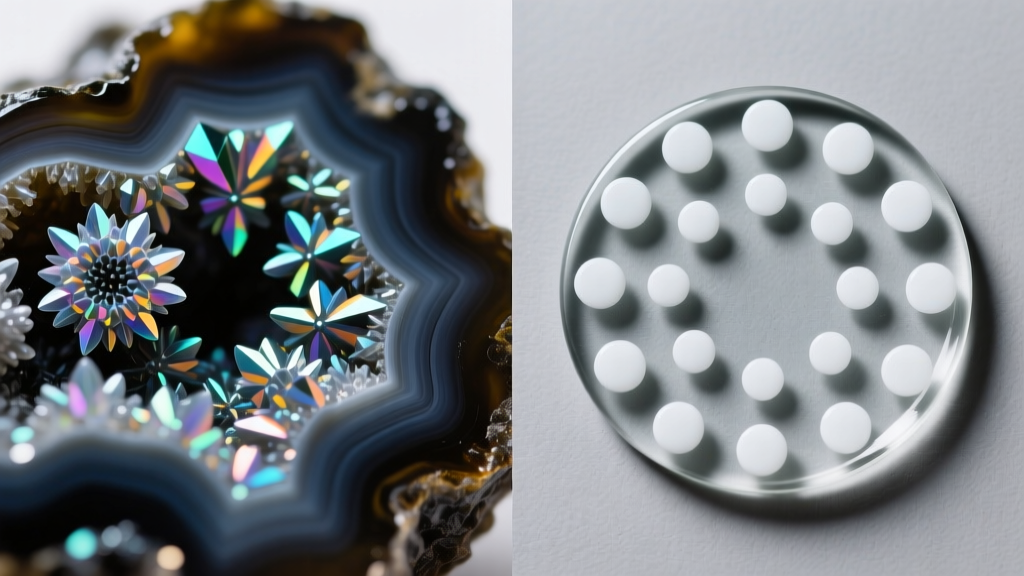
Because obsidian is essentially glass, it is notoriously easy to counterfeit. Many cheap 'snowflake obsidian' necklaces sold online are actually just black glass beads or pendants with white enamel or ceramic paint applied to mimic the spherulites. Here is how you can tell the difference:
The Visual and Tactile Test
- Texture: Run your fingernail gently over the white snowflake patterns. In genuine stone, the spherulites often have a very slight textural difference or raised feel compared to the glassy black matrix. Fakes are perfectly smooth because the white spots are painted or printed under a clear coat.
- Uniformity: Nature is imperfect. Real snowflake obsidian features spherulites of varying sizes, slightly blurred edges, and asymmetric patterns. If the white 'flakes' are perfectly round, identical in size, and evenly spaced, you are likely looking at manufactured slag glass.
- The Temperature Test: Genuine volcanic glass has a higher thermal mass than standard plastic or resin. Hold the pendant to your cheek or the inside of your wrist; real obsidian will feel distinctly cool to the touch and will take longer to warm up from your body heat than a plastic or resin fake.
Choosing the Right Setting and Chain
Snowflake obsidian ranks between 5.0 and 5.5 on the Mohs scale of hardness. While this makes it hard enough to take a brilliant, mirror-like polish, it also means it is relatively brittle and prone to chipping if struck against a hard surface. Furthermore, obsidian exhibits a conchoidal fracture, meaning it breaks in smooth, curved shells—much like a shattered glass bottle.
Because of this brittleness, the setting you choose for your snowflake obsidian necklace is critical for its survival.
Bezel vs. Prong Settings
Always opt for a bezel setting (where a rim of metal completely encircles the edge of the stone) or a halo setting. Avoid prong settings. Prongs leave the edges of the obsidian exposed, and the localized pressure of the metal prongs can actually cause the glass to fracture over time or upon minor impact.
Metal Pairings and Chain Selection
The deep black and stark white of the stone pairs beautifully with various metals, but durability should be your primary concern. A heavy obsidian pendant requires a sturdy chain.
| Metal Type | Aesthetic Pairing | Durability & Notes | Ideal Chain Style |
|---|---|---|---|
| Sterling Silver (925) | High contrast; enhances the 'snow' effect. | Excellent. Tarnishes over time but easily polished. | Box chain or Wheat chain (2.0mm+) |
| Yellow Gold (14k) | Warm, vintage, and luxurious. | Highly durable. Resists tarnish and corrosion. | Rope chain or Curb chain (1.5mm+) |
| Rose Gold (14k) | Softens the stark contrast; romantic feel. | Durable, but copper alloys can cause skin reactions for some. | Cable chain with reinforced jump rings |
| Gold-Plated Brass | Budget-friendly, fashionable. | Poor. Plating wears off; brass turns skin green. | Avoid for heavy pendants |
Pricing Guide: What Should You Actually Pay?
Understanding the market value of a snowflake obsidian necklace prevents you from overpaying for fakes or low-grade materials. While the stone itself is relatively abundant and inexpensive, the craftsmanship of the setting and the quality of the lapidary work (the cutting and polishing of the stone) drive the price.
Expert Tip: If you see a 'snowflake obsidian' necklace with a massive, flawless pendant set in sterling silver selling for under $20, it is almost certainly fake glass. Genuine lapidary work and authentic silver have a baseline manufacturing cost that makes such prices impossible.
- $25 - $60 (Entry Level): Small to medium cabochon pendants (15mm - 25mm) set in mass-produced sterling silver or stainless steel. The spherulites may be sparse or heavily included with grayish hues.
- $75 - $150 (Mid-Range): High-quality, custom-cut stones with striking, high-contrast white snowflakes. Set in solid 925 silver with secure bezel settings and paired with a sturdy, branded chain.
- $200 - $500+ (Designer/Fine Jewelry): Large, museum-grade stones with rare, intricate spherulite patterns, set in solid 14k or 18k gold, often accented with diamond or white sapphire halos.
Care and Maintenance for Volcanic Glass
Caring for a snowflake obsidian necklace requires a gentle touch. The most common mistake beginners make is treating obsidian like a diamond or a sapphire, which can lead to catastrophic damage to the stone.
The Golden Rules of Obsidian Care
- Never Use Ultrasonic Cleaners: The high-frequency vibrations of an ultrasonic jewelry cleaner can easily shatter obsidian or cause microscopic internal fractures to expand, ruining the stone.
- Avoid Harsh Chemicals: While obsidian is largely chemically inert, the metal settings (especially silver) can be damaged by bleach, ammonia, or commercial jewelry dips. Furthermore, harsh chemicals can degrade the polish on the stone's surface over time.
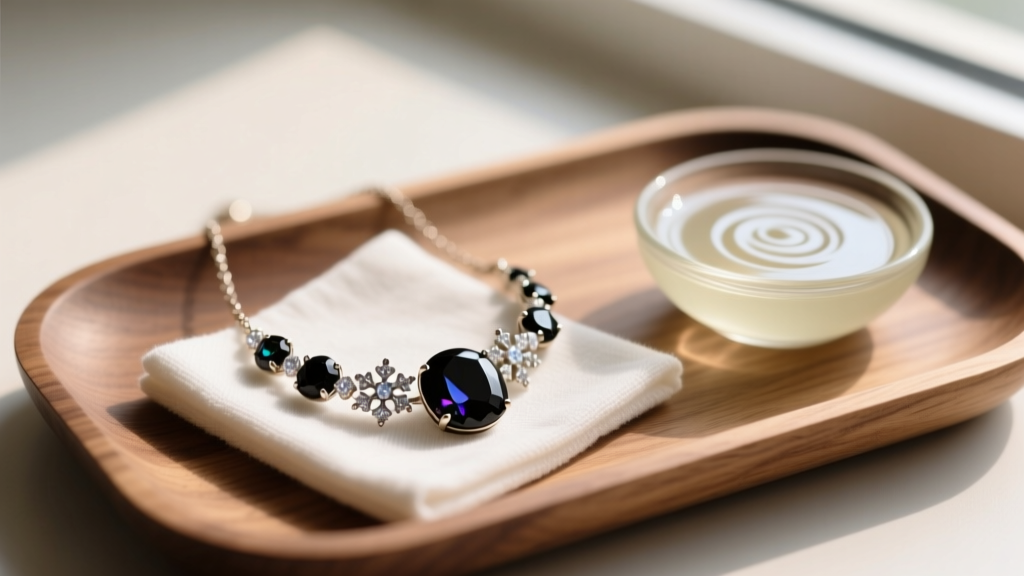
- Warm Soapy Water Only: To clean your necklace, mix a few drops of mild, phosphate-free dish soap in lukewarm water. Use a baby-soft toothbrush or a microfiber cloth to gently wipe the stone and the setting. Rinse under plain water and pat dry immediately.
- Store Separately: Because obsidian is a 5.5 on the Mohs scale, it can be easily scratched by harder gems like quartz (7), topaz (8), or diamonds (10). Always store your necklace in a soft velvet pouch or a separate compartment in your jewelry box.
Styling Your Obsidian Pendant for Everyday Wear
Snowflake obsidian is incredibly versatile, bridging the gap between bohemian earthiness and sleek modern minimalism. The key to styling lies in the pendant's size and the chain's length.
Matching Necklines
For a standard 18-inch chain with a medium-sized pendant, V-neck and scoop-neck tops provide the perfect geometric frame, drawing the eye down to the stone's contrasting patterns. If you are wearing a turtleneck or a high-collared shirt, opt for a longer 24-inch to 30-inch opera-length chain so the pendant rests visibly against the fabric, acting as a striking statement piece.
Layering Techniques
Because snowflake obsidian is visually 'heavy' due to its dark base color, it pairs beautifully with lighter, more delicate chains. Try layering your obsidian pendant with a simple 16-inch gold or silver chain featuring a tiny, subtle accent—like a single freshwater pearl or a small moonstone. This creates a balanced, textured look that feels curated rather than cluttered.
By understanding the geological origins, structural vulnerabilities, and styling potential of your snowflake obsidian necklace, you can confidently wear and care for this remarkable volcanic gem for decades to come.


