How to Choose the Perfect Wishbone Necklace Gold: A Buyer's Guide
Discover what to look for when buying a solid gold wishbone necklace. Learn about karat weights, chain styles, pricing, and how to spot quality craftsmanship.

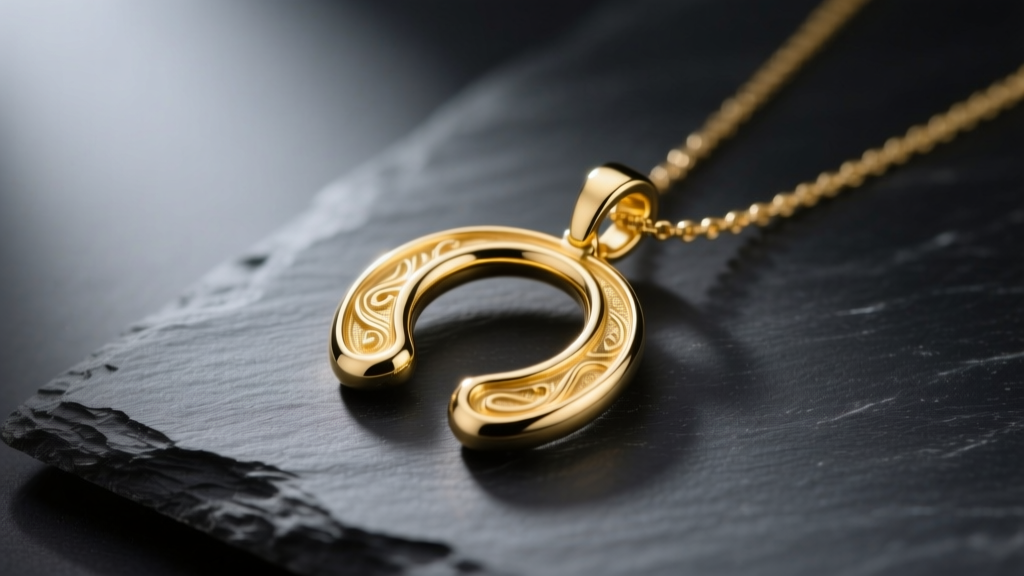
The wishbone has long been a symbol of luck, hope, and serendipity. When translated into fine jewelry, a wishbone necklace gold piece becomes a deeply personal talisman. However, the market is flooded with everything from ultra-thin, hollow-stamped pendants to solid, heirloom-quality casts. As we navigate the jewelry landscape in 2026, understanding the metallurgy, craftsmanship, and fair market pricing of gold wishbone pendants is essential for making a sound investment. This guide strips away the marketing fluff to reveal exactly what you should look for when purchasing a gold wishbone necklace.
The Anatomy of a High-Quality Wishbone Pendant
The structural integrity of a wishbone pendant relies heavily on its manufacturing method. Mass-market retailers often use die-striking or hollow casting to reduce gold weight, resulting in pendants that weigh less than 1.5 grams. These lightweight pieces are prone to denting and bending. A premium wishbone necklace gold pendant should be created using the lost-wax casting method, yielding a solid 3D form. Look for a pendant weight between 2.5 and 5 grams. This weight provides a satisfying drape on the collarbone without pulling the chain taut. Furthermore, examine the inner V-shape of the wishbone. High-end casters will ensure this area is smoothly filed and polished, whereas lower-tier manufacturers leave rough casting lines or sharp inner edges that can snag on delicate fabrics.
Karat Weight and Metallurgical Durability
Gold purity drastically affects both the color and the tensile strength of your pendant. According to the Gemological Institute of America (GIA), 24k gold is too soft for everyday jewelry. Here is how different karats perform in a wishbone design:
- 10k Gold (41.7% pure): Highly durable and scratch-resistant, but lacks the rich, warm luster associated with fine jewelry. Often used in budget-tier mall brands.
- 14k Gold (58.5% pure): The undisputed sweet spot for everyday wear. It offers an excellent balance of structural rigidity and beautiful color. If you plan to wear your wishbone necklace daily, 14k is the optimal choice.
- 18k Gold (75% pure): Prized for its deep, buttery yellow hue and hypoallergenic properties. However, it is softer and more susceptible to micro-scratches over time. Ideal for occasional wear or those with sensitive skin.
If you prefer a white gold wishbone necklace gold design, be aware that 14k and 18k white gold are alloyed with nickel or palladium and require rhodium plating to achieve a bright white finish. This plating will wear off after 12 to 18 months of daily wear, requiring professional re-dipping. Conversely, rose gold wishbones get their pink hue from copper; higher copper content increases durability but can cause reactions for those with specific metal sensitivities.
Chain Selection: Pairing the Right Link with the Pendant
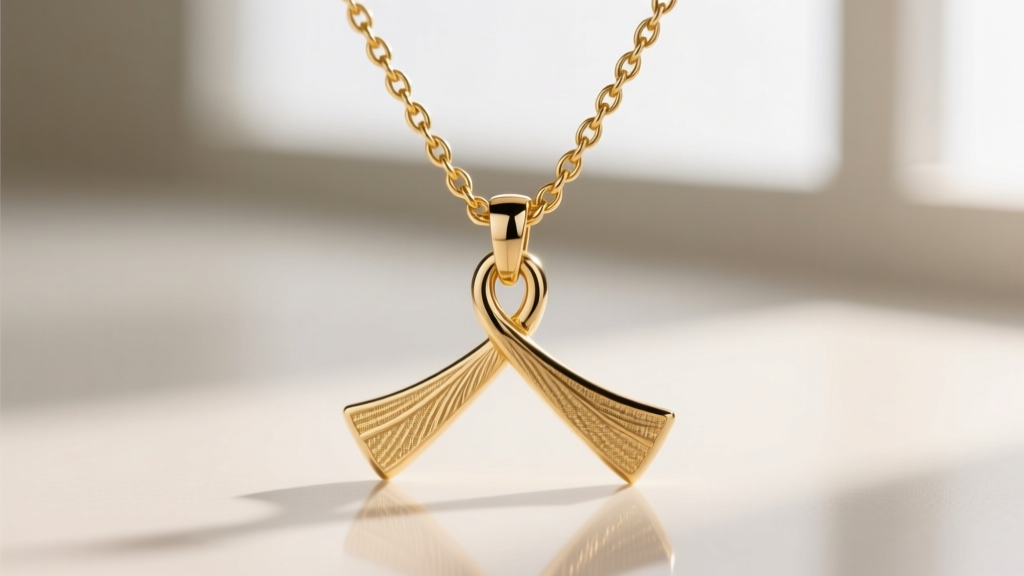
A common mistake buyers make is pairing a heavy, solid gold wishbone with a fragile chain. The bail (the loop connecting the pendant to the chain) creates a friction point that can wear through weak links over time. The Federal Trade Commission (FTC) mandates strict guidelines on jewelry marking, but chain durability is largely up to the consumer to verify. Use the table below to match your chain to your pendant's weight and style.
| Chain Type | Durability | Best For | Friction Risk |
|---|---|---|---|
| Cable | Moderate | Lightweight pendants (<2g) | Low |
| Box | High | Medium pendants, modern look | Medium (corners can wear the bail) |
| Rope | Very High | Heavy, solid 3D wishbones | Low (smooth surface) |
| Figaro | High | Layering, vintage aesthetics | Low |
Pricing Breakdown: What Should You Actually Pay?
In 2026, with gold spot prices experiencing significant market fluctuations, understanding the intrinsic value of your jewelry is crucial. A fair retail price for a solid gold wishbone necklace gold piece is calculated using a standard industry multiplier. Hand-finishing and polishing account for a significant portion of the manufacturing markup. A mirror-polished finish requires hours of manual labor using rouge and muslin wheels, whereas a matte or sandblasted finish is faster to produce but offers a more contemporary, understated look.
Expert Pricing Formula: (Current Gold Spot Price × Pendant Weight in Ounces × Purity Percentage) + Manufacturing Markup (typically 2x to 3x the melt value) + Retail Margin.
For example, a 3-gram 14k gold wishbone pendant contains roughly 1.75 grams of pure gold. If the melt value of the gold is $120, a fair direct-to-consumer retail price should fall between $300 and $450. If a luxury brand is charging $1,200 for the exact same weight and purity, you are paying a massive brand markup. Always ask the jeweler for the exact gram weight of the pendant before purchasing to calculate the true value.
Common Failure Modes and How to Avoid Them
Even the most beautiful wishbone necklace gold design will fail if the findings (the functional components) are subpar. The most frequent point of failure is the jump ring that connects the pendant to the chain. Inspect these areas closely before completing your purchase:
- Unsoldered Jump Rings: If the jump ring has a visible gap, the pendant will eventually slide off and be lost. Always insist on a laser-soldered or torch-soldered jump ring.
- Bail Wear: If the pendant has an integrated bail (a hole cast directly into the top of the wishbone), the chain will slowly act like a saw, cutting through the gold over years of friction. A soldered jump ring or a separate, articulated bail is vastly superior for longevity.
- Spring Ring Clasps: Standard spring ring clasps on the chain often fail due to weakened internal springs. Upgrade to a lobster clasp for chains thicker than 1.2mm to ensure your pendant remains secure.
How to Style and Layer Your Wishbone
The asymmetrical, sweeping lines of a wishbone make it a masterclass in layering. Because the focal point sits slightly off-center, it naturally complements other geometric or organic shapes without competing for visual dominance.
Neckline Pairings and Occasion Wear
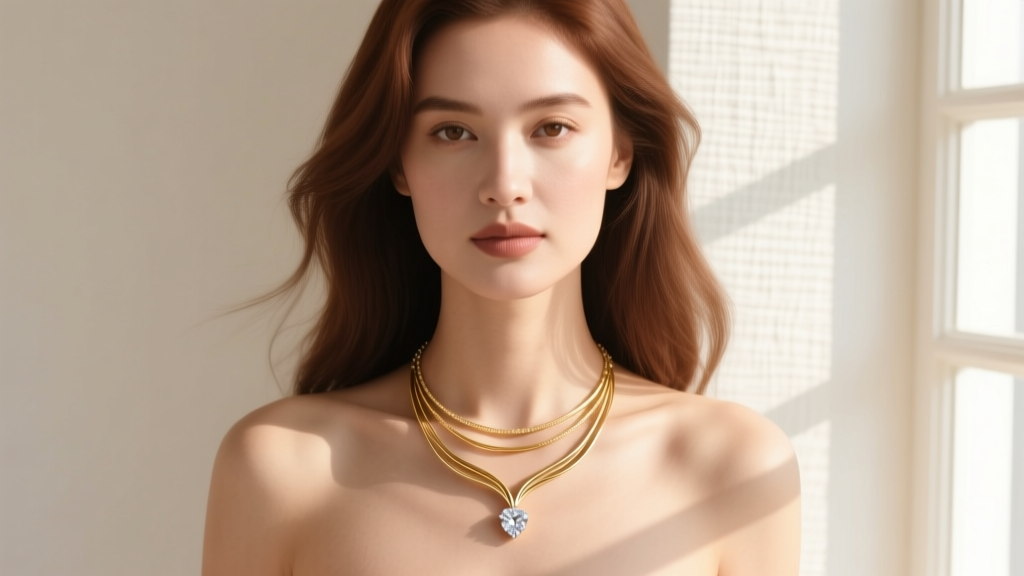
For a minimalist look, wear a 16-inch 14k gold wishbone on a delicate 1.0mm rope chain over a deep V-neck or scoop-neck top. The V-shape of the necklace mirrors the neckline, elongating the neck. When wearing high-neck garments like turtlenecks or mock-necks, opt for a longer 20-inch or 22-inch chain so the wishbone rests visibly on the fabric rather than getting lost in the collar folds. For formal occasions, a wishbone necklace featuring micro-pavé diamonds along the outer ridge adds necessary brilliance without overwhelming the silhouette.
The Art of the Curated Layer
If you prefer a curated, layered aesthetic, pair an 18-inch wishbone necklace with a 14-inch gold choker and a 22-inch lariat or medallion pendant. Ensure there is at least a 2-inch length difference between each chain to prevent the clasps and pendants from tangling throughout the day. When mixing metals, a yellow gold wishbone layered with a white gold or platinum satellite chain creates a striking, modern contrast that breaks away from traditional matching sets, proving that the wishbone is as versatile as it is meaningful.


