How to Source and Style the Iconic Necklace From Moulin Rouge
Discover how to source, recreate, and style the iconic necklace from Moulin Rouge. A step-by-step guide to achieving Satine's diamond glamour.

The Legacy of the Satine Diamond Collar
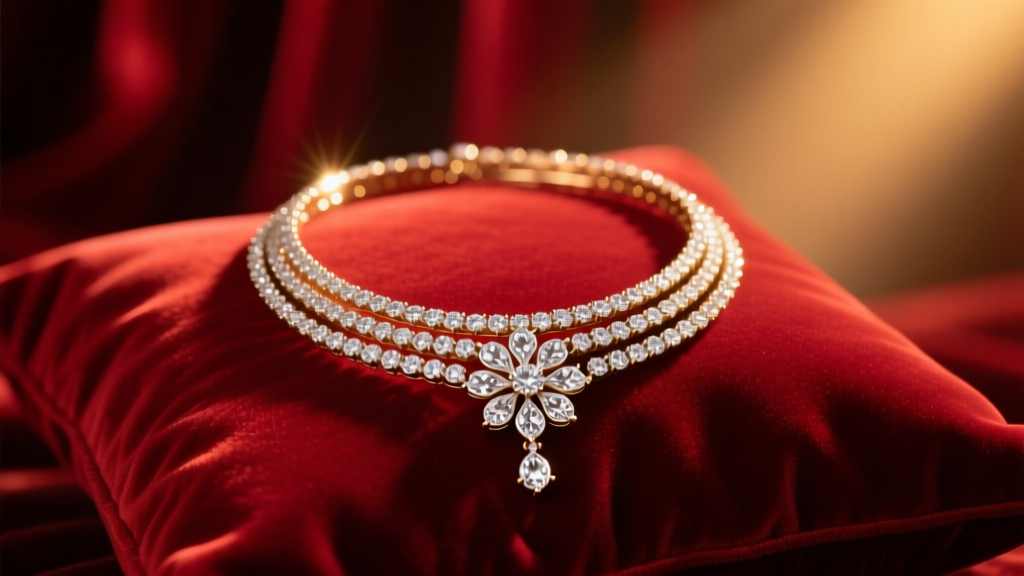
When Baz Luhrmann’s 2001 cinematic spectacle Moulin Rouge! captivated global audiences, it wasn't just the soundtrack or the vibrant cinematography that stole the show. The jewelry, specifically the breathtaking diamond collar worn by Nicole Kidman’s character Satine, became an instant icon of theatrical glamour. Designed by renowned Australian jeweler Stefano Canturi, the original necklace from Moulin Rouge was a masterpiece of Edwardian-inspired revivalism. It featured a staggering 1,308 hand-set diamonds totaling 138 carats, anchored by a central 2.5-carat floral motif, and carried an estimated valuation of over $1 million.
For jewelry enthusiasts, costume designers, and vintage glamour aficionados, acquiring the exact original is a museum-level endeavor. However, the desire to recreate this iconic silhouette remains incredibly strong in 2026. Whether you are sourcing a high-end replica for a themed gala, a theatrical production, or simply wish to integrate the collar necklace aesthetic into your modern evening wear, understanding the anatomy of this piece is critical. This step-by-step guide will walk you through sourcing quality alternatives, evaluating metalwork, and styling the collar for contemporary necklines.
Step 1: Decoding the Anatomy of the Collar
Before you begin sourcing a replica, you must understand what makes the original design so visually striking and physically functional. The Satine collar is not merely a rigid ring of metal; it is an articulated masterpiece. High-end collar necklaces utilize a flexible mesh or intricate hinged backing that allows the piece to drape flush against the clavicle without pinching the skin or gaping at the center.
Key Design Elements to Look For:
- The Central Motif: The original features a floral, star-like centerpiece with articulated diamond drops that move independently, catching light with every breath the wearer takes.
- Multi-Strand Illusion: The collar uses graduated rows of stones to create a 'bib' or multi-strand illusion, tapering elegantly toward the nape of the neck to reduce weight and bulk.
- Articulation: Cheap replicas use rigid wire or stiff base metal, which causes the necklace to sit awkwardly and stick out at the collarbone. Always test the flexibility of the backing.
Step 2: Sourcing the Stones (CZ vs. Moissanite vs. Crystal)
The visual impact of the necklace from Moulin Rouge relies entirely on the brilliance and fire of its gemstones. Since a 138-carat natural diamond replica is financially unfeasible for 99.9% of buyers, you must choose the right diamond simulant. According to the Gemological Institute of America (GIA), cubic zirconia (CZ) and moissanite are the premier choices for high-end simulants, but they behave very differently under stage or evening lighting.
| Simulant Type | Refractive Index (Brilliance) | Dispersion (Fire) | Durability (Mohs) | Best Use Case |
|---|---|---|---|---|
| AAAA Cubic Zirconia | 2.15 - 2.18 | 0.058 - 0.066 | 8.0 - 8.5 | Theatrical replicas, budget-friendly high-glamour, photography. |
| Lab-Grown Moissanite | 2.65 | 0.104 | 9.25 | Heirloom-quality replicas, daily wear, extreme light refraction. |
| Swarovski Crystal | 1.52 | 0.009 | 6.0 - 7.0 | Mass-market costume jewelry, lightweight casual wear. |
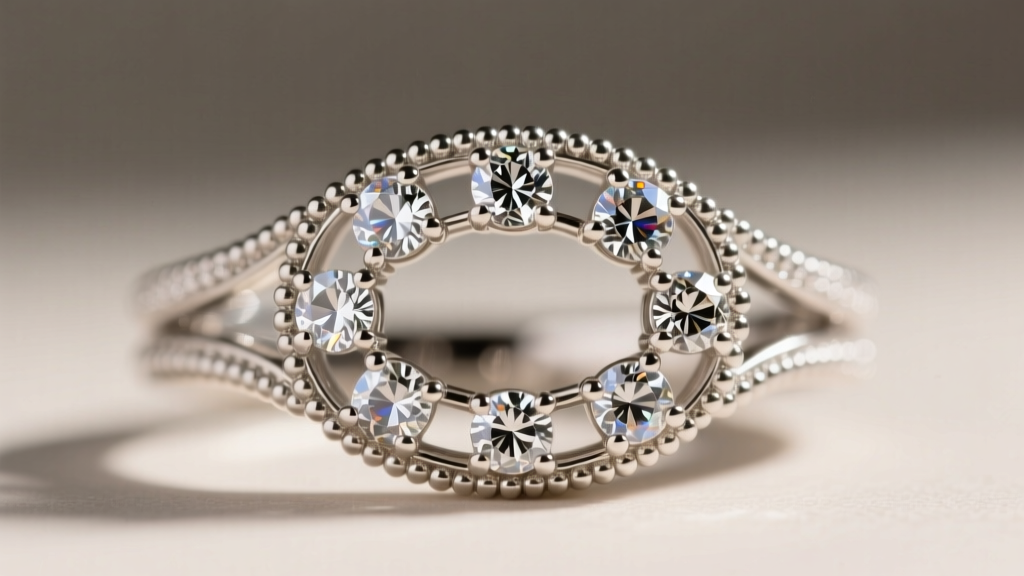
For a true recreation of the Moulin Rouge aesthetic, AAAA-grade cubic zirconia is the industry standard for luxury costume houses. It mimics the icy white brilliance of a D-color diamond without the excessive rainbow 'disco ball' fire of moissanite, which can sometimes look artificial in large, clustered quantities. Ensure the stones are prong-set rather than glued; glue will cloud over time and fail under the weight of a heavy collar.
Step 3: Evaluating Metalwork and Plating
The original Canturi piece was handcrafted in platinum and white gold. To replicate this bright, untarnished white metal look, modern replicas rely on rhodium plating. However, not all plating is created equal. When sourcing your necklace, you must inquire about the micron thickness of the rhodium layer.
Standard fashion jewelry often features a 'flash plating' of merely 0.1 to 0.3 microns, which will wear off against the skin's friction and natural oils within a few weeks, revealing the yellow brass or copper beneath. For a heavy statement piece like a collar necklace, you must seek out a base of 925 sterling silver or solid brass that has been plated with at least 1.5 to 2.5 microns of rhodium. This ensures a durable, tarnish-resistant finish that mimics the luster of platinum. For deeper insights into precious metal finishing, refer to the GIA News and Research archives on jewelry manufacturing standards.
Hardware and Clasp Security
A collar necklace of this magnitude is heavy. The original design utilized a complex ribbon-tie and diamond box clasp. When buying a replica, avoid standard lobster clasps on thin chains, as they will snap under the torque of a heavy collar. Look for a double-box clasp with dual safety catches (figure-eight safety wires) on either side. This redundancy ensures that if the primary clasp mechanism fails, the necklace remains secured to your neck.
Step 4: Mastering the Fit and Counterweighting
One of the most common failures in wearing heavy collar necklaces is improper weight distribution. If the front of the necklace is heavily laden with stones but the back is a simple, lightweight chain, the piece will continuously slide forward, choking the wearer and hiding the central pendant beneath the chin.
The Counterweight Solution: High-quality replicas will incorporate a 'counterweight drop' at the nape of the neck. This is a small, heavy metal tag or cluster of stones attached to the back of the clasp that acts as an anchor, pulling the necklace backward and keeping the central floral motif perfectly centered on the sternum. If your replica lacks this, you can have a local jeweler add a small, discreet lead-free brass weight to the interior of the back clasp.
Step 5: Styling for Contemporary Silhouettes
The necklace from Moulin Rouge is inherently theatrical, but it can be integrated into modern formal wear if styled with precision. Because the collar sits high and tight against the clavicle (typically measuring 14 to 15 inches in length with minimal drop), it competes with complex necklines. Follow these styling frameworks to let the piece command attention:
"The secret to wearing a heavy Edwardian-style collar is to treat it as the garment's neckline itself. The fabric should yield to the jewelry, not compete with it." — Theatrical Costume Design Principles
Ideal Neckline Pairings:
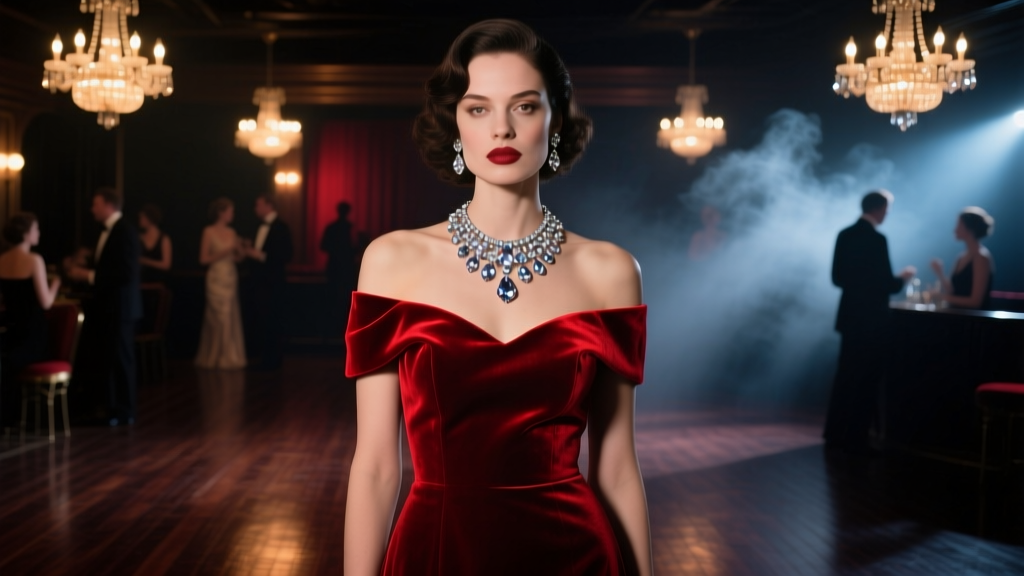
- The Sweetheart Plunge: A structured bodice with a deep sweetheart neckline provides a broad canvas of skin, allowing the collar to frame the face without overlapping fabric edges.
- Off-the-Shoulder / Bardot: Exposing the shoulders and upper chest creates a horizontal line that perfectly complements the horizontal sweep of the collar necklace.
- The Deep V-Neck: While counterintuitive, a sharp, plunging V-neck draws the eye downward, elongating the neck and allowing the floral drop of the Moulin Rouge replica to act as a visual terminus.
What to Avoid:
- Halter Necks: The fabric will physically clash with the back of the collar, causing friction and potentially damaging the rhodium plating.
- High Collars / Turtlenecks: These will push the necklace upward, causing it to sit awkwardly against the jawline and completely obscuring the central motif.
- Competing Statement Earrings: Stick to simple diamond or crystal stud earrings. Chandelier earrings paired with a 138-carat visual equivalent collar will overwhelm the face and dilute the impact of the necklace.
Step 6: Maintenance and Care for Heavy Replicas
Maintaining the brilliance of a large-scale CZ and rhodium-plated piece requires specific care protocols. Never place a replica collar in an ultrasonic cleaner. The high-frequency vibrations will easily shake loose the prongs on mass-market replicas and dissolve the adhesive used in lower-tier pieces.
Instead, clean your necklace using a soft, lint-free microfiber cloth and a mild solution of warm water and a few drops of pH-neutral dish soap. Use a soft-bristled baby toothbrush to gently agitate the dirt from the pavilions (the undersides) of the stones, where skin oils and cosmetics accumulate. Dry thoroughly with a microfiber cloth before storing it flat in a tarnish-resistant flannel pouch. Never hang a heavy collar necklace, as the sustained gravity will stretch the metal links and warp the articulated backing over time.
Final Thoughts on Theatrical Jewelry
Recreating the iconic necklace from Moulin Rouge is an exercise in appreciating the intersection of cinematic history and master jeweler craftsmanship. By prioritizing flexible articulation, AAAA-grade prong-set stones, and substantial rhodium plating, you can capture the essence of Satine’s legendary glamour. Whether you are stepping onto a stage, attending a black-tie gala, or simply indulging in a passion for historical jewelry revival, understanding the technical mechanics of these pieces ensures your investment shines as brilliantly as the original.


