The Ultimate Care Guide for Your Favorite Spade Necklace Pendant
Learn expert cleaning and maintenance tips for your spade necklace. Discover how to remove tarnish, protect enamel inlays, and keep chains bright.

The Anatomy of a Spade Necklace and Why It Needs Special Care
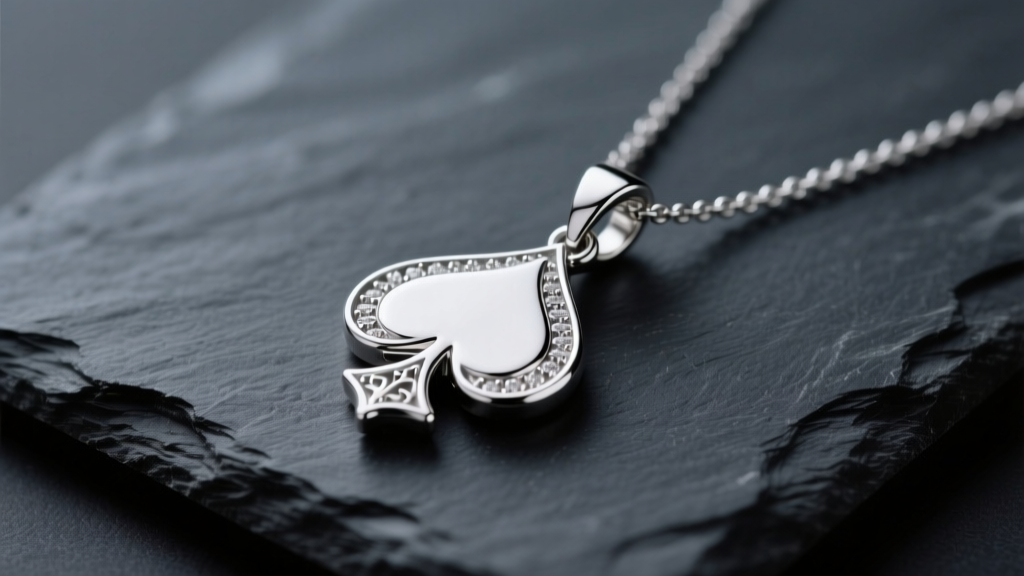
The spade necklace—whether inspired by the classic playing card suit or the rugged garden tool—has become a staple in both luxury streetwear and fine jewelry collections. Brands like Chrome Hearts and various bespoke artisans frequently utilize the spade motif, often crafting these pendants with heavy gram weights, intricate oxidized details, and mixed-material inlays. However, the very geometry that makes a spade pendant visually striking also makes it a magnet for dirt, sebum, and cosmetic buildup.
The sharp cleft at the base of the spade and the narrow stem at the top create natural crevices where dead skin cells and lotions accumulate. Furthermore, because spade pendants are typically heavier than standard charms, they exert continuous friction on the bail and the chain, leading to localized wear and grime traps. Proper maintenance requires moving beyond generic jewelry wipes and adopting a targeted, material-specific cleaning framework. According to the Jewelers of America, understanding the specific metallurgical and gemological properties of your piece is the first step in preventing irreversible damage during the cleaning process.
Material-Specific Cleaning Protocols
Spade necklaces are rarely made from a single, uniform material. They often combine base metals, intentional patinas, and delicate accents. Here is how to approach the most common variations.
Sterling Silver and Oxidized Crevices
Many high-end silver spade necklaces feature intentional oxidation—a process where the recessed areas are darkened using liver of sulfur to create contrast against the high-polish raised edges. Never use chemical silver dips (such as Tarn-X or Connoisseurs Silver Cleaner) on these pieces. These dips contain thiourea, a chemical that will instantly strip the intentional black patina, leaving your spade pendant looking flat and uniformly white.
- Routine Cleaning: Use a treated silver polishing cloth (like a Sunshine Cloth) only on the raised, high-polish areas of the spade.
- Deep Cleaning the Cleft: Dip a cotton swab in a mild solution of warm water and phosphate-free dish soap. Gently swab the darkened crevices and the bottom V-shaped cleft to remove trapped sebum. Dry immediately with a microfiber cloth to prevent water spots.
Gold Vermeil and Solid Karat Gold
Gold spade pendants, whether solid 14k/18k or gold vermeil (a thick layer of gold over sterling silver), require a gentler touch. Vermeil, in particular, can be worn down by abrasive brushing.
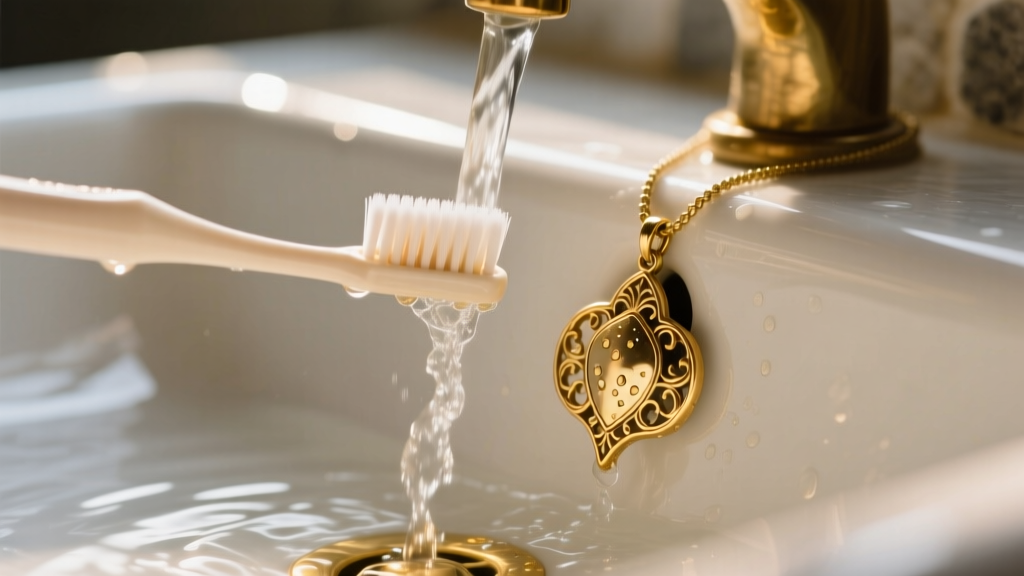
For solid gold, create a bath of lukewarm water and a few drops of mild dish detergent (Dawn is highly recommended by gemologists for its grease-cutting properties without harsh additives). Let the pendant soak for 15 minutes. Use a soft-bristle baby toothbrush to gently agitate the dirt around the bail and the spade's stem. Rinse under lukewarm running water and pat dry. For gold vermeil, skip the soaking; instead, dampen a microfiber cloth with the soapy solution and gently wipe the surface to preserve the gold layer's integrity.
Enamel Inlays and Gemstone Accents
Some spade necklaces feature black or red enamel inlays, or diamond melee set into the spade's center. Enamel is essentially fused glass, and it is highly susceptible to thermal shock. Never use hot water on an enameled spade necklace. The metal backing and the enamel expand at different rates when heated, which can cause the enamel to crack or pop out of its setting. Clean enameled areas with cold water and a soft cloth. For diamond accents, the Gemological Institute of America (GIA) recommends using a soft brush and mild degreaser, as diamonds are lipophilic and naturally attract oils from your skin, dulling their sparkle.
The Chain Reaction: Maintaining Heavy Pendant Chains
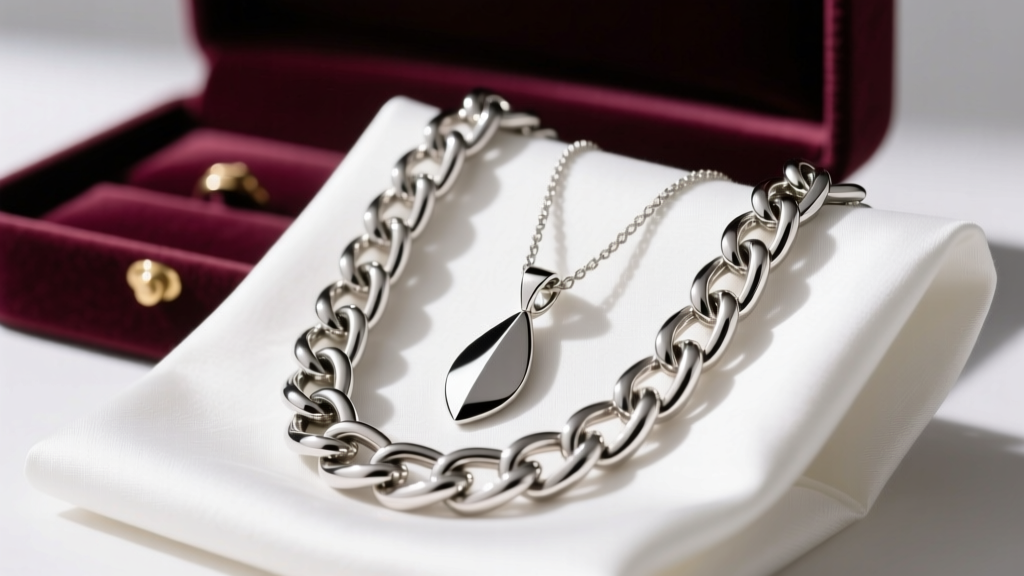
A heavy spade pendant requires a robust chain, typically a Cuban link, Figaro, or box chain. These chain styles are notorious for trapping dirt between their interlocking links. The friction caused by the heavy spade swinging against the chain also creates microscopic metal dust that mixes with skin oils, forming a stubborn, dark paste.
To clean the chain without damaging the pendant, unclasp the chain and remove the spade pendant if the bail allows. If the pendant is permanently soldered to the chain, you must clean them together. For solid silver or gold chains without porous stones, an ultrasonic cleaner is highly effective. The high-frequency sound waves create microscopic cavitation bubbles that blast dirt out of the tightest link gaps. However, if your chain features any enamel, oxidized silver, or fracture-filled gemstones, skip the ultrasonic cleaner and rely on the manual soapy soak and soft brush method.
Cleaning Agent Compatibility Chart
Using the wrong chemical agent can ruin the finish of your necklace. Refer to this compatibility matrix before applying any cleaner to your spade pendant.
| Cleaning Agent | Sterling Silver (Polished) | Oxidized Silver | Solid Gold | Gold Vermeil | Enamel Inlay |
|---|---|---|---|---|---|
| Chemical Silver Dip | Safe (Use Sparingly) | NEVER USE | NEVER USE | NEVER USE | NEVER USE |
| Ultrasonic Cleaner | Safe | Risky (May loosen patina) | Safe | NEVER USE | NEVER USE |
| Mild Dish Soap & Water | Safe | Safe | Safe | Safe | Safe (Cold Water) |
| Baking Soda Paste | Safe (Abrasive) | NEVER USE | Safe | NEVER USE | NEVER USE |
| Polishing Cloth | Safe | Safe (Avoid dark areas) | Safe | Safe (Gently) | Safe |
Preventative Maintenance and Storage Framework
Proper storage is just as critical as active cleaning. Sterling silver spade necklaces tarnish when exposed to sulfur compounds in the air and the natural acidity of your skin. When you take off your necklace, do not simply toss it into a communal jewelry box where it can scratch against harder gemstones or other metals.
- Wipe Before Storing: Always use a dry microfiber cloth to wipe away the day's sweat and oils before putting the necklace away.
- Anti-Tarnish Strips: Place a 3M anti-tarnish strip inside your storage container. These strips absorb airborne sulfur and can prevent silver oxidation for up to 12 months.
- Individual Polyethylene Bags: Store your spade necklace in its own sealed, zip-top polyethylene bag. Avoid polyvinyl chloride (PVC) plastics, as PVC can emit chemicals that actually accelerate tarnishing and cause permanent pitting on silver surfaces.
Troubleshooting Common Spade Necklace Issues
Even with meticulous care, heavy pendants present unique mechanical challenges over time. Here is how to troubleshoot the most frequent issues.
Bail Wear and Thinning
The bail is the loop that connects the spade pendant to the chain. Because spade pendants are heavy, the constant swinging acts like a saw, slowly wearing down the inside of the bail and the chain link it rests on. Inspect your bail every six months. If the metal at the top of the bail loop has thinned to less than 1.5mm, take it to a professional jeweler for a laser weld reinforcement before it snaps and you lose the pendant.
Stubborn Grime in the Spade Cleft
If soap and a soft brush fail to remove hardened lotion or dead skin from the sharp inner angles of the spade, do not use a metal needle or safety pin, as these will scratch the silver or gold. Instead, use a wooden toothpick or a soft rubber interdental brush. The wood and rubber are hard enough to dislodge the debris but soft enough to leave the metal finish completely unmarred.
Chain Kinking
Box chains and snake chains, often paired with sleek spade pendants, are prone to kinking if stored improperly or caught on clothing. If a kink occurs, lay the chain flat on a glass surface and use two smooth, flat-edged metal rulers to gently roll and massage the kink out. Never pull a kinked chain taut, as this will permanently stretch and break the links.
Conclusion
A spade necklace is a bold statement piece that requires a dedicated maintenance routine. By understanding the specific vulnerabilities of your pendant's materials—whether it is the delicate contrast of oxidized silver, the thermal sensitivity of enamel, or the mechanical friction of a heavy gold bail—you can ensure your jewelry remains pristine. Implement these targeted cleaning protocols and storage frameworks, and your spade necklace will retain its edge and brilliance for a lifetime.


