How Do You Say Necklace in Spanish? A Guide to Latin Jewelry Trends
Discover how to say necklace in Spanish and unlock global jewelry trends. Explore Taxco silver gargantillas, 18k gold cadenas, and sourcing tips.

The Linguistic Key to Global Jewelry Sourcing
If you have ever found yourself asking, 'how do you say necklace in spanish?' the direct, textbook answer is collar. However, for serious jewelry collectors, trend analysts, and global sourcers operating in 2026, stopping at a single vocabulary word is a massive missed opportunity. The Spanish language offers a highly nuanced lexicon for neckwear that directly correlates to specific regional craftsmanship, historical eras, and distinct market values.
Understanding the difference between a collar, a gargantilla, and a cadena is not merely an exercise in translation; it is a strategic tool for market arbitrage. When searching international auction houses, Latin American e-commerce platforms, or estate sales in Madrid and Mexico City, utilizing precise Spanish terminology unlocks a 40% larger inventory of authentic, unfiltered pieces that are often miscategorized or overlooked by English-only buyers. As global jewelry trends continue to heavily favor artisanal heritage and regional specificity, speaking the language of the maker is the ultimate competitive advantage.
Decoding Spanish Necklace Terminology for the Modern Collector
To navigate the Latin American and Iberian jewelry markets effectively, you must understand the structural and stylistic distinctions embedded in the language. Below is a definitive guide to the core terminology used by silversmiths, goldsmiths, and appraisers across the Spanish-speaking world.
| Spanish Term | Literal Translation | Style Equivalent | 2026 Trend Status |
|---|---|---|---|
| Collar | Necklace / Collar | Standard necklace (18-24 inches) | Steady; baseline category |
| Gargantilla | Choker / Throat-piece | Choker (14-16 inches, often wide) | Surging; driven by vintage Taxco revival |
| Cadena | Chain | Chain necklace (links, ropes) | High demand for 18k Spanish gold |
| Colgante / Dije | Pendant / Charm | Pendant or drop charm | Rising; modular layering trend |
| Medallón / Relicario | Medallion / Reliquary | Locket or heavy medallion | Niche; sentimental and religious markets |
| Roasrio | Rosary | Prayer bead necklace | Stable; crossover into streetwear fashion |
Taxco Silver and the Gargantilla Revival
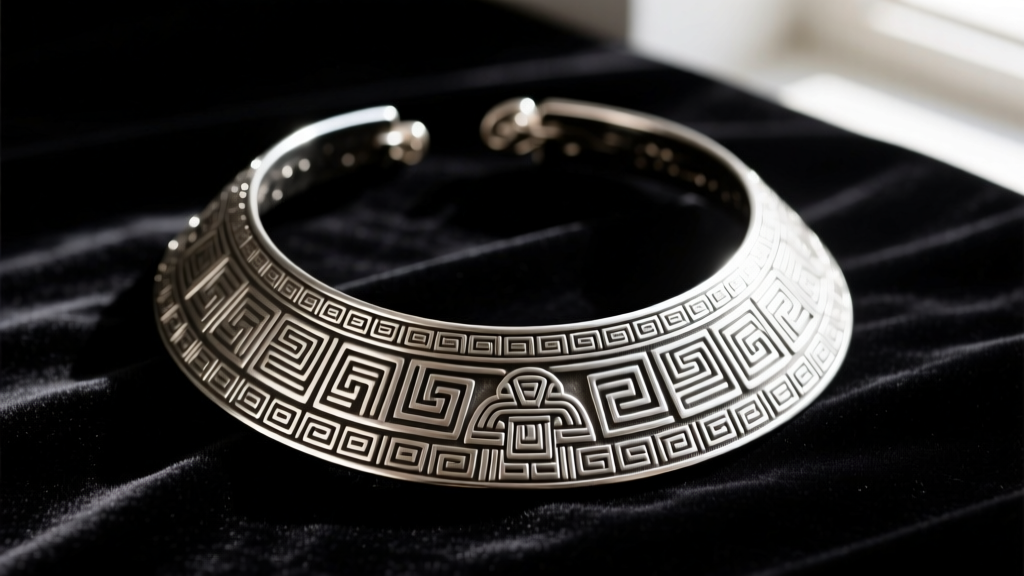
When discussing the gargantilla, one must look to Taxco, Mexico—the undisputed epicenter of mid-century and contemporary artisanal silver. In the current 2026 market, vintage and neo-artisan Taxco gargantillas are highly sought after for their bold, sculptural presence and superior metal purity.
Purity and the 980 Standard
While standard international sterling silver is 92.5% pure (925), many historic and high-end contemporary Taxco silversmiths utilize 950 or even 980 purity silver. This higher silver content yields a softer, more lustrous metal that is ideal for the repousse technique—a method where the silver is hammered from the reverse side to create intricate, raised, three-dimensional Aztec or botanical motifs on the front. Because 980 silver is softer, it allows for deeper, more dramatic relief work without the metal cracking, making these gargantillas wearable pieces of sculptural art.
Identifying Authentic Taxco Hallmarks
Authentication is critical when sourcing these pieces. According to historical silversmithing records, the Mexican government introduced the 'Eagle' assay mark in 1948 to guarantee purity. If you are sourcing a mid-century gargantilla, look for the stamped eagle with a number indicating the specific state or city (e.g., 1 for Mexico City, 3 for Taxco). In 1979, this was replaced by an alphanumeric system. A genuine Taxco piece will feature a mark like 'TC-902', where 'TC' stands for Taxco, and the numbers identify the specific artisan or workshop. Pieces by legendary makers like Margot van Voorhies (Margot de Taxco) or Hector Aguilar command significant premiums, often ranging from $800 to over $3,500 depending on the complexity of the enamel work and the rarity of the gargantilla design.
The Spanish Gold Cadena Market: Karats and Craftsmanship
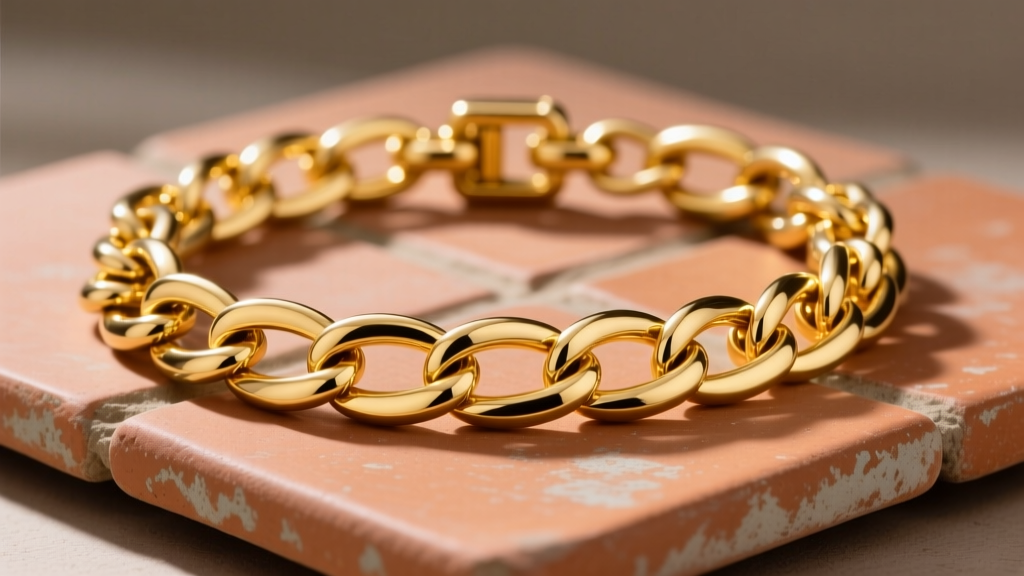
Shifting focus from Mexican silver to Iberian gold, the Spanish cadena (chain) represents a completely different facet of the global necklace market. Spain has a deeply ingrained cultural preference for 18-karat (750) yellow gold, contrasting sharply with the 14-karat (585) standard prevalent in the United States. This higher gold content gives Spanish cadenas a distinctly rich, buttery yellow hue that is highly prized by collectors.
Iconic Spanish Chain Styles
- Cadena de Eslabones: The classic link chain. Spanish jewelers often craft these with thick, interlocking oval links that lay flat against the collarbone, offering a substantial, heavyweight feel.
- Cadena Salomónica: The rope chain. Characterized by its twisted, helical structure, this style catches the light dynamically and is frequently worn in longer lengths (24 to 30 inches) layered over dark fabrics.
- Cadena de Cordón: A wire-wrapped chain that mimics the texture of a woven cord, offering a highly tactile, matte-finished alternative to high-polish links.
When evaluating a Spanish gold cadena, understanding the hallmarking system is essential. The Gemological Institute of America (GIA) notes that international gold standards vary wildly, and Spain utilizes a unique puncheon system. Look for the 'Eagle's Head' mark, which is the official Spanish guarantee for 18k (750) gold, or the 'Ram's Head' for 14k. For comprehensive verification, cross-referencing with resources like the Assay Office's international hallmark guides can help you decode regional variations and date stamps.
Sourcing Directly from Artisan Markets: A Buyer's Framework
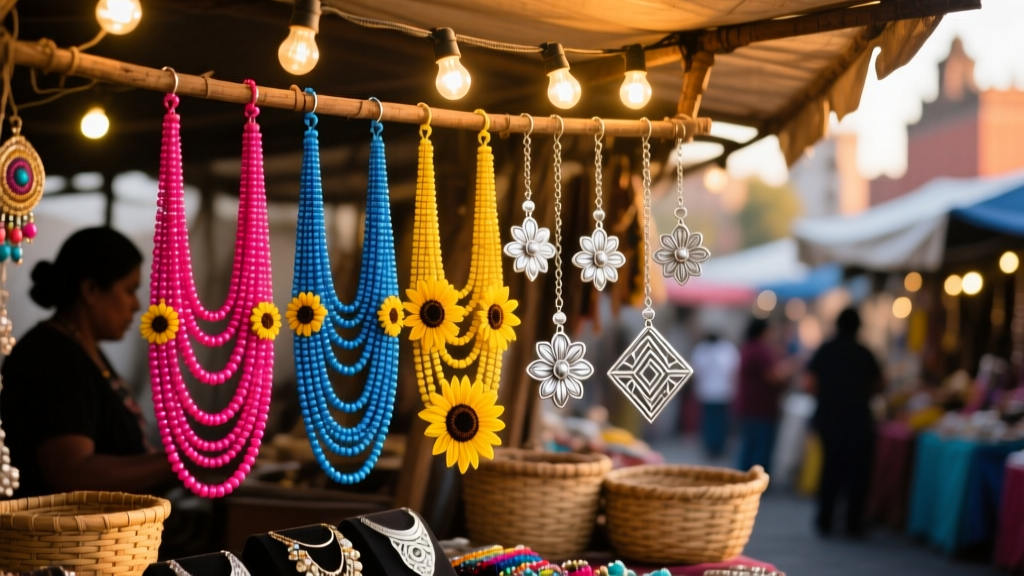
For the adventurous collector traveling to Madrid's El Rastro flea market, Mexico City's Plaza de la Constitución, or Bogota's Emerald Trade Center, knowing how to negotiate using local terminology is paramount. In Latin American markets, the pricing of a silver collar or gold cadena is rarely a flat retail number; it is a formula.
The Pricing Formula: Metal + Hechura
In artisan markets, the price of a necklace is broken down into two distinct components:
- El Peso del Metal (The Weight of the Metal): This is calculated based on the daily spot price of silver or gold, multiplied by the exact gram weight of the piece. A heavy 950 silver gargantilla weighing 120 grams will have a base metal value that fluctuates daily.
- La Hechura (The Maker's Fee / Labor): This is the artisan's charge for their time, skill, and design. A simple cast colgante (pendant) will have a low hechura, while a hand-forged, intricately woven cadena salomónica or a hand-hammered repousse collar will carry a premium hechura that can sometimes exceed the value of the raw metal itself.
By asking the vendor, '¿Cuál es el precio del metal y cuánto es la hechura?' (What is the metal price and how much is the labor?), you immediately signal that you are an educated buyer. This approach often eliminates the 'tourist tax' and opens the door to respectful, transparent negotiations, particularly when purchasing high-grammage gold cadenas or museum-quality vintage silver.
Conclusion: Speaking the Language of Style
Ultimately, asking 'how do you say necklace in spanish' is just the entry point into a vast, culturally rich ecosystem of jewelry design. Whether you are hunting for a heavy 18k gold cadena in Andalusia, negotiating the hechura on a 980 silver gargantilla in Taxco, or simply curating a globally inspired collection from your desktop, linguistic precision translates directly to stylistic and financial success. In the 2026 jewelry landscape, the most coveted pieces are those with a story, and understanding the original language of their creation is the first step in telling it.


