The Spiny Oyster Necklace: 2026 Trend Analysis & Styling Guide
Discover 2026 spiny oyster necklace trends, styling tips for modern necklines, and how to authenticate genuine Spondylus shell jewelry.

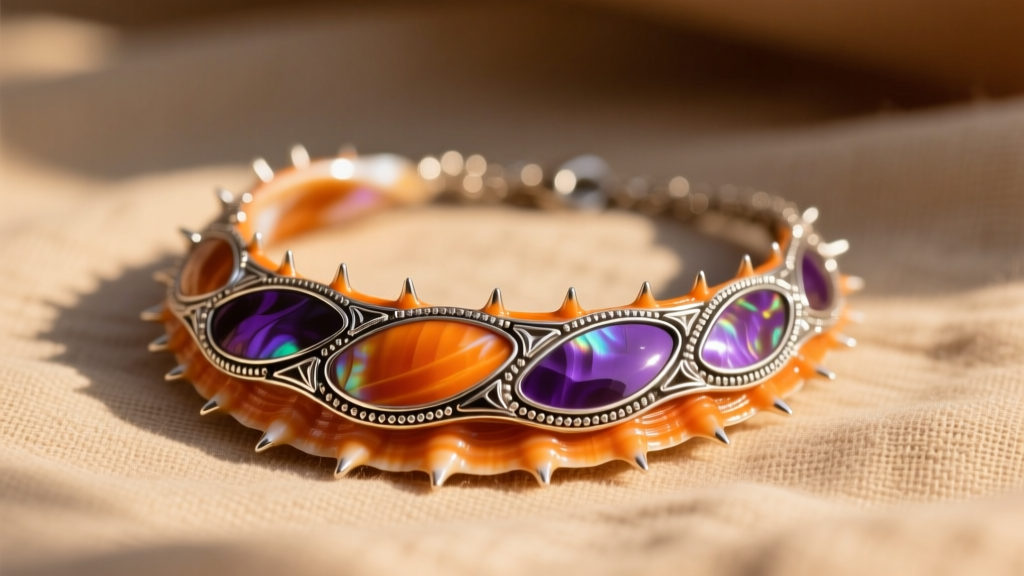
The Resurgence of Spondylus: Why Spiny Oyster is Dominating 2026
Once relegated strictly to traditional Southwestern tourist markets and vintage Native American squash blossom collections, the spiny oyster necklace has undergone a radical metamorphosis. As we navigate the jewelry landscape of 2026, Spondylus shell has emerged as a cornerstone of the 'elevated earthy' aesthetic. Designers are moving away from heavy, oxidized sterling silver settings, opting instead for 14k yellow gold vermeil, mixed-metal inlays, and architectural minimalist bezels that allow the shell's natural vibrancy to command attention.
The appeal lies in the organic rarity of the material. Genuine spiny oyster (*Spondylus regius* and *Spondylus princeps*) is not a stone, but a bivalve mollusk harvested primarily from the Sea of Cortez off the coast of Baja California. Unlike mass-produced dyed gemstones, every Spondylus shell possesses a unique chalky white matrix and natural color banding. In an era where consumers demand traceable, organic, and visually distinct materials, the spiny oyster necklace offers an undeniable authenticity that synthetic alternatives simply cannot replicate.
Geographical Sourcing and Color Grading
To truly understand the value of a spiny oyster necklace, one must understand the marine biology and harvesting depths that dictate its color palette. The color of the shell is directly correlated to the depth at which the mollusk thrives, which in turn dictates the market price and rarity of the resulting jewelry.
- Orange (Shallow Water): Harvested at depths of 30 to 45 feet. This is the most abundant color, offering a bright, fiery tangerine hue. It is highly popular in everyday heishi bead necklaces and entry-level pendants.
- Red (Medium Depth): Found between 60 and 80 feet. The red spiny oyster features deep, blood-orange to crimson tones. It is significantly rarer than orange and is frequently utilized in high-end inlay work by master Navajo and Zuni artisans.
- Purple (Deep Water): Harvested at extreme depths of 100 to 150+ feet. Purple Spondylus is the rarest and most valuable variant, displaying rich plum and violet gradients. Due to the dangers and costs associated with deep-sea diving, purple spiny oyster necklaces command a massive premium in the 2026 market.
Authenticity Matrix: Genuine Shell vs. Dyed Imitations
With the surge in demand for organic jewelry, the market has been flooded with imitations. Unscrupulous vendors frequently pass off dyed howlite, magnesite, or even block turquoise as genuine spiny oyster. According to the Indian Arts and Crafts Association (IACA), verifying the authenticity of organic materials is paramount for collectors and casual buyers alike. Genuine Spondylus has a Mohs hardness of 3.5 to 4.0, making it softer than quartz but harder than a fingernail.
| Diagnostic Feature | Genuine Spondylus Shell | Dyed Imitation (Howlite/Magnesite) |
|---|---|---|
| Visual Matrix | Chalky white, asymmetrical patches and natural porous pitting. | Uniform dye penetration; gray or black webbing (if dyed turquoise). |
| Color Banding | Subtle gradients and natural color zoning within a single bead. | Flat, hyper-saturated, and unnaturally uniform color. |
| Weight & Temperature | Lightweight; warms to the skin almost instantly. | Heavier (if stone); remains cool to the touch for longer. |
| Hardness Test | Scratched by a copper coin (Mohs 3.5); resistant to fingernail. | Varies, but dyed howlite (Mohs 3.5) reacts similarly; visual cues are safer. |
| Price Point (Pendant) | $120 - $800+ depending on artisan and metal weight. | $15 - $45 for mass-produced fashion jewelry. |
Trend Report: Three Dominant Spiny Oyster Necklace Styles
The styling of Spondylus has fractured into three distinct design philosophies this year, catering to different wardrobes and aesthetic preferences.
1. The Contemporary Minimalist Inlay
Stripping away the traditional feather and sunburst motifs, modern jewelers are utilizing flush channel inlays of red and purple spiny oyster set against polished 14k gold. These necklaces feature geometric pendants—think sleek hexagons, thin horizontal bars, and unadorned circles. The focus is entirely on the striking contrast between the warm metallic gold and the deep, organic violet of the shell. This style is the ultimate 'quiet luxury' statement, designed to be worn as a solitary piece over a crisp white button-down or a cashmere turtleneck.
2. Elevated Southwestern Squash Blossom Hybrids
The traditional squash blossom necklace is being reimagined for 2026 with a lighter, more wearable footprint. Artisans are reducing the heavy sterling silver bead weight and incorporating faceted gemstone accents like turquoise and lapis lazuli alongside the spiny oyster. The naja (the central crescent pendant) is being crafted with openwork filigree, allowing the vibrant orange and red shell inlay to catch the light without the piece feeling like armor. These are investment pieces, often retailing between $1,200 and $3,500, serving as the focal point of evening wear or high-fashion boho ensembles.
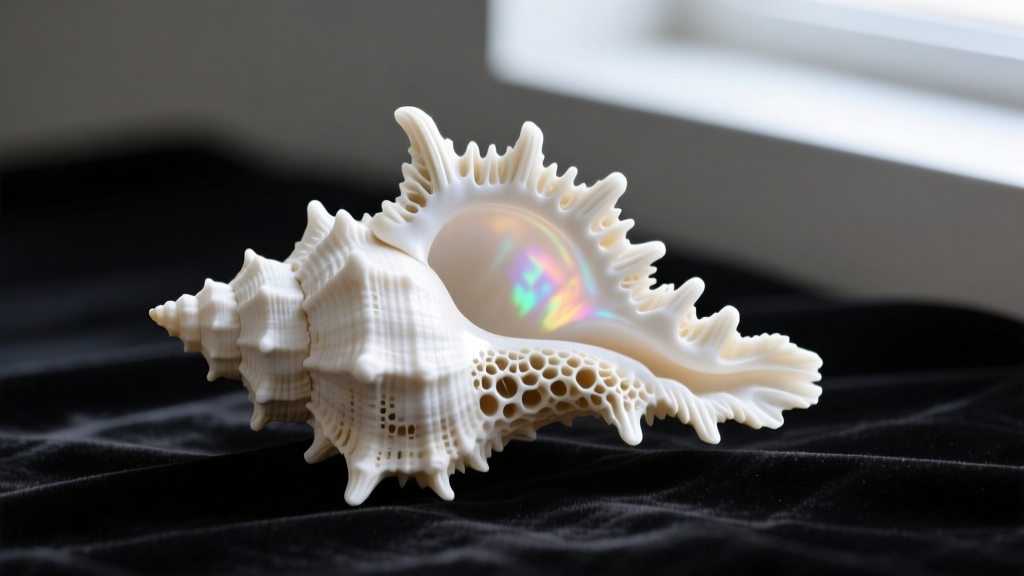
3. Raw Edge & Asymmetric Statement Pieces
For the avant-garde collector, the raw edge spiny oyster necklace is the defining trend of the year. Instead of cutting the shell into uniform cabochons or heishi beads, designers are preserving the natural, jagged perimeter of the shell. These asymmetric pendants are often wrapped in recycled silver wire or set in brutalist, unpolished metal cages. The juxtaposition of the rough, calcified exterior with the brilliantly polished inner orange surface creates a striking, museum-worthy aesthetic that appeals to those who view jewelry as wearable sculpture.
Neckline Pairings & Styling Framework
Because spiny oyster is inherently loud and visually heavy, pairing it with the correct neckline is crucial to avoid a cluttered silhouette. Use this framework to anchor your Spondylus jewelry:
- The Plunging V-Neck: The ideal canvas for a long, 24-to-30-inch spiny oyster heishi or squash blossom necklace. The V-shape of the neckline mirrors the drape of the jewelry, drawing the eye downward and elongating the torso.
- The Crew Neck / Boat Neck: Best suited for shorter, 16-to-18-inch contemporary minimalist pendants or raw-edge statement pieces. The high neckline provides a solid block of color that allows the vibrant orange or purple shell to pop without competing with bare skin.
- The Off-The-Shoulder: A perfect match for multi-strand spiny oyster chokers or collar-length necklaces (14-16 inches). The exposed collarbones provide a delicate, feminine backdrop that contrasts beautifully with the rugged, earthy texture of the shell.
Pro Styling Tip: Never layer a highly detailed spiny oyster squash blossom necklace with other statement pendants. The intricate silverwork and vibrant shell demand isolation. If you must layer, use a single, ultra-thin 14k gold chain (1mm or less) to provide a subtle metallic frame without stealing focus.
Care & Maintenance for Porous Shell Jewelry
As an organic gemstone, Spondylus requires specialized care to maintain its luster and structural integrity. The Gemological Institute of America (GIA) notes that organic gems like pearl, coral, and shell are highly sensitive to chemicals and extreme dehydration. With a Mohs hardness of just 3.5 to 4.0, your spiny oyster necklace is highly susceptible to micro-abrasions.
What to Avoid:
- Ultrasonic Cleaners: Never place Spondylus in an ultrasonic bath. The high-frequency vibrations can fracture the natural chalky matrix and cause the shell to delaminate.
- Harsh Chemicals: Perfumes, hairsprays, and chlorine will degrade the calcium carbonate structure of the shell, leading to a dull, chalky appearance over time. Always apply cosmetics before putting on your necklace.
- Extreme Heat: Prolonged exposure to direct sunlight or high heat (like leaving it on a car dashboard) can dehydrate the shell, causing micro-cracking and color fading.
Proper Cleaning Protocol:
To clean your spiny oyster necklace, use a soft, untreated microfiber cloth lightly dampened with distilled water. Gently wipe the shell and the metal settings, then immediately dry it with a separate soft cloth. For the sterling silver or gold components, use a dedicated jewelry polishing cloth, taking care not to rub the abrasive polishing compounds into the porous surface of the shell itself.
Final Thoughts on the Spondylus Investment
The spiny oyster necklace has successfully transcended its regional roots to become a globally recognized symbol of artisanal craftsmanship and organic luxury. Whether you are investing in a master-crafted purple Spondylus squash blossom or a sleek, modern gold-inlay pendant, understanding the material's origins, authenticity markers, and care requirements ensures your piece will remain a vibrant staple of your wardrobe for decades to come. For further reading on ethical sourcing and indigenous jewelry hallmarks, consult the Mindat mineralogical database and native artisan guilds to verify the provenance of your next acquisition.


