St Christopher Necklace Meaning, History & Modern Styling Trends
Explore the st christopher necklace meaning, from its origins as a traveler's talisman to modern layering trends, material guides, and sizing tips.

The Origins: Unpacking the St Christopher Necklace Meaning
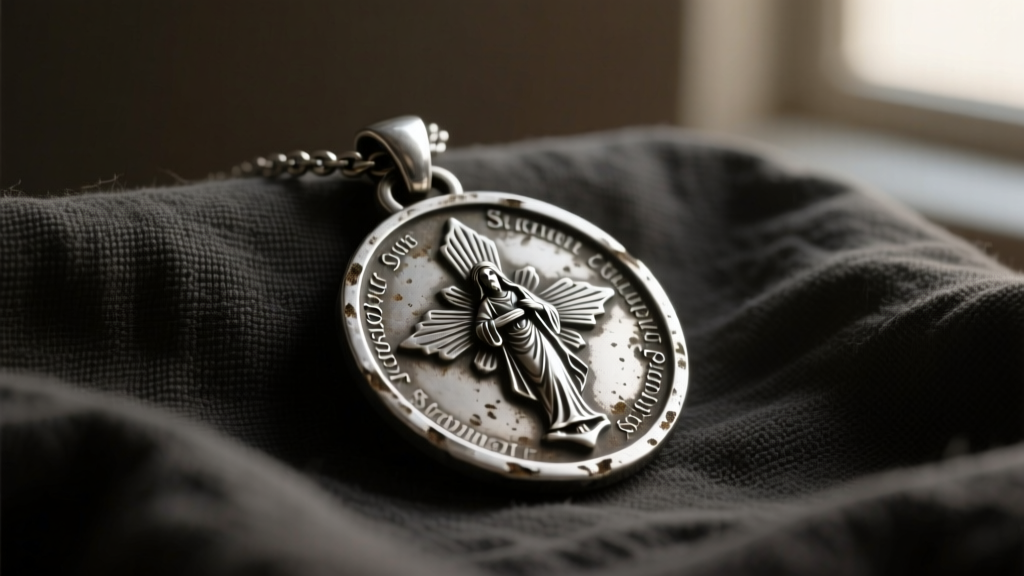
To truly appreciate the aesthetic and cultural weight of this iconic piece of jewelry, we must first explore the st christopher necklace meaning at its historical core. The legend dates back to the 3rd century, centering on a man of immense stature named Reprobus (later Offerus). According to Christian lore, he dedicated his life to carrying travelers across a treacherous, raging river. One day, he carried a small child who grew impossibly heavy, eventually revealing himself as the Christ child bearing the weight of the world. Renamed Christopher (from the Greek Christophoros, meaning 'Christ-bearer'), he became the patron saint of travelers, sailors, surfers, and anyone embarking on a perilous journey.
Historically, the medal was worn strictly as a religious sacramental—a plea for divine protection against sudden death and accidents. As noted by the Victoria and Albert Museum's archives on religious jewelry, amulets and devotional medals have long served as a bridge between spiritual faith and physical adornment, acting as tangible armor for the wearer. However, the modern interpretation has evolved significantly, transforming the St. Christopher pendant from a purely devotional object into a universal symbol of wanderlust, safe passage, and personal resilience.
From Pilgrim to Runway: The Secular Shift in Jewelry Trends
In contemporary fashion, the st christopher necklace meaning has expanded beyond its orthodox Catholic roots. Today, it sits at the intersection of 'talismanic jewelry' and streetwear. Designers and wearers alike are drawn to the romanticism of the 'traveler's protector' motif. Whether you are a digital nomad, a touring musician, or simply someone navigating the metaphorical rough waters of modern life, the pendant serves as a grounding talisman.
This secular shift has sparked a renaissance in how the medal is designed. We are moving away from the mass-produced, high-polish, flat-stamped medals of the late 20th century. The current market favors artisanal, textured, and historically resonant designs that feel as though they have been passed down through generations.
Material & Design Trends: What to Look For
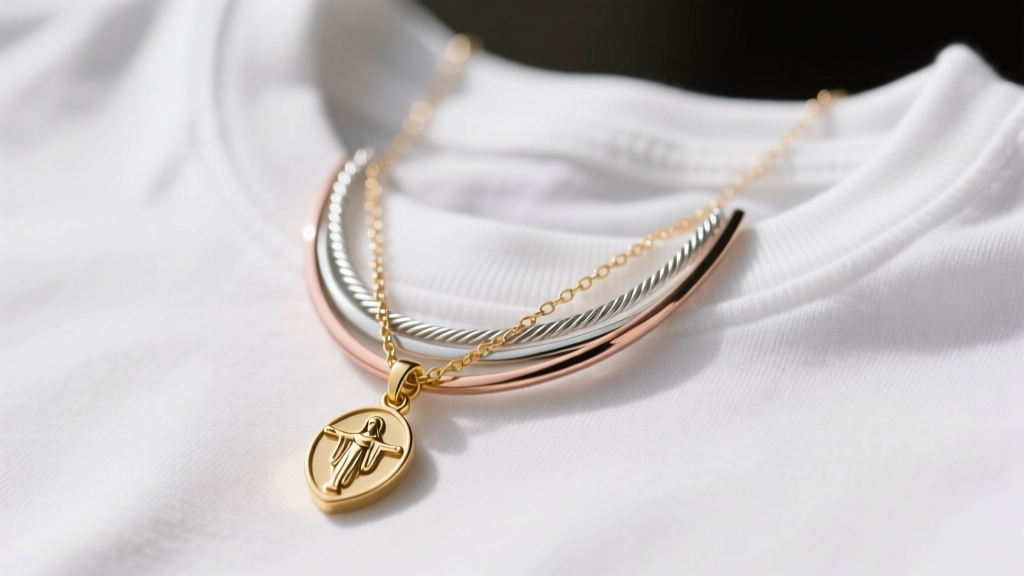
When shopping for a St. Christopher piece, the material dictates not only the price but the stylistic vibe. Here is a breakdown of the dominant materials and finishes defining the current market:
- Oxidized Sterling Silver (925): The undisputed king of the vintage talisman trend. Oxidation (intentional tarnishing) highlights the intricate topography of the saint's cloak and the river waves. It offers a rugged, masculine, or grunge-adjacent aesthetic. Expect to pay between $45 and $120 for high-quality cast pieces.
- Solid 14k and 18k Yellow Gold: For a warmer, more luxurious approach, solid gold provides a striking contrast against the skin. 14k gold is preferred for everyday wear due to its higher tensile strength compared to the softer 18k or 24k variants. Prices for solid gold medals typically start at $250 and can exceed $800 depending on weight and craftsmanship.
- Guilloche and Champlevé Enamel: Artisan jewelers are increasingly incorporating deep blue or forest green enamel into the background of the medal, representing the river. This technique requires immense skill and elevates the piece to wearable art, often retailing between $150 and $400.
Sizing, Proportions, and Chain Pairings
A common styling failure is mismatching the pendant's diameter with the chain's gauge and style. A heavy 25mm coin pendant will snap a delicate 1.0mm cable chain, while a tiny 10mm medal will look lost on a thick Cuban link. Use this structural guide to ensure proportional harmony:
| Pendant Diameter | Ideal Chain Gauge | Recommended Chain Style | Best Styling Use-Case |
|---|---|---|---|
| 10mm - 14mm | 1.0mm - 1.5mm | Cable, Box, or Snake | Subtle, everyday wear; feminine layering |
| 15mm - 20mm | 1.8mm - 2.5mm | Rope, Curb, or Bead | Standard standalone piece; unisex appeal |
| 22mm - 30mm+ | 3.0mm - 5.0mm | Figaro, Cuban, or Paperclip | Statement streetwear; outerwear layering |
According to hallmarking standards outlined by The Goldsmiths' Company Assay Office, always verify the metal purity stamp (e.g., '925' for silver or '585'/'750' for gold) on the bail or the back of the medal to ensure you are paying for genuine materials.
The Art of Layering: Formulas for the Modern Traveler
The St. Christopher pendant is a cornerstone of the modern layered necklace stack. Because it typically features a round or slightly oval silhouette, it pairs beautifully with contrasting shapes. Here are two expert-approved layering formulas:
Formula 1: The 'Subtle Wanderer' (Delicate Stack)
Start with a 14-inch minimalist silver choker or a tiny pearl strand. Add your 14mm St. Christopher pendant on an 18-inch oxidized silver cable chain. Finish with a 20-inch chain featuring a small, horizontal bar pendant or a raw gemstone drop. This creates a cascading effect that draws the eye downward without overwhelming the neckline.
Formula 2: The 'Streetwear Nomad' (Heavy Stack)
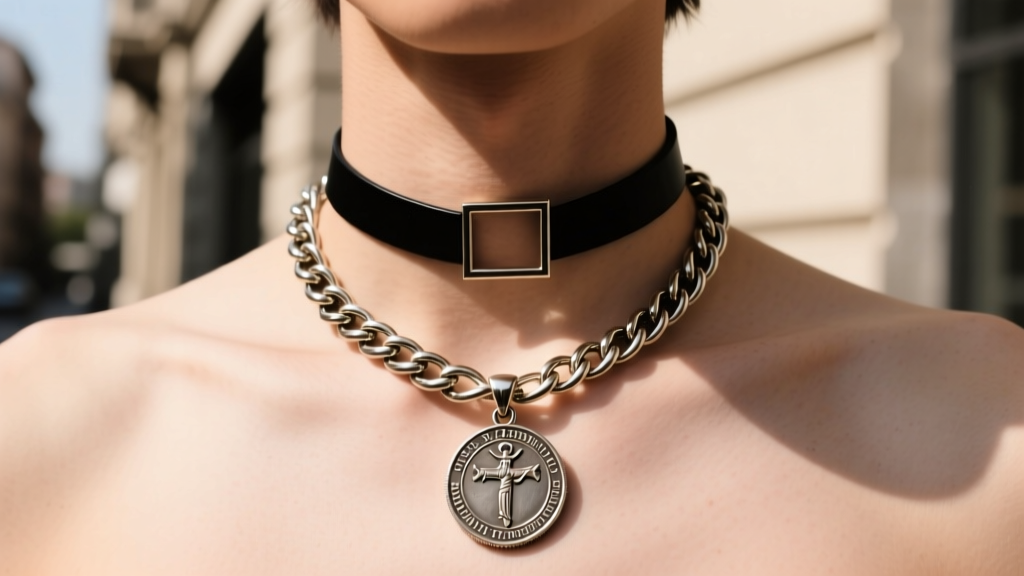
Anchor the stack with a 22mm St. Christopher coin on a 22-inch, 4mm Figaro chain. Layer this over a 20-inch thick Cuban link chain (worn without a pendant to let the coin breathe). Add a 24-inch ball-chain featuring a utilitarian element, like a compass or a signet ring converted into a pendant. This bold, mixed-texture approach is heavily favored in contemporary menswear and avant-garde street style.
Buying Guide: Quality Checks and Failure Modes
Before investing in a high-end St. Christopher necklace, inspect the piece for structural integrity. The most common failure point in pendant necklaces is the bail (the loop that connects the medal to the chain).
Expert Tip: Avoid pendants where the bail is simply a thin, unsoldered wire loop squeezed shut. Over time, the friction from a metal chain will wear through the soft silver or gold, causing you to lose the pendant. Always look for a solid, soldered ring bail or an integrated cast loop.
Additionally, if you are buying a vintage or antique piece, check the edges of the medal. Decades of friction against the body and clothing can wear down the relief details, turning a once-crisp image of the saint and child into a smooth, unrecognizable blob. While some patina is desirable, total loss of detail diminishes both the aesthetic and resale value.
Final Thoughts on Wearing the Traveler's Talisman
Understanding the st christopher necklace meaning adds a profound layer of intention to your daily adornment. Whether you wear it as a nod to your faith, a tribute to your love of travel, or simply an appreciation for masterful metalwork, this enduring pendant remains one of the most versatile and symbolically rich accessories in the jewelry canon. Choose your materials wisely, respect the proportions, and let the patron saint of travelers guide your personal style journey.


