St Monica Necklace Care: Cleaning & Maintenance Guide
Learn how to properly clean, maintain, and protect your St Monica necklace. Expert tips for sterling silver, gold vermeil, and solid gold medals.

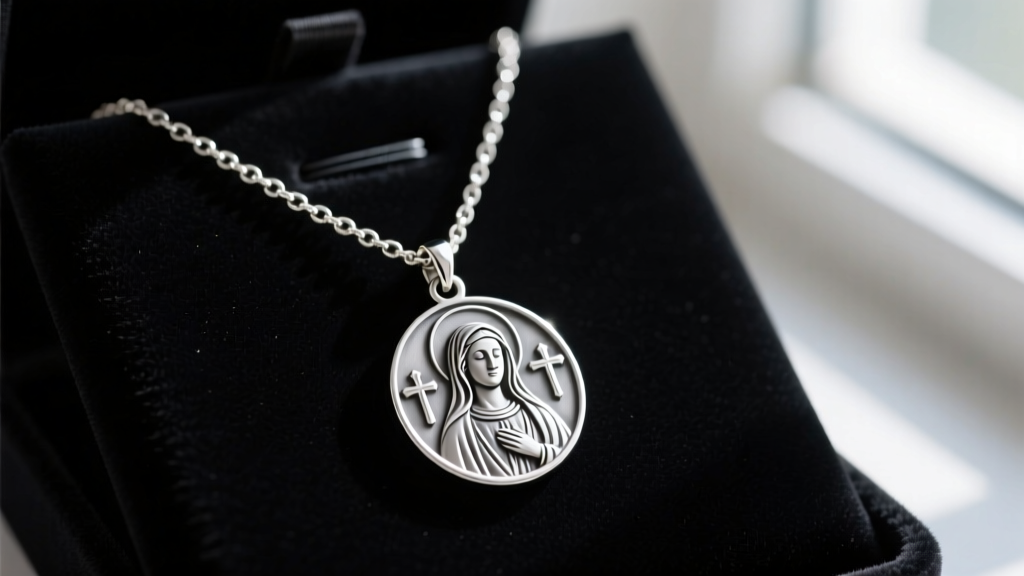
A St Monica necklace is more than just a beautiful piece of jewelry; it is a profound symbol of maternal devotion, patience, and unwavering faith. As the patron saint of mothers, difficult marriages, and the conversion of wayward children, St. Monica is often depicted in intricate medal designs holding a book, clasping her hands in prayer, or with a single tear on her cheek representing her weeping for her son, St. Augustine. Because these medals are frequently gifted for baptisms, Mother’s Day, or confirmations, they are often worn daily and intended to become cherished family heirlooms.
However, daily wear exposes your necklace to skin oils, environmental pollutants, and household chemicals that can degrade the metal and obscure the delicate engravings of the saint. Proper care requires a tailored approach based on your necklace's specific metallurgy. In this comprehensive guide, we break down the exact cleaning protocols, chemical warnings, and storage techniques required to preserve your St. Monica necklace for generations to come.
Identifying Your St Monica Necklace Material
Before applying any cleaning solution, you must accurately identify the metal composition of your necklace. The three most common materials used for religious medals are Sterling Silver (925), Gold Vermeil, and Solid Gold (14k or 18k). Using the wrong cleaning method—such as an abrasive polish on vermeil or a harsh chemical dip on intentionally oxidized silver—can permanently ruin the piece.
| Material | Composition Standard | Primary Vulnerability | Recommended Cleaning Agent |
|---|---|---|---|
| Sterling Silver (925) | 92.5% Silver, 7.5% Copper | Silver sulfide tarnish (blackening) | Mild dish soap or specialized silver cloth |
| Gold Vermeil | Sterling silver base with ≥2.5 microns of gold | Abrasion stripping the gold layer | Lukewarm water and phosphate-free soap |
| Solid 14k/18k Gold | 58.5% / 75% Gold alloyed with copper/zinc | Chlorine exposure causing stress corrosion | Ammonia-based cleaners or ultrasonic (with caution) |
Step-by-Step Cleaning Guide by Material
Sterling Silver: Managing Tarnish Without Ruining Patina
Sterling silver tarnishes when the copper alloy reacts with hydrogen sulfide in the air, creating a layer of silver sulfide. Many commercial "silver dips" rely on thiourea, a harsh chemical that strips tarnish instantly but also removes the intentional oxidation (dark patina) placed in the crevices of the St. Monica medal to make her facial features and robes stand out. According to The Silver Institute, mechanical polishing is always preferred over chemical stripping for detailed religious medals.
The Safe Method: Mix a few drops of phosphate-free dish soap into a bowl of lukewarm water. Submerge the necklace for 5 minutes. Use a soft-bristled baby toothbrush to gently agitate the dirt from the chain links and the medal's crevices. Rinse thoroughly under distilled water to prevent hard water spots, and pat dry with a lint-free microfiber cloth. For surface tarnish, gently buff the raised edges of the medal with a treated silver polishing cloth, strictly avoiding the recessed, darkened areas.
Gold Vermeil: Protecting the Micron Layer
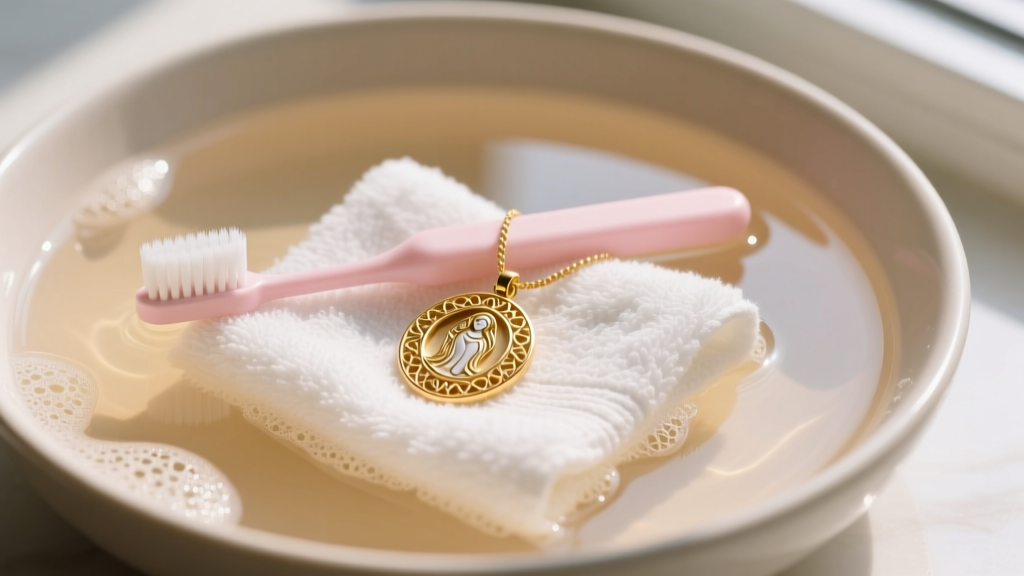
By Jewelers of America standards, true gold vermeil must feature a sterling silver base plated with at least 2.5 microns of gold. This layer is substantially thicker than standard "gold plated" jewelry, but it can still be worn away by abrasive polishing cloths, baking soda pastes, or ultrasonic cleaners. Never use a silver polishing cloth on a gold vermeil St. Monica necklace, as the mild abrasives in the cloth will strip the gold plating, exposing the silver beneath.
The Safe Method: Rely exclusively on the lukewarm soapy water soak mentioned above. Do not scrub the surface of the medal aggressively. Allow the soap to break down the sebum and skin oils, rinse gently, and air dry on a soft towel. If the vermeil begins to look dull or brassy over the years, it requires professional re-plating by a jeweler rather than at-home polishing.
Solid 14k or 18k Gold: Deep Cleaning and Ultrasonic Safety
Solid gold is highly resistant to tarnish and corrosion, making it the most durable choice for a daily-wear religious pendant. However, the alloyed metals (like copper and zinc) can still accumulate a filmy buildup from lotions, hairsprays, and soap scum, dulling the medal's luster.
The Safe Method: Solid gold can withstand a more robust cleaning. You can use a specialized, non-abrasive jewelry cleaning solution or a mild ammonia-based glass cleaner to cut through heavy grease. If your St. Monica medal features no enamel work, glued gemstones, or hollow components, it is generally safe for a brief 3-minute cycle in an ultrasonic cleaner. The high-frequency sound waves will dislodge microscopic debris from the intricate engraving of the saint's hands and garments that a brush cannot reach.
Preserving the Intricate Medal Details
The beauty of a St. Monica pendant lies in its artistry. High-relief and die-struck medals feature deep undercuts and delicate milgrain edges. When cleaning these specific areas, avoid using metal picks, safety pins, or stiff-bristled brushes, which can scratch the precious metal. Instead, utilize a wooden toothpick or a soft horsehair detailing brush to gently lift compacted debris from the deepest grooves of the medal. If your necklace features a black enamel background (niello or epoxy) behind the silver relief, avoid all liquid soaks, as prolonged moisture can cause the enamel to lift or cloud. Spot-clean enamel pieces with a slightly damp cotton swab.
Daily Wear and Prevention Tactics
The most effective maintenance strategy is proactive prevention. Implementing the "Last On, First Off" rule will drastically reduce the frequency of deep cleanings required for your necklace.
- Avoid Chlorine at All Costs: Never wear your St. Monica necklace in a swimming pool or hot tub. Chlorine reacts violently with the copper and zinc alloys in both sterling silver and 14k gold, causing a phenomenon known as stress corrosion cracking, which can cause the chain links or the medal's bail to become brittle and snap.
- The Cosmetic Barrier: Apply perfumes, hairsprays, and lotions at least 10 minutes before putting on your necklace. Alcohol and aerosol propellants can degrade the finish of gold vermeil and accelerate the tarnishing of sterling silver.
- Nightly Removal: Sleep perspiration is highly acidic and varies in pH from person to person. Removing your necklace before bed prevents the acid from eating into the metal and prevents the chain from tangling and stretching under your body weight.
Proper Storage Solutions for Longevity
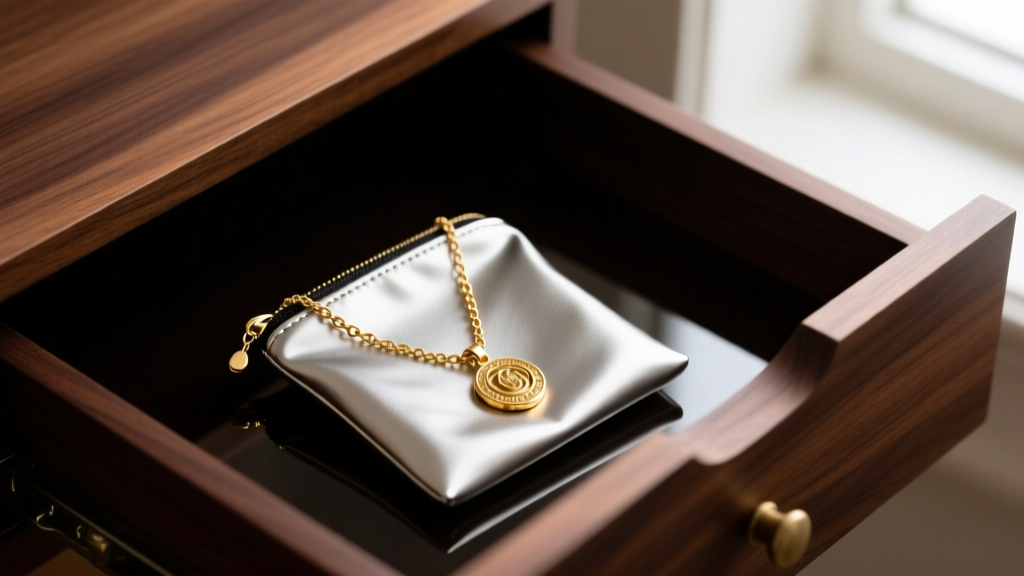
How you store your St. Monica necklace when it is not being worn is just as critical as how you clean it. Sterling silver is highly reactive to humidity and airborne sulfur compounds. Storing your necklace in a humid bathroom or leaving it out on a vanity will guarantee rapid tarnishing.
For optimal preservation, store the necklace in an airtight polyethylene zip-lock bag or a specialized anti-tarnish flannel pouch. Include a 3M anti-tarnish strip inside the bag or jewelry box; these strips absorb sulfur gases and hydrogen sulfide from the enclosed air, actively preventing the silver from reacting. Crucially, never store your silver jewelry in polyvinyl chloride (PVC) plastic bags or cardboard boxes with acidic glues, as PVC off-gases chemicals that cause immediate and severe blackening of sterling silver. By combining meticulous, material-specific cleaning with rigorous environmental storage controls, your St. Monica necklace will retain its spiritual significance and physical brilliance for a lifetime.


