Necklace Stainless Steel: Budget and Value Assessment Guide
Is a stainless steel necklace worth your money? We analyze 316L vs 304 grades, PVD coatings, pricing tiers, and cost-per-wear to find true value.

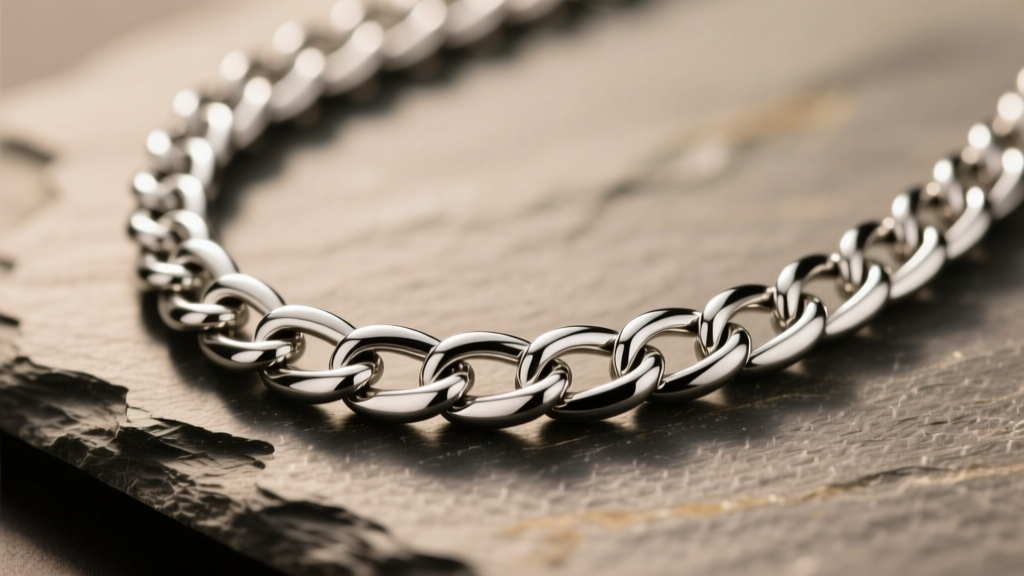
When building a budget-friendly jewelry wardrobe, finding pieces that survive daily wear without turning your skin green or snapping at the clasp is a persistent challenge. If your search query is simply 'necklace stainless steel', you will be bombarded with thousands of dropshipped results, ranging from $8 to $150. But not all steel is created equal, and the gap between a brilliant budget investment and a wasted purchase comes down to metallurgy, coating technology, and mechanical construction.
In this comprehensive value assessment, we strip away the marketing jargon to evaluate the true cost-per-wear of stainless steel necklaces. We will break down the exact alloy grades you need to look for, expose the realities of gold-tone coatings, and provide a data-driven framework to help you decide when steel is the smartest choice—and when it is time to size up to solid gold.
The Metallurgy of Value: 304 vs. 316L vs. 316LVM
The term 'stainless steel' is a broad category encompassing dozens of iron-based alloys. In the jewelry industry, you will primarily encounter three grades. Understanding the difference between them is the single most important factor in determining a necklace's long-term value.
304 Stainless Steel (The Budget Trap)
Often labeled simply as 'surgical steel' by deceptive sellers, 304 stainless steel (18/8 steel) contains 18% chromium and 8% nickel. While perfectly adequate for kitchen sinks and indoor hardware, it lacks the chemical resistance required for prolonged contact with human sweat, lotions, and salt water. Over time, the chloride in sweat can breach the passive chromium oxide layer, leading to micro-pitting and localized rust. If a necklace is priced under $12, it is almost certainly 304 steel.
316L Stainless Steel (The Value Sweet Spot)
This is the undisputed champion of budget jewelry. The 'L' stands for low carbon, and the crucial difference is the addition of 2-3% molybdenum. Molybdenum drastically increases resistance to chlorides and industrial solvents. According to the Halstead Bead metallurgical guidelines, 316L is classified as marine-grade steel. Furthermore, high-quality 316L generally complies with the strict EU Nickel Directive (94/27/EC), meaning its nickel release rate is low enough to prevent contact dermatitis in all but the most severely allergic individuals. For a durable, hypoallergenic baseline, 316L is non-negotiable.
316LVM (The Premium Standard)
Vacuum-melted 316LVM removes almost all microscopic impurities and inclusions. While typically reserved for internal surgical implants and high-end body jewelry, some premium artisan brands use it for heavy chains. It offers superior polish retention and absolute biocompatibility, but it commands a 40-60% price premium over standard 316L.
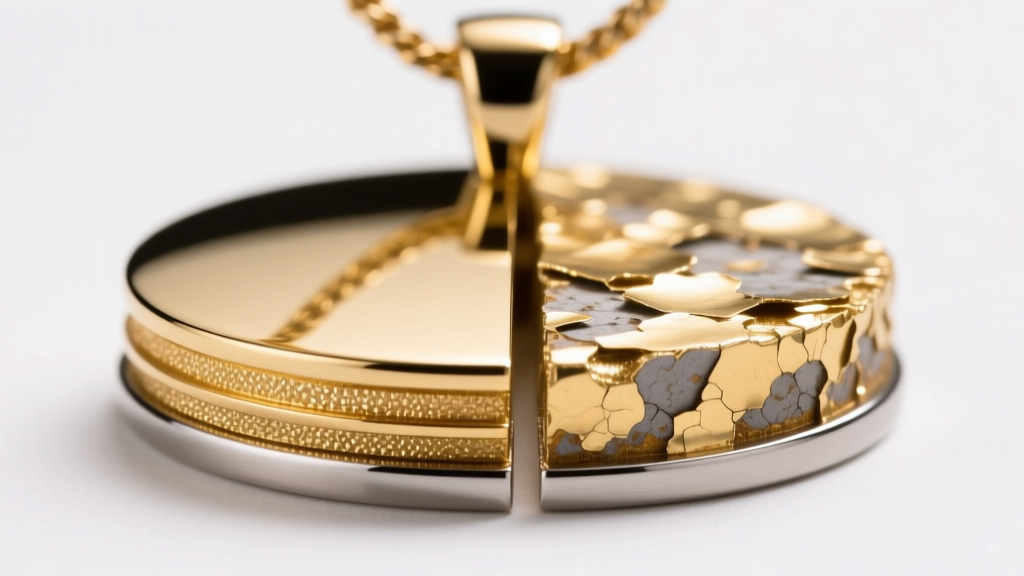
The Coating Conundrum: PVD vs. Electroplating
If you prefer the look of gold but the budget of steel, you must understand how the color is applied. A raw silver-tone 316L necklace will last a lifetime, but gold-tone steel requires advanced surface engineering to prevent premature failure.
Electroplating (Avoid at All Costs)
Traditional electroplating uses an electrical current to deposit a microscopic layer of gold (usually less than 0.05 microns) onto the steel. Because steel and gold have different galvanic potentials, electroplated gold on steel suffers from poor adhesion. Friction from clothing and the acidity of your skin will cause this coating to flake and peel within 3 to 6 months of daily wear.
PVD Coating (The Modern Standard)
Physical Vapor Deposition (PVD) is a vacuum-based process where titanium nitride (TiN) and real gold are vaporized and bonded to the steel at a molecular level. A high-quality PVD coating ranges from 0.3 to 1.5 microns thick. According to material science testing, PVD coatings are up to 10 times more durable than traditional electroplating. A PVD-coated 316L necklace will easily withstand 2 to 5 years of daily wear before showing significant wear at high-friction points (like the clasp and jump rings). When assessing gold-tone steel, PVD is the only acceptable standard.
Market Pricing Tiers: What Are You Actually Paying For?
To accurately assess value, we must map current market pricing to the actual materials and manufacturing processes being used. Here is what you should expect to pay for a standard 20-inch, 3mm curb or cable chain in 2026.
| Price Tier | Material & Coating | Construction Quality | Value Verdict |
|---|---|---|---|
| $8 - $18 | 304 Steel, Electroplated | Unsoldered jump rings, hollow links | Poor. High risk of rust, breaking, and skin discoloration. |
| $25 - $45 | 316L Steel, Raw or PVD | Solid links, laser-welded, soldered jump rings | Excellent. The sweet spot for budget-conscious buyers. |
| $50 - $90 | 316L / 316LVM, Heavy PVD | Custom clasps, precision CNC milled links | Good. Paying for brand design and superior finishing. |
| $100+ | 316LVM, Artisan Pendants | Hand-polished, integrated bail designs | Fair. You are paying for independent artistry, not just metal. |
Cost-Per-Wear Analysis: Steel vs. Vermeil vs. Solid Gold
The ultimate test of a jewelry purchase is the cost-per-wear (CPW). A $15 necklace that tarnishes in a month is vastly more expensive in the long run than a $45 necklace that lasts for years. Let us compare a daily-wear chain across three popular budget-to-mid-tier categories over a 5-year period.
| Material Type | Initial Cost | Expected Lifespan (Daily Wear) | Replacements Needed (5 Yrs) | 5-Year Total Cost |
|---|---|---|---|---|
| Gold Vermeil (Silver base) | $65 | 12 - 18 Months | 3 | $260 |
| 316L Stainless Steel (PVD) | $40 | 3 - 5 Years | 1 | $80 |
| Solid 10k Gold | $180 | Lifetime | 0 | $180 |
As the data illustrates, a high-quality 316L PVD steel necklace offers a massive value advantage over gold vermeil. While solid 10k or 14k gold remains the ultimate heirloom investment, PVD steel bridges the gap flawlessly for those who want the aesthetic of gold without the upfront capital.
Hidden Failure Modes in Budget Chains
Even if a necklace is crafted from perfect 316L steel, poor mechanical engineering will render it useless. When evaluating a piece in person or reading detailed reviews, look out for these specific failure modes:
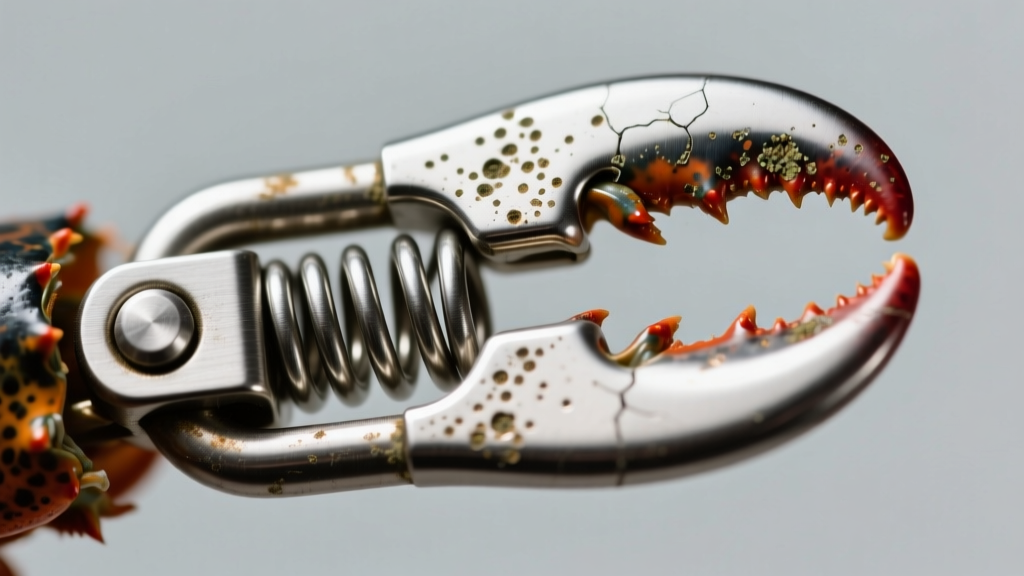
- The Clasp Spring Vulnerability: Stainless steel lacks the elastic memory required for tiny internal springs. Therefore, the micro-spring inside a stainless lobster clasp is almost always made of carbon steel or a specialized alloy. If water gets trapped in the clasp housing, the internal spring will rust and seize, even if the exterior of the clasp is perfectly fine. Solution: Always dry your clasps thoroughly after swimming or showering, or opt for magnetic clasps and fold-over box clasps which do not rely on internal springs.
- Unsoldered Jump Rings: The jump ring connecting the chain to the clasp takes the most lateral stress. If it is merely bent shut rather than soldered or laser-welded, a simple snag on a sweater will pull it open, dropping your chain. The American Academy of Dermatology also notes that gaping, unsoldered rings can pinch the skin and trap irritants, increasing the risk of localized contact dermatitis.
- Cable Chain Stretching: Thin, round-link cable chains (under 2mm) are highly susceptible to permanent deformation. When pulled, the round links stretch into ovals, ruining the drape of the necklace. For tensile strength, always favor curb, Cuban, or box chains, as their flattened, interlocking geometry distributes stress horizontally rather than vertically.
The Final Verdict: When to Buy Steel and When to Upgrade
A 316L stainless steel necklace is an outstanding budget investment, provided you verify the alloy grade and ensure any gold-tone finish is applied via PVD. It is the ideal choice for thick statement chains, chokers, and everyday 'beater' jewelry that you can wear in the ocean, the gym, and the shower without anxiety.
The Golden Rule of Steel: Never buy 304 steel for the skin, never accept electroplating for the color, and never trust an unsoldered jump ring for the security. If a brand meets the 316L and PVD criteria, you are getting exceptional value for your money.
However, steel has its limits. It cannot be resized by a traditional jeweler, it cannot be easily melted down and recast, and it holds no intrinsic scrap value. If you are looking for a delicate, sub-1mm chain, or a piece meant to hold a high-value diamond pendant, the rigidity and weight of steel become liabilities. In those specific scenarios, bypass the budget tier entirely and invest in solid 14k gold. But for 90% of daily styling needs, a well-engineered stainless steel chain delivers unmatched durability per dollar spent.


