Expert Care and Cleaning for a Stand Arrow Necklace
Learn expert cleaning and maintenance tips for your stand arrow necklace. Protect gold vermeil, sterling silver, and pavé from tarnish.

The Anatomy of a Stand Arrow Necklace: Understanding Material Vulnerabilities
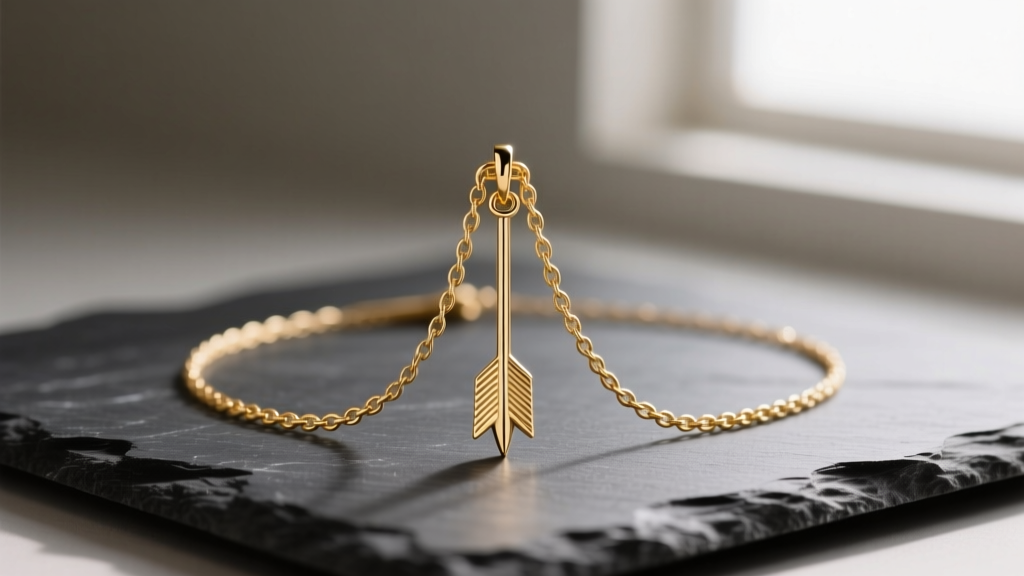
A stand arrow necklace is defined by its striking vertical orientation. Unlike horizontal bar pendants, the stand arrow drops straight down from the bail, creating a dynamic, elongated silhouette that draws the eye. However, this specific structural design introduces unique wear-and-tear challenges. The pointed tip of the arrow acts as a natural snag hazard for knitwear and silk, while the top bail bears the brunt of friction against the chain. Furthermore, the care protocol for this piece depends entirely on its metallurgical composition. Whether your pendant is crafted from 925 sterling silver, 14k gold vermeil, or features intricate pavé diamond accents, applying the wrong cleaning method can permanently damage the finish or loosen the settings.
To maintain the pristine condition of your jewelry, we must move beyond generic polishing wipes and understand the chemical and physical properties of the materials involved. This comprehensive guide provides actionable, expert-level maintenance strategies tailored specifically for the stand arrow necklace.
Daily Wear & Tear: Preventing Tarnish and Snags
Preventative care is always more effective than restorative cleaning. The vertical drop of the stand arrow pendant means it rests directly against the sternum, an area prone to perspiration and exposure to cosmetic products.
- The Cosmetic Rule: Always apply perfumes, lotions, and hairsprays at least five minutes before putting on your necklace. The alcohols and volatile organic compounds (VOCs) in fragrances can rapidly degrade gold plating and accelerate the oxidation of silver.
- The Snag Check: Because the arrow points downward, the tip can easily catch on loose threads. When wearing delicate fabrics like cashmere or chiffon, tuck the pendant inside your neckline or opt for a shorter chain length (14 to 16 inches) that keeps the arrow resting on the skin rather than the fabric.
- Friction Monitoring: Inspect the bail (the loop connecting the pendant to the chain) monthly. If the chain is too thick, it will act like a file against the bail's interior, eventually wearing through the metal or the plating.
Step-by-Step Cleaning Protocols by Material
Sterling Silver & Oxidized Details
Sterling silver is an alloy containing 92.5% pure silver and 7.5% copper. It is the copper that reacts with hydrogen sulfide in the atmosphere to create silver sulfide—the dark tarnish that dulls your necklace. If your stand arrow necklace features intentional oxidized (blackened) recesses to highlight its engraving, you must avoid harsh chemical dips that will strip the dark patina.
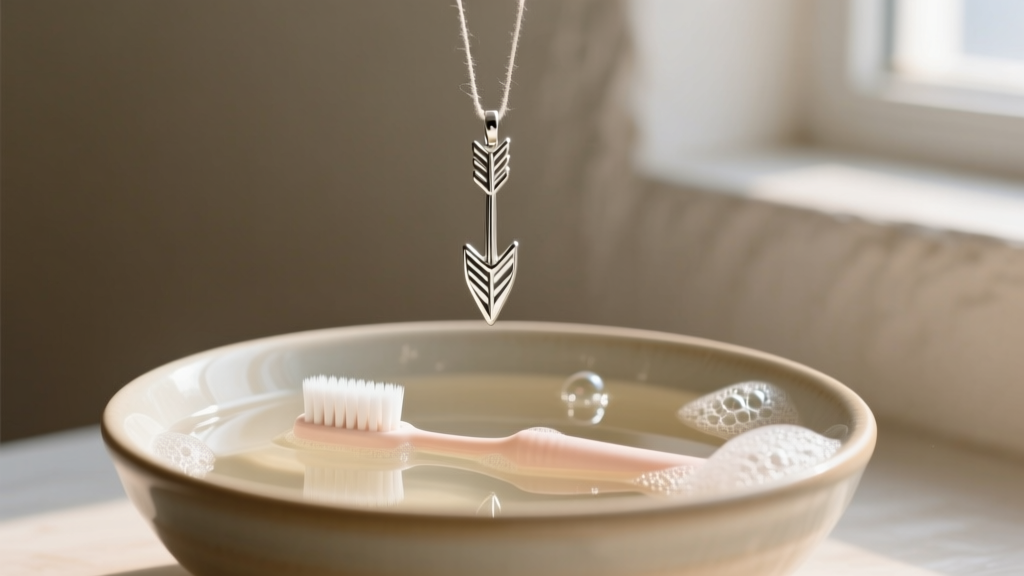
- Mix a few drops of phosphate-free dish soap into a bowl of lukewarm water.
- Submerge the necklace for exactly three minutes to loosen surface oils.
- Use an extra-soft baby toothbrush to gently agitate the crevices around the arrow's fletching and tip.
- Rinse thoroughly under distilled water (tap water contains chlorine and minerals that can cause spotting).
- Pat dry with a lint-free microfiber cloth. Never air-dry, as water spots will form on the polished surfaces.
Gold Vermeil & Plated Finishes
True gold vermeil requires a base of sterling silver plated with at least 2.5 microns of 10k, 14k, or 18k gold. This thick layer is durable, but it is not invincible. Never use commercial silver polishing cloths on vermeil. These cloths are impregnated with micro-abrasives (like jeweler's rouge) that will literally sand away the gold layer, exposing the silver beneath.
For routine cleaning, stick to the mild soapy water method outlined above. If the gold has lost its luster due to hard water buildup, a 50/50 mixture of distilled water and white vinegar applied with a cotton swab can safely dissolve mineral deposits without harming the gold layer. Rinse immediately and dry thoroughly.
Pavé Diamond or Gemstone Accents
Many luxury stand arrow necklaces feature pavé settings along the shaft of the arrow. According to the Gemological Institute of America (GIA), while diamonds are incredibly hard, the microscopic metal beads or prongs holding them are not. Avoid any ultrasonic cleaners operating at standard 40kHz frequencies. The cavitation bubbles created by ultrasonic waves can easily shake these micro-prongs loose, resulting in lost melee diamonds. Clean pavé settings manually using a soft brush and a dedicated, ammonia-free jewelry cleaning solution.
Deep Cleaning: What to Avoid (The Danger Zone)
When a stand arrow necklace becomes heavily tarnished or dull, the temptation to use aggressive cleaning hacks is high. Below is a risk assessment of common deep-cleaning methods.
| Cleaning Method | Sterling Silver | Gold Vermeil | Pavé / Gemstones |
|---|---|---|---|
| Aluminum Foil & Baking Soda Bath | Safe (Avoid if oxidized) | Dangerous (Strips gold) | Dangerous (Loosens glue/prongs) |
| Commercial Silver Dip (Thiourea) | Safe (Rinse immediately) | Dangerous (Causes pitting) | Dangerous (Dulls stones) |
| Ultrasonic Cleaner (40kHz) | Safe | Risky (Can cause peeling) | Dangerous (Shakes stones loose) |
| Toothpaste & Baking Soda Paste | Dangerous (Micro-scratches) | Dangerous (Strips plating) | Dangerous (Scratches metal) |
Proper Storage: Preserving the Pendant's Polish
How you store your stand arrow necklace when it is not being worn is just as critical as how you clean it. The vertical shape of the pendant means it should not be tossed loosely into a jewelry box where it can scratch other pieces or become bent.
Expert Insight: Never store sterling silver or gold vermeil in polyvinyl chloride (PVC) plastic bags. PVC emits trace gases that aggressively accelerate tarnishing and can cause irreversible pitting on plated surfaces.
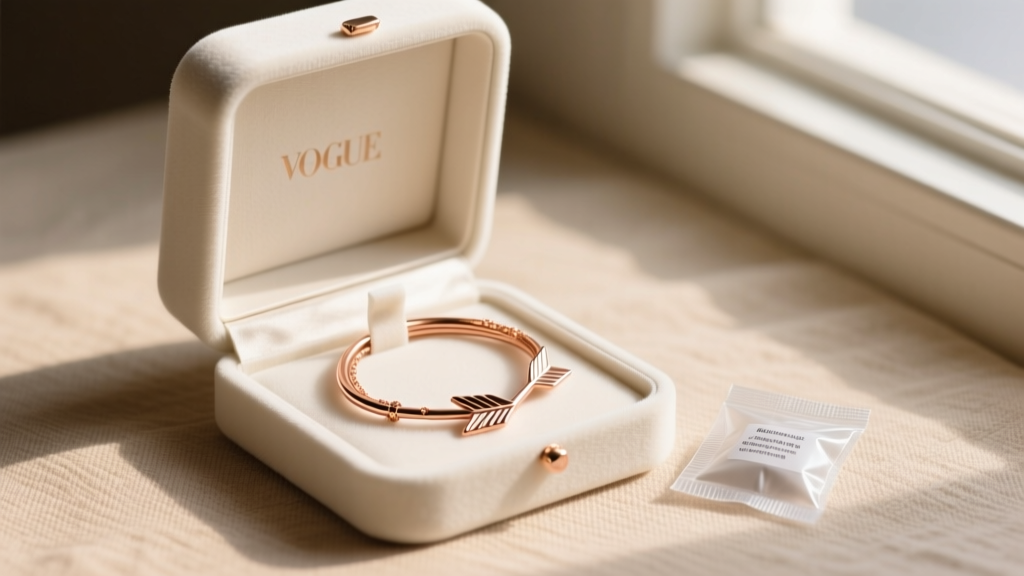
Instead, utilize zip-top bags made of polyethylene. Before sealing the bag, drop in a small silica gel desiccant packet to control ambient humidity, alongside a 3M anti-tarnish strip. These strips contain activated carbon and silver salts that absorb hydrogen sulfide and other corrosive gases from the air inside the bag. Replace the anti-tarnish strips every six months for optimal protection.
When to Seek Professional Jewelry Maintenance
While daily and weekly maintenance can be handled at home, certain issues require the intervention of a professional bench jeweler. If your stand arrow necklace features a gemstone or pavé diamonds, schedule an annual prong-tightening and ultrasonic steam cleaning at a reputable local jeweler. They will use a microscope to inspect the integrity of the settings, ensuring no stones are at risk of falling out.
Additionally, if your gold vermeil necklace has begun to show significant wear on the high-contact areas (such as the edges of the arrow or the bail), it may be time for replating. A professional can safely strip the remaining gold, polish the sterling silver core, and electroplate a fresh, thick layer of 14k or 18k gold, effectively restoring the piece to its original factory condition. For more information on professional jewelry standards and metal compositions, consult resources provided by Jewelers of America.
By understanding the specific material vulnerabilities of your stand arrow necklace and adhering to these precise, chemistry-backed cleaning protocols, you ensure that this striking vertical pendant remains a flawless staple in your jewelry collection for decades to come.


