Star Gold Necklace Value Guide: Pricing & Material Tips
Discover the true value of a star gold necklace. Compare pricing tiers, solid vs. hollow construction, and material grades to buy smart.

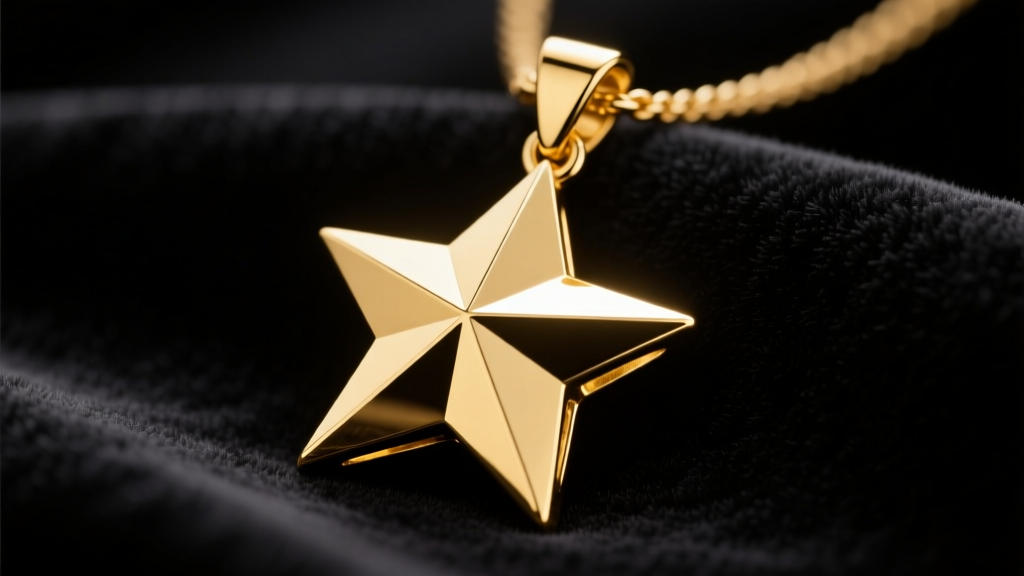
The Real Cost of a Star Gold Necklace: What You Are Actually Paying For
When shopping for a celestial-themed piece, the allure of a star gold necklace often overshadows the practical realities of jewelry pricing. Whether you are eyeing a delicate 5-point star pendant or a chunky, vintage-inspired shooting star motif, understanding the breakdown of retail pricing versus intrinsic melt value is crucial for making a smart investment. In the current market, the price of a gold star necklace is rarely just about the raw metal; it is a complex equation of craftsmanship, structural integrity, and brand premiums.
At its core, the intrinsic value of any gold jewelry piece is tied to the spot price of gold. According to the World Gold Council, gold prices fluctuate daily, but the retail markup on finished jewelry typically ranges from 100% to 400% over the melt value. For example, a solid 14k gold star pendant weighing 3 grams contains roughly 1.75 grams of pure gold. If the spot price of pure gold is $60 per gram, the raw material value is approximately $105. However, retail prices for this exact pendant usually start at $250 and can easily exceed $450. This markup covers the CAD design, casting, polishing, stone-setting, and the retailer's overhead. Understanding this gap is the first step in assessing whether a specific star gold necklace is fairly priced or wildly inflated.
Material Tiers: Vermeil, Gold-Filled, and Solid Karats
Not all gold necklaces are created equal. The terminology used in product descriptions can be intentionally misleading, especially when it comes to budget-friendly options. To accurately assess value, you must decode the material grades. Below is a comprehensive breakdown of the most common gold materials used for star pendants and chains.
| Material Type | Gold Content & Thickness | Expected Lifespan | Avg. Price Range (2-4g Pendant) |
|---|---|---|---|
| Gold Vermeil | 2.5 microns of 10k-18k gold over sterling silver | 1-3 years (with daily wear) | $60 - $120 |
| Gold-Filled | 5% solid gold mechanically bonded to brass | 5-10 years | $80 - $150 |
| 10k Solid Gold | 41.7% pure gold (Stamp: 417) | Lifetime (highly durable) | $180 - $280 |
| 14k Solid Gold | 58.5% pure gold (Stamp: 585) | Lifetime (industry standard) | $250 - $450 |
| 18k Solid Gold | 75.0% pure gold (Stamp: 750) | Lifetime (softer, prone to scratching) | $350 - $650+ |
For a piece meant to be worn daily, 14k solid gold remains the undisputed champion of value. It offers the perfect equilibrium between the rich, warm color of pure gold and the structural durability provided by alloy metals like copper and zinc. As noted by the Gemological Institute of America (GIA), 18k gold, while more valuable by weight, is significantly softer. A delicate 18k gold star necklace with thin, pointed tips is highly susceptible to bending and scratching if caught on clothing, making 14k the superior choice for longevity.
The Hollow vs. Solid Gold Dilemma
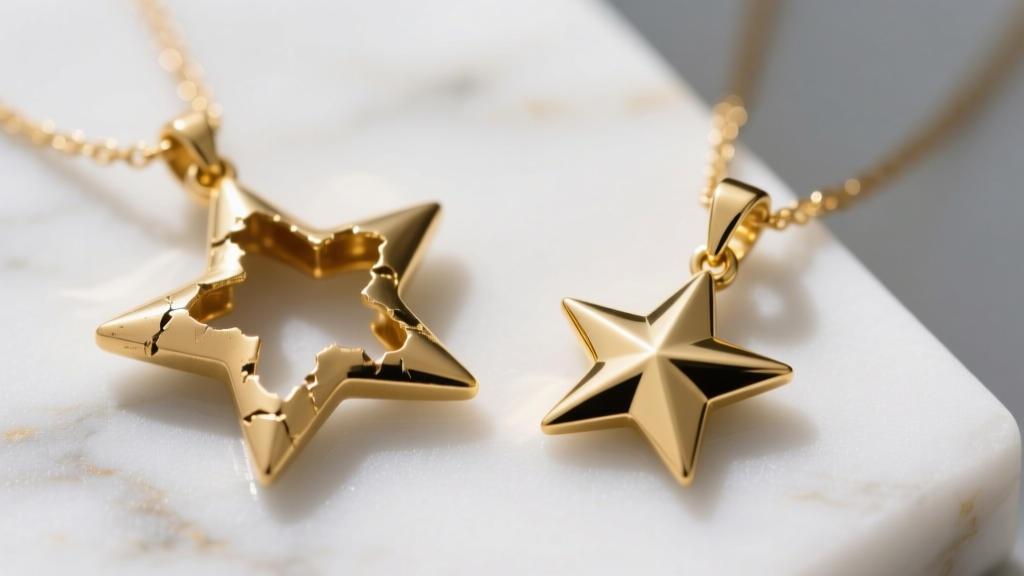
One of the most common traps buyers fall into is purchasing a hollow gold star necklace. Manufacturers use techniques like electroforming or die-striking to create pendants that look massive and impressive but weigh only a fraction of a solid piece. A hollow 4-inch star pendant might weigh just 2 grams, allowing it to be sold at a lower price point while maintaining a high visual impact.
However, from a value assessment perspective, hollow jewelry is a poor investment. Hollow stars are incredibly fragile. Sleeping in a hollow star necklace or accidentally pressing it against a hard surface will cause irreversible dents. Unlike solid gold, which can be buffed, polished, and reshaped by a bench jeweler, a crushed hollow pendant is virtually unrepairable. Always check the gram weight listed in the product specifications; if a large star pendant weighs under 3 grams, it is almost certainly hollow or die-struck sheet metal.
Gemstone Accents: Do Diamonds Increase Resale Value?
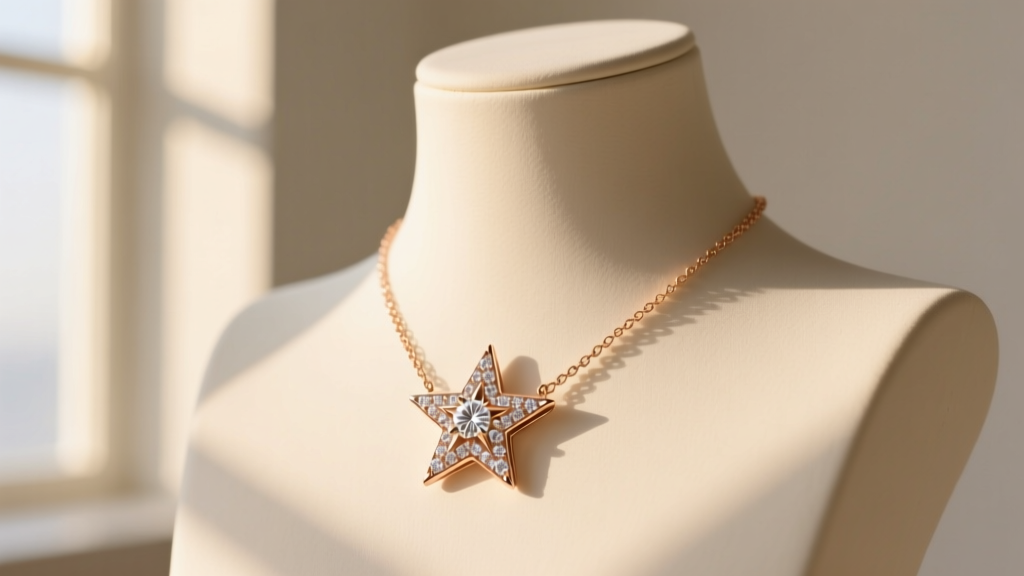
Many star gold necklaces feature gemstone accents, typically small melee diamonds or sapphires set into the points of the star. While these accents undeniably increase the aesthetic appeal and the initial retail price, they rarely translate to a higher resale or melt value.
Melee diamonds (those weighing between 0.01 and 0.15 carats) are abundant and relatively inexpensive in the wholesale market. A star pendant featuring five 0.02-carat lab-grown diamonds might cost an additional $200 at retail due to the labor-intensive setting process. However, if you were to sell this piece to a gold buyer or pawn shop, those tiny stones would likely be discarded during the refining process, and you would only be paid for the gold weight. If you are buying a star gold necklace purely as a financial investment, stick to plain, unadorned solid gold. If you are buying it for personal adornment and love the sparkle, ensure you are not overpaying for the stones. A fair premium for five melee diamonds is between $100 and $250 over the base gold price.
Chain Pairings: The Hidden Cost of Durability
A star pendant is only as secure as the chain it hangs from. The dynamic load of a swinging star shape puts immense stress on the chain's jump ring and clasp. Budget necklaces often pair heavy pendants with flimsy 0.5mm cable chains that are guaranteed to snap within months.
- Cable Chains (0.8mm - 1.0mm): The most affordable option, but the round links can stretch and pull apart under the weight of a solid gold star.
- Box Chains (1.0mm - 1.5mm): The best value for pendants. The square, interlocking links distribute weight evenly and resist snapping, though they cost about 30% more to manufacture than cable chains.
- Rope Chains (1.2mm+): Highly durable and visually striking, but the twisted links can catch on the bail of the star pendant, causing premature wear.
When assessing the total value of a star gold necklace set, ensure the chain is at least 1.0mm thick and features a sturdy lobster clasp rather than a fragile spring-ring clasp.
4-Step Value Assessment Checklist for Buyers
Before finalizing your purchase, run the necklace through this rigorous evaluation framework to ensure you are getting exactly what you are paying for:
- Verify the Hallmark: Look for a laser-stamped hallmark on the back of the star or the chain's end tab. Acceptable stamps for solid gold include 10k, 14k, 18k, 417, 585, or 750. Avoid pieces stamped with 'HGE' (Heavy Gold Electroplate) or 'GF' if you are paying solid gold prices.
- Request the Gram Weight: Reputable jewelers will provide the exact gram weight of the piece. Calculate the melt value using current spot prices to ensure the retail markup does not exceed 300%.
- Inspect the Bail: The bail (the loop connecting the star to the chain) should be soldered shut or feature a secure hinge. An open, unsoldered 'V' bail will eventually bend and drop your pendant.
- Assess the Finish: Run your finger over the points of the star. High-quality castings will have smooth, slightly rounded tips. Sharp, jagged points indicate poor finishing and will catch on knitwear.
Final Verdict: Budgeting for Your Celestial Piece
A star gold necklace is a timeless staple that transcends seasonal trends, making it a worthy addition to any jewelry collection. However, true value lies in transparency. By prioritizing 14k solid gold, demanding a minimum chain thickness of 1.0mm, and avoiding the structural pitfalls of hollow manufacturing, you can secure a piece that will last a lifetime. Remember that while brand names and diamond accents inflate the initial price tag, the enduring value of your necklace will always be rooted in its material integrity and expert craftsmanship.


