How to Clean a Stella and Dot Turquoise Necklace Safely
Learn how to safely clean and maintain your Stella and Dot turquoise necklace. Expert tips on removing tarnish without damaging the stone or plating.

The Anatomy of Your Stella and Dot Turquoise Necklace
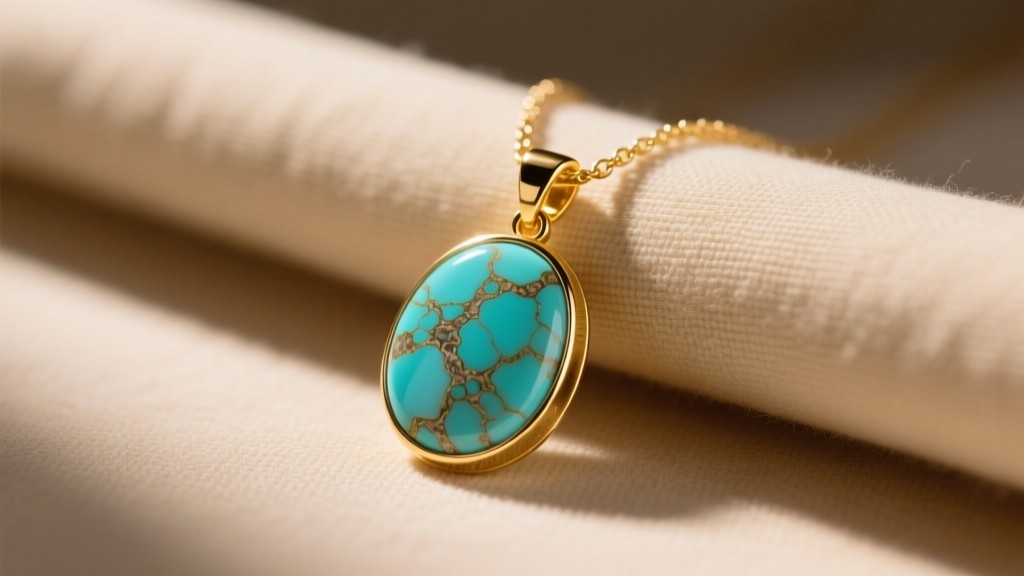
Before applying any cleaning solution to your favorite jewelry, it is critical to understand the specific materials used in its construction. Stella & Dot is renowned for its fashion-forward designs, but their pieces require specialized care due to their unique material composition. Most of their necklaces feature a brass or bronze base metal that is heavily plated with 14k gold, rose gold, or rhodium (for silver-toned pieces).
Furthermore, the "turquoise" used in fashion jewelry is rarely raw, untreated natural stone. According to the Gemological Institute of America (GIA), most commercial turquoise is either stabilized with a clear epoxy resin to enhance its durability, or it is reconstituted turquoise dust mixed with a polymer binder. In some cases, dyed howlite or magnesite is used to mimic the look of turquoise. Because of these treatments, the stone is highly porous and sensitive to harsh chemicals, heat, and ultrasonic vibrations. Using standard jewelry dips or abrasive pastes will strip the gold plating from the brass base and permanently cloud the resin-treated stone.
The Daily Maintenance Routine
Prevention is the most effective form of jewelry care. By establishing a strict daily maintenance routine, you can drastically reduce the need for deep cleaning and extend the lifespan of your necklace's plating.
- The "Last On, First Off" Rule: Always put your necklace on after applying cosmetics, perfumes, hairsprays, and lotions. The alcohols and oils in these products break down rhodium and gold plating over time and can seep into the porous matrix of the turquoise, causing irreversible darkening.
- Wipe Down After Wear: Human sweat contains chlorides and sulfides that accelerate tarnishing. After taking off your necklace, gently wipe the chain and the back of the pendant with a dry, lint-free microfiber cloth to remove skin oils.
- Proper Storage: Never toss your necklace into a communal jewelry box where it can scratch against harder gemstones. Store it in the original anti-tarnish flannel pouch provided by Stella & Dot, or place it in a sealed ziplock bag with a small silica gel packet to control humidity.
Step-by-Step Deep Cleaning Guide
When your necklace loses its luster or accumulates visible grime, it is time for a deep clean. Forget commercial silver polishes; you need a gentle, pH-neutral approach that respects both the metal plating and the stabilized stone.
Tools You Will Need
- Distilled water (tap water contains chlorine and minerals that can spot the metal)
- Mild, phosphate-free dish soap (Original blue Dawn Ultra is highly recommended)
- Ultra-soft baby toothbrush or cotton swabs
- Two clean, dry microfiber cloths
The Cleaning Process
Step 1: Dry Dusting. Use a dry microfiber cloth to gently buff the chain. This removes loose dust and prevents you from rubbing abrasive particles into the gold plating during the wet wash.
Step 2: The Damp Wipe (Chain Only). Mix one drop of dish soap into a cup of lukewarm distilled water. Dip a cotton swab into the solution, squeeze out the excess moisture so it is only slightly damp, and carefully run it along the metal chain and the clasp. Crucial: Avoid touching the turquoise pendant with the wet swab.
Step 3: Cleaning the Stone. To clean the turquoise itself, use a completely dry, soft baby toothbrush to gently sweep out any dust trapped in the stone's natural matrix or the metal bezel setting. If the stone has stubborn lotion buildup, lightly breathe on it to create condensation and immediately buff it with a dry microfiber cloth. Never submerge the stone in water.
Step 4: Drying and Buffing. Ensure the necklace is 100% dry before storing. Use a second dry microfiber cloth to give the metal hardware a final, gentle polish.
What NEVER to Use on Your Necklace
The American Gem Trade Association (AGTA) explicitly warns against using chemical cleaners on porous, treated gemstones. Below is a breakdown of common household cleaning mistakes and the specific damage they cause to your necklace.
| Cleaning Agent | Effect on Gold/Silver Plating | Effect on Turquoise/Resin |
|---|---|---|
| Ultrasonic Cleaners | Can cause micro-fractures in plating | Shatters stabilized stones, melts resin binders |
| Baking Soda Paste | Highly abrasive, strips 14k gold dip | Scratches the polish, leaves white residue in matrix |
| Commercial Silver Dip | Removes tarnish but strips rhodium | Chemical burn, causes permanent color fading |
| Rubbing Alcohol | Safe for solid metals, dries out plating | Dissolves epoxy resin, strips dyed howlite |
| Toothpaste | Contains silica that scratches soft brass/gold | Dulls the surface finish permanently |
Troubleshooting: Green Skin and Tarnish
One of the most common complaints with fashion jewelry is the "green skin" effect. This is not an allergic reaction, nor does it mean the jewelry is toxic. It is a simple chemical reaction. When the gold or rhodium plating on your Stella & Dot necklace wears thin—usually around the clasp or the pendant bail due to friction—the underlying brass or bronze base metal is exposed. Brass contains copper, and when copper reacts with the acids, salts, and oxygen in your sweat, it creates copper chloride, which leaves a harmless green or black mark on your skin.
How to Fix the Green Skin Issue
If your necklace is causing discoloration, you have a few options:
- Clear Nail Polish Barrier: Paint a thin layer of clear, hypoallergenic nail polish on the back of the pendant and the inside of the clasp. This creates a physical barrier between the copper and your skin. Reapply every few months.
- Professional Re-plating: If the gold plating has completely worn off the pendant, a local jeweler can electroplate the piece. Re-plating a standard brass pendant with 14k gold or rhodium typically costs between $35 and $65, depending on the surface area and the thickness of the micron plating requested.
Travel and Long-Term Storage Protocols
Traveling exposes your jewelry to extreme fluctuations in humidity, temperature, and physical stress. The Federal Trade Commission (FTC) guidelines on jewelry care emphasize that environmental control is key to preserving metal finishes.
"Never pack plated jewelry loosely in a suitcase. The friction of travel will act like sandpaper against the soft gold or rhodium finish, accelerating wear and exposing the base metal."
When traveling, utilize a hard-shell jewelry roll or a dedicated compartment in your luggage. Keep the necklace fastened to prevent the chain from tangling; a tangled chain pulled forcefully can snap the delicate brass links or rip the bail right off the turquoise pendant. For long-term storage (over six months), place the necklace in an airtight container with an anti-tarnish tab (such as 3M Anti-Tarnish strips), which actively absorbs sulfur compounds from the air that cause rhodium and silver to blacken.
Final Thoughts on Preserving Your Piece
Your Stella and Dot turquoise necklace is a statement piece that requires a mindful approach to maintenance. By understanding the delicate nature of stabilized turquoise and the vulnerabilities of plated brass, you can avoid the catastrophic damage caused by traditional jewelry cleaners. Stick to dry dusting, gentle damp wiping of the metal hardware only, and rigorous humidity control during storage. With these expert protocols, your necklace will retain its vibrant matrix details and brilliant metallic luster for years to come.


