Stella and Dot Wanderer Necklace Care and Cleaning Guide
Learn how to safely clean and maintain your Stella and Dot Wanderer necklace. Expert tips on protecting plating, enamel, and cubic zirconia stones.

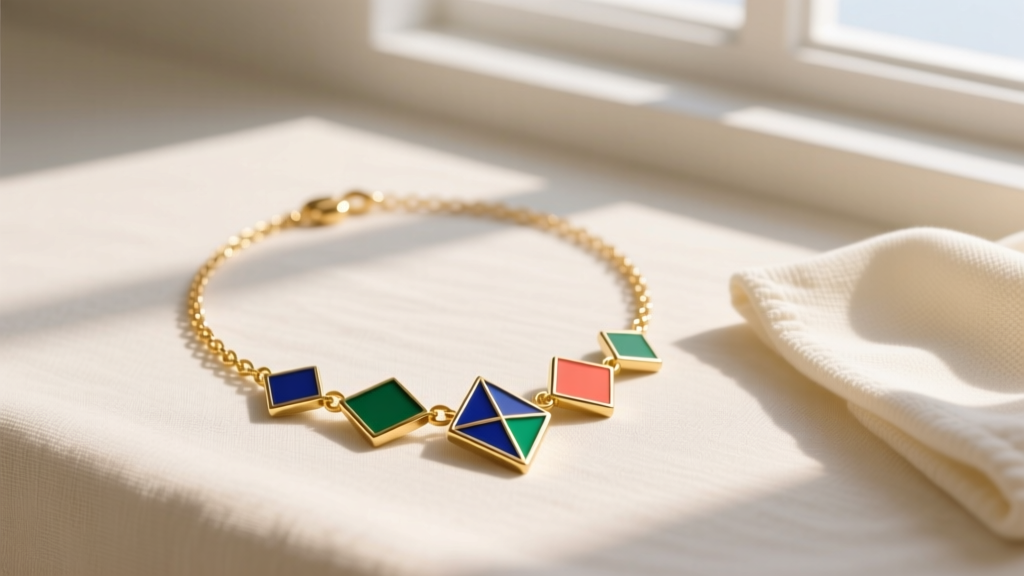
Understanding the Anatomy of Your Wanderer Necklace
To properly care for the Stella and Dot Wanderer necklace, you must first understand its metallurgical composition. Unlike fine jewelry crafted from solid 14k or 18k gold, high-end fashion jewelry relies on a complex layering of base metals, electroplating, and decorative accents. The Wanderer collection typically features a brass or zinc alloy base metal, chosen for its durability and weight, which is then electroplated with a micro-layer of gold-tone or silver-tone finish. This plating is usually between 0.5 and 1.5 microns thick. While this provides a brilliant, luxurious shine, it also means the surface is highly susceptible to micro-abrasions and chemical degradation if cleaned with the wrong agents.
Base Metals and Plating Vulnerabilities
Brass is an alloy of copper and zinc. When the protective gold or rhodium plating wears thin or develops micro-fractures from daily friction, the underlying copper is exposed to oxygen and sulfur in the environment. This exposure triggers a chemical reaction that forms copper sulfide, which manifests as dark, stubborn tarnish. Because the plating on the Stella and Dot Wanderer necklace is relatively thin compared to fine jewelry vermeil, aggressive polishing will strip the finish entirely, leaving you with a dull, brassy base.
Enamel and Stone Settings
The Wanderer necklace often incorporates vibrant enamel accents and cubic zirconia (CZ) pavé details. It is crucial to note that fashion jewelry typically uses cold enamel (an epoxy-based resin) rather than vitreous enamel (fired glass). Cold enamel is highly sensitive to alcohol-based solvents and prolonged water exposure, which can cause the resin to cloud, lift, or separate from the metal backing. Furthermore, while fine jewelry relies on tension and prongs to hold stones, fashion jewelry often secures CZ stones with a combination of light prong work and jewelry-grade epoxy adhesives.
The Chemistry of Tarnish and Environmental Factors
Tarnish is not a sign of poor quality; it is a natural chemical reaction. Human sweat has a pH that typically ranges from 4.5 to 7.0 and contains lactic acid, urea, and salts. When you wear your necklace during a workout or on a humid day, these compounds accelerate the breakdown of the electroplated layer. Similarly, sulfur compounds present in the air, as well as in everyday items like rubber bands, wool, and certain paints, will aggressively attack the copper in the brass base. Understanding this chemistry is the first step in shifting from reactive cleaning to proactive preservation.
Daily Wear Protocols to Prevent Degradation
The most effective way to maintain the Wanderer necklace is to minimize its exposure to corrosive elements. Adopt the "Last On, First Off" rule for your daily routine:
- Cosmetics and Fragrances: The alcohol and volatile organic compounds (VOCs) in perfumes, hairsprays, and lotions act as mild solvents. They can dull the CZ stones and degrade the cold enamel over time. Always apply these products at least 10 minutes before putting on your necklace.
- Water Exposure: Never wear your necklace in the shower, pool, or ocean. Chlorine in tap water and pools is highly reactive and will rapidly pit the gold-tone plating. Saltwater causes galvanic corrosion, which can literally eat through the brass base.
- Friction: Avoid wearing the necklace under heavy, rough fabrics like wool or sequined garments, which act like fine sandpaper against the delicate plated surface.
Step-by-Step Safe Cleaning Routine
When your Stella and Dot Wanderer necklace accumulates body oils, dust, or light tarnish, follow this gentle, non-abrasive cleaning protocol recommended by jewelry conservation experts. According to the Gemological Institute of America (GIA), warm soapy water is the safest method for cleaning cubic zirconia and plated jewelry without damaging the structural integrity of the piece.
- Prepare the Solution: Mix three drops of mild, phosphate-free dish soap (like Dawn) into a bowl of lukewarm distilled water. Avoid tap water, as the dissolved minerals can leave microscopic water spots on the plating.
- Dampen, Do Not Soak: Never submerge the necklace. Prolonged soaking can seep into the stone settings and dissolve the epoxy adhesive holding the CZ stones in place. Instead, dip a lint-free microfiber cloth into the solution and wring it out until it is barely damp.
- Wipe the Chain and Pendants: Gently glide the damp cloth over the chain and the flat surfaces of the pendants. Do not pull or tug on the delicate chain links.
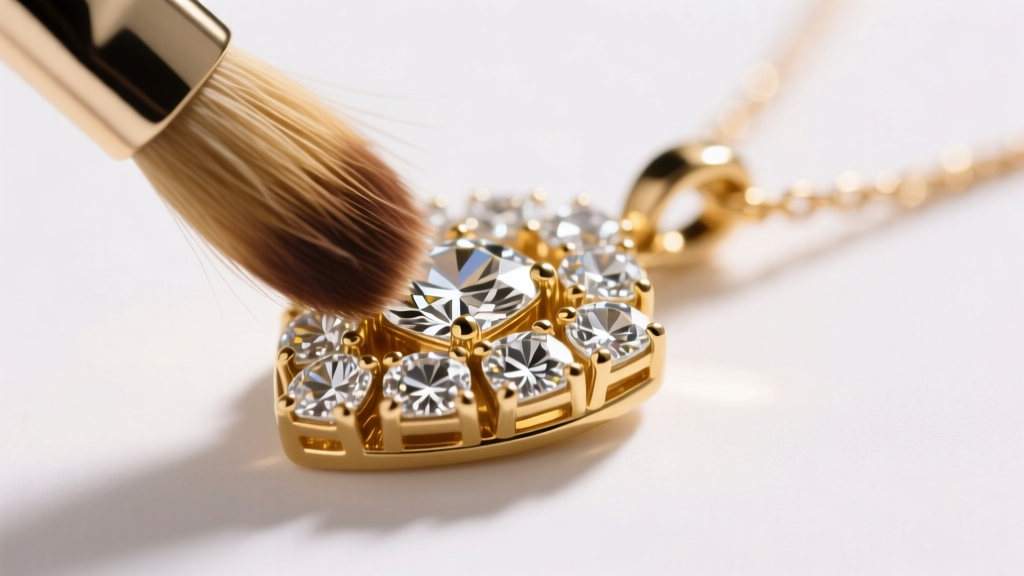
- Detail the Pavé and Enamel: For the intricate CZ pavé or textured areas, use an extra-soft baby toothbrush. Dip the brush in the solution, tap off the excess moisture, and lightly sweep over the stones in a circular motion to dislodge trapped sebum and dust.
- Rinse and Dry Immediately: Dampen a fresh cloth with plain distilled water and wipe away any soap residue. Immediately pat the necklace completely dry with a clean, dry microfiber towel. Air-drying will result in mineral deposits and water spots.
Dangerous Cleaning Methods: What to Avoid
Many popular DIY jewelry cleaning hacks found online will permanently destroy fashion jewelry. The Jewelers of America organization consistently warns against using harsh household chemicals on plated metals. Below is a breakdown of common cleaning agents and their specific failure modes when applied to the Wanderer necklace.
| Cleaning Agent | Effect on Plated Brass | Effect on Enamel and CZ Stones |
|---|---|---|
| Ultrasonic Cleaners | Safe for solid metals, but can cause micro-fractures in thin plating. | Cavitation shockwaves will shatter CZ stones and dissolve epoxy adhesives. |
| Baking Soda Paste | Highly abrasive; will strip the 0.5-micron gold plating down to the brass. | Scratches the surface of CZ stones, causing permanent cloudiness. |
| Silver Dip / Tarnish Removers | Contains thiourea, which instantly strips gold-tone and rose-gold-tone finishes. | Chemically burns cold enamel, turning it white and brittle. |
| Toothpaste | Contains silica abrasives that create micro-scratches, dulling the mirror finish. | Gets trapped in prong settings and is nearly impossible to rinse out completely. |
| Rubbing Alcohol | Generally safe for bare metal, but dries out the protective clear coat. | Acts as a solvent to cold enamel, causing it to lift, crack, or cloud. |
Proper Storage Techniques to Prevent Tarnish and Tangles
How you store your Stella and Dot Wanderer necklace when it is not being worn is just as critical as how you clean it. The primary enemies of stored fashion jewelry are ambient humidity, airborne sulfur, and physical tangling.
Always store the necklace in an individual, airtight environment. The original flannel pouch provided by Stella & Dot is an excellent starting point, as flannel is often treated with a mild anti-tarnish agent. For maximum protection, place the necklace inside a ziplock bag made of polyethylene (avoid PVC plastics, which emit gases that accelerate tarnishing). Before sealing the bag, drop in a small silica gel desiccant packet to absorb ambient moisture, and a 3M anti-tarnish strip to absorb airborne sulfur compounds. Replace these strips every three to six months for optimal efficacy.
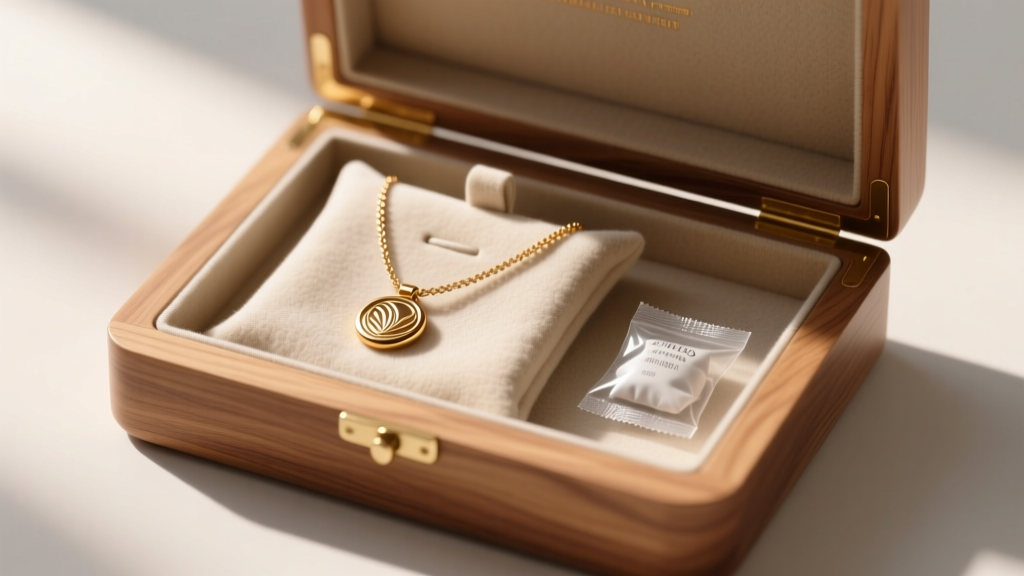
To prevent the delicate chain from tangling or knotting—which often leads to broken links when users try to force them apart—always fasten the lobster clasp before storing. If the necklace features multiple layered strands, lay them completely flat in a lined jewelry drawer rather than hanging them, as gravity can stretch the chain links over time.
Troubleshooting: Fixing Tarnish and Loose Stones
Despite your best efforts, fashion jewelry will eventually show signs of wear. If you notice a loose cubic zirconia stone, do not attempt to bend the metal prongs back into place. Repeatedly bending brass or zinc alloys will cause work hardening, leading the metal to snap entirely. Instead, use a toothpick to apply a microscopic drop of E6000 jewelry adhesive to the base of the stone, press it gently into the setting, and let it cure undisturbed for 24 hours.
Expert Insight: If your Wanderer necklace has developed deep, dark tarnish spots where the plating has worn away to the brass base, no amount of gentle polishing will restore the gold color. At this stage, the only viable solution is to take the piece to a professional jeweler who offers electroplating services to have it re-dipped in gold or rhodium. However, given the cost of replating versus the original retail price of fashion jewelry, many collectors choose to retire heavily worn pieces and replace them.
By understanding the specific material constraints of the Stella and Dot Wanderer necklace and adhering to these meticulous care protocols, you can significantly extend the lifespan of the plating, preserve the vibrancy of the enamel, and ensure the piece remains a staple in your jewelry rotation for years to come.


