Sterling Silver Cat Necklace: 2026 Value & Price Guide
Discover the true value of a sterling silver cat necklace in 2026. We break down pricing tiers, silver grades, and how to avoid overpriced feline jewelry.

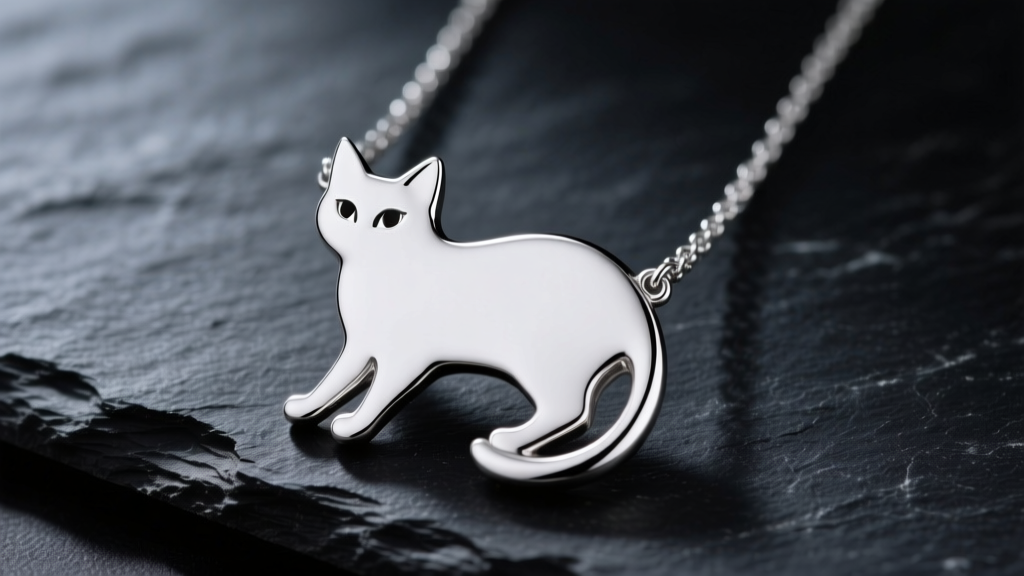
The True Cost of Feline Jewelry in 2026
The market for pet-themed jewelry has seen a massive resurgence, with the sterling silver cat necklace emerging as a timeless staple for animal lovers and minimalists alike. However, as silver spot prices fluctuate and manufacturing techniques evolve, the retail landscape in 2026 is more confusing than ever. A quick search yields results ranging from $12 to over $250 for what appears to be the exact same feline silhouette. For the savvy buyer, understanding the boundary between a genuine heirloom piece and an overpriced, mass-produced trinket is essential.
In this comprehensive value assessment, we dissect the metallurgy, manufacturing methods, and hidden hardware costs that dictate the true price of a sterling silver cat necklace. Whether you are shopping for a delicate everyday pendant or a bold, gemstone-accented statement piece, this guide will ensure your budget aligns with actual material and artisanal value.
Decoding the Alloy: 925 Sterling vs. Fine Silver vs. Plated
Before assessing the price, you must verify the material. According to The Silver Institute, pure silver (999 fine silver) is too soft for intricate jewelry. If a pendant features delicate filigree whiskers or a thin, arched feline back, pure silver will bend and warp within weeks of daily wear.
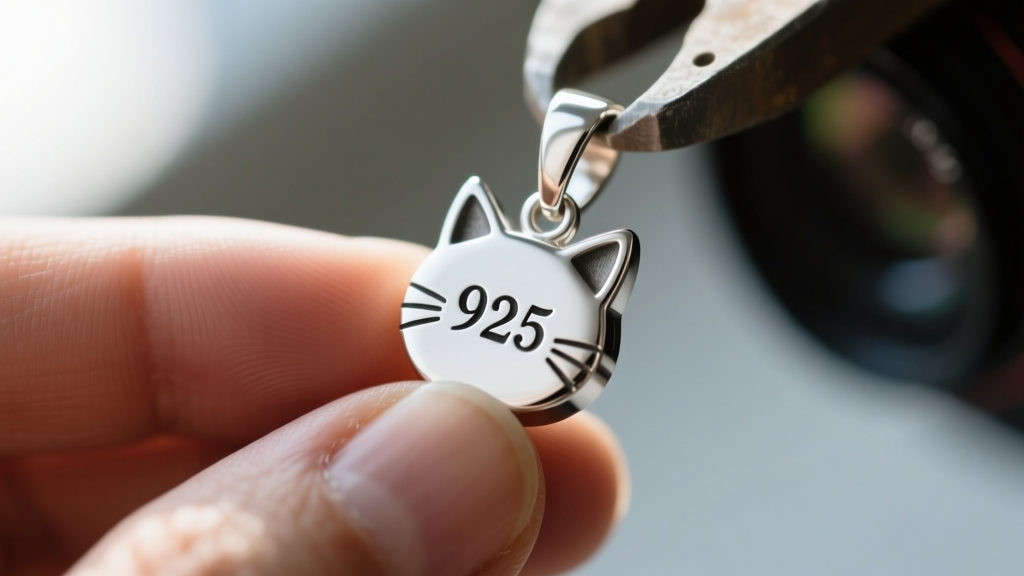
Genuine sterling silver is an alloy consisting of 92.5% pure silver and 7.5% copper. This copper addition provides the tensile strength necessary to hold detailed cat silhouettes. However, copper is also the culprit behind tarnish. To combat this, premium brands apply a micro-thin layer of rhodium plating over the sterling silver. This not only prevents oxidation but gives the necklace a bright, white-gold-like finish. When evaluating a sterling silver cat necklace, always look for the '925' or 'Sterling' hallmark stamped on the bail or the clasp. Be highly skeptical of pieces labeled simply as 'Tibetan Silver' or 'Silver Tone,' as these are typically zinc or brass alloys with zero precious metal value.
Manufacturing Methods: Stamped vs. Cast vs. Hand-Fabricated
The way your cat pendant is created heavily influences its baseline cost and long-term durability.
- Die-Striking (Stamped): A machine presses a steel die into a flat sheet of sterling silver. These pendants are lightweight, flat, and inexpensive to produce. They often retail in the $15 to $35 range. While cost-effective, they lack three-dimensional depth.
- Lost-Wax Casting: A 3D wax model of the cat is encased in plaster, burned out, and replaced with molten sterling silver. This allows for rounded paws, textured fur, and dynamic poses. Cast pieces require more labor and silver weight, pushing the value into the $45 to $90 tier.
- Hand-Fabrication & Enameling: Artisans cut, solder, and set stones or apply vitreous enamel by hand. A sterling silver cat necklace featuring hand-painted champlevé enamel or micro-pavé cubic zirconia eyes represents the highest tier of craftsmanship, often commanding $120 to $300+.
2026 Price Tier Breakdown: What Your Budget Actually Buys
To help you navigate the market, we have categorized the current pricing landscape for sterling silver cat necklaces based on material weight, craftsmanship, and brand markup.
| Price Tier | What to Expect | Best For |
|---|---|---|
| Under $30 | Die-struck, lightweight (under 2g), cable chain, spring-ring clasp. High risk of being silver-plated brass. | Trend-chasers, occasional wear, tight gift budgets. |
| $35 - $75 | Solid 925 cast pendants (3g-6g), rhodium-plated, rolo or box chain, lobster clasp. The sweet spot for value. | Everyday wear, durable gifts, minimalist style lovers. |
| $80 - $150 | Detailed lost-wax castings, gemstone accents (CZ, moonstone, or onyx), heavier chains, branded packaging. | Statement pieces, milestone gifts, brand-conscious buyers. |
| $150+ | Independent artisan work, vitreous enamel, recycled silver, custom engraving, heavy box chains. | Collectors, supporters of indie jewelers, heirloom seekers. |
The Hidden Costs: Chains, Clasps, and Hardware
A common trap in budget jewelry assessment is ignoring the chain. A beautiful $60 cast cat pendant loses its value if it is strung on a $2 hollow cable chain that will inevitably snap. When assessing value, inspect the hardware.
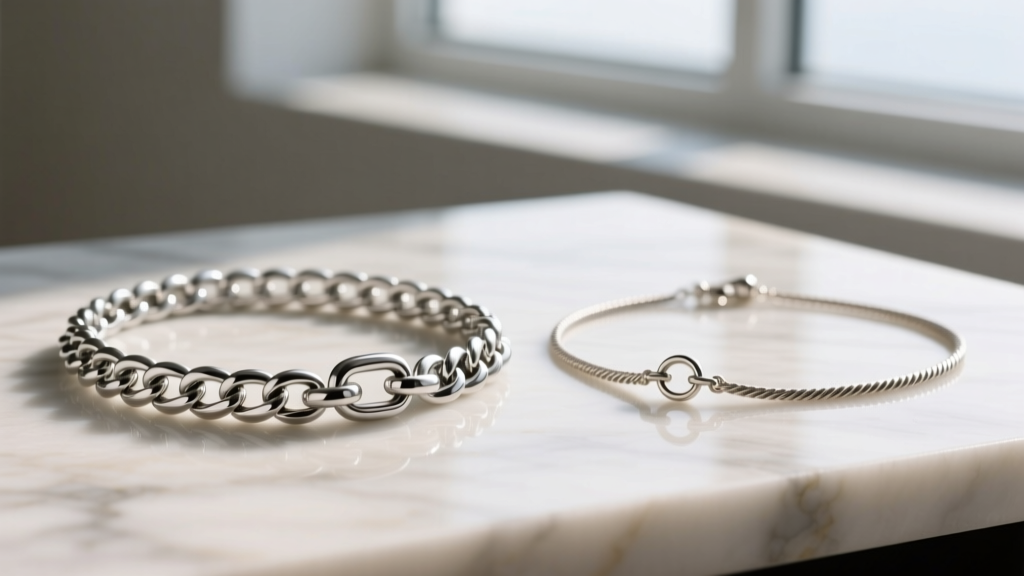
Spring-ring clasps are notoriously fragile and difficult to operate with one hand; they are a hallmark of cost-cutting. A high-value sterling silver cat necklace will feature a lobster clasp or a fish-hook clasp. Similarly, avoid thin cable chains. Look for rolo chains or box chains, which distribute tension evenly and resist kinking when the pendant shifts during wear.
Spotting the Fakes and Avoiding Overpriced Pieces
The Federal Trade Commission (FTC) strictly regulates the stamping of precious metals in the United States. It is illegal to stamp a piece '925' if it does not meet the 92.5% purity threshold. However, overseas drop-shippers frequently bypass these regulations.
To protect your investment, employ these practical verification methods:
- The Magnet Test: Silver is paramagnetic (non-magnetic). If your cat pendant or chain sticks to a neodymium magnet, it has a ferrous metal core and is merely plated.
- The Weight Assessment: Sterling silver has a specific gravity of 10.49. It should feel substantial and cool to the touch. A large cat silhouette that feels as light as plastic or aluminum is likely a base metal alloy.
- The Tarnish Check: While rhodium-plated silver resists tarnish, un-plated sterling silver will naturally oxidize over time, turning slightly yellowish or black in the crevices (like the inner ears or tail curves of the pendant). Base metals often turn the wearer's skin green due to high copper or nickel content reacting with sweat.
'A genuine 925 hallmark is a legal guarantee of purity, but it is only as trustworthy as the retailer selling it. Always purchase from vendors who provide a clear metallurgical breakdown and a solid return policy.' — Independent Gemological Appraiser
Long-Term Value: Maintenance and Tarnish Management
The true value of a sterling silver cat necklace extends beyond the initial purchase price; it includes the cost of maintenance. Sterling silver requires specific care to maintain its luster, especially in intricate designs where dirt and oils can accumulate in the engraved fur textures.
Never use harsh chemical dips or ultrasonic cleaners on oxidized or antiqued silver cat pendants, as these processes will strip the intentional dark patina that gives the design its contrast. Instead, use a specialized micro-abrasive silver polishing cloth. Store the necklace in an airtight anti-tarnish bag with a silica gel packet or a 3M anti-tarnish strip to absorb ambient sulfur, which is the primary catalyst for silver oxidation.
Final Verdict: Maximizing Your Feline Jewelry Investment
In 2026, the sweet spot for purchasing a sterling silver cat necklace lies in the $40 to $85 range. At this price point, you secure solid 925 silver, durable lost-wax casting, and reliable hardware like lobster clasps and rolo chains, without paying exorbitant luxury brand markups. By prioritizing metallurgical integrity and chain quality over flashy packaging, you can acquire a beautiful, durable piece of feline jewelry that will last a lifetime.


