The Anatomy of a Sterling Silver Rosary Necklace: An Expert Guide
Discover the technical anatomy of a sterling silver rosary necklace. Learn about chain gauges, bead materials, and construction methods for lasting wear.

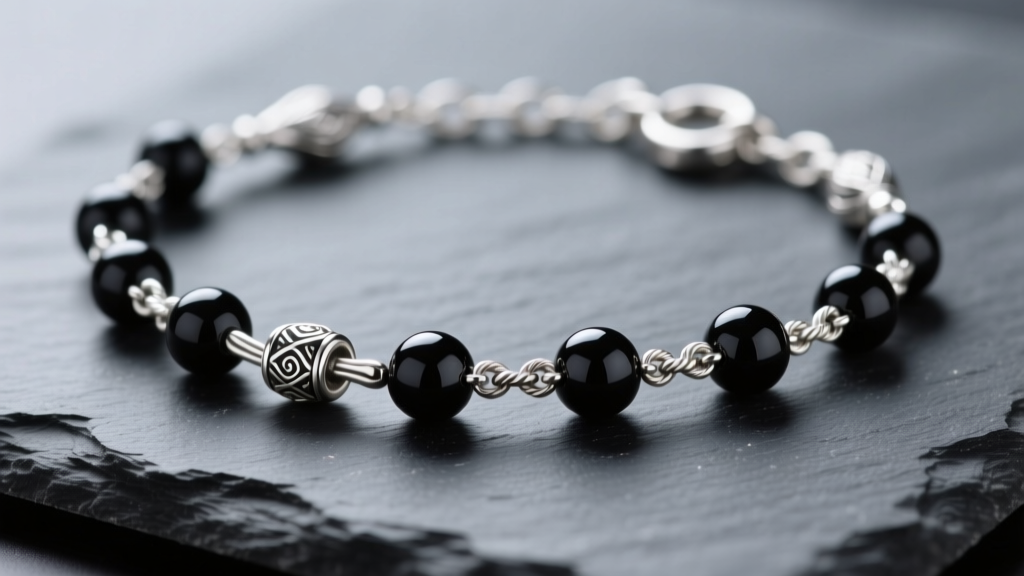
The Metallurgy of .925 Sterling Silver in Devotional Jewelry
When evaluating a sterling silver rosary necklace, the foundation of quality begins at the molecular level. Pure silver (fine silver) is exceptionally soft, rating just 2.5 on the Mohs hardness scale. If a rosary were crafted from .999 fine silver, the constant friction of daily prayer and the mechanical stress of the chain links would cause rapid deformation and link failure. To solve this, metallurgists utilize the .925 sterling standard: an alloy composed of 92.5% pure silver and 7.5% copper. According to the Gemological Institute of America (GIA), this copper addition increases the tensile strength and hardness to a durable 3.0, making it suitable for intricate wire-wrapping and chain drawing.
However, copper introduces a vulnerability: oxidation. The copper in sterling silver reacts with sulfur in the environment to form silver sulfide, commonly known as tarnish. For high-end rosaries, manufacturers often apply a micro-layer of rhodium plating or utilize Argentium Silver. Argentium replaces a portion of the copper with germanium, which forms a transparent, self-healing germanium oxide layer on the surface, drastically slowing the tarnishing process without altering the traditional .925 hallmark.
Chain Gauge and Link Construction: The Backbone of the Rosary
The structural integrity of a rosary relies entirely on its chain gauge and link soldering. A traditional rosary is divided into two distinct structural zones: the main loop (the five decades) and the pendant drop (the crucifix assembly). These zones experience different types of mechanical stress and require specific gauge specifications.
The Main Loop vs. The Drop
- Main Loop Chain: This section experiences lateral tension and frequent bending as it is held in the hands. Expert jewelers typically use a 1.5mm to 2.0mm cable chain. The links must be fully soldered (closed with a micro-weld or silver solder) to prevent them from pulling apart when the rosary is tugged or caught on clothing.
- Pendant Drop Chain: Hanging below the centerpiece, this short segment bears the vertical, dead-weight load of the crucifix. A slightly heavier gauge, often 1.8mm to 2.2mm, is preferred here. If unsoldered jump rings are used in the drop, the constant gravitational pull will eventually warp the oval links into a 'V' shape, leading to chain failure.
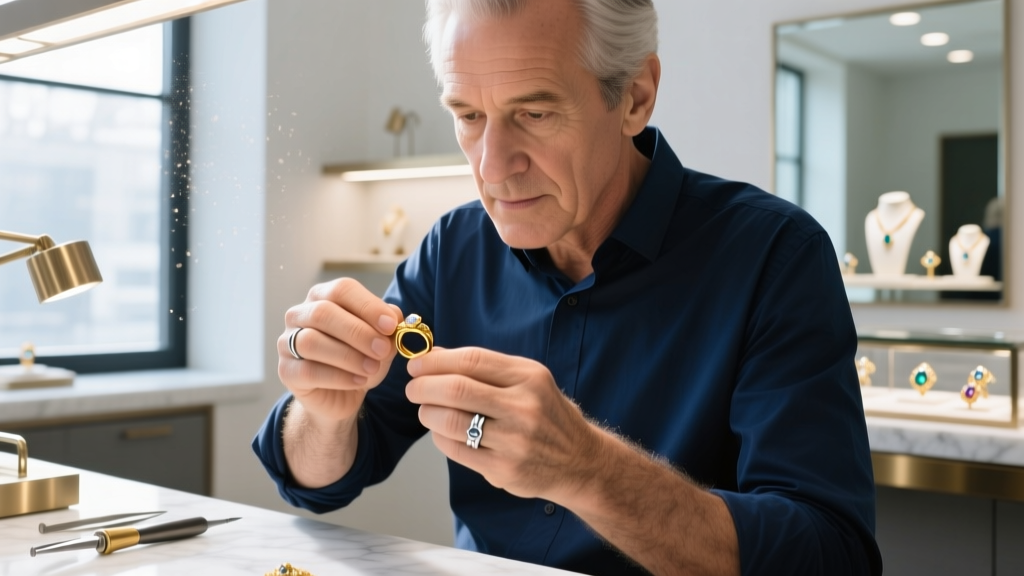
Wire-wrapped rosaries represent the pinnacle of construction. Instead of stringing beads onto a continuous cable chain, artisans use individual sterling silver headpins. Each bead is threaded, and the excess wire is looped and wrapped tightly around the base of the bead using specialized rosary pliers. This technique ensures that if one link fails, the rest of the rosary remains intact, and it provides a fluid, heavy drape that machine-stamped chains cannot replicate.
Bead Sizing, Materials, and the Mathematics of the Decades
A standard Dominican rosary contains exactly 59 beads, distributed with precise mathematical symmetry. Understanding this distribution is critical when assessing the weight, balance, and material cost of a sterling silver rosary necklace.
| Component | Quantity | Standard Bead Diameter | Functional Purpose |
|---|---|---|---|
| Hail Mary Beads (Decades) | 50 | 4mm - 6mm | Tactile counting; smooth finish preferred for rapid prayer. |
| Our Father Beads | 5 | 6mm - 8mm | Segmentation; slightly larger to signal the start of a new decade. |
| Drop Beads | 4 | 6mm - 8mm | Vertical transition; often matches the Our Father beads. |
Material Variations and Tactile Feedback
While the chain and wire-work are sterling silver, the beads themselves vary based on the intended use of the rosary. Solid sterling silver beads are the most durable and heavy, offering a premium, cool-to-the-touch feel, but they significantly increase the overall price point (often pushing artisan pieces into the $250–$400 range). Alternatively, black onyx or Swarovski crystal beads are frequently paired with silver wire-wrapping. Onyx provides high contrast and a smooth, glass-like tactile feedback, while crystal offers light refraction but requires careful handling to prevent chipping at the drill holes.
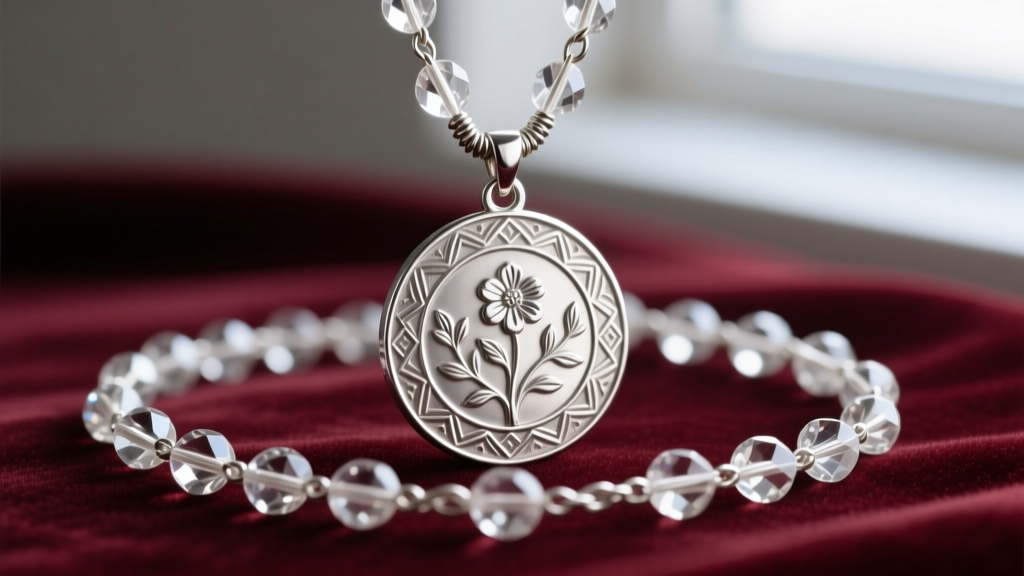
Authentication and Quality Control Metrics
The market is saturated with silver-plated brass or nickel alloys falsely stamped as sterling. When investing in a high-quality sterling silver rosary necklace, rigorous authentication is required. The Federal Trade Commission (FTC) Jewelry Guides mandate that any item stamped with 'Sterling', '925', or 'Silver' must meet the 92.5% purity threshold.
How to Verify Authenticity
- Hallmark Inspection: Use a 10x jeweler's loupe to inspect the clasp, the center medal loop, or the ring attaching the crucifix. A legitimate .925 stamp should be crisp, deeply struck, and perfectly aligned. Blurry or shallow stamps often indicate counterfeit casting molds.
- Magnetic Testing: Sterling silver is paramagnetic (non-magnetic). If the chain or the wire-wrapped headpins exhibit magnetic pull, the core metal is likely steel or iron, heavily plated with silver.
- XRF Scanning: For high-value antique or artisan rosaries, professional jewelers use X-ray Fluorescence (XRF) scanners. This non-destructive test penetrates the surface to reveal the exact elemental breakdown, ensuring the 7.5% alloy is copper and not a cheaper, potentially allergenic metal like nickel or cadmium.
Maintenance and Long-Term Care Protocols
Proper maintenance of a sterling silver rosary requires an understanding of its specific construction. Because rosaries are handled frequently, the natural oils from human skin can actually help polish the high-contact areas of the chain, while the recessed areas of the center medal and crucifix may accumulate tarnish and debris.
For routine cleaning, a two-sided jeweler's polishing cloth (impregnated with micro-abrasives and anti-tarnish agents) is ideal. Crucial Warning: Never place a wire-wrapped rosary in an ultrasonic cleaner. The high-frequency cavitation can fracture natural stone beads (like turquoise or lapis lazuli), loosen the glue in crystal settings, and fatigue the wire-wrapped loops, leading to structural failure. If deep cleaning is necessary for a solid silver and onyx rosary, a mild bath in warm water with a few drops of phosphate-free dish soap, agitated gently with a soft-bristled baby toothbrush, will safely remove sebum and environmental grime without compromising the silver's patina or the wire wraps.
By understanding the metallurgy, gauge specifications, and structural mathematics behind a sterling silver rosary necklace, collectors and practitioners can confidently select pieces that will endure not just as objects of faith, but as masterclasses in jewelry engineering.


