The Silver Shell Necklace Trend 2026: Elevated Coastal Style
Discover the 2026 silver shell necklace trend. Explore elevated coastal styling, sterling silver grades, shell types, and expert layering techniques.

The Evolution of Coastal Aesthetics in 2026
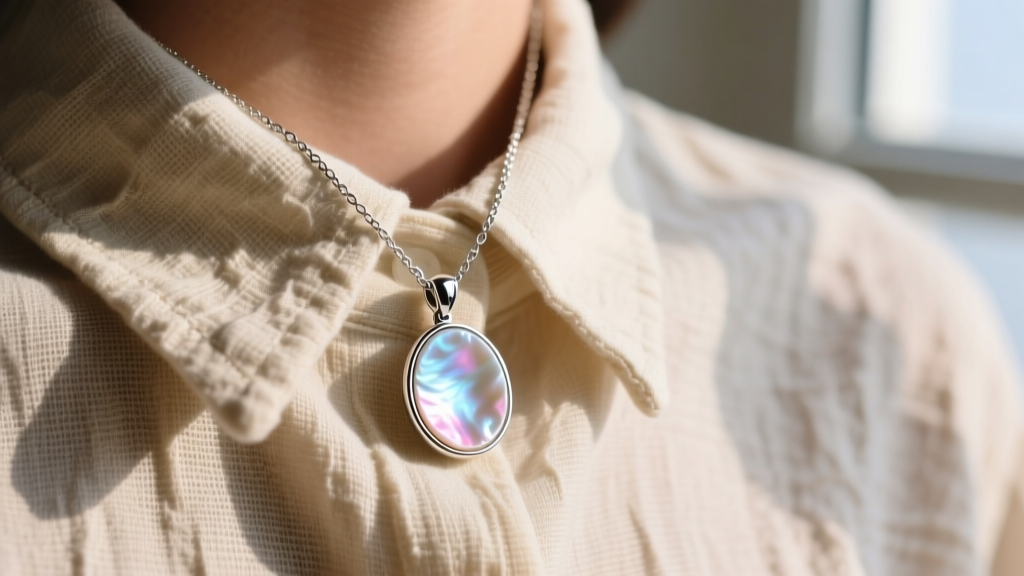
The transition from the fleeting 'mermaidcore' and 'coastal grandmother' micro-trends of the early 2020s has culminated in a much more refined, enduring aesthetic for 2026: Elevated Coastal. At the absolute center of this style movement is the silver shell necklace. No longer relegated to cheap, mass-produced alloy pendants on wax cords, today's shell jewelry is being crafted with fine jewelry sensibilities. Designers are pairing ethically sourced, high-grade organic shells with premium 925 sterling silver, creating pieces that bridge the gap between relaxed beachwear and sophisticated evening attire.
According to recent market analyses, consumer demand for organic gemstones and nature-inspired motifs has surged by over 34% since 2024. The silver shell necklace perfectly captures this zeitgeist, offering a tactile connection to the ocean while maintaining the metallic brilliance required for modern luxury. However, as the market floods with new designs, distinguishing between a high-quality heirloom piece and a subpar imitation requires a deep understanding of material science, chain anatomy, and structural integrity.
Material Deep Dive: Shells and Silver Grades
Not all shells are created equal, and the way they interact with silver settings dictates both the longevity and the visual impact of the necklace. The GIA Gem Encyclopedia classifies shells as organic gemstones, meaning they are created by living organisms and possess unique structural vulnerabilities compared to mined minerals. Understanding the Mohs hardness and nacre quality of specific shells is critical for making an informed purchase.
Shell Varieties and Their Market Value
| Shell Type | Mohs Hardness | Price Range (Pendant) | Best Silver Pairing | Durability Notes |
|---|---|---|---|---|
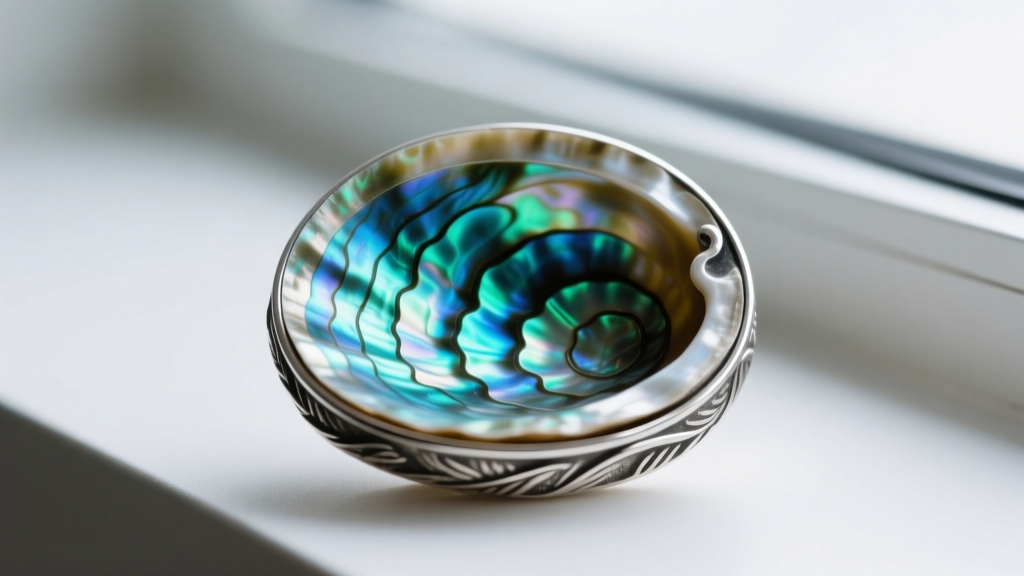
| Mother of Pearl (Nacre) | 2.5 - 3.5 | $35 - $95 | High-Polish 925 Sterling | Prone to scratching; avoid ultrasonic cleaners. |
| Paua Abalone | 2.5 - 3.5 | $70 - $160 | Oxidized/Darkened Sterling | Highly iridescent; sensitive to harsh chemicals. |
| Pink Conch | 3.0 - 4.0 | $150 - $350+ | Rose Gold Vermeil on Silver | Features unique 'flame' structure; UV sensitive. |
| Carved Camelian Shell | 3.5 - 4.0 | $120 - $280 | Antiqued 925 Sterling | Thicker and more durable; excellent for cameos. |
Decoding Silver: 925 Sterling vs. Plated
The foundation of a premium silver shell necklace lies in its metalwork. Genuine 925 sterling silver consists of 92.5% pure silver and 7.5% alloying metals, usually copper, which provides the necessary tensile strength for jewelry. In 2026, top-tier jewelers are increasingly utilizing rhodium flash plating over their sterling silver pieces. A rhodium layer of just 0.5 to 1.0 microns creates a brilliant, white-gold-like finish that acts as an impermeable barrier against tarnish. Conversely, silver-plated brass or copper pendants—which often retail for under $20—will inevitably experience 'brass bleed' within six to twelve months of daily wear, particularly when exposed to saltwater and sweat.
Chain Anatomy: Gauges, Clasps, and Durability
A common failure point in delicate shell necklaces is the chain. Because shells like Mother of Pearl are relatively heavy for their size, a chain that is too thin will snap, while a chain that is too thick will overpower the delicate organic pendant. For a standard 15mm to 25mm shell pendant, the optimal chain gauge falls precisely between 1.0mm and 1.5mm.
- 1.2mm Cable Chain: The industry standard for shell pendants. It offers an excellent strength-to-weight ratio and lays flat against the collarbone, allowing the shell to sit perfectly in the décolletage.
- 1.5mm Rolo Chain: Slightly more robust with interlocking circular links. Ideal for heavier Paua abalone pieces or carved cameos that weigh over 8 grams.
- The Clasp Mechanism: Discard any necklace featuring a standard spring-ring clasp. The tiny internal spring mechanism frequently fails when exposed to sand or salt. Always opt for a 5mm or 7mm lobster clasp, which features a solid internal lever and a much stronger soldered jump ring.
2026 Styling Framework: Necklines and Layering
Styling a silver shell necklace in 2026 requires moving past the single-pendant-on-a-beach paradigm. The current trend relies on architectural layering and intentional proportion mapping. The goal is to create a cascading effect that draws the eye downward, elongating the neck and torso.
The Rule of Thirds in Necklace Layering
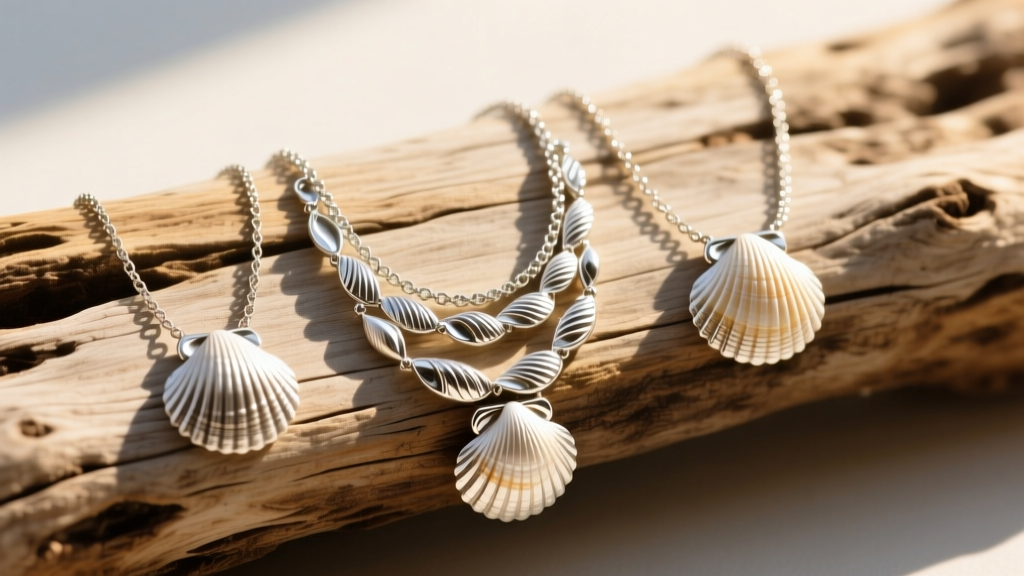
When layering your silver shell necklace with other chains, you must maintain a minimum two-inch drop between each piece to prevent the clasps and pendants from tangling. A highly effective, tangle-free layering stack looks like this:
- The Anchor (16 inches): A delicate 1.0mm silver choker or a simple 4mm bezel-set moonstone pendant. This sits high on the collarbone.
- The Focal Point (18 inches): Your primary silver shell necklace. The 18-inch 'princess' length ensures the shell rests perfectly in the hollow of the throat or just above the V-neckline of a blouse.
- The Elongator (22 inches): A heavier 2.0mm silver paperclip chain or a long bar pendant. This draws the visual line down toward the sternum.
'The mistake most people make with coastal jewelry is treating it as a novelty. When you pair a high-quality silver shell pendant with a structured, oversized blazer or a crisp poplin button-down, the organic texture of the shell provides a striking, intentional contrast to the rigid tailoring of the garments.' - Elara Vance, Senior Jewelry Stylist
Care and Maintenance: Preventing the Silver Sulfide Trap
Sterling silver is inherently reactive. When the copper alloy in 925 silver interacts with sulfur compounds in the air, saltwater, or even certain skin chemistries, it forms silver sulfide (Ag2S)—the black tarnish that ruins the luster of your jewelry. While pure silver doesn't tarnish, the 7.5% copper required for structural integrity makes maintenance a non-negotiable aspect of ownership.
To preserve both the silver and the delicate organic structure of the shell, never use ultrasonic cleaners or harsh chemical silver dips. The high-frequency vibrations can fracture the nacre layers of a Mother of Pearl shell, and the chemicals will strip the natural iridescence of a Paua abalone. Instead, The Silver Institute recommends using a mild, phosphate-free dish soap and warm water with a microfiber cloth for routine cleaning. For long-term storage, keep your silver shell necklace in an airtight polyethylene bag alongside a 3M anti-tarnish strip or a piece of Pacific Silvercloth. These materials actively absorb and neutralize ambient sulfur gases, ensuring your elevated coastal pieces remain brilliant for decades to come.


