Preserving the Story of Necklace Heirlooms: Expert Care Guide
Learn how to preserve the story of necklace heirlooms with expert cleaning, structural maintenance, and storage tips for vintage and antique gems.

The Philosophy of Antique Jewelry Conservation
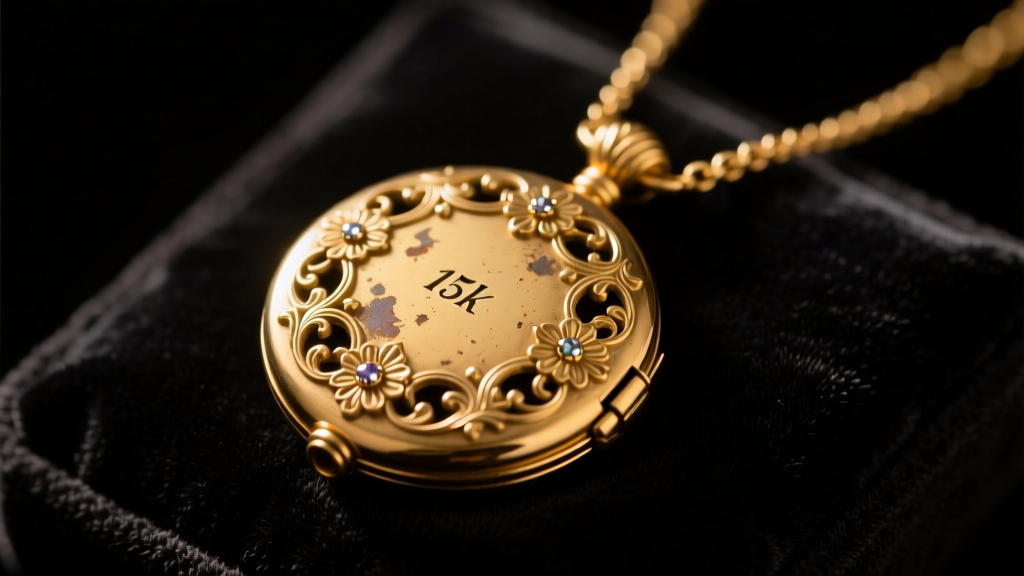
When collectors, bench jewelers, and historians discuss the story of necklace heirlooms, they are not merely referring to the documented provenance or the original designer. The true story is etched into the physical piece itself: the microscopic layers of historical wear, the specific oxidation patterns on the metal, and the subtle abrasions on the gemstones. Preserving this narrative requires a radical departure from modern, aggressive cleaning habits. As of 2026, the consensus among master jewelers and museum conservators is that over-cleaning is the primary cause of value degradation in antique necklaces.
Unlike contemporary mass-produced jewelry, heirloom necklaces—ranging from Georgian mourning pieces to Edwardian platinum garland styles—were constructed using historical metallurgical techniques. The alloys behave differently under stress and chemical exposure. To maintain the structural and historical integrity of these pieces, one must adopt a conservation-first mindset, prioritizing stabilization over high-gloss restoration.
The Dangers of Commercial Silver Dips and Polishes
One of the most common mistakes owners make when inheriting an antique silver or gold-vermeil necklace is reaching for commercial liquid silver dips. These products typically rely on thiourea, a highly toxic and corrosive organosulfur compound. While thiourea instantly strips silver sulfide (tarnish), it does so by chemically etching the surface of the metal.
- Micro-Pitting: Repeated use of thiourea-based dips creates microscopic pits in the silver, which actually accelerates future tarnishing by increasing the surface area exposed to airborne sulfur.
- Patina Destruction: The dark oxidation trapped in the intricate repoussé or hand-engraved crevices of a Victorian necklace provides contrast and depth. Stripping this patina flattens the design and erases a century of authentic aging.
- Stone Damage: Liquid dips easily seep into porous gemstones like turquoise, lapis lazuli, and coral, causing irreversible chemical burns and color shifts.
Instead, experts recommend using a mild, phosphate-free dish soap (like Dawn Professional) diluted in distilled water, applied with a soft sable-hair brush. For stubborn tarnish on non-porous areas, a specialized jeweler's rouge cloth used with minimal pressure is the safest mechanical intervention.
Gemstone Porosity and Chemical Sensitivities
The gemstones featured in heirloom necklaces dictate the cleaning protocol. According to the Gemological Institute of America (GIA), understanding a stone's Mohs hardness is only half the battle; porosity and historical treatments are the true limiting factors. Many antique emeralds, for example, were historically fracture-filled with cedar oil or early synthetic resins to mask inclusions. Modern ultrasonic cleaners and steamers will boil these fillings out, leaving the stones fractured and cloudy.
| Gemstone | Mohs Hardness | Porosity / Historical Treatments | Safe Cleaning Protocol | Avoid At All Costs |
|---|---|---|---|---|
| Opal | 5.5 - 6.5 | High (contains 3-21% water) | Damp microfiber wipe only; air dry flat | Ultrasonics, heat, dry air, chemicals |
| Emerald | 7.5 - 8.0 | Highly included; cedar oil/resin filled | Dry, soft brushing; gentle microfiber | Steam, ultrasonics, solvents, heat |
| Pearl (Natural) | 2.5 - 4.5 | Organic aragonite; highly acid-sensitive | Dry wipe; occasional damp cloth (no soaking) | Acids, ammonia, ultrasonics, perfumes |
| Diamond | 10.0 | Low porosity; but prone to grease buildup | Mild soap, distilled water, soft brush | Ultrasonics (if heavily included/fractured) |
| Sapphire | 9.0 | Low; may have historical heat treatment | Mild soap, distilled water, soft brush | Harsh acids, extreme thermal shock |
The Hidden Risks of Ultrasonic Cavitation
Ultrasonic cleaners use high-frequency sound waves to create microscopic vacuum bubbles in a liquid solution. When these bubbles collapse against the jewelry, they generate localized shockwaves—a process known as cavitation. While highly effective for removing grime from solid gold and durable diamonds, cavitation can be catastrophic for heirloom necklaces. If an antique diamond has a hidden internal feather or cleavage plane, the shockwaves can cause the stone to cleave or shatter entirely. Furthermore, the vibrations can loosen historically set stones that rely on delicate milgrain or rubbed-over bezel settings, which may have thinned over decades of wear.
Structural Integrity: Chains, Solder, and Clasps
The story of necklace longevity is heavily dependent on its structural weakest points: the clasp, the jump rings, and the solder joints. Antique necklaces often feature early spring-ring clasps or simple hook-and-eye closures that lack modern safety catches.
Work-Hardening and Metal Fatigue
Gold and platinum are malleable metals. Over decades of being put on and taken off, the links of an antique chain undergo work-hardening. The metal becomes brittle and susceptible to snapping under sudden tension. A master bench jeweler can anneal (heat and slowly cool) specific sections of an 18k or 14k gold chain to relieve this internal stress and restore ductility. However, this must be done with extreme care to avoid melting historical solder joints, which often have lower melting points than the base metal.
Clasp Upgrades vs. Historical Preservation
Many owners are tempted to replace a failing antique spring-ring clasp with a modern, secure lobster clasp. From a conservation standpoint, this alters the historical integrity of the piece. If the original clasp is functional but weak, a jeweler can reinforce it using laser welding. Unlike traditional torch soldering, which requires heating the entire surrounding area and risks damaging nearby gemstones or enamel, laser welding uses a highly focused beam to fuse metal at a microscopic level, preserving the original patina and surrounding components.
'The goal of conservation is to stabilize the object and prevent further deterioration, not necessarily to make it look brand new. Every scratch and wear mark is a chapter in the object's biography.' — Adapted from the Smithsonian Conservation Guidelines.
Archival Storage Environments
How you store an heirloom necklace is just as critical as how you clean it. Environmental factors—specifically humidity, airborne sulfur, and light exposure—dictate the rate of degradation. As of 2026, museum-standard storage practices are accessible to private collectors and are essential for preserving high-value heirlooms.
- Humidity Control: Maintain a relative humidity (RH) of 40% to 50%. Fluctuations above 60% accelerate silver tarnishing and promote mold growth on organic elements like silk threading or hairwork. Conversely, RH below 30% will cause opals to craze (crack) and ivory or tortoiseshell inlays to warp and split.
- Anti-Tarnish Materials: Never store silver necklaces in standard plastic bags, which can trap moisture and emit off-gassing chemicals. Instead, use 3M Pacific Silvercloth or treated anti-tarnish flannel bags. These fabrics are embedded with microscopic silver particles that act as a sacrificial anode, absorbing airborne sulfur before it can reach your necklace.
- Physical Support: Necklaces should be stored flat or hung on padded, acid-free forms to prevent the chain from kinking. Heavy pendants should be supported so their weight does not stretch the uppermost chain links over time.
When to Seek a Master Jeweler
While daily maintenance and light cleaning can be performed at home, certain warning signs dictate an immediate visit to a certified bench jeweler. If you notice any of the following, cease wearing the necklace immediately:
- Rattling Sounds: If a gemstone rattles when the necklace is gently shaken, the prongs or bezel have worn down and the stone is at imminent risk of falling out.
- Visible Gaps in Links: If you can see daylight through the seams of the chain links, the metal has worn thin and the chain is days away from snapping.
- Cracked Silk or Thread: For pearl or gemstone bead necklaces strung on silk, the thread should be professionally restrung every 3 to 5 years, or immediately if the thread appears frayed, stretched, or discolored.
By treating your heirloom jewelry not just as an accessory, but as a historical artifact, you ensure that the story of the necklace remains intact for the next generation to inherit, admire, and wear.


