How to Style and Authenticate a Coach Chain Necklace
Learn how to authenticate, clean, and layer a vintage or modern Coach chain necklace with our expert step-by-step styling and care guide.
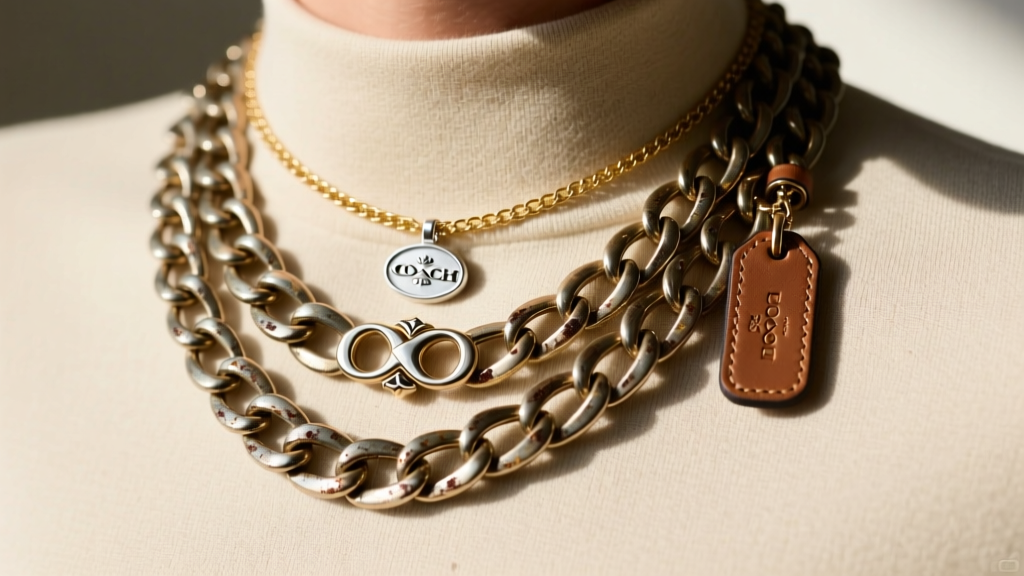
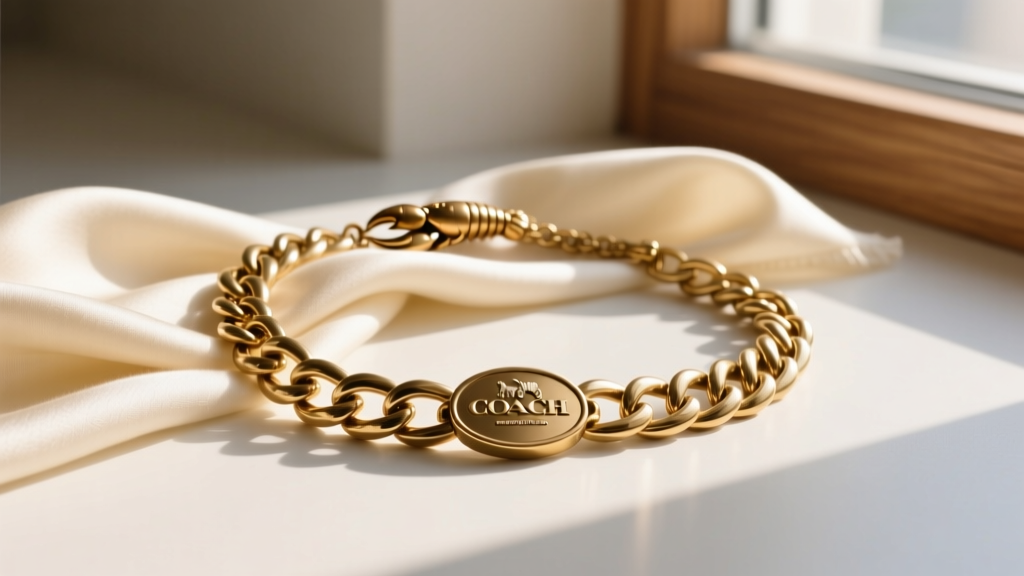
The resurgence of 90s minimalist fashion has firmly cemented the coach chain necklace as a must-have accessory in 2026. Whether you have inherited a heavy brass piece from a relative, unearthed one at an estate sale, or are hunting for vintage gems on resale platforms, knowing how to authenticate, restore, and style these iconic chains is essential. Unlike delicate contemporary jewelry, vintage Coach pieces possess a distinct architectural weight and historical manufacturing footprint. This step-by-step guide provides actionable frameworks for handling, verifying, and styling both vintage and modern Coach jewelry.
Step 1: Authenticating Your Coach Chain Necklace
Counterfeit vintage jewelry heavily floods the secondary market. To verify a genuine Coach chain necklace, you must meticulously examine the hardware, weight, and hallmarks. According to the FTC Jewelry Guides, gold-plated items must meet specific thickness standards, but vintage Coach pieces from the 1990s were typically gold electroplated over a solid brass core, not sterling silver.
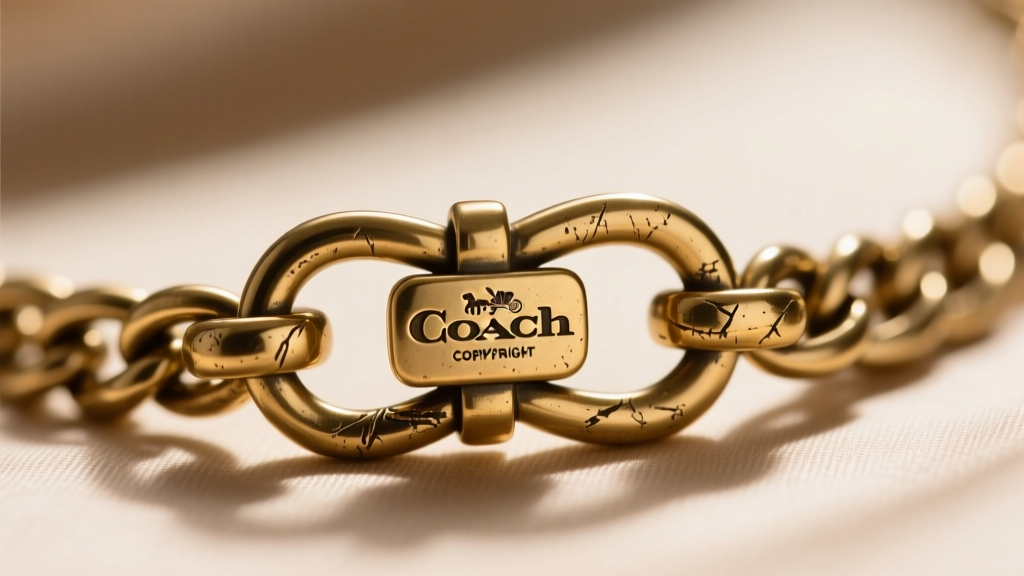
- The Hangtag and Clasp Stamp: Authentic vintage chains often feature a small, oval brass hangtag near the clasp stamped with '© Coach' or simply 'Coach'. The evolution of the hallmark is a primary authentication vector. Pieces from the early 1990s often feature the copyright symbol (©), while later productions shifted to the registered trademark symbol (®). Modern iterations may laser-engrave the branding directly onto the lobster clasp.
- Weight and Density: A genuine 16-inch vintage Coach curb or rolo chain weighs between 45 and 65 grams due to the solid brass core. Counterfeits often use hollow aluminum or lightweight zinc alloys, feeling suspiciously airy and lacking the signature 'drape' of heavy brass.
- Link Soldering and Finish: Inspect the links under a jeweler's loupe. Authentic Coach chains feature cleanly soldered links with no visible gaps or sloppy welding marks. The links should exhibit a specific tumble-polished finish, resulting in softly rounded edges rather than sharp, machine-cut bevels.
Step 2: Identifying the Chain Era and Material
Understanding the era of your necklace dictates how you should care for it and what to expect regarding durability. The transition from heavy 90s brass to modern mixed metals fundamentally changed the structural integrity and plating techniques of the chains.
| Feature | 1990s Vintage Coach | 2020s Modern Coach |
|---|---|---|
| Base Metal | Solid Brass | Sterling Silver or Brass |
| Plating Type | Gold Electroplate | Vermeil or PVD Coating |
| Clasp Hardware | Heavy Lobster or Spring Ring | Custom Toggle or Branded Lobster |
| Avg. Weight (18-inch) | 55 - 70 grams | 15 - 30 grams |
Step 3: Restoring and Cleaning Gold-Plated Brass
Never use ultrasonic cleaners or harsh chemical dips like Tarn-X on a vintage gold-plated coach chain necklace. The Gemological Institute of America (GIA) warns that abrasive chemicals and high-frequency vibrations will strip the microscopic gold layer, exposing the raw brass underneath and causing rapid, irreversible oxidation.
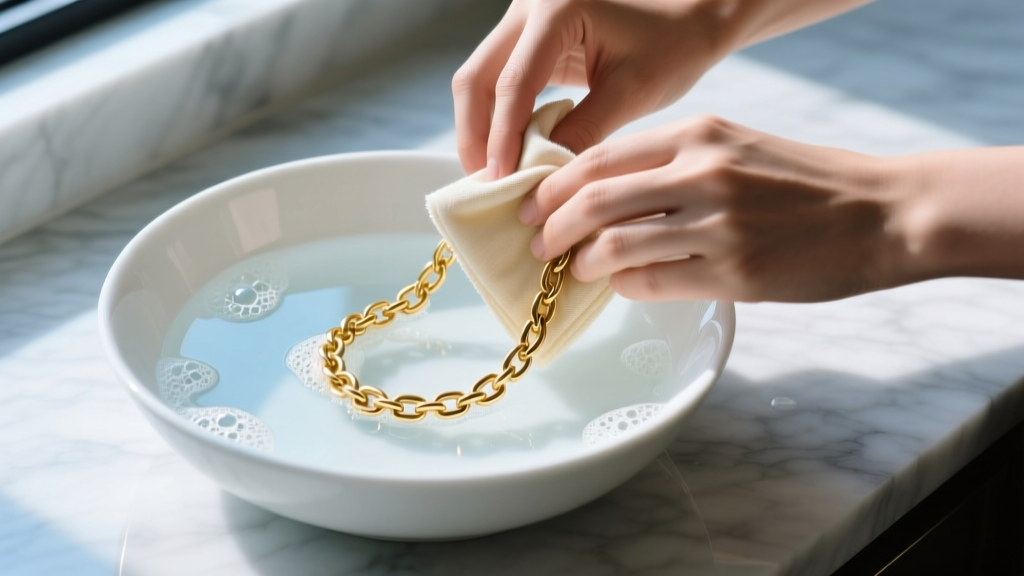
The Mild Soap Bath Method
- Preparation: Mix three drops of pH-neutral dish soap (like Dawn) into a bowl of lukewarm distilled water. Submerge the chain for exactly 3 minutes to loosen surface oils.
- Agitation: Gently agitate the water with your fingers. Do not use a toothbrush, as stiff nylon bristles will create micro-scratches in the gold plating.
- Drying: Lay the chain flat on a lint-free microfiber cloth. Pat dry, then use a second dry cloth to gently buff the links to a high shine.
Treating Verdigris (Green Oxidation)
If you spot green verdigris—a common issue where brass oxidizes beneath micro-fractures in the gold plating—do not scrape it. Dip a cotton swab in distilled white vinegar and carefully apply it only to the green oxidation. The mild acetic acid dissolves the copper carbonate without harming the surrounding gold electroplate. Wipe immediately with a damp cloth and dry thoroughly.
Step 4: The 2026 Layering Framework
A heavy Coach chain is a statement piece, but it integrates beautifully into a layered stack when balanced with contrasting textures and precise length differentials. Here is a structural layering formula optimized for V-neck or scoop-neck tops.
- Layer 1 (The Anchor): Your 16-inch Coach chain necklace. This sits securely at the collarbone and provides the foundational visual weight of the stack.
- Layer 2 (The Bridge): An 18-inch delicate 1mm sterling silver cable chain. The contrast between the thick gold-plated brass and the thin silver cable creates a mixed-metal aesthetic that defines contemporary 2026 styling.
- Layer 3 (The Pendant): A 22-inch rolo chain featuring a single, substantial pendant (such as a raw gemstone, enamel locket, or heavy signet) to draw the eye downward and elongate the neckline.
Pro Tip: When layering heavy brass chains, always apply your perfumes, hairsprays, and lotions at least 10 minutes before putting on your jewelry. The alcohol and emulsifiers in cosmetics rapidly degrade gold electroplating over time.
Step 5: Troubleshooting Common Hardware Issues
Vintage jewelry requires mechanical maintenance. Because these pieces are decades old, the hardware may exhibit specific failure modes that require targeted interventions.
Fixing Stiff Lobster Clasps
Vintage spring rings and lobster clasps often seize up due to microscopic debris, skin cells, or dried lotion trapped in the mechanism. Apply a single drop of synthetic watch oil to the clasp hinge using a wooden toothpick. Work the lever back and forth fifty times until the action is smooth, then wipe away any excess oil with a microfiber cloth to prevent it from attracting dust.
Resolving Link Snagging
If the links are pulling your hair or snagging on delicate fabrics, the original tumbling process may have left micro-burrs on the brass, or the links may have slightly warped over time. Run a soft, untreated jewelry polishing cloth through the links repeatedly. The gentle friction will smooth out any sharp edges without removing the gold plating, restoring the chain's fluid drape.
By understanding the material science, historical hallmarks, and structural styling mechanics of your Coach chain necklace, you can preserve its legacy while seamlessly integrating it into a modern, sophisticated wardrobe.


