How to Style a Butterfly Cross Necklace: Step-by-Step Guide
Learn how to style a butterfly cross necklace with our step-by-step guide. Master layering, neckline matching, and material care for everyday wear.

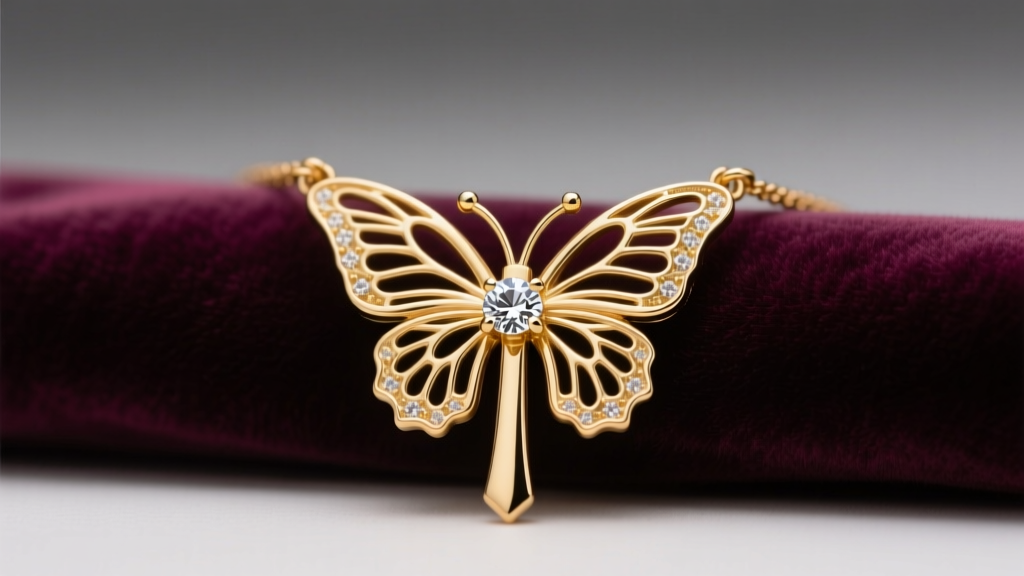
The butterfly cross necklace represents a fascinating intersection of jewelry aesthetics, merging the bold, structural lines of gothic and religious motifs with the delicate, whimsical appeal of fairycore and Y2K revival trends. As we navigate the style landscape of 2026, this hybrid pendant has cemented itself as a versatile staple. However, styling a piece with such dual personality requires more than just throwing it on. It demands a strategic approach to chain gauges, layering physics, and metallurgical care.
Whether you are working with a vintage 925 sterling silver piece or a modern PVD-coated stainless steel design, this comprehensive, step-by-step guide will teach you how to style, layer, and maintain your butterfly cross necklace like a professional.
Step 1: Selecting the Right Chain Gauge and Length
The foundation of any pendant necklace is the chain. A butterfly cross pendant typically features intricate wing detailing and a solid central crossbar, meaning the chain must be robust enough to support the weight without overpowering the visual delicacy of the wings.
The Gauge Matrix
- 0.8mm - 1.0mm Cable or Box Chain: Ideal for lightweight pendants (under 4 grams). A 1.0mm box chain offers excellent light reflection and a modern, geometric contrast to the organic curves of the butterfly wings.
- 1.2mm - 1.5mm Rope or Curb Chain: Necessary for heavier, solid-cast metal crosses. The twisting pattern of a rope chain adds texture but can compete with highly detailed pendants. Use this only if the pendant is minimalist.
Length and Clasp Mechanics
For a standard princess-length drop (18 inches), ensure your necklace is equipped with a 5mm lobster claw clasp rather than a standard 4mm spring ring. According to jewelry manufacturing standards, lobster clasps provide a secure, self-closing mechanism that prevents the loss of heavier pendants during daily wear. If your piece features an extender chain, utilize the 16-inch loop for high-neck tops and the 20-inch drop for deep V-necks.
Step 2: Mastering the Layering Technique
Layering a butterfly cross necklace is where the styling magic happens, but it is also where most people encounter the frustrating issue of chain tangling. Tangling is not a matter of bad luck; it is a matter of physics.
The 2-Inch Rule and Friction Prevention
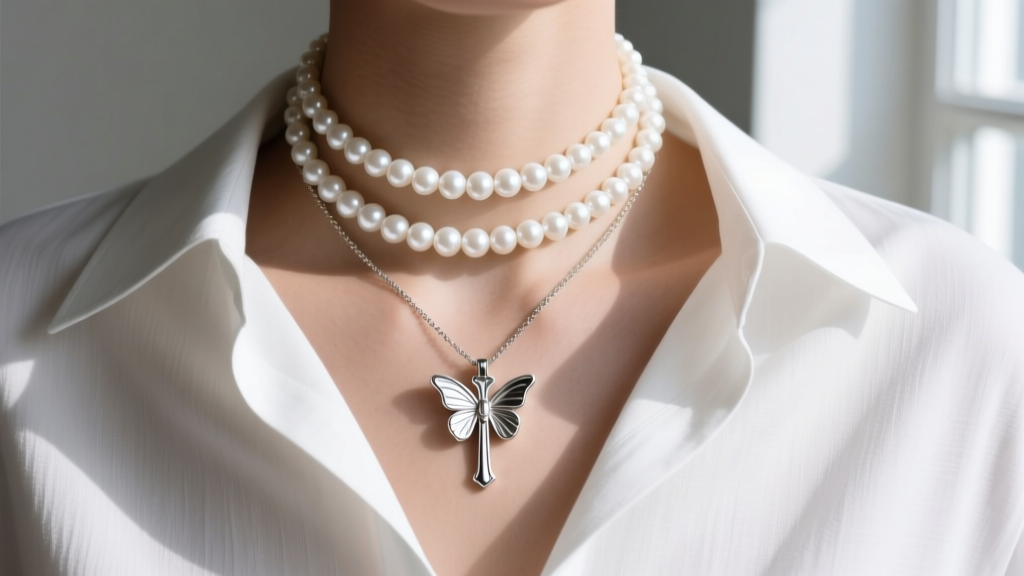
To prevent chains from interlocking, you must maintain a minimum 2-inch difference in length between each layer. For example, pair a 14-inch choker with your 16-inch or 18-inch butterfly cross necklace. Furthermore, avoid pairing chains with similar link profiles. If your butterfly cross hangs on a 1.0mm box chain, layer it with a smooth, link-less 1.5mm snake chain or a continuous pearl strand. When the links of two chains are similar in size, the wire of one chain slips into the gap of the other, creating a friction knot that is nearly impossible to untangle without tools.
Using Spacer Clasps
If you prefer a uniform, bundled look without the tangling, invest in a magnetic spacer clasp. This small hardware piece locks two or three chains together at the nape of the neck, ensuring they drape perfectly parallel down the décolletage while keeping the butterfly cross pendant perfectly centered.
Step 3: Matching Necklines to the Pendant Drop
The visual weight of a butterfly cross requires careful consideration of the garment's neckline. The goal is to frame the pendant, allowing the wings to 'fly' across the skin or fabric without being swallowed by busy patterns or awkward seams.
| Neckline Type | Ideal Chain Length | Styling Strategy |
|---|---|---|
| V-Neck | 18 to 20 inches | Let the pendant sit exactly one inch above the apex of the V-neck to elongate the torso and echo the geometric angles of the garment. |
| Crew Neck | 14 to 16 inches | Opt for a choker-style drop where the butterfly wings rest entirely on exposed skin above the collar line, preventing a cluttered look. |
| Scoop Neck | 16 to 18 inches | The curved neckline complements the organic shape of the wings. Center the crossbar precisely in the middle of the scoop's arc. |
| Halter / One-Shoulder | 15 to 17 inches | Asymmetrical necklines demand a slightly off-center visual anchor. A shorter drop keeps the pendant in the visible 'safe zone' of the chest. |
Step 4: Material Grades and Tarnish Prevention
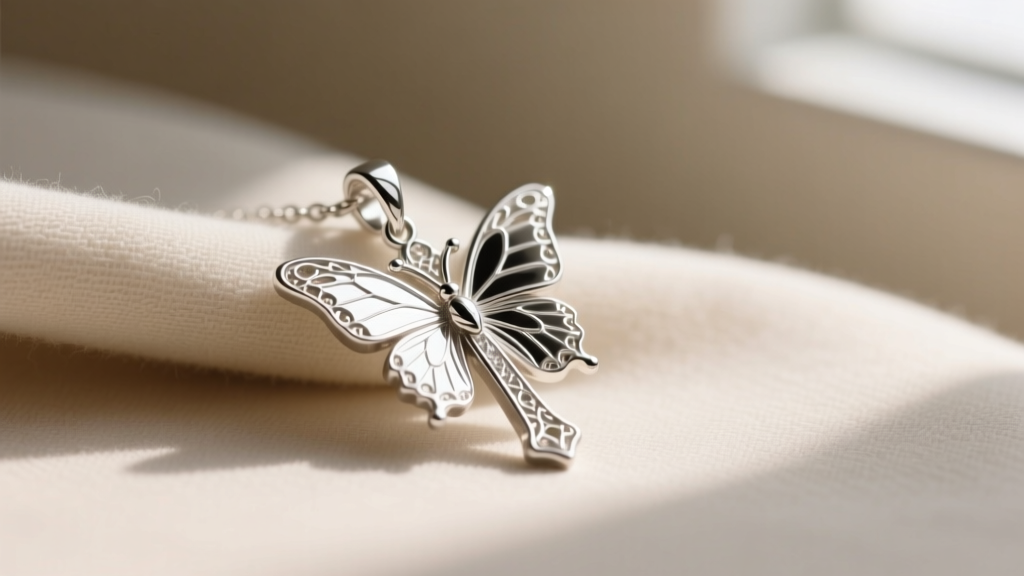
Because the butterfly cross motif features deep crevices where the wings meet the crossbar, these pieces are highly susceptible to trapping moisture, lotions, and dead skin cells, which accelerates oxidation and tarnishing. Understanding your metal grade is critical for long-term maintenance.
Decoding the Metals
Many affordable pieces on the market are labeled as 'gold plated,' but for a high-friction area like the neckline, you must look for 14k Gold Vermeil. As outlined by the Jewelers of America, true vermeil requires a base of 925 sterling silver coated with a minimum of 2.5 microns of gold. Standard gold plating is often less than 0.5 microns thick and will wear away, exposing the base brass or copper to sweat, which causes rapid green discoloration.
For a more durable, budget-friendly alternative, look for 316L Surgical Stainless Steel with PVD (Physical Vapor Deposition) coating. PVD bonds the gold color at a molecular level in a vacuum chamber, making it highly resistant to sweat and perfume. The Gemological Institute of America (GIA) frequently notes that modern PVD treatments on steel outlast traditional electroplating by a factor of ten.
The Baking Soda and Foil Cleaning Method
If your 925 sterling silver butterfly cross has developed black silver sulfide tarnish in the wing crevices, avoid harsh liquid dips that strip the metal's natural patina. Instead, line a glass bowl with aluminum foil (shiny side up), place the necklace inside, and add a tablespoon of baking soda. Pour boiling water over the piece. The electrochemical reaction will transfer the sulfur from the silver to the aluminum foil in under three minutes, leaving your intricate pendant perfectly clean without the need for abrasive brushing.
Step 5: Occasion-Based Styling Framework
The true brilliance of the butterfly cross necklace lies in its chameleon-like ability to adapt to different environments. Here is how to transition the piece from day to night.
Daywear: The Soft Grunge Approach
For daytime errands, casual office environments, or weekend outings, lean into the 'soft grunge' aesthetic. Pair a matte-finished or oxidized silver butterfly cross with a faded vintage graphic tee and an oversized flannel. Let the necklace sit at a 20-inch drop, layering it with a simple 18-inch black leather cord. The contrast between the delicate metalwork and the rough, casual fabrics creates an effortlessly cool, lived-in vibe.
Nightwear: Elevated Elegance
When transitioning to evening wear, swap the leather and oxidized metals for high-polish gold vermeil or diamond-accented pieces. Wear the butterfly cross at a 16-inch length against a black silk slip dress or a sharp, tailored blazer with a deep plunge. To elevate the look, add small, complementary butterfly stud earrings and a minimalist signet ring. The key to evening styling is isolation; let the intricate cross pendant be the sole focal point of your neckline, allowing the light to catch the faceted edges of the wings in dim, ambient lighting.
By respecting the mechanics of chain layering, understanding the metallurgy of your jewelry, and strategically matching your pendant to your wardrobe's architecture, your butterfly cross necklace will remain a powerful, expressive cornerstone of your jewelry collection for years to come.


