How to Style and Care for a Triple Strand Pearl Necklace
Master the art of wearing a triple strand pearl necklace. Learn step-by-step styling, safe untangling hacks, and expert restringing tips.

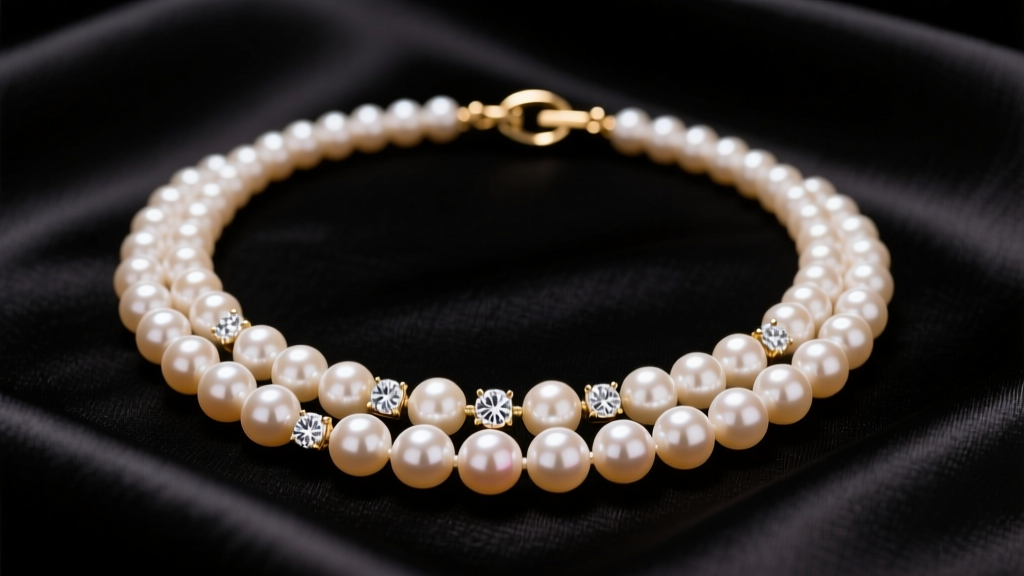
A triple strand pearl necklace is the undisputed heavyweight champion of classic jewelry. It projects authority, elegance, and a deep appreciation for heritage craftsmanship. However, owning a multi-strand piece in 2026 comes with unique logistical challenges. From the physics of friction-induced tangling to the precise geometry required for modern neckline pairings, a multi-strand pearl piece demands more than just a casual drape over a t-shirt.
This comprehensive, step-by-step guide will walk you through the anatomy of these magnificent jewels, how to style them for contemporary silhouettes, and the exact maintenance protocols required to protect your investment.
The Anatomy of a Triple Strand Pearl Necklace
Before attempting to style or clean your jewelry, you must understand its structural engineering. A high-quality triple strand pearl necklace is not merely three separate necklaces hooked onto a single clasp. It is a unified architectural piece.
- Graduated Strand Lengths: To lay flat against the collarbone without choking the wearer, the strands must be graduated. A standard configuration features a 16-inch choker strand, an 18-inch princess strand, and a 20-inch matinee strand.
- Spacer Bars: This is the most critical, yet overlooked, component. Spacer bars (usually crafted from 14k gold or platinum) are placed at 2-inch intervals along the back of the neck and near the clasp. They prevent the silk threads from twisting and stop the pearls from rubbing against one another, which causes nacre degradation.
- The Clasp Mechanism: Multi-strand necklaces require a tongue-box clasp with dual figure-8 safety latches. Because the piece can easily weigh over 80 grams, a standard spring-ring or lobster clasp will inevitably fail under the tensile stress.
Step-by-Step Guide to Styling Modern Necklines
The most common mistake wearers make is treating a multi-strand piece like a single pendant. Because the necklace occupies a massive amount of visual real estate (often covering a 4-inch vertical drop on the chest), your clothing must act as a framing device, not a competitor.
| Neckline Type | Strand Drop Required | Styling Verdict | Best Fabric Pairing |
|---|---|---|---|
| Deep V-Neck | 16" / 18" / 20" | Excellent. The V-shape mirrors the graduated drape of the pearls. | Silk crepe, fine merino wool |
| Boatneck (Bateau) | 18" / 20" / 22" | Poor. The horizontal line of the shirt clashes with the curved pearls. | N/A - Avoid if possible |
| Sweetheart | 15" / 16" / 17" | Good, but requires shorter, choker-style strands to avoid overlapping the bodice seam. | Structured satin, velvet |
| Scoop Neck | 16" / 18" / 20" | Perfect. The rounded neckline cradles the outer 20-inch strand seamlessly. | Cashmere, cotton blends |

Step 1: Secure the Garment First
Always put on your clothing, apply your makeup, and spray your perfume before touching your pearls. The alcohol in perfumes and the oils in cosmetics can dissolve the calcium carbonate structure of the nacre over time. Wait at least 15 minutes after applying cosmetics before clasping the necklace.
Step 2: The Clasp Alignment Technique
Because of the weight, attempting to fasten a triple strand clasp at the nape of your neck blindly often results in twisted strands. Drape the necklace over your hand, ensure all three strands are hanging parallel and untwisted, and bring the clasp to the front of your neck to fasten it. Once secured, rotate the entire necklace 180 degrees so the clasp rests at the nape.
How to Safely Untangle Multi-Strand Pearls
If you have ever pulled a triple strand pearl necklace out of a jewelry box only to find a chaotic bird's nest, you are not alone. Friction and static electricity cause the silk threads to braid themselves together. Never pull the strands apart by force. Tension will stretch the silk thread, permanently ruining the drape and increasing the risk of a catastrophic snap.
Follow this jeweler-approved untangling protocol:
- Prepare a Non-Porous Surface: Lay the necklace flat on a glass or marble table. Avoid fabric surfaces like beds or carpets, as the microscopic fibers will catch on the pearl drill holes and exacerbate the tangle.
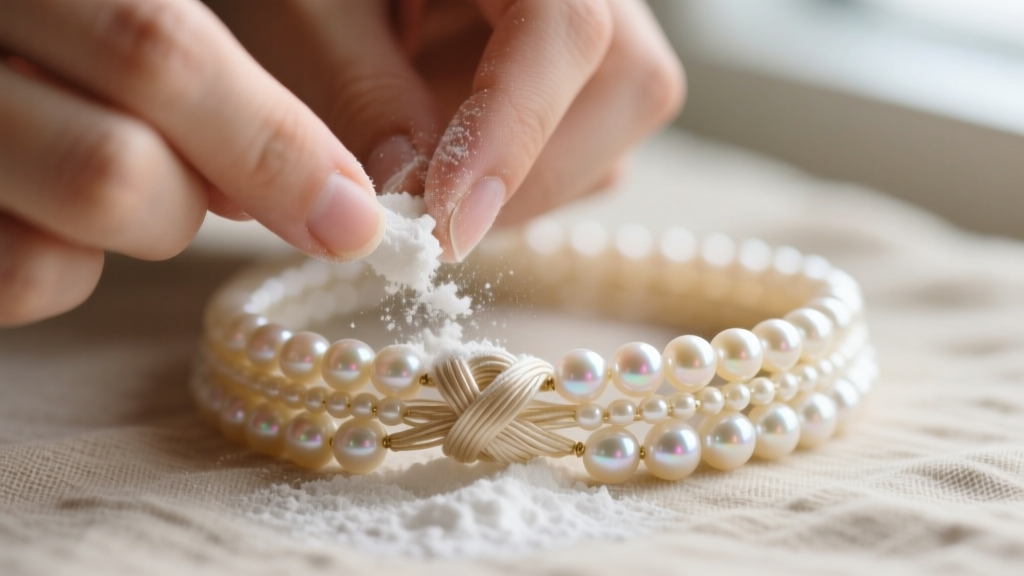
- Apply a Dry Lubricant: Generously dust the tangled knot with unscented talcum powder or pure cornstarch. This eliminates the friction between the silk threads and the nacre. Note: Never use oil or water, as moisture will cause the silk to swell and the knot to tighten.
- Use Precision Tools: Take two sewing needles or straight pins. Insert the tips into the center of the knot and gently wiggle them in opposite directions to create slack. Work from the outside of the knot inward.
- Remove the Residue: Once untangled, use a clean, dry makeup brush to sweep away the cornstarch. Follow up by gently wiping each pearl with a damp microfiber cloth to restore the luster.
Maintenance, Storage, and Restringing Intervals
Owning a multi-strand pearl piece is a commitment to ongoing maintenance. According to the Gemological Institute of America (GIA), pearls are highly sensitive to environmental factors, ranking only 2.5 to 3.0 on the Mohs hardness scale. This means they can be scratched by simply rolling them against harder gemstones in a shared jewelry box.
The 1-Millimeter Rule for Restringing
Triple strand necklaces are typically knotted with Size F or Size G pure silk thread. Over time, the oils from your skin and the natural weight of the pearls cause the silk to stretch. You must inspect the knots annually. If you can slide a pearl more than 1 millimeter along the thread, or if you see visible fraying near the clasp's French wire, the necklace requires immediate restringing.
Cost Expectations for 2026: Professional jewelers charge by the inch, per strand. Expect to pay between $4.00 and $8.00 per inch. For an 18-inch triple strand necklace (54 total inches of thread), a complete restringing job with new silk and French wire will typically cost between $215 and $430. While expensive, this is a fraction of the cost of replacing a strand of high-grade Akoya or South Sea pearls that snaps and scatters across a hard floor.
Proper Storage Protocols
The Victoria and Albert Museum (V&A) recommends storing organic gemstones in environments that allow them to 'breathe.' Never store your triple strand necklace in an airtight plastic bag or a safety deposit box for extended periods; the lack of ambient humidity will cause the nacre to craze and crack. Store the piece flat in a lined wooden box, utilizing the original spacer bars to keep the strands separated.
"A triple strand pearl necklace is not merely an accessory; it is an heirloom in transit. Treat the silk thread with the same respect you give the nacre, and the piece will easily outlive you." — Master Jeweler & Conservator
Final Thoughts on Multi-Strand Elegance
Mastering the triple strand pearl necklace requires a shift in perspective. By understanding the mechanical necessity of spacer bars, mapping your necklines to the graduated drops, and adhering to strict, friction-free untangling methods, you elevate the piece from a dusty antique to a modern power statement. Treat the silk with care, respect the weight of the clasp, and your pearls will maintain their orient and luster for generations to come.


