How to Style, Clean, and Authenticate a Kate Spade Heart Necklace
Learn how to authenticate, clean, and layer your Kate Spade heart necklace. Expert tips on enamel care, brass maintenance, and styling.

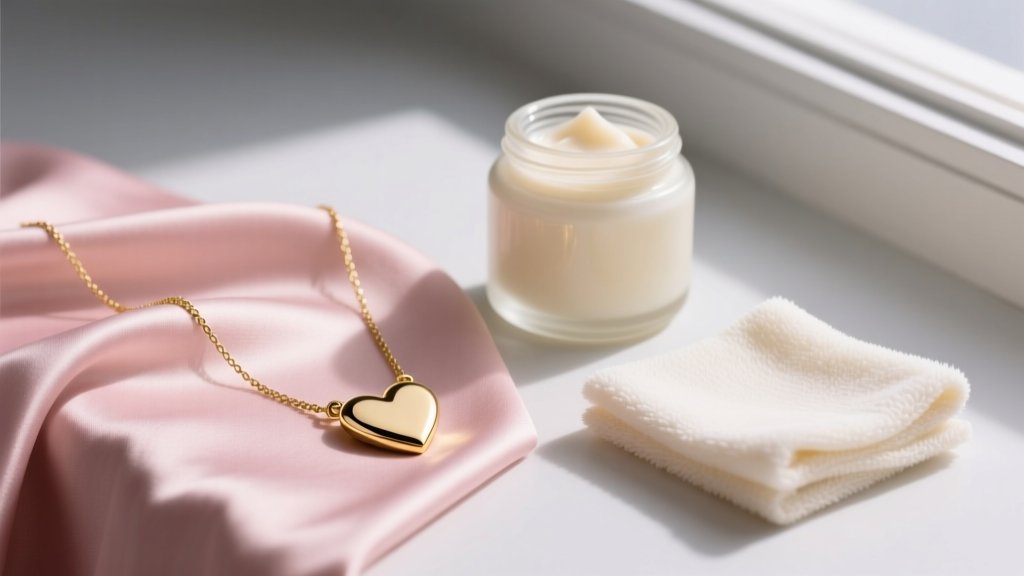
The Enduring Allure of the Kate Spade Heart Necklace
The Kate Spade heart necklace—often featuring the brand's iconic spade motif or a literal heart silhouette—remains a staple in contemporary jewelry wardrobes. Known for its playful yet sophisticated aesthetic, this piece typically features a brass core plated in 12k or 14k gold, accented with vibrant champlevé or cloisonné enamel. However, owning this piece is only the first step. To truly maximize its lifespan and visual impact, you must understand the metallurgy of gold-plated brass, the fragility of glass-based enamel, and the geometry of layered styling.
This comprehensive, step-by-step guide will walk you through authenticating your piece, executing a safe cleaning protocol that prevents enamel micro-fractures, and mastering the art of the layered neckline.
Step 1: Authenticating Your Kate Spade Heart Necklace
The secondary market for designer jewelry is saturated with high-quality counterfeits. Authenticating a Kate Spade heart necklace requires examining the hardware, the metal weight, and the precision of the enamel work.
Hallmarks, Engravings, and Hardware
Genuine Kate Spade necklaces feature specific branding markers. Look for the kate spade new york engraving on the flat hangtag attached near the lobster clasp. The font should be crisp, lowercase, and evenly spaced. Counterfeit tags often feature blurred stamping or an incorrect serif font. Additionally, inspect the back of the pendant. Authentic pieces often bear a subtly engraved spade logo or a tiny trademark symbol that is cleanly milled into the brass, not merely painted on.
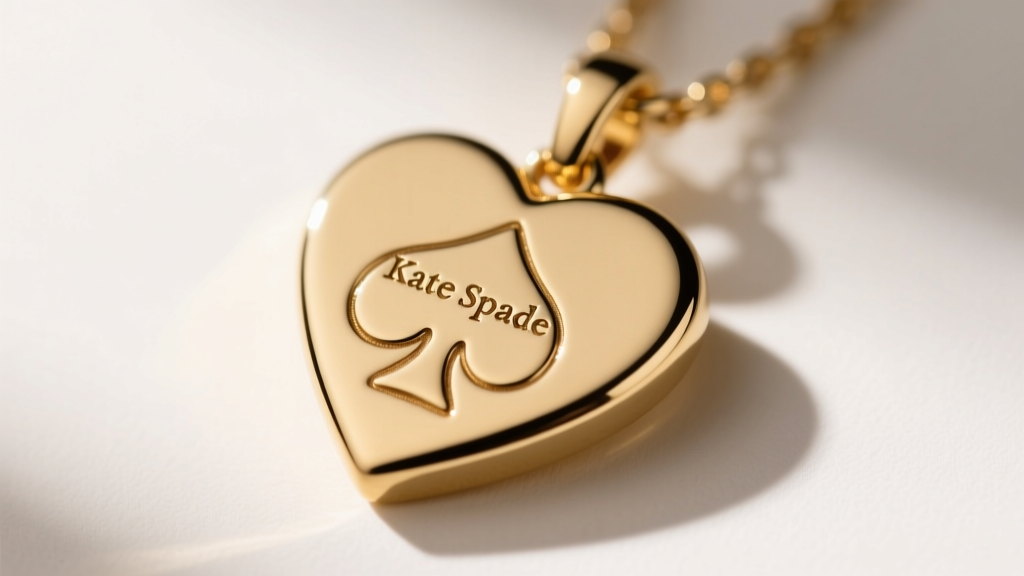
Material Weight and Enamel Precision
Kate Spade utilizes solid brass as a base metal for its fashion jewelry. Brass has a specific gravity of roughly 8.5, making it noticeably heavier than the hollow zinc alloys used in fakes. When you hold an authentic pendant, it should have a substantial, premium drop weight. Furthermore, examine the enamel borders. Authentic pieces use metal cloisons (tiny brass walls) to separate enamel colors. Fakes often use painted resin that bleeds over the gold-toned borders, lacking the sharp, flush finish of genuine vitreous or cold enamel.
Step 2: Step-by-Step Cleaning Guide for Enamel and Plated Brass
Cleaning gold-plated brass with enamel inlays requires a delicate touch. The gold plating is typically only 0.5 to 1.0 microns thick, and the enamel is essentially fused glass, which can shatter under ultrasonic vibrations or harsh chemicals.
Materials Required
- pH-neutral liquid dish soap (e.g., Dawn)
- Lukewarm distilled water
- Ultra-soft microfiber cloth
- Baby toothbrush (extra-soft bristles)
The Cleaning Protocol
- Prepare the Solution: Mix two drops of pH-neutral dish soap into a bowl of lukewarm distilled water. Avoid hot water, as extreme temperature shifts can cause the enamel to crack or separate from the brass base.
- Gentle Agitation: Dip the baby toothbrush into the solution and gently tap it against the chain links to dislodge sebum and lotion buildup. Do not scrub the enamel directly with the brush.
- Wipe the Pendant: Use the damp microfiber cloth to gently wipe the face and back of the heart pendant. According to the Gemological Institute of America (GIA), gentle wiping with a soft cloth is the safest method for maintaining polished metals and delicate inlays.
- Rinse and Dry: Quickly rinse the necklace under a light stream of cool distilled water. Immediately pat it completely dry with a fresh microfiber cloth. Air-drying can leave water spots on the gold plating.
Critical Warning: Never place an enameled Kate Spade necklace in an ultrasonic cleaner. The high-frequency sound waves create microscopic cavitation bubbles that will instantly fracture and cloud the enamel inlay.
Step 3: Mastering the Layering Technique
The Kate Spade heart pendant typically hangs on a 16-inch to 18-inch adjustable cable chain. To create a modern, curated stack, you must vary the chain weaves and lengths to prevent tangling and visual clutter.
Layering Lengths and Chain Types
| Position | Length | Chain Style | Visual Weight |
|---|---|---|---|
| Top (Choker) | 14 inches | Delicate Rope Chain | Light (1-2mm width) |
| Middle (Focal) | 16-18 inches | Standard Cable Chain (Kate Spade) | Heavy (Heart Pendant) |
| Bottom (Anchor) | 20-22 inches | Satellite or Beaded Chain | Medium (Textured links) |
By alternating the chain textures—such as pairing the smooth cable chain of the Kate Spade necklace with a twisted rope chain and a beaded satellite chain—you reduce the friction that causes metal links to knot together. The Jewelers of America notes that varying chain weaves in a stack significantly reduces the mechanical wear and tear on individual links.

Step 4: Matching Necklines to the Spade Motif
The geometry of the heart or spade pendant dictates how it interacts with your clothing. The goal is to frame the pendant without letting it compete with the garment's structure.
The V-Neck and Scoop Neck
A V-neckline naturally mirrors the inverted triangle shape of a heart pendant. Adjust the Kate Spade chain to 16 inches so the pendant rests exactly one inch below the apex of the V-neck. This creates a continuous, elongating vertical line. For scoop necks, a slightly longer 18-inch drop allows the pendant to rest against the skin rather than tangling in the fabric hem.
The Button-Down Collar
When wearing a crisp button-down shirt, leave the top two buttons undone. Let the heart pendant sit inside the exposed triangle of skin. The contrast between the structured cotton collar and the playful, colorful enamel of the pendant creates a sophisticated, office-appropriate look that balances professionalism with personal style.
Step 5: Troubleshooting Common Wear Issues
Even with meticulous care, fashion jewelry encounters real-world wear. Here is how to troubleshoot the most common issues associated with gold-plated brass pieces.
Preventing Brass Oxidation (Green Skin)
Brass contains copper, which can react with the acids and salts in your sweat, leaving a harmless but unsightly green tint on your skin. To prevent this without damaging the necklace, apply a thin coat of clear, non-yellowing nail polish to the back of the pendant and the inside of the clasp. This creates an invisible barrier between the copper alloy and your skin. Reapply every few months as the polish wears away.
Fixing a Stiff Lobster Clasp
The small lobster clasps on designer necklaces can become stiff over time due to microscopic debris or lotion buildup in the spring mechanism. Do not use WD-40 or harsh lubricants, which will strip the gold plating. Instead, use a mechanical pencil to deposit a tiny amount of graphite powder into the clasp hinge, or apply a micro-drop of mineral oil using a toothpick. Work the clasp open and closed a few times to distribute the lubricant, then wipe away any excess with a dry cloth.
Conclusion
A Kate Spade heart necklace is more than just a trendy accessory; it is a carefully constructed piece of mixed-media jewelry that requires specific, informed care. By understanding the material science of gold-plated brass, adhering to strict, non-abrasive cleaning protocols, and applying geometric principles to your layering strategy, you ensure that your pendant remains a vibrant, flawless focal point in your wardrobe for years to come.


