How to Choose, Style, and Clean a Single Pearl Silver Necklace
Learn how to select, style, and properly clean a single pearl silver necklace. Expert tips on silver grades, pearl luster, and chain gauges.

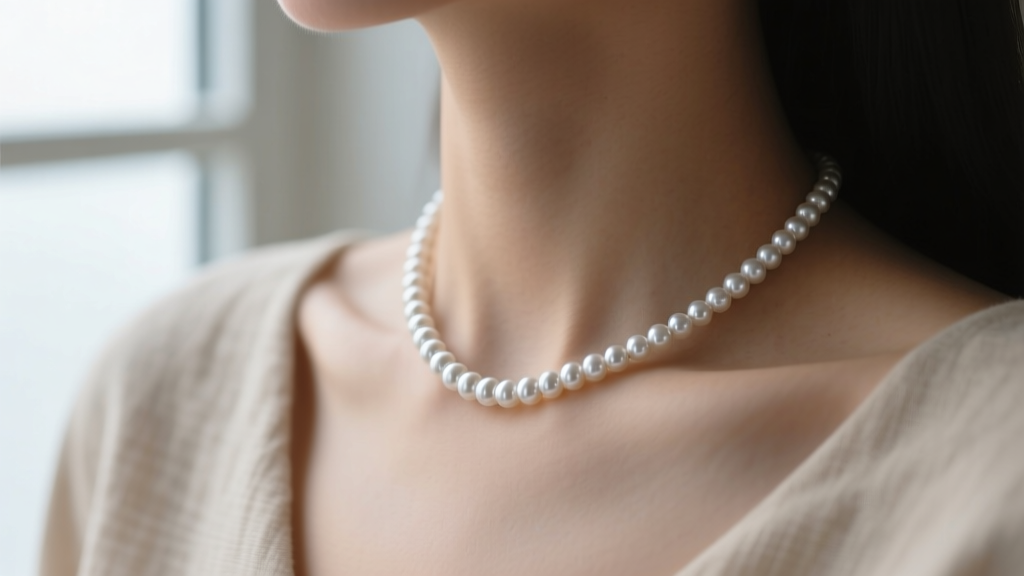
A single pearl silver necklace is a masterclass in minimalist elegance. Stripping away the noise of heavy gemstones and complex layering, this solitary piece relies entirely on the quality of its materials and the precision of its styling. Whether you are investing in your first fine jewelry staple or looking to refine your everyday aesthetic, understanding the nuances of pearl grading, silver metallurgy, and proper maintenance is essential. In this comprehensive guide, we break down exactly how to choose, style, and care for your jewelry to ensure it remains a timeless fixture in your collection.
Step 1: Selecting the Ideal Pearl and Silver Grade
The foundation of any exceptional single pearl silver necklace lies in its raw materials. Not all pearls possess the same luster, and not all silver alloys resist tarnish equally. When evaluating a piece, you must look beyond the surface and examine the specific grades and treatments applied.
Pearl Types: Freshwater vs. Akoya
For a classic, perfectly round pendant, you will typically choose between AAA-grade Freshwater pearls and AA+ or AAA-grade Akoya pearls. Freshwater pearls are composed of solid nacre, making them incredibly durable and resistant to chipping. However, Akoya pearls are bead-nucleated, yielding a sharper, more mirror-like luster that is highly prized in fine jewelry. According to the Gemological Institute of America (GIA), a high-quality Akoya pearl should have a nacre thickness of at least 0.4mm to ensure longevity and prevent peeling.
| Feature | AAA Freshwater Pearl | AA+ Akoya Pearl |
|---|---|---|
| Nacre Structure | Solid nacre throughout | 0.4mm+ nacre over a mother-of-pearl bead |
| Luster Quality | Soft, satiny glow | Sharp, mirror-like reflection |
| Shape Consistency | Near-round to perfectly round | Perfectly round |
| Price Range (8-9mm) | $80 - $250 | $300 - $800+ |
Silver Alloys: 925 Sterling vs. Argentium
Standard 925 sterling silver contains 7.5% copper, which is the primary culprit behind oxidation and tarnish. For a low-maintenance single pearl silver necklace, seek out Argentium silver (935 or 960 grade). Argentium replaces a portion of the copper with germanium, creating a highly tarnish-resistant alloy that stays brilliantly white for years without requiring rhodium plating.
Step 2: Matching Chain Gauges and Bail Hardware
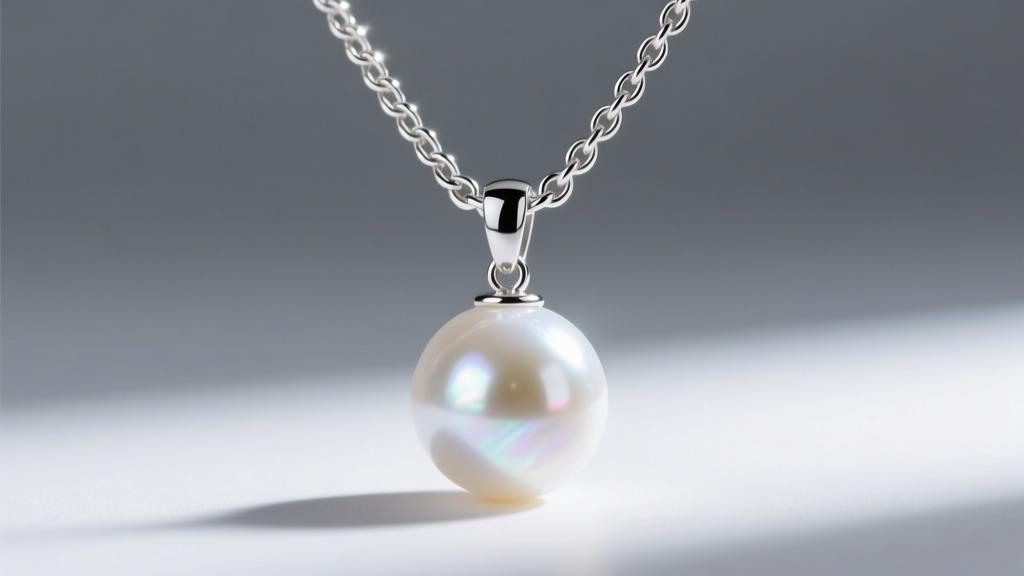
The chain and the bail (the loop connecting the pearl to the chain) dictate both the durability and the visual weight of the necklace. A common failure mode in delicate jewelry is pairing a heavy pearl with a micro-thin chain, leading to inevitable snapping.
Optimal Chain Gauges
- 0.8mm to 1.0mm Box or Cable Chain: Ideal for petite pearls (6mm - 7.5mm). These chains offer a delicate, barely-there aesthetic while maintaining enough structural integrity to hold a lightweight pendant.
- 1.2mm to 1.5mm Rope or Wheat Chain: Best for larger, heavier pearls (8mm - 10mm). The interlocking links of a wheat chain distribute weight evenly, preventing the chain from kinking or stretching over time.
Bail Selection and Adhesives
Pearl pendants are typically mounted on a peg using a specialized jeweler's epoxy. Avoid necklaces where the pearl is simply glued flat against a pad, as the sheer force of gravity will eventually break the bond. Look for a 'rabbit ear' bail or a tube bail that features a deep, textured peg inserted directly into the pearl's drill hole. If a pearl ever becomes loose, never use cyanoacrylate (super glue); it dries brittle, clouds the nacre, and makes professional repair nearly impossible. Instead, use a two-part jeweler's epoxy like G-S Hypo Cement.
Step 3: Styling for Necklines and Occasions
The versatility of a single pearl silver necklace is unlocked by choosing the correct length for your wardrobe. The standard lengths serve distinctly different framing purposes for the face and décolletage.
- Choker (14 to 16 inches): Sits snugly at the base of the neck. This length is perfect for boatnecks, off-the-shoulder tops, and deep V-necks, drawing the eye horizontally and elongating the neck.
- Princess (17 to 19 inches): The most universal length, resting just below the collarbone. It pairs flawlessly with crew necks, scoop necks, and button-down shirts left slightly unbuttoned.
- Matinee (20 to 24 inches): Falls at the top of the bust. This is the ideal choice for high-necked blouses, turtlenecks, and professional business attire, providing a vertical line that breaks up heavy fabrics.
For a modern 2026 aesthetic, embrace the 'quiet luxury' trend by wearing a single, high-luster 8mm Akoya pearl on an 18-inch Argentium silver chain over a crisp, oversized white poplin shirt. The contrast between the structured fabric and the organic gemstone creates a striking, intentional look.
Step 4: Safe Cleaning and Storage Protocols
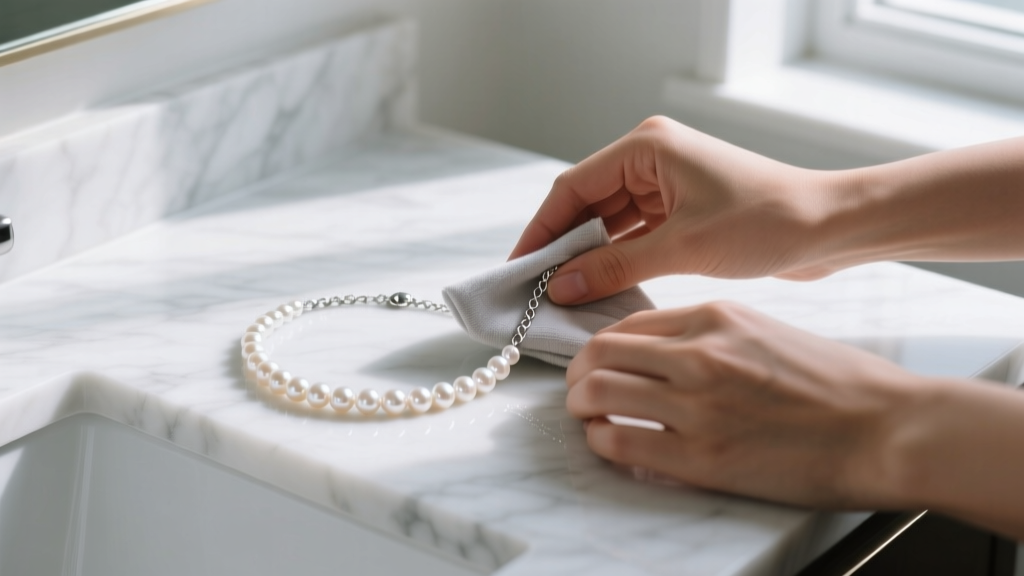
Pearls are organic gemstones with a Mohs hardness of just 2.5 to 3.0, making them exceptionally vulnerable to scratches and chemical erosion. Silver, while harder, is prone to sulfur-induced tarnish. Cleaning a single pearl silver necklace requires a bifurcated approach that protects both materials.
The Step-by-Step Cleaning Routine
- Prepare a Mild Solution: Mix a few drops of phosphate-free, unscented dish soap into a bowl of distilled water. Avoid tap water, as chlorine and heavy minerals can damage the pearl's nacre.
- Clean the Silver Chain: Dip a soft, lint-free microfiber cloth into the solution and wring it out until it is barely damp. Gently run the cloth along the silver chain. Never submerge the necklace in water.
- Wipe the Pearl: Use a separate, dry microfiber cloth to gently buff the pearl. If the pearl has accumulated skin oils, lightly dampen the cloth with the soapy water, wipe the pearl, and immediately dry it.
- Air Dry Completely: Lay the necklace flat on a clean towel. Ensure the silk or nylon thread inside the drill hole is 100% dry before storing to prevent internal mildew.
Critical Warning: Never use ultrasonic cleaners, steam cleaners, or commercial silver dip solutions on a pearl necklace. The high-frequency vibrations will shatter the nacre, and the harsh acids in silver dips will permanently etch the pearl's surface.
Troubleshooting Tarnish and Wear
Even with meticulous care, environmental factors can take a toll. Here is how to address the most common issues without causing collateral damage to your jewelry.
Removing Stubborn Silver Tarnish
If your sterling silver chain has developed heavy, blackened oxidation, a polishing cloth impregnated with jeweler's rouge is your safest option. Carefully thread the chain through the cloth, keeping the polishing agent at least two inches away from the pearl. The chemicals in polishing cloths can leave a greasy, irremovable film on porous nacre.
Addressing a Loose Pearl Setting
If you notice the pearl twisting independently of the bail or see a visible gap of dried adhesive at the base, stop wearing the necklace immediately. The drill hole may have widened due to friction. A professional jeweler can clean out the old epoxy, insert a tiny piece of silver wire into the hole to create a tighter friction fit, and re-set the pearl with fresh, archival-grade epoxy.
Proper Storage Mechanics
According to Jewelers of America, silver should be stored in anti-tarnish bags to limit sulfur exposure. However, pearls require moisture to prevent cracking. Store your single pearl silver necklace in a soft cotton pouch (never plastic, which traps gases and accelerates tarnish), and place a slightly damp cotton ball in the corner of the jewelry box—not touching the metal or the pearl—to maintain ambient humidity. Always store the necklace flat or hung; coiling it tightly can permanently kink delicate box chains and stretch the internal threading.
By respecting the organic nature of the pearl and the metallurgical properties of silver, your single pearl silver necklace will transcend fleeting trends, remaining a luminous and reliable anchor in your jewelry wardrobe for decades to come.


