How to Style a Death Row Necklace: The Ultimate Guide
Learn how to style a death row necklace with our step-by-step guide. Discover material grades, layering techniques, and neckline pairings for bold pendants.


The death row necklace has evolved far beyond its shock-value origins. In 2026, this bold, industrial, and often macabre statement piece is a cornerstone of the neo-industrial and dark avant-garde wardrobe. Characterized by heavy shackle motifs, barbed wire accents, oxidized metals, and brutalist chain links, the death row necklace demands attention. However, wearing such a commanding piece requires a strategic approach to balance, proportion, and material care.
Whether you are rocking a heavy 316L surgical steel prison-link chain or an intricately cast 925 sterling silver electric chair pendant, this step-by-step guide will teach you how to style, layer, and maintain your death row jewelry like a seasoned industry expert.
Decoding the Anatomy of a Death Row Necklace
Before diving into styling, it is crucial to understand the material composition of your piece. The death row aesthetic relies heavily on dark, distressed, and heavyweight metals. The two most common materials used in high-quality pieces are:
- 316L Surgical Stainless Steel: The gold standard for affordable, heavy industrial jewelry. It is highly resistant to tarnish, hypoallergenic, and can support massive pendant weights without warping. It is often treated with a PVD (Physical Vapor Deposition) black coating to achieve that signature grim aesthetic.
- 925 Sterling Silver with Liver of Sulfur Oxidation: For luxury iterations, jewelers use sterling silver and apply liver of sulfur to create a deep, blackened patina. This intentional tarnish highlights the intricate crevices of skull, shackle, or chain-link motifs. According to the Silver Institute, this chemical oxidation is permanent unless polished away, making it ideal for dark jewelry.
Expert Insight: Avoid cheap zinc alloys or brass plated in black paint. These materials will chip within weeks, exposing bright brass underneath and ruining the death row illusion while potentially causing contact dermatitis.
Step 1: Selecting the Correct Chain Gauge for Heavy Pendants
The most common failure mode when wearing heavy gothic or industrial pendants is chain breakage. A death row pendant—often cast in solid metal—can easily weigh between 30 and 80 grams. If you hang a 50-gram shackle pendant on a delicate 1.5mm chain, the links will stretch, warp, and eventually snap at the soldering points.
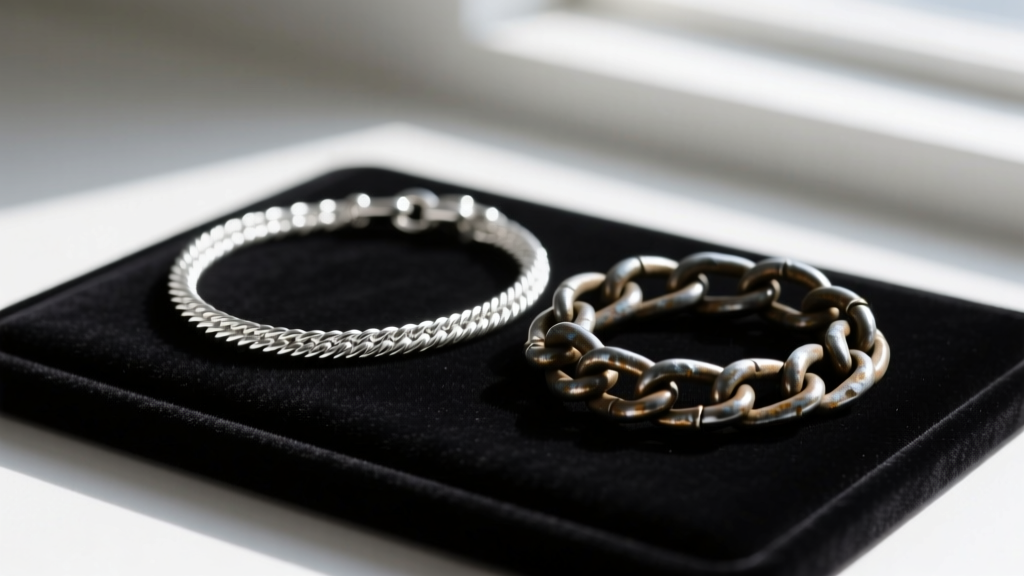
Use the following gauge-to-weight ratio chart to ensure your chain can safely support your pendant:
| Chain Gauge (Thickness) | Chain Style | Maximum Pendant Weight | Best For |
|---|---|---|---|
| 2.0mm - 3.0mm | Rope or Box Chain | Up to 20g | Small barbed wire or razor blade pendants |
| 4.0mm - 5.0mm | Curb or Figaro Chain | 20g - 45g | Standard shackles, padlocks, and iron crosses |
| 6.0mm - 8.0mm+ | Heavy Cuban or Rope | 45g - 100g+ | Oversized brutalist links, heavy skull motifs |
Step 2: Mastering the Neo-Industrial Layering Technique
Wearing a single heavy chain can sometimes look unbalanced. In 2026, the prevailing trend in alternative fashion is asymmetric, textured layering. Here is a step-by-step framework for layering your death row necklace without creating a tangled, cluttered mess.
The 3-Tier Dark Layering Framework
- The Base Layer (14-16 inches): Start with a delicate, contrasting texture. A 2mm black leather cord or a slim, oxidized silver choker sits close to the collarbone. This frames the face and provides a visual anchor.
- The Statement Layer (20-22 inches): This is where your primary death row necklace sits. A 5mm curb chain featuring a heavy shackle or prison-bar pendant should rest right at the sternum. Ensure the clasp is a secure lobster claw or a heavy-duty spring ring.
- The Outer Layer (26-30 inches): Finish with an unadorned, lightweight ball chain or a thin rope chain that falls over the stomach. This adds verticality and draws the eye downward, elongating the torso.
Pro Tip: To prevent metal-on-metal friction (which wears down the oxidized patina and causes micro-scratches), use silicone jewelry spacers or ensure there is at least a 4-inch length difference between each layer.
Step 3: Matching Necklines to Macabre Statement Pieces
The death row necklace is inherently aggressive and visually heavy. Pairing it with the wrong neckline can make your outfit look costumey rather than curated. Here is how to integrate it into your daily wardrobe:
- The Crewneck Tee: A classic white or faded black crewneck provides a blank canvas. Let a 6mm oxidized steel chain rest outside the collar. The contrast between the casual cotton and the brutalist metal creates a high-fashion grunge look.
- The Turtleneck: In colder months, a black ribbed turtleneck is the ultimate backdrop for a long (24-inch) death row pendant. The dark fabric absorbs light, allowing the metallic highlights of the distressed silver or steel to pop dramatically.
- The Open Collar / V-Neck: If wearing a button-down or V-neck, keep the necklace tucked inside the shirt, resting against the skin. This offers a subtle, rebellious peek of the chain when you move, maintaining an air of mystery.
Step 4: Preserving the Oxidized Patina (Maintenance Guide)
The defining feature of a luxury death row necklace is its dark, grimy, oxidized finish. Many owners accidentally ruin this finish by using standard silver polishing cloths or chemical silver dips, which strip away the intentional blackening agent (liver of sulfur) and leave the piece looking bright, shiny, and cheap.
How to Clean Without Stripping the Patina
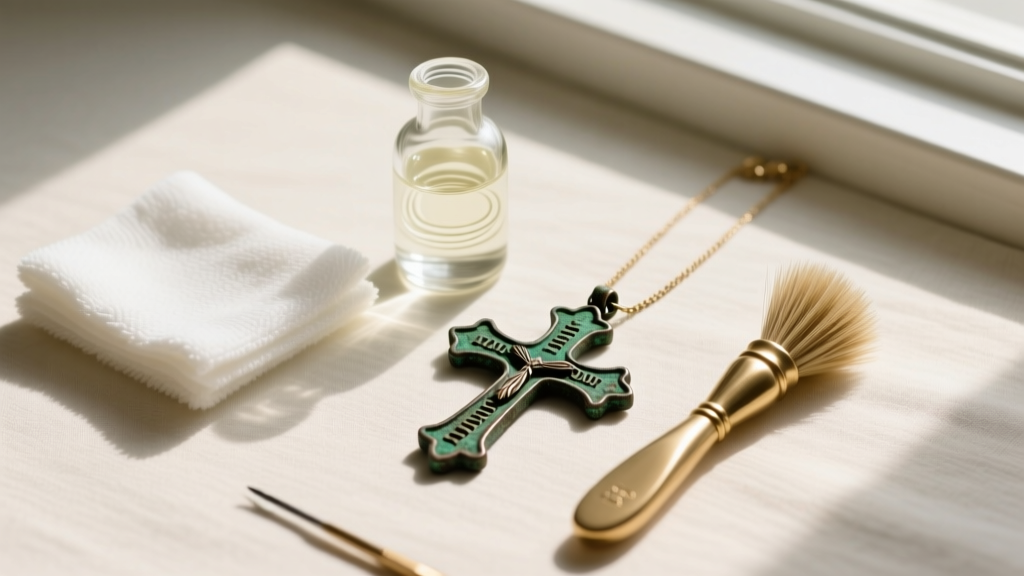
- Dry Brushing: Use a clean, dry, soft-bristled toothbrush or a specialized jewelry detailing brush to gently sweep away dead skin cells, dust, and lint from the deep crevices of the pendant.
- Mild Soap Wash: If the piece has accumulated body oils, mix a few drops of mild, phosphate-free dish soap in lukewarm water. Submerge the necklace for no more than 60 seconds.
- Targeted Polishing: Take a microfiber cloth and gently rub only the raised, high-friction areas of the pendant. This creates a two-tone effect—bright silver on the high points and deep black in the recesses—which is the hallmark of expertly finished gothic jewelry.
- Avoid Ultrasonic Cleaners: As noted by gemological and jewelry care experts at Blue Nile, ultrasonic cleaners use high-frequency vibrations that can loosen the chemical bonds of applied oxidization and damage porous stones often found in gothic pieces, like onyx or turquoise.
Final Thoughts on Wearing Industrial Jewelry
Styling a death row necklace is an exercise in controlled rebellion. By understanding the metallurgy of your piece, respecting the physics of chain gauges, and employing strategic layering techniques, you can elevate this heavy hardware from a mere accessory to a masterclass in personal styling. Whether you are leaning into the dark academia aesthetic or the rugged neo-industrial look, the right chain and pendant combination will ensure your jewelry speaks volumes before you even say a word.


