How to Style a Korea Necklace: A Beginner's Guide
Discover how to style a Korea necklace with our beginner-friendly guide. Learn layering rules, material grades, and K-fashion lengths for any neckline.

What Defines a Korea Necklace in Modern K-Fashion?
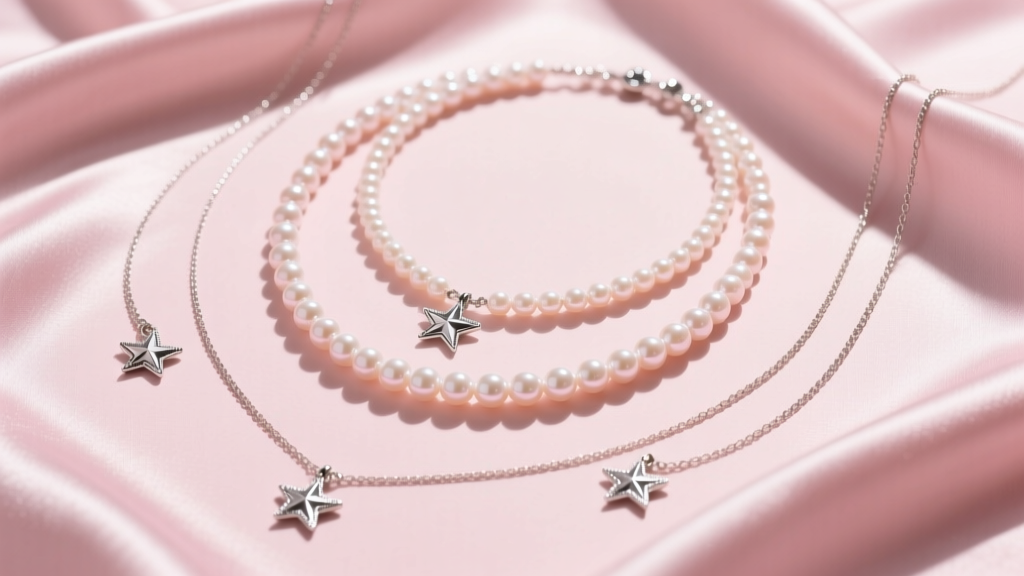
If you have spent any time browsing K-drama fashion breakdowns or Seoul street style lookbooks, you have likely noticed a distinct approach to jewelry. The term 'korea necklace' does not refer to a single, specific pendant or chain. Instead, it describes a highly curated styling ethos that dominates contemporary Korean fashion. This aesthetic is characterized by ultra-delicate chains, mixed-media elements (like pairing freshwater pearls with metallic stars or bows), and a masterful approach to micro-layering.
Unlike the heavy, maximalist chain trends popular in Western streetwear, a korea necklace setup relies on subtlety, negative space, and precise proportions. The goal is to create a look that feels effortlessly romantic and slightly nostalgic, often pulling from Y2K motifs but refining them with high-quality metals and minimalist silhouettes. For beginners, diving into this trend can feel overwhelming due to the sheer number of layering combinations available. However, by understanding the foundational rules of K-fashion jewelry, you can easily build a versatile collection that elevates your everyday wardrobe.
Metallurgy and Material Grades: What to Buy
The biggest point of failure for beginners buying K-fashion jewelry online is ignoring the base metal and plating thickness. Many fast-fashion pieces use cheap brass alloys that oxidize quickly, turning your skin green and causing the plating to flake off at high-friction areas like the clasp. When investing in a korea necklace, you must look for specific material grades to ensure longevity and skin safety.
| Material Grade | Base Metal | Plating / Finish | Price Range (USD) | Tarnish & Allergy Risk |
|---|---|---|---|---|
| Fashion Brass | Copper/Zinc Alloy | Flash Plating (<0.5 microns) | $10 - $25 | High (Turns skin green, high allergy risk) |
| Rhodium-Plated Brass | Copper/Zinc Alloy | Rhodium (1-2 microns) | $25 - $50 | Medium (Durable finish, but base metal can leak if scratched) |
| 925 Sterling Silver | 92.5% Silver, 7.5% Copper | Unplated or Rhodium Dipped | $40 - $90 | Low (Hypoallergenic, may tarnish black but easily polished) |
| 14k Gold Vermeil | 925 Sterling Silver | 14k Gold (Min. 2.5 microns) | $60 - $150 | Very Low (Industry standard for demi-fine, highly durable) |
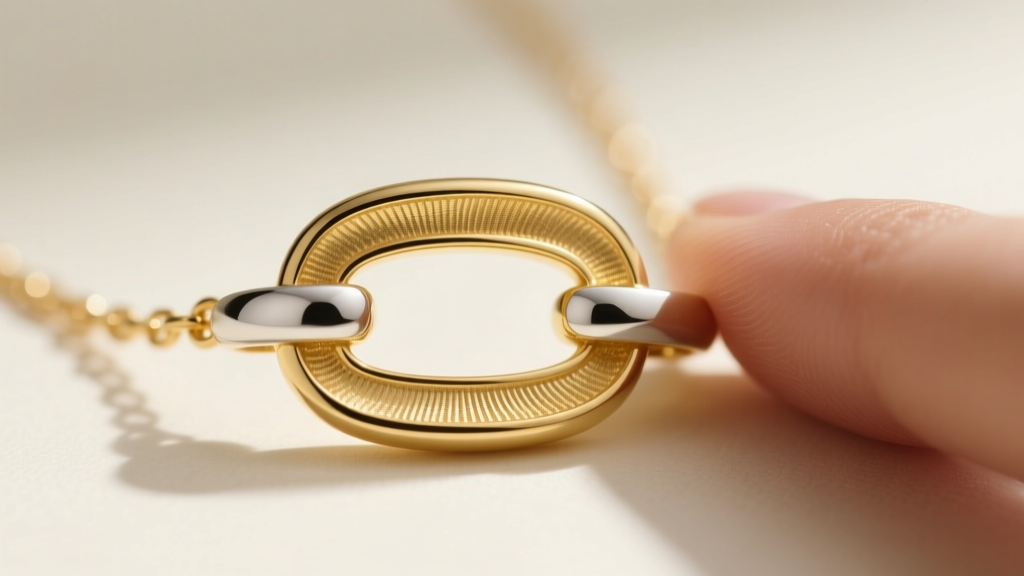
According to the Gemological Institute of America (GIA), true gold vermeil requires a base of sterling silver with a gold plating of at least 2.5 microns. When shopping for a premium korea necklace, always check the product description for 'vermeil' or 'solid 925 silver' rather than settling for vague terms like 'gold-plated alloy.' Brands like J.ESTINA and DIDIER DUBOT frequently utilize 14k gold and sterling silver to maintain the delicate structural integrity required for these ultra-thin chains.
The K-Wave Layering Framework: Lengths and Proportions
The secret to the iconic Seoul street style look is not just wearing multiple necklaces; it is about controlling the exact distance between them. A common beginner mistake is layering a 16-inch chain with a 24-inch chain, which creates a disjointed, heavy look. The korea necklace aesthetic thrives on tight, intentional clustering near the collarbone.
The 1.5-Inch Gap Rule
To achieve the perfect cascade without tangling, maintain a strict 1.5-inch to 2-inch gap between each layer. Here is the ultimate beginner-friendly layering matrix:
- Layer 1 (The Anchor): 14 to 14.5 inches. This should be a simple, ultra-thin chain (like a 1mm cable or box chain) or a delicate pearl choker. It sits right at the base of the neck.
- Layer 2 (The Focal Point): 16 inches. This is where your primary korea necklace pendant lives. Opt for a distinct motif—a tiny silver bow, a solitary freshwater pearl drop, or a micro-pave star.
- Layer 3 (The Extender): 17.5 to 18 inches. Use a slightly heavier chain here, such as a 2mm curb or a paperclip chain, to ground the look and add a touch of modern edge to the delicate upper layers.
By keeping the lengths tightly grouped between 14 and 18 inches, you ensure the jewelry interacts beautifully with standard necklines without getting lost in the fabric of your clothing.
Matching Your Korea Necklace to Necklines
Korean fashion heavily emphasizes the interplay between jewelry and garment architecture. The delicate nature of a korea necklace means it can easily be swallowed by the wrong collar. Here is how to pair your pieces with common wardrobe staples.
Crew Necks and Turtlenecks
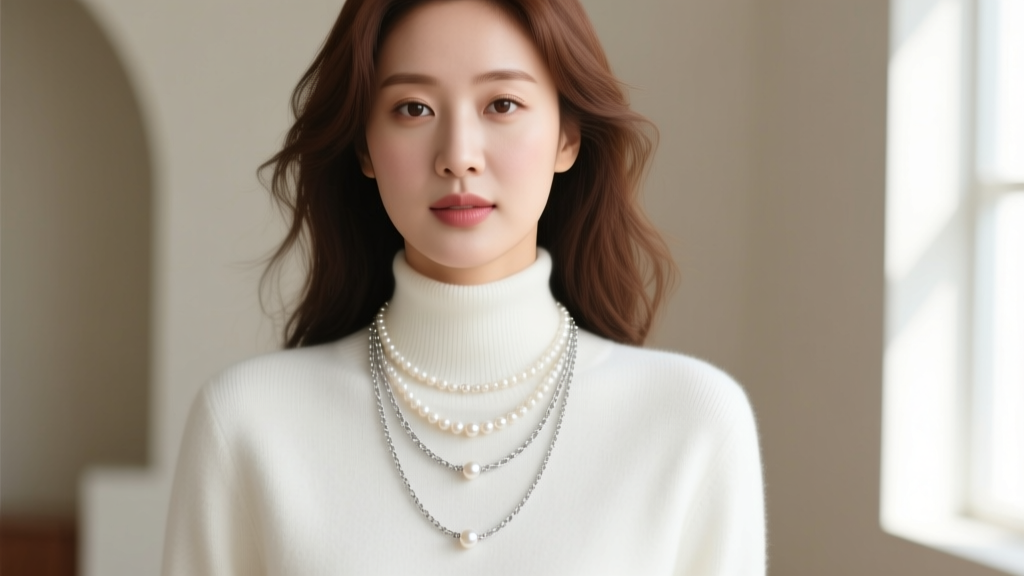
For high necklines, avoid chokers entirely, as they will compete with the fabric seam and cause skin irritation. Instead, start your layering at 16 inches. A medium-length pendant necklace featuring a geometric or Y2K-inspired charm (like a heart or cross) resting just below the collarbone creates a striking visual break against the solid block of a knit sweater.
V-Necks and Button-Down Shirts
This is where the full three-layer korea necklace framework shines. The V-shape of the garment naturally mirrors the cascading lengths of your jewelry. Anchor the look with a 14-inch pearl strand that hugs the collarbone, followed by a 16-inch silver pendant that sits perfectly in the center of the 'V'. The open collar of a button-down shirt allows the mixed metals and textures to catch the light, a styling trick frequently highlighted in Vogue Korea editorial spreads.
Longevity and Tarnish Troubleshooting
Because korea necklace designs utilize incredibly fine chains (often under 1.2mm in thickness), they are susceptible to mechanical stress and chemical tarnishing. The most common failure mode is the chain snapping at the jump ring near the clasp due to repetitive friction.
To prevent this, always unclasps your necklaces by holding the jump ring steady while pulling the clasp pin, rather than yanking the chain itself. Furthermore, the copper content in 925 sterling silver makes it prone to sulfur-induced tarnishing. If you live in a humid climate, store your K-fashion jewelry in individual ziplock bags with anti-tarnish silica strips. Never use harsh silver dip chemicals on vermeil or rhodium-plated pieces, as these solutions will strip the micron-thin plating instantly, ruining the finish. Instead, use a dry, untreated microfiber cloth to gently buff the metal after every wear to remove acidic skin oils and cosmetic residue.
Final Thoughts on Building Your Collection
Mastering the korea necklace aesthetic is less about buying the most expensive pieces and more about understanding proportion, material science, and intentional styling. Start by investing in a high-quality 925 sterling silver base chain, then slowly add character with mixed-media pendants and pearl accents. By respecting the 1.5-inch layering rule and matching your metals to your necklines, you will effortlessly capture the refined, romantic essence of modern K-fashion jewelry.


