How to Style, Layer, and Authenticate a JoJo Aqua Necklace
Learn how to style, layer, and maintain your JoJo aqua necklace. Discover step-by-step pairing techniques, chain lengths, and authentication tips.

The Rise of the JoJo Aqua Necklace in Maximalist Jewelry
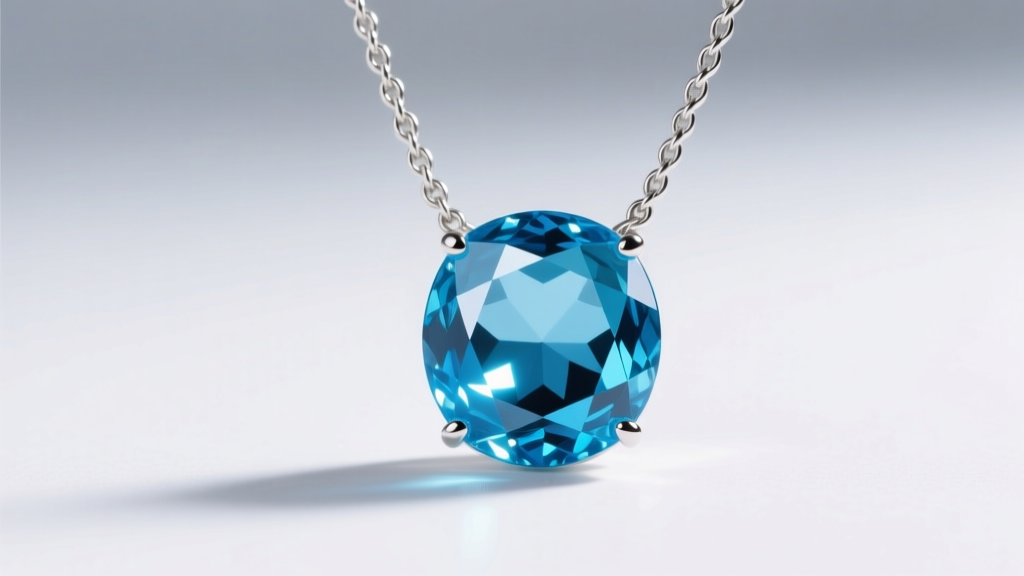
As we navigate the bold jewelry trends of 2026, character-inspired and avant-garde statement pieces have firmly cemented their place in everyday luxury. The jojo aqua necklace—characterized by its striking aqua-colored center stone, heavy geometric metalwork, and anime-inspired maximalist motifs—has become a highly sought-after grail piece for collectors and fashion enthusiasts alike. Whether your pendant features genuine aquamarine, treated blue topaz, or high-grade artisan resin, wearing such a commanding piece requires an understanding of proportion, material science, and layering mechanics.
This comprehensive, step-by-step guide will teach you how to authenticate your pendant, select the correct chain gauge to support its weight, execute a flawless layered stack, and maintain the stone’s brilliance without causing structural damage.
Step 1: Authenticating Your Stone and Metalwork
Because the jojo aqua necklace has surged in popularity across boutique and fandom jewelry markets, distinguishing between genuine gemstones and mass-produced simulants is critical. The aqua center stone is typically one of three materials: natural aquamarine, irradiated blue topaz, or cast epoxy resin.
The Loupe Test and Thermal Conductivity
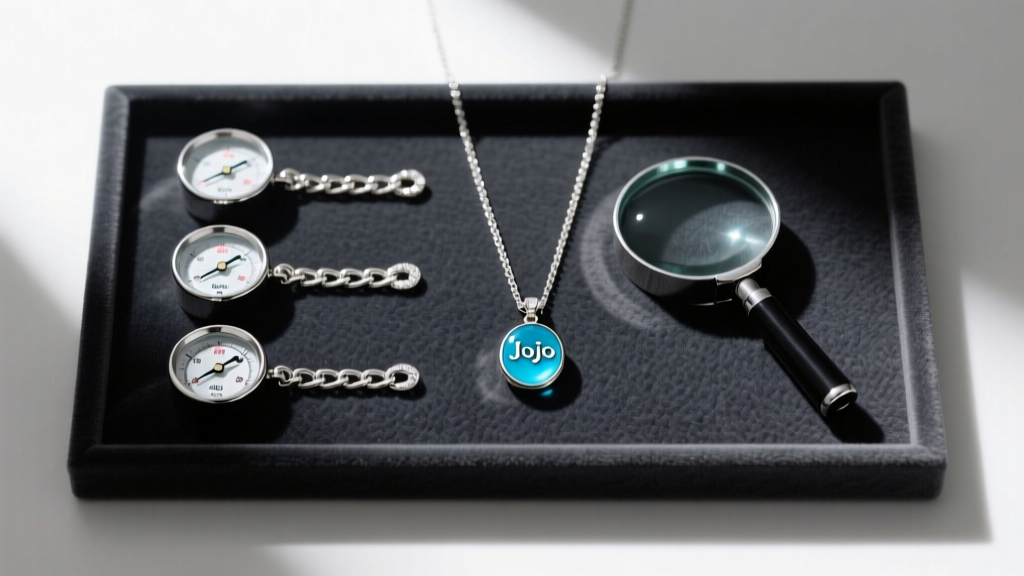
To verify your stone, you will need a 10x jeweler's loupe and a basic thermal diamond tester. Natural aquamarine (a member of the beryl family) will often display faint, rain-like inclusions or liquid veils under magnification. It is also highly dichroic, meaning it will show slightly different shades of blue when viewed from different angles. Conversely, glass or resin simulants will reveal perfectly round air bubbles or mold lines along the girdle.
For the metalwork, always inspect the bail and the inner clasp for hallmarks. According to The London Assay Office, a legitimate precious metal piece must bear a fineness mark, such as '925' for sterling silver or '750' for 18k gold. Base metal replicas will often lack these stamps or feature a simple 'Tibetan Silver' or 'Zinc Alloy' plating that oxidizes rapidly against the skin.
| Material | Mohs Hardness | Identifying Feature | Price Range (USD) |
|---|---|---|---|
| Natural Aquamarine | 7.5 - 8.0 | Dichroic, rain-like inclusions | $150 - $800+ |
| Blue Topaz (Treated) | 8.0 | High clarity, perfect cleavage planes | $40 - $120 |
| Artisan Epoxy Resin | 2.0 - 3.0 | Mold lines, lightweight, warm to touch | $25 - $60 |
Step 2: Matching the Chain Gauge to the Pendant Weight
A common mistake collectors make is pairing a heavy, oversized jojo aqua necklace pendant with a delicate, lightweight chain. This not only looks visually unbalanced but creates severe friction wear on the bail, eventually leading to chain snap or pendant loss.
The Gauge-to-Weight Ratio Framework
To ensure longevity, you must match the chain's thickness (gauge) to the physical weight of the pendant. Here is the step-by-step framework for selecting the right foundation chain:
- Under 15 grams (Lightweight): A 1.2mm to 1.5mm (approx. 16-gauge) cable or rolo chain is sufficient. These chains offer a delicate contrast to the bold pendant.
- 15 to 30 grams (Mid-Weight): Upgrade to a 2.0mm to 2.5mm (approx. 12-gauge) curb or Figaro chain. This provides the necessary tensile strength to support the pendant's swing without warping the links.
- Over 30 grams (Heavy Statement): You require a 3.0mm+ (approx. 10-gauge) box chain or thick Cuban link. Ensure the pendant's bail has an inner diameter of at least 5mm to accommodate the thicker links without grinding against the metal.
Always opt for a lobster clasp over a spring-ring clasp for any pendant exceeding 10 grams, as the internal spring mechanism in standard spring-rings is prone to failure under heavy, dynamic loads.
Step 3: The 3-4-5 Layering Rule for Statement Pendants
The jojo aqua necklace is inherently loud. To integrate it into a sophisticated daily wardrobe without looking like you are wearing a costume, you must anchor it using the 3-4-5 layering rule. This technique spaces the necklaces exactly 3, 4, and 5 inches apart, preventing tangling and creating a cascading visual waterfall.
Executing the Layered Stack
Layer 1 (The Anchor): Start with a 14-inch or 15-inch choker. A simple 2mm gold or silver herringbone chain works best here. It sits flush against the collarbone and frames the face without competing with the main pendant.
Layer 2 (The Focal Point): Your jojo aqua necklace should sit at exactly 18 inches (or 20 inches for a lower, more relaxed drop). This places the aqua stone squarely in the 'sweet spot' of the sternum, drawing the eye directly to the center stone's faceting.
Layer 3 (The Elongator): Finish with a 24-inch to 28-inch lariat or simple bead chain. This final layer elongates the torso and provides a subtle textural backdrop that makes the aqua pendant pop.

Neckline Pairing Strategies
When wearing this specific stack, your clothing neckline dictates the success of the look. Deep V-necks and scoop necks perfectly frame the 3-4-5 cascade. Avoid crew necks or turtlenecks, as the thick fabric will create friction against the metalwork, potentially scratching the aqua stone or catching the delicate links of the herringbone choker.
Step 4: Material-Specific Cleaning Protocols
Maintaining the brilliance of your jewelry requires strict adherence to material-specific cleaning protocols. What works for one stone will catastrophically damage another. The Gemological Institute of America (GIA) provides rigorous guidelines for gemstone care that every collector must follow.
How to Clean Genuine Aquamarine and Topaz
If your jojo aqua necklace features a genuine beryl or topaz stone, it is safe to clean using a mild degreasing solution. Mix a few drops of ammonia-free dish soap in a bowl of lukewarm water. Let the pendant soak for exactly 10 minutes to loosen sebum and cosmetic buildup. Use a baby-soft toothbrush to gently sweep the pavilion (the underside of the stone) where light-blocking dirt accumulates. Rinse with distilled water and pat dry with a microfiber cloth.
Warning: While ultrasonic cleaners are generally safe for untreated aquamarine, they can shatter blue topaz due to its perfect basal cleavage planes. The high-frequency vibrations will exploit microscopic internal fractures, causing the stone to split in half.
How to Clean Artisan Resin and Enamel
If your pendant is crafted from cast epoxy resin or features painted enamel accents, you must completely avoid ultrasonic cleaners, hot water, and chemical solvents. Heat will warp the resin, and alcohol-based cleaners will strip the glossy topcoat, leaving the aqua stone looking cloudy and permanently scratched. Instead, use a slightly damp, lint-free cotton cloth to gently buff the surface. For stubborn smudges, a tiny dab of mineral oil on the cloth will restore the resin's optical clarity without degrading the polymer structure.
A statement piece like the jojo aqua necklace isn't just an accessory; it's a wearable sculpture. Treating its materials with the respect of a museum archivist ensures it survives the shifting tides of seasonal fashion.
— Master Jeweler & Boutique Appraiser
Final Thoughts on Wearing Bold Statement Jewelry
Owning a jojo aqua necklace is an exercise in bold self-expression. By taking the time to authenticate your materials, properly sizing your chain gauge to support the pendant's weight, and utilizing structured layering techniques, you elevate a niche statement piece into a cornerstone of your personal style arsenal. Remember that proper maintenance is not just about keeping the jewelry clean—it is about preserving the structural integrity of the metalwork and the optical brilliance of the stone for decades to come.


