How to Style, Layer, and Clean a Foxtail Chain Necklace
Learn how to style, layer, and properly clean a foxtail chain necklace. Expert tips on pendant pairing, knot prevention, and metal maintenance.

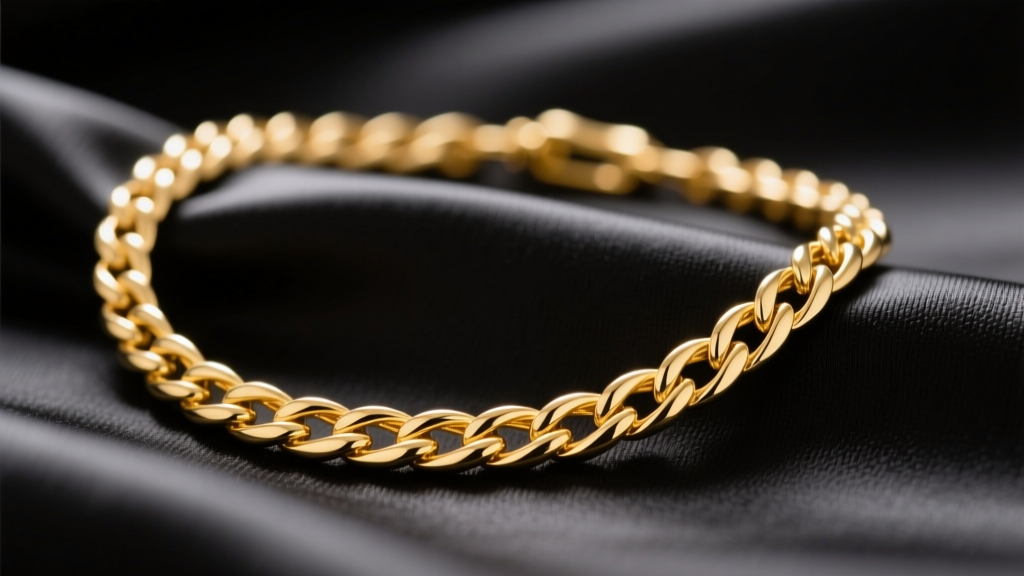
The foxtail chain necklace is a marvel of jewelry engineering. Characterized by two rows of slanted, V-shaped links that face each other and are connected by a continuous center row, this chain style offers a fluid, snake-like drape that mimics the luxurious texture of woven silk. However, its intricate architecture presents unique challenges regarding styling, pendant pairing, and long-term maintenance. Whether you own a delicate 1.5mm sterling silver piece or a heavy 5.0mm solid 18k gold statement chain, understanding the mechanics of the foxtail weave is essential for preserving its structural integrity and maximizing its visual impact.
In this comprehensive guide, we break down the exact steps to selecting, styling, layering, and cleaning your foxtail chain necklace, ensuring it remains a timeless staple in your jewelry collection for decades to come.
Step 1: Selecting the Right Gauge, Width, and Construction
Before you can effectively style a foxtail chain, you must understand its physical limitations. The most critical decision when purchasing or styling a foxtail chain is choosing between solid and hollow construction. Hollow foxtail chains are lightweight and affordable but are notoriously prone to crushing. Once a hollow V-link is dented, it cannot be repaired. Solid foxtail chains, while heavier and more expensive, offer generational durability and can withstand the tension of heavy pendants.
Furthermore, the metallurgical composition matters. According to the Gemological Institute of America (GIA), 18k gold is softer and more malleable than 14k gold. In a complex woven chain like the foxtail, an 18k solid chain will drape more fluidly but is slightly more susceptible to stretching if pulled. 14k gold offers superior structural rigidity for the interlocking V-links.
| Chain Width (mm) | Construction Type | Best Use Case | Max Pendant Weight |
|---|---|---|---|
| 1.2mm - 1.8mm | Solid | Delicate layering, minimalist everyday wear | Under 5 grams |
| 2.0mm - 3.0mm | Solid | Standard pendant necklaces, medium-weight charms | 5 to 15 grams |
| 3.5mm - 5.0mm | Solid or Semi-Hollow | Statement pieces, worn alone without pendants | 15 to 30 grams |
| 5.5mm+ | Hollow / Solid | Bold streetwear, heavy luxury statements | Not recommended for pendants |
Step 2: Pairing Pendants with the Woven V-Link Structure
The foxtail chain's braided texture creates a high-friction surface. Unlike a smooth box chain or a simple cable chain, the foxtail weave can act like a microscopic file against softer materials. When pairing a pendant with your foxtail chain necklace, you must account for bail sizing and material hardness.
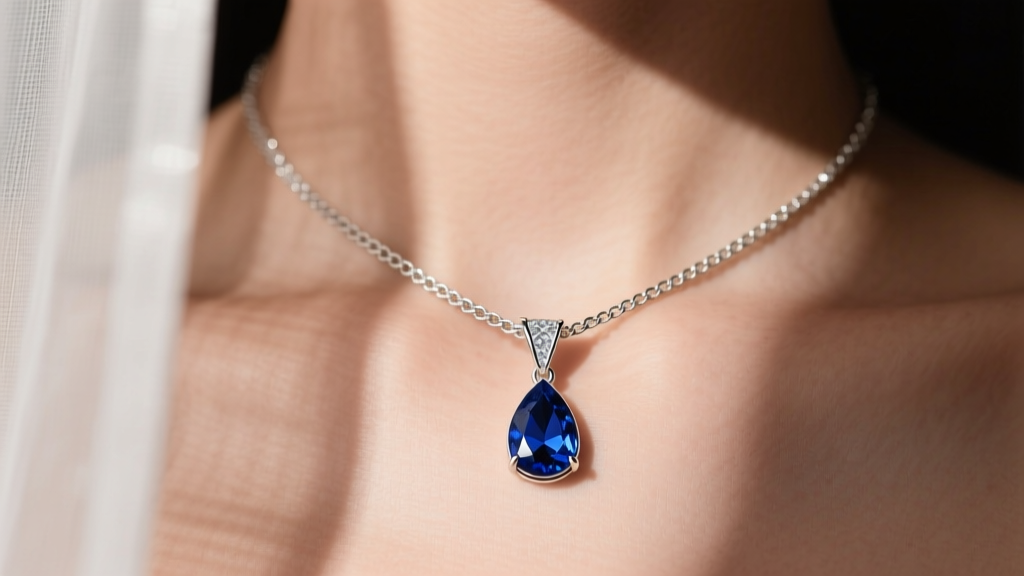
Sizing the Bail Correctly
Because foxtail chains are inherently thicker and stiffer than rope or cable chains of the same millimeter width, standard bails often fail to accommodate them. A general rule of thumb is that the inner diameter of the pendant bail must be at least 1.5mm wider than the chain's width. For example, if you are using a 2.5mm foxtail chain, the bail opening should be no less than 4.0mm to allow the chain to glide through without forcing the V-links apart, which can cause permanent kinking.
Avoiding Material Friction
Avoid threading soft, unpolished gemstone beads (like turquoise or malachite) directly onto a foxtail chain. The sharp, angled edges of the metal links will gradually wear down the stone's drill hole. Always use a metal or hard-lined bail to act as a buffer between the woven metal and the pendant.
Step 3: Layering Techniques Without Tangling
Layering a foxtail chain requires an understanding of chain topology. The interlocking V-grooves of a foxtail chain are essentially "catch points." If layered with another highly textured chain (like a rope or another foxtail), the two chains will inevitably lock together, creating severe friction knots that require professional jeweler intervention to untangle.
To successfully layer a foxtail chain necklace, follow the Texture Clash Protocol:
- The Smooth Companion: Always pair the foxtail chain with a smooth-surfaced chain, such as a flat curb, a sleek box chain, or a polished herringbone. The smooth links will glide over the foxtail's texture without catching.
- The 3-Inch Gap Rule: Maintain a minimum length difference of 3 inches between the foxtail chain and its layered companions. For instance, pair a 16-inch foxtail choker with a 19-inch smooth box chain. This prevents the chains from resting on the exact same curvature of the collarbone, reducing physical contact and friction.
- Weight Distribution: Place the foxtail chain as the shortest, lightest layer closest to the neck. Its fluid drape sits beautifully against the collarbone, while heavier, longer pendants can hang freely beneath it on secondary chains.
Step 4: The Proper Cleaning and Maintenance Method
The intricate, multi-directional weave of the foxtail chain makes it a magnet for sebum, dead skin cells, lotions, and perfumes. Over time, this buildup lodges deep within the center row of the chain, dulling its reflective surface and stiffening its drape. The Jewelers of America recommends regular, gentle cleaning for complex woven chains to prevent long-term degradation of the metal alloys.
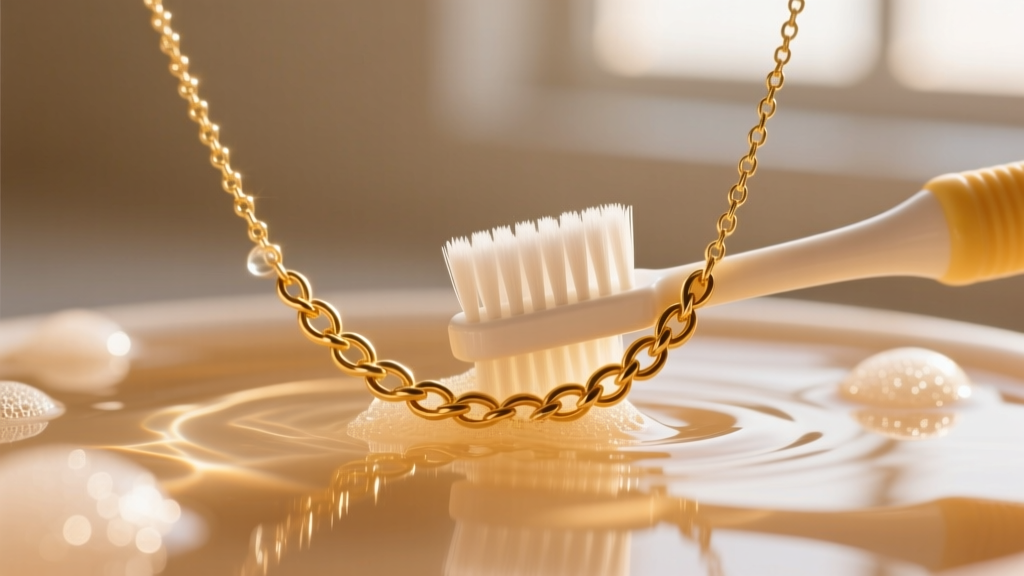
Step-by-Step Soak and Agitate Method
- Prepare the Solution: Fill a ceramic or glass bowl with warm (not hot) water and add three drops of mild, phosphate-free dish soap. Avoid harsh chemical jewelry dips, which can strip the rhodium plating from white gold foxtail chains.
- The Soak: Submerge the necklace entirely and let it soak for 15 to 20 minutes. This crucial step softens the hardened sebum trapped in the V-link joints.
- Targeted Agitation: Using a brand-new, extra-soft baby toothbrush, gently brush the chain. Critical technique: Brush strictly parallel to the length of the chain. Brushing perpendicular to the chain can catch the bristles in the V-grooves and bend the delicate links outward.
- The Rinse and Dry: Rinse thoroughly under lukewarm running water. Pat dry with a lint-free microfiber cloth. Never use paper towels, as the wood fibers will snag on the woven texture and leave behind microscopic debris.
A Warning Against Ultrasonic Cleaners
While ultrasonic cleaners are excellent for diamond solitaires, they are highly risky for foxtail chains. The high-frequency vibrations can cause the tightly packed V-links to knock against each other with enough force to cause micro-abrasions. More importantly, if your foxtail chain is hollow, the acoustic cavitation can actually collapse the thin metal walls from the inside out. Stick to the manual soak method for safety.
Troubleshooting Common Foxtail Chain Issues
Even with meticulous care, foxtail chains can experience mechanical stress. Here is how to handle the most common failure modes:
Dealing with Kinks and Creases
If your foxtail chain gets bent sharply against the natural grain of the weave, it can form a hard crease. Never pull or tug the chain to straighten it. Instead, lay the chain flat on a clean, soft towel. Take two wooden toothpicks or sewing needles and gently massage the creased V-links back into their overlapping alignment, working from the outside of the kink toward the center.
Clasp Failure and Upgrades
Many mass-produced foxtail chains come with standard spring-ring clasps, which are inadequate for chains wider than 2.5mm. The tension of the heavy woven metal pulling against a weak spring ring is a primary cause of lost jewelry. If your chain is thicker than 2.5mm, take it to a bench jeweler to have the clasp upgraded to a heavy-duty lobster clasp or a hidden tongue-and-groove box clasp with a figure-eight safety catch.
By respecting the unique geometry of the foxtail weave, you ensure that your necklace maintains its luxurious drape and brilliant finish. Whether worn as a standalone statement piece or carefully layered with smooth companions, a well-maintained foxtail chain necklace remains one of the most sophisticated and dynamic chain styles in modern jewelry design.


