How to Design and Layer a Custom Double Initial Necklace
Learn how to design, style, and layer a custom double initial necklace. Discover metal grades, chain types, and the 2-inch layering rule.

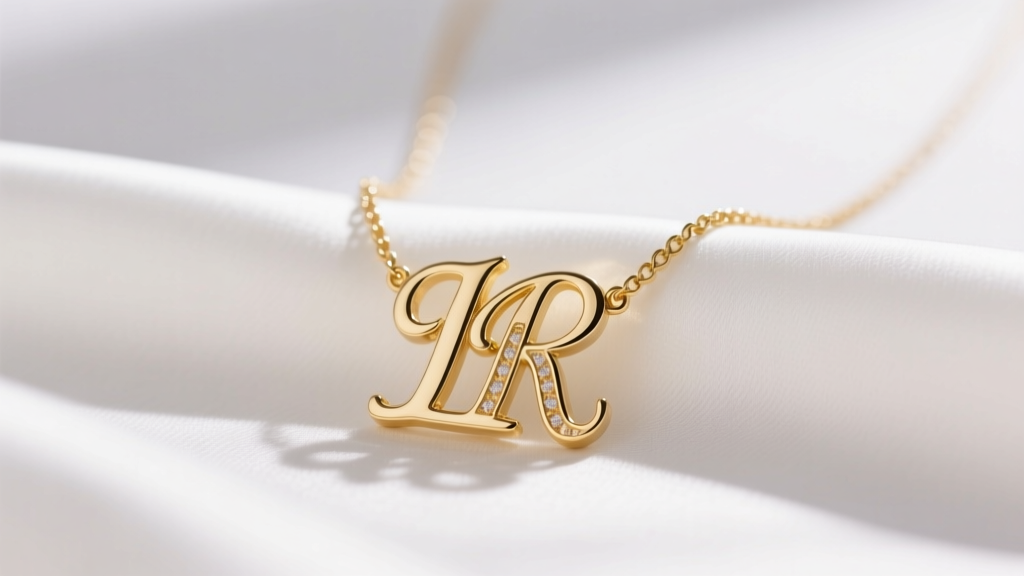
The Evolution of Personalized Jewelry
In 2026, the jewelry landscape has decisively shifted from ultra-minimalist, single-letter pendants to bolder, more narrative-driven pieces. The double initial necklace has emerged as the definitive staple for those looking to carry their personal stories—whether representing a couple, a mother and child, or a personal moniker—close to their heart. However, designing a piece that is both structurally sound and aesthetically striking requires a deep understanding of jewelry mechanics, metallurgy, and styling geometry.
This step-by-step guide will walk you through the exact specifications needed to commission, buy, or style a double initial necklace that will last a lifetime, avoiding the common pitfalls of flimsy chains and fragile typography.
Step 1: Selecting the Right Metal and Gauge for Durability
The longevity of your necklace begins with the base metal. Because a double initial pendant inherently carries more weight and surface area than a single letter, you must prioritize structural integrity. According to the Gemological Institute of America (GIA), the alloy composition in gold drastically affects its hardness and resistance to daily wear.
Metal Comparison and Pricing Guide
| Metal Type | Composition & Specs | Durability | Average Price Range |
|---|---|---|---|
| 14k Solid Gold | 58.5% pure gold, alloyed with copper/zinc | Excellent (Highly scratch-resistant) | $280 - $650 |
| 18k Gold Vermeil | 925 Sterling base, 2.5+ microns of 18k gold | Good (Requires careful maintenance) | $85 - $160 |
| 925 Sterling Silver | 92.5% silver, 7.5% copper (often rhodium-plated) | Fair (Prone to tarnish and bending) | $45 - $120 |
Expert Tip: If you opt for vermeil, ensure the product description explicitly states a minimum of 2.5 microns of gold plating. Anything less is considered standard gold plating and will wear off within months of daily friction against clothing.
Step 2: Choosing a Font That Won't Snap
The most frequent failure point in custom initial jewelry is the typography. While delicate, sweeping script fonts look incredibly romantic in digital mockups, they are a structural nightmare in physical metal.
- Script Fonts: The thin connecting loops between letters act as stress concentrators. If the pendant is caught on a sweater, these 0.4mm loops are the first to snap.
- Serif Fonts (e.g., Garamond, Times): A great middle ground. The thicker vertical stems provide structural support, while the serifs add a classic, editorial elegance.
- Sans-Serif / Block Fonts (e.g., Helvetica, Futura): The most durable option. The uniform line weight (ideally between 0.8mm and 1.2mm thick) distributes physical stress evenly across the entire pendant.
When designing your double initial necklace, insist on a pendant thickness of at least 0.8mm. Pendants stamped at 0.5mm or thinner will warp and bend when pressed against the chest or when sleeping.
Step 3: Picking the Perfect Chain Style and Clasp
A heavy double pendant requires a chain that can support its weight without kinking or tangling. The chain's gauge (thickness) and link style are critical.
Why Box and Cable Chains Win
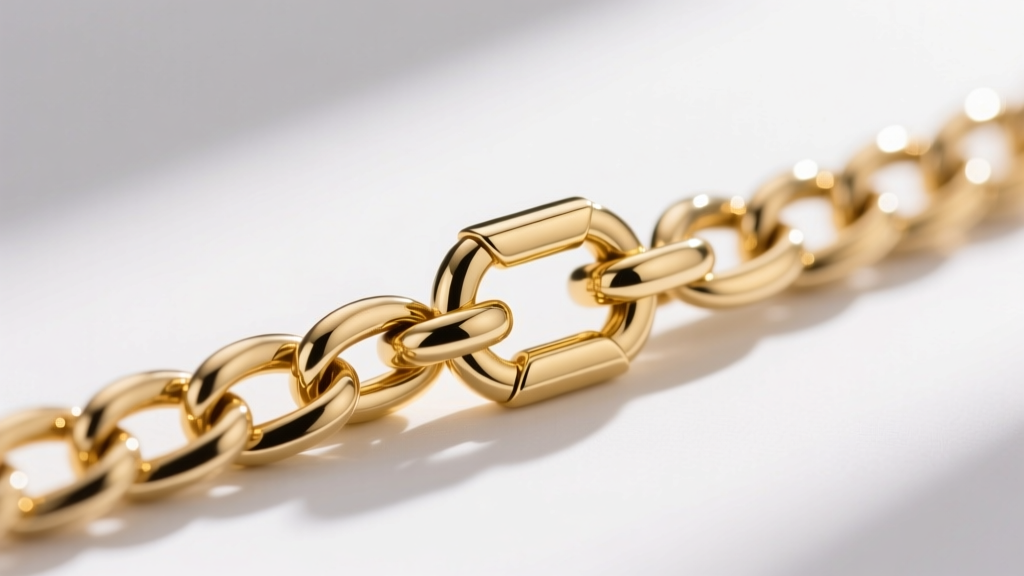
Box Chains: Composed of square links connected at 90-degree angles, box chains are virtually tangle-proof and offer a modern, geometric contrast to the curves of the letters. An 18-gauge (1.0mm) or 16-gauge (1.3mm) box chain is the gold standard for pendants weighing between 3 and 8 grams.
Cable Chains: The classic oval link. While beautiful, they are more prone to tangling if the links are too loose. If you prefer a cable chain, look for "soldered links" to prevent them from pulling apart under the weight of the double initials.
The Clasp: Never use a spring ring clasp for a double initial necklace. The small lever mechanism is too fragile. Always upgrade to a lobster clasp (preferably 10mm or 12mm in size), which features a robust internal spring and a larger, easier-to-grip lever.
Step 4: The 2-Inch Layering Formula
Styling a double initial necklace in 2026 is all about the curated stack. Wearing it alone is beautiful, but layering it creates a cohesive, high-fashion look. To avoid the dreaded "jewelry tangle" where chains twist into a single knot, you must follow the strict 2-Inch Rule.
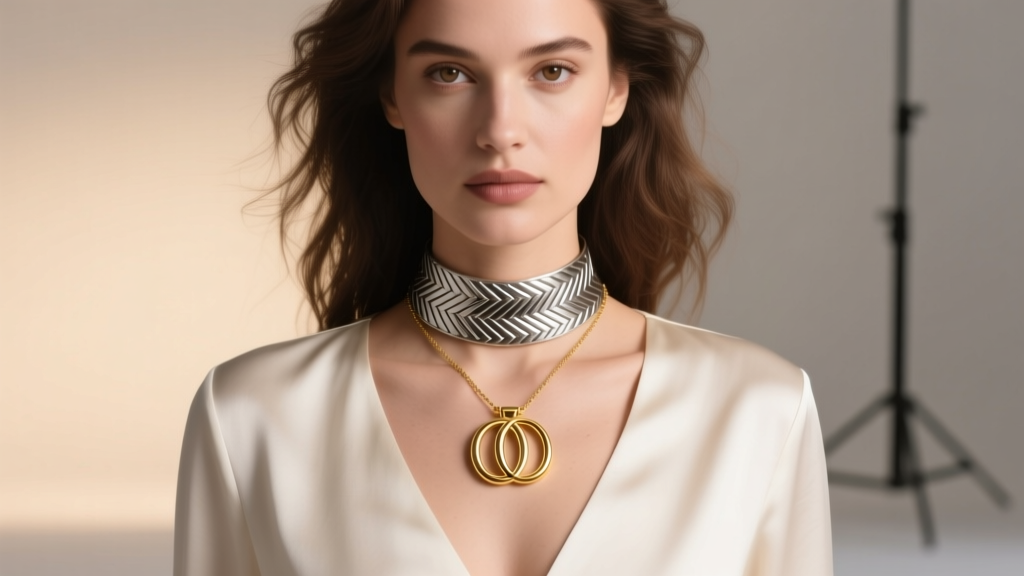
- The Base Layer (14 to 15 inches): Start with a lightweight, non-pendant chain. A 14-inch herringbone or snake chain sits perfectly at the base of the throat, providing a metallic canvas without competing for attention.
- The Focal Point (16 to 18 inches): This is where your double initial necklace lives. An 18-inch chain allows the pendant to rest right at the hollow of the collarbone, making it the undeniable centerpiece of the stack.
- The Anchor (20 to 24 inches): Finish with a longer, heavier piece. A 22-inch rope chain or a large, plain gold medallion draws the eye downward, elongating the neck and framing the double initials perfectly in the center.
By maintaining at least a 2-inch gap between each chain length, you ensure that the clasps and pendants never occupy the same physical space, eliminating 90% of tangling issues.
Maintenance: Keeping Your Initials Tarnish-Free
Proper care ensures your personalized piece retains its luster. The American Gem Society (AGS) recommends regular, gentle cleaning to remove the oils, lotions, and sweat that accumulate on the back of the pendant.
- Daily Wipe: Use a microfiber jewelry cloth to wipe down the chain and pendant before bed. This removes acidic sweat that degrades gold vermeil and tarnishes sterling silver.
- Deep Clean: For solid 14k gold, soak the necklace in a bowl of warm water with two drops of mild, phosphate-free dish soap for 10 minutes. Gently brush the back of the initials with a baby-soft toothbrush to dislodge dead skin cells trapped in the jump rings.
- Storage: Never toss your necklace into a communal jewelry box. Store it in an individual anti-tarnish pouch, and always leave the clasp unfastened to prevent the chain from looping and knotting overnight.
Conclusion
A double initial necklace is more than just a fleeting trend; it is a modern heirloom that tells a deeply personal story. By prioritizing 14k solid gold or high-micron vermeil, selecting structurally sound typography, utilizing a sturdy box chain with a lobster clasp, and applying the 2-inch layering rule, you guarantee a piece that is as durable as it is beautiful. Invest in the right specifications, and your personalized stack will remain a timeless fixture in your wardrobe for decades to come.


