How to Style and Layer a Lori Bonn Necklace Perfectly
Learn how to style, layer, and care for your Lori Bonn necklace. Step-by-step guide to matching enamel pendants with necklines and mixed metals.

Introduction to the Lori Bonn Aesthetic
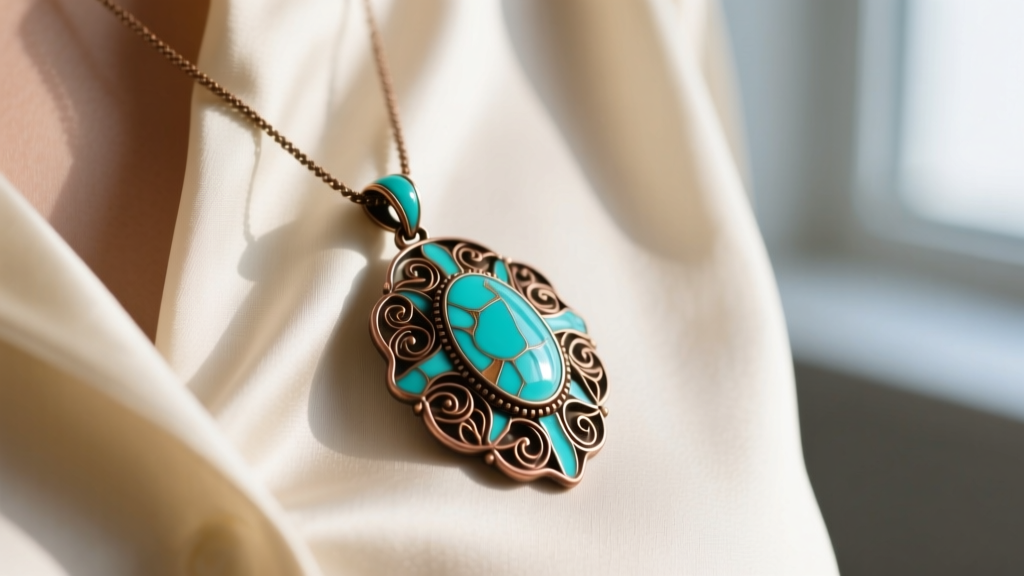
Owning a piece of artisan jewelry is an investment in wearable art, and a Lori Bonn necklace represents the pinnacle of American handcrafted design. Known for her mastery of vitreous enamel, intricate metal filigree, and the incorporation of semi-precious cabochon stones, Bonn’s work bridges the gap between vintage heirloom and modern bohemian elegance. However, because these pieces feature complex material combinations—often mixing raw bronze, oxidized sterling silver, 18k gold vermeil, and kiln-fired glass enamel—they require a strategic approach to styling and maintenance.
In this comprehensive 2026 styling guide, we will break down the exact steps to layering, neckline matching, and preserving the metallurgical integrity of your Lori Bonn necklace, ensuring it remains a staple in your wardrobe for decades.
Step 1: Matching Chain Lengths to Your Neckline
The most common mistake when styling heavy, artisan pendants is ignoring the geometry of the neckline. A Lori Bonn pendant often features a substantial drop (typically 1.5 to 2.5 inches) and carries physical weight. To prevent the pendant from flipping or tangling, you must pair the correct chain length with your garment's cut.
| Neckline Style | Ideal Chain Length | Recommended Chain Weave | Styling Note |
|---|---|---|---|
| Crew / Scoop Neck | 18 to 20 inches | Medium Cable or Box Chain | Allows the pendant to rest exactly at the collarbone hollow, framing the face without hiding inside the fabric. |
| V-Neck / Wrap Dress | 22 to 24 inches | Long Rope or Beaded Chain | Mirrors the V-shape of the garment, elongating the torso and allowing the enamel drop to act as a focal point. |
| Turtleneck / High Collar | 28 to 32 inches | Heavy Bronze Link Chain | Provides necessary clearance over the bulk of the fabric while adding a bohemian, layered texture to winter knits. |
| Button-Down Shirt | 16 to 18 inches | Delicate Gold Vermeil Snake | Worn tucked slightly inside the unbuttoned collar for a subtle, peek-a-boo effect that highlights the enamel work. |
Step 2: Mastering the Mixed-Metal Layering Technique
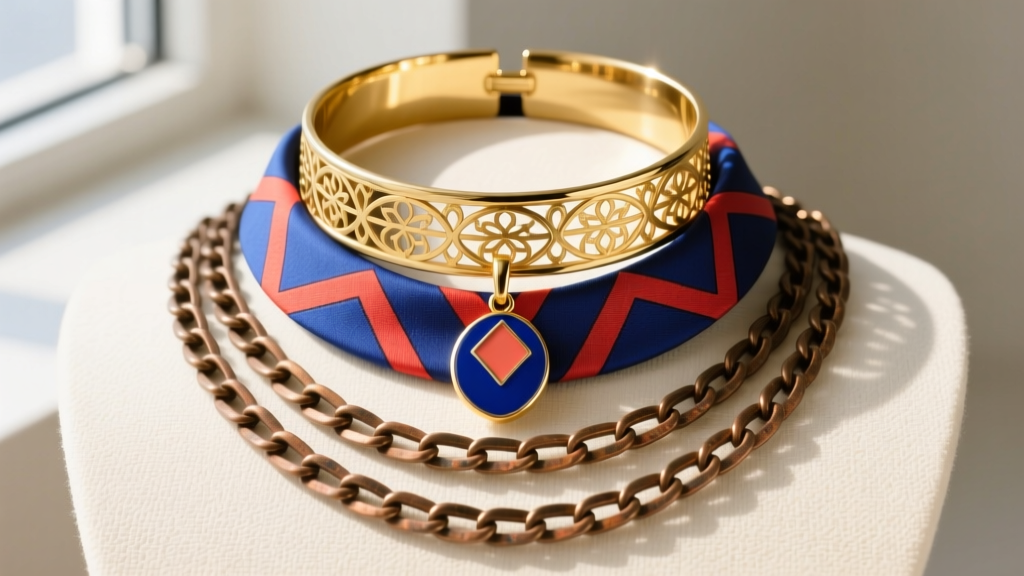
The 'curated patina' trend dominating 2026 jewelry styling relies heavily on mixing metal tones. Lori Bonn frequently utilizes bronze and brass alloys, which develop a rich, dark oxidation over time, alongside bright 18k gold vermeil accents. Here is how to layer a Lori Bonn necklace without creating a tangled mess.
The Rule of Three and Weight Distribution
When building a stack around a central Lori Bonn piece, adhere to the Rule of Three and vary the chain weights to prevent friction damage.
- Layer 1 (The Anchor - 16 inches): Start with a lightweight, bright metal chain, such as a 14k gold-filled or 18k gold vermeil cable chain. This sits high on the clavicle and provides a bright contrast to the darker artisan pendant.
- Layer 2 (The Focal Point - 18 to 20 inches): Your Lori Bonn necklace. Ensure the chain is slightly heavier (like a brass rolo or bronze box chain) to support the weight of the enamel pendant.
- Layer 3 (The Elongator - 24 to 28 inches): Finish with a long, unadorned oxidized bronze or sterling silver rope chain. This draws the eye downward and balances the visual weight of the pendant.
Pro Tip: To prevent the chains from twisting around one another, use a leather or metal necklace spacer clasp at the nape of the neck, or ensure there is at least a 2-inch difference in length between each layer.
Step 3: Protecting Enamel and Semi-Precious Stones
Lori Bonn’s signature technique involves fusing powdered glass to metal at extremely high temperatures, creating a vibrant, durable vitreous enamel. While beautiful, this material combination requires specific care protocols that differ vastly from standard fine jewelry.
'Vitreous enamel is essentially glass. While it resists scratching better than soft metals, it is highly susceptible to thermal shock and blunt force impact, which can cause microscopic crazing or complete fracturing.' — Gemological Institute of America (GIA) Gem Encyclopedia
Care Instructions for Porous Stones and Enamel
Many Lori Bonn designs incorporate bezel-set turquoise, lapis lazuli, or coral. These stones rank between 3 and 6 on the Mohs hardness scale and are highly porous.
- Never Use Ultrasonic Cleaners: The high-frequency vibrations will shatter the vitreous enamel and fracture porous stones like turquoise. Furthermore, the heat generated can melt the adhesives used in some bezel settings.
- Avoid Chemical Dips: Commercial silver and bronze polishing dips contain harsh acids (like thiourea) that will instantly strip the color from vitreous enamel and permanently dull the polish on lapis lazuli.
- The Microfiber Method: To clean your necklace, use a dry, lint-free microfiber cloth. Gently buff the metal components. For the enamel and stones, use a slightly damp cloth with distilled water, then dry immediately.
- Lotion and Perfume Protocol: Always apply perfumes, hairsprays, and lotions at least 10 minutes before putting on your necklace. The alcohol and oils can degrade the porous matrix of turquoise and cause the bronze chain to oxidize prematurely.
Step 4: Transitioning from Daywear to Evening Elegance
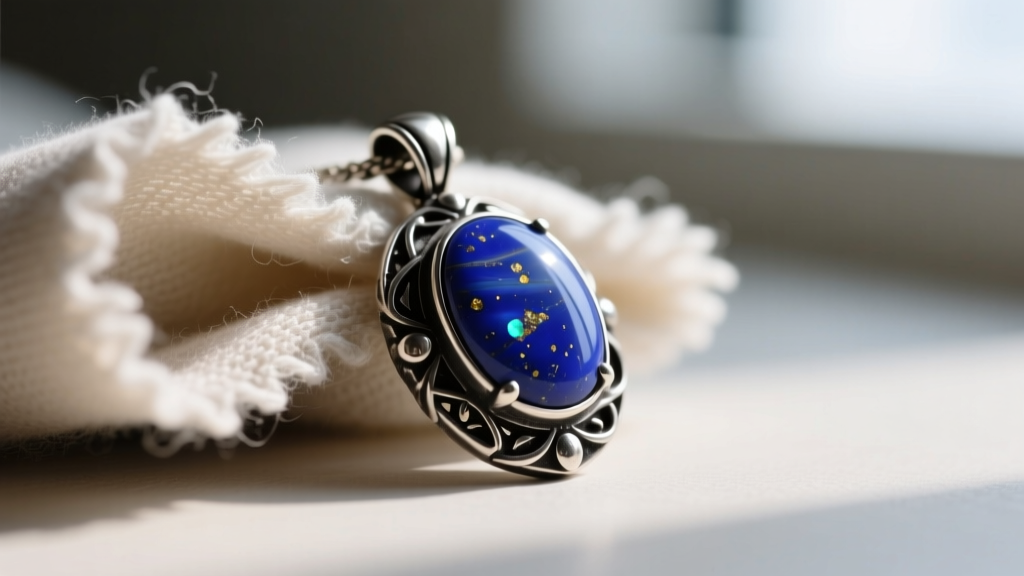
One of the greatest advantages of investing in high-end artisan pendants is their modularity. Because Lori Bonn often sells pendants and chains separately, or utilizes standard lobster clasps, you can completely transform the piece's vibe by swapping the chain.
Daytime Professional Styling
For the office or daytime events, pair your enamel pendant with a sleek, polished 18-inch sterling silver or gold vermeil snake chain. The smooth, reflective surface of the snake chain keeps the look refined and prevents the pendant from catching on knitwear or silk blouses. Keep the rest of your jewelry minimal—perhaps small metallic stud earrings that match the pendant's bezel.
Evening and Bohemian Styling
For evening wear, swap the chain for a 24-inch oxidized bronze link chain or a strand of semi-precious beads (like onyx or lapis lazuli). The darker, textured metal provides a moody, dramatic backdrop that makes the vibrant enamel colors pop under low, warm lighting. Pair this with stacked bronze bangles or heavy drop earrings to lean into the brand's artisanal, bohemian roots.
Troubleshooting Common Clasp and Tarnish Issues
Even with meticulous care, mixed-metal jewelry requires occasional troubleshooting. Here is how to handle the most common issues associated with bronze and brass artisan chains.
Managing Bronze Patina vs. Tarnish
Bronze is an alloy of copper and tin. Over time, exposure to the oils in your skin and the oxygen in the air will cause it to darken. This is a natural patina, which many collectors of Lori Bonn jewelry actively desire, as it gives the metal an antique, excavated look. However, if the chain develops a green, powdery residue (verdigris), this is active corrosion caused by moisture and acids.
The Fix: Create a paste using baking soda and a few drops of lemon juice. Using a soft-bristled toothbrush, gently scrub only the metal chain links, avoiding the pendant entirely. Rinse with distilled water and dry thoroughly. According to Jewelers of America, keeping copper-based alloys completely dry when stored is the best way to halt active verdigris formation.
Stiff Lobster Clasps
Artisan jewelry often features heavy-duty bronze or brass lobster clasps that can become stiff over time due to microscopic debris or oxidation in the spring mechanism.
The Fix: Do not force the lever. Apply a single drop of mineral oil or a specialized jewelry lubricant to the hinge of the clasp. Work the lever back and forth gently until the tension releases. Wipe away any excess oil with a cotton swab to prevent it from transferring to your clothing or the enamel pendant.
Final Thoughts on Artisan Investment
A Lori Bonn necklace is not merely an accessory; it is a piece of small-scale sculpture. By understanding the specific material properties of vitreous enamel, bronze alloys, and porous cabochons, you can style and preserve your piece with confidence. Whether you are layering it with delicate gold vermeil chains for a modern 2026 aesthetic or letting it stand alone on a heavy bronze link for a vintage-inspired look, the key is intentionality. Treat the metals with respect, protect the glass enamel from impact, and your necklace will remain a breathtaking conversation piece for a lifetime.


