How to Style a Necktie Necklace for Women: Step-by-Step Guide
Master the art of the lariat. Learn how to style, adjust, and secure a necktie necklace for women across different necklines and occasions.

The Modern Resurgence of the Lariat
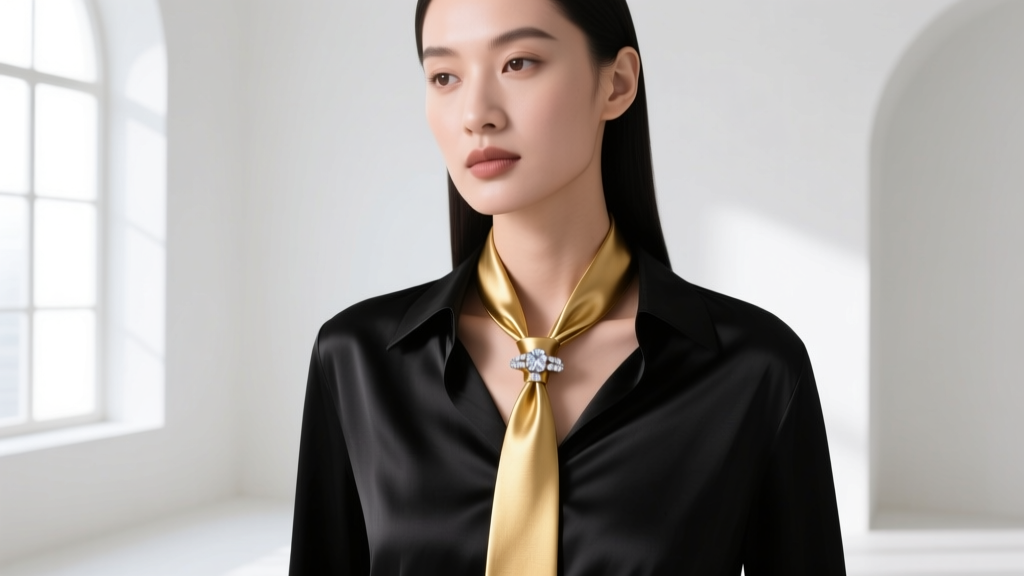
As we navigate 2026's shift toward modular, adjustable jewelry, the necktie necklace for women has firmly transitioned from a niche western accessory to a staple of contemporary high fashion and minimalist streetwear. Often referred to as a lariat, bolo, or Y-necklace, this style is defined by its adjustable sliding clasp and elongated drop. However, mastering this piece requires more than simply pulling it over your head. Improper adjustment can lead to chain kinking, clasp degradation, and awkward proportions. This comprehensive, step-by-step guide will teach you how to tie, style, and maintain your necktie necklace with professional precision.
Anatomy of a Necktie Necklace: Materials and Hardware
Before attempting complex styling techniques, it is crucial to understand the structural limitations and advantages of your specific piece. Not all chains are created equal when subjected to the friction of a sliding clasp.
Optimal Chain Weaves
- Rolo and Cable Chains (1.2mm - 2.5mm): The gold standard for lariats. Their uniform, rounded links allow the sliding clasp to glide smoothly without catching. According to the GIA Gem Encyclopedia, structural integrity in precious metal chains relies heavily on link soldering; always inspect the links near the clasp for weak solder points.
- Wheat (Spiga) Chains: Excellent for heavier pendants due to their braided, multi-directional link structure, which distributes tension evenly.
- Chains to Avoid: Never use snake or herringbone chains for a necktie necklace. The flush, interlocking plates of these weaves are highly susceptible to permanent kinking when bent at the sharp angle required by a sliding bolo clasp.
The Sliding Clasp Mechanism
Modern clasps typically utilize one of two internal mechanisms:
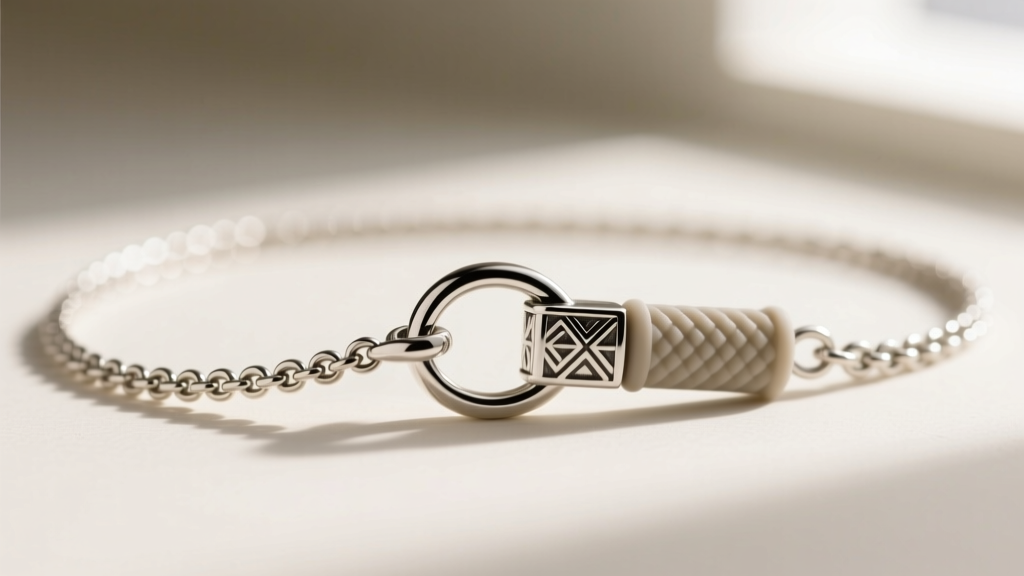
- Silicone O-Ring Grips: A 2mm internal silicone ring creates friction against the chain. These offer infinite adjustability but degrade over time when exposed to skin oils and cosmetics.
- Metal Ball-Bearing Tension Clasps: Utilizing tiny internal steel or ceramic bearings, these are more durable but require a specific chain width to function without slipping.
Step-by-Step: How to Tie and Adjust Your Necklace
Styling a necktie necklace for women is an exercise in proportion. Here are three foundational techniques to adapt your jewelry to any outfit.
Technique 1: The Classic Sternum Y-Drop
This is the most traditional and universally flattering method, ideal for deep V-necks and wrap dresses.
- Drape the chain evenly around your neck, ensuring the sliding clasp rests precisely at the center of your collarbone.
- Pinch the chain ends together and thread them simultaneously through the top of the clasp.
- Pull the ends down until the clasp rests exactly at the top of your sternum (approximately 4 to 6 inches below the collarbone).
- Adjust the drop tails so they are perfectly even, ending roughly 3 inches below the clasp. For a standard 42-inch lariat, this leaves a balanced, elegant silhouette.
Technique 2: The Asymmetrical Side-Tie
For a modern, avant-garde look that pairs beautifully with off-the-shoulder tops or asymmetrical necklines.
- Place the chain around your neck, but offset it so one side hangs 8 inches lower than the other before threading.
- Thread both ends through the clasp, positioning the hardware on the side of your neck or resting on your collarbone, rather than dead center.
- Allow the longer tail to drape over your shoulder or down your chest, while the shorter tail remains hidden beneath the fabric.
Technique 3: The Double-Wrap Choker
Transform your 42-inch lariat into a layered choker for high-neck blouses or winter turtlenecks.
- Wrap the entire chain around your neck twice, creating two stacked loops.
- Gather the remaining tail ends at the back or side of your neck.
- Thread the tails through the clasp and pull tight against the base of your throat.
- Let the tails hang down your back, or bring them forward for a multi-layered frontal cascade.
"The secret to a flawless lariat drop is tension. Never yank the chain through a silicone clasp; instead, hold the clasp firmly and feed the chain through with your other hand to prevent stretching the links." — Master Jeweler Bench Note
Neckline Matching Matrix
To ensure your necktie necklace for women complements rather than competes with your clothing, consult this structural guide for pairing chain drops with specific garments.
| Neckline Type | Ideal Clasp Position | Recommended Drop Length | Best Chain Width |
|---|---|---|---|
| Deep V-Neck | Upper Sternum | 4.0 - 6.0 inches | 1.5mm - 2.0mm |
| Crew Neck | Collarbone Base | 2.0 - 3.0 inches | 1.0mm - 1.2mm (Delicate) |
| Turtleneck | Double-Wrap Choker | N/A (Tails draped) | 2.5mm+ (Substantial) |
| Sweetheart | Asymmetrical Side | 3.0 - 5.0 inches | 1.5mm (Textured/Rolo) |
Troubleshooting Common Lariat Failure Modes
Even high-end jewelry experiences wear and tear. Here is how to diagnose and fix the most common issues associated with necktie necklaces.
1. The Slipping Clasp
The Problem: The drop continually slides down throughout the day, ruining your proportions.
The Cause: The internal silicone O-ring has degraded due to exposure to lotions, perfumes, and natural sebum, or the chain links are too narrow for the clasp aperture.
The Fix: If the clasp is removable, use a pair of fine-tipped flush cutters to open the jump ring, extract the degraded silicone, and replace it with a standard 2mm jewelry-grade silicone O-ring (available at most craft stores). For non-removable clasps, apply a microscopic drop of clear nail polish to the chain at your desired stopping point to create a temporary, invisible friction barrier.
2. Chain Kinking and Tangling
The Problem: The drop tails twist into stubborn knots or develop sharp, permanent bends.
The Cause: Storing the necklace loosely in a drawer, or using a chain weave prone to memory (like herringbone).
The Fix: Always store lariats fully extended and hanging on a velvet-lined jewelry stand. If a rolo or cable chain kinks, lay it flat on a glass surface, place a piece of parchment paper over it, and gently roll a heavy glass bottle over the kink to realign the links without scratching the metal.
3. Hair Snagging at the Drop
The Problem: The ends of the necklace catch in long hair, causing breakage to both the hair and the chain end-caps.
The Fix: Ensure your lariat features finished end-caps (such as smooth metal cones or polished gemstone beads) rather than raw, open jump rings. If your chain ends in an open ring, have a jeweler solder a small, smooth bead to the terminus.
Professional Care and Maintenance
Maintaining the hardware of a sliding necklace requires specific care protocols that differ from standard chains. The Jewelers of America recommends gentle, targeted cleaning for complex mechanisms.
- Avoid Ultrasonic Cleaners: Never place a necktie necklace with a silicone-grip clasp into an ultrasonic cleaner. The high-frequency vibrations will shatter the internal silicone ring and can loosen gemstone tension settings inside the bolo hardware.
- Deep Cleaning the Clasp: To remove lotion buildup inside the sliding mechanism, dip a cotton swab in 90% isopropyl alcohol and gently swab the entry and exit holes of the clasp. Feed a piece of clean, lint-free microfiber thread through the clasp to pull out dissolved debris.
- Polishing the Chain: Use a treated silver or gold polishing cloth on the chain links, but avoid rubbing the cloth directly against the sliding clasp, as the polishing compounds can gunk up the internal grip mechanism.
By understanding the mechanics of your hardware and applying these deliberate styling techniques, your necktie necklace will remain a versatile, flawless anchor in your jewelry wardrobe for years to come.